



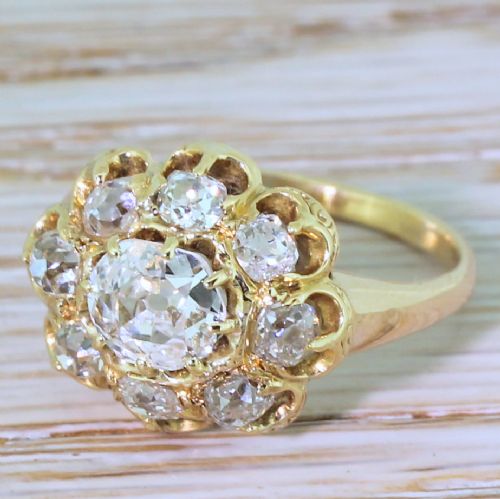
Old Mine Cut Solitaire
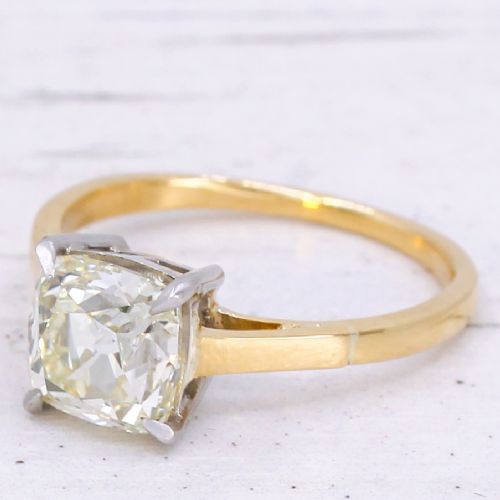
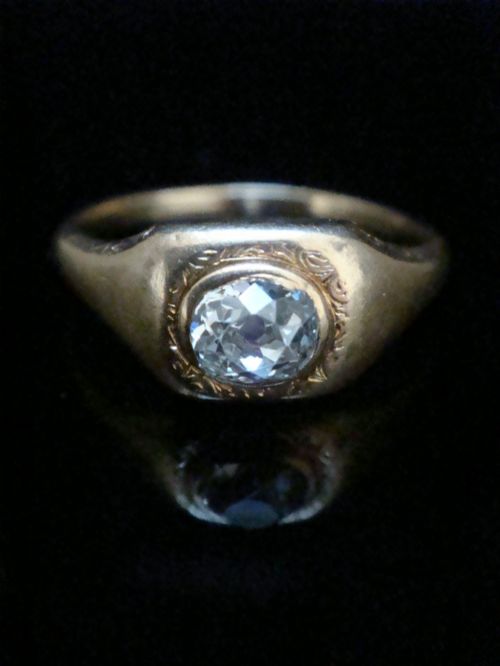
An old mine cut solitaire ring brings a distinctive cushion shape and hand-faceted depth that modern stones simply cannot replicate.
Old Mine Cut Solitaire
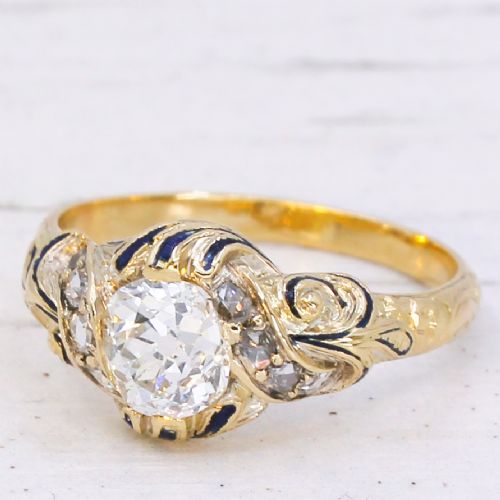
An old mine cut solitaire presents a single, characterful stone set to draw the eye entirely to its unique proportions and faceting. When seeking an old mine cut solitaire, buyers encounter pieces spanning from the late eighteenth century through the Edwardian and Art Deco eras.
What varies in quality
The excellence of an old mine cut solitaire rests in the symmetry of the hand-cut facets and the optical liveliness of the central gem. Stones with balanced proportions and appealing depth command attention by scattering light with a softer, broader flash than modern brilliant cuts.
The integrity of the mounting matters just as much as the stone, with superior pieces retaining crisp hallmarks, original claw work, and minimal past alterations. The harmony between the metalwork and the specific cushion outline of the diamond defines the upper tier of these historical rings.
Many of these diamonds were cut by candlelight, meaning they literally spent their infancy glowing in the dark.
The Old Mine Cut Solitaire Glossary
- Old mine cut
- An antique diamond faceting style featuring a nearly square or cushion outline, a high crown, and a small table. This shape predates the modern round brilliant and was designed to sparkle under candlelight.
- Solitaire
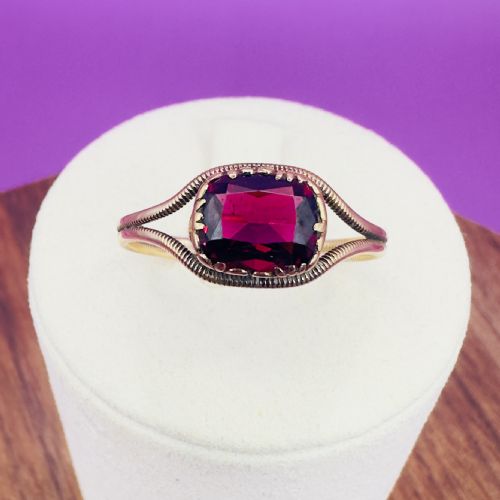
- A piece of jewellery featuring a single set gemstone without accompanying side stones. This design places visual emphasis entirely on the central diamond or garnet.
- Collet setting
- A metal collar or band that encircles the girdle of a gemstone to hold it securely in place. This technique was widely utilised in Georgian and Victorian jewellery.
- Platinum
- A dense, strong, and ductile white metal that gained popularity in Edwardian and Art Deco mountings. Its strength allowed jewellers to craft exceptionally fine wirework and secure prong settings.
Old Mine Cut Solitaire: Frequently Asked Questions
How do I care for an old mine cut solitaire?
These historical rings require gentle cleaning with warm soapy water and a soft brush to maintain the brilliance of the hand-cut facets. Avoid harsh chemical dips, particularly on pieces containing softer gold alloys or enamel.
Regular inspection by a jeweller ensures the original settings and claws remain secure around the cushion-shaped stone. Mindful daily wear preserves the delicate metalwork characteristic of Victorian and Edwardian craftsmanship.
Are these rings suitable for everyday wear?
Most antique solitaire rings are robust enough for daily use provided they receive proper maintenance and respect. Platinum and higher carat gold mountings hold up well over decades of regular engagement.
It remains wise to remove the ring during heavy manual tasks or strenuous physical activity to protect the antique prongs. Historic pieces appreciate gentle handling to safeguard their original handcrafted structure.
How do I tell an Edwardian ring from a Victorian one?
Victorian pieces often utilise warmer yellow gold mountings and heavier, more substantial bezel or star settings. The era spans from the mid-nineteenth century through the turn of the twentieth.
Edwardian jewellery frequently employs platinum and lighter, lace-like openwork designs inspired by eighteenth-century motifs. The transition to platinum allowed jewellers to create whiter, airier mountings around the central diamond.
What is the difference between an old mine cut and a modern brilliant?
An old mine cut possesses a characteristic cushion outline with a smaller table, higher crown, and a distinct open culet at the base. These stones were shaped by hand to catch the flickering light of oil lamps and candles.
Modern brilliant cuts are engineered with precise mathematical symmetry to maximise direct white light return. The antique cut offers a softer, chunkier pattern of reflection that defines its historic charm.