


1950s Diamond Solitaire
A 1950s diamond solitaire brings mid-century design and enduring style to the finger.
1950s Diamond Solitaire
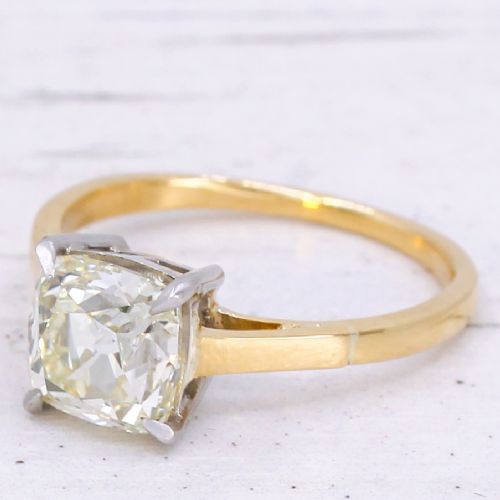
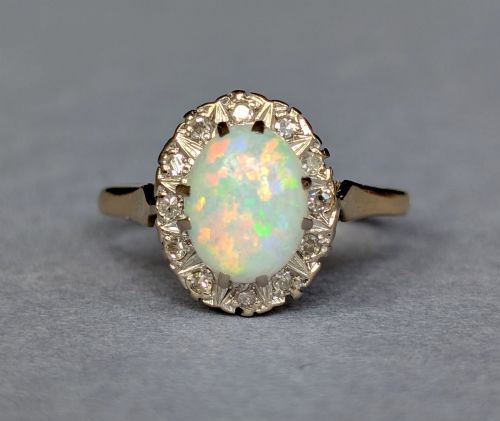
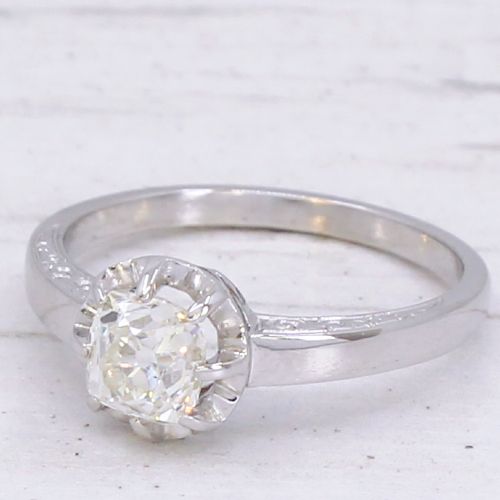
When you search for a 1950s diamond solitaire, you are looking at mid-century rings created during a distinct period of twentieth-century jewellery design. These pieces focus attention on a single central stone, held securely within precious metal mounts.
The versions most likely to meet you on this page are engagement rings dating from 1950 to 1960. They often feature old cut or transitional cut diamonds set in platinum or gold.
How they were made
Craftsmen of the mid-century period utilised platinum and various gold alloys, including yellow gold, white gold, and 18ct gold, to mount their stones. These metals provided the necessary strength to support central diamonds while maintaining slender, elegant profiles.
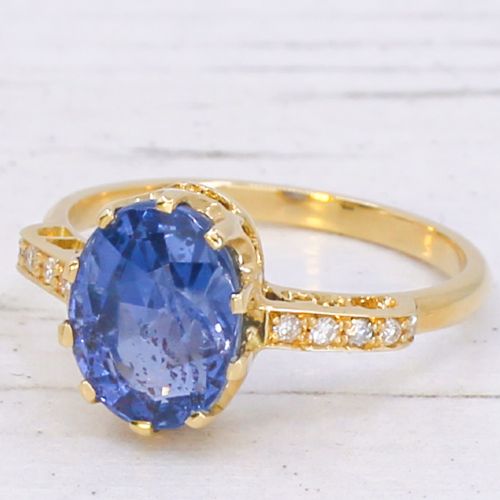
Stones were shaped by hand using traditional cutting techniques, resulting in old cut, transitional cut, and rose cut diamonds with distinctive facet patterns. Shoulders sometimes incorporated smaller diamonds or delicate detailing to complement the central gem.
Listings draw exclusively from the 1950 and 1960 periods, featuring platinum, yellow gold, white gold, and 18ct gold.
What varies in quality
The distinction between tiers of these rings rests largely on the proportion and execution of the setting relative to the central stone. Superior examples display harmonious balance where the metalwork enhances the brilliance of the diamond without overpowering it.
The clarity and cut grade of the diamond itself, alongside the precision of the goldsmith's work on the shank and shoulders, define the upper range of these mid-century pieces.
The 1950s Diamond Solitaire Glossary
- Solitaire
- A piece of jewellery featuring a single gemstone, most commonly a diamond. This setting style concentrates all visual weight on one central stone.
- Old cut
- A diamond cutting style prevalent before modern brilliant cuts were standardised, characterised by a smaller table and a higher crown. This cut produces distinctive broad flashes of light.
- Platinum
- A dense, durable white metal utilised in fine jewellery for its strength and resistance to tarnish. It allows for secure, delicate claw settings.
- Transition cut
- A diamond cut used during the period when older hand-cutting methods evolved into modern brilliant techniques. It bridges the stylistic gap between old cut and modern stones.
1950s Diamond Solitaire: Frequently Asked Questions
Are 1950s diamond solitaires durable?
These rings were built for everyday wear using robust metals like platinum and 18ct gold. Their settings securely anchor the central diamond for modern daily use.
Regular checks by a jeweller help ensure the claws remain firm and the stone stays protected.
What cuts do these diamonds have?
The stones typically feature old cut, transitional cut, or rose cut facets. These older cutting styles produce unique light reflection patterns distinct from modern brilliant cuts.
Each cut reflects the hand-finishing techniques common in mid-century workshops.
How do I identify a 1950s ring?
Look for specific stylistic markers such as mid-century mount designs, platinum or gold settings, and characteristic diamond cuts. Dates generally cluster around the 1950 to 1960 window.
Construction methods and shank profiles also align with the manufacturing standards of that decade.
Can I wear one every day?
Yes, platinum and gold mountings provide the structural integrity needed for daily wear. The sturdy nature of mid-century settings makes them suitable engagement rings.
Proper care and occasional professional cleaning keep the metal and diamond in optimal condition.