
Vintage Fine Jewellery Ring
A vintage fine jewellery ring brings together precious metals and gemstones from periods spanning the Victorian era to the mid-twentieth century.
Vintage Fine Jewellery Ring
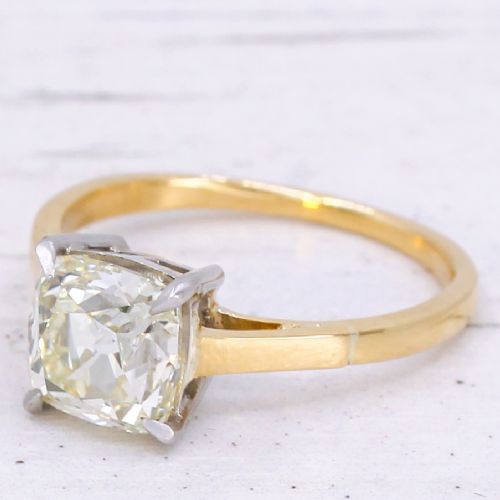
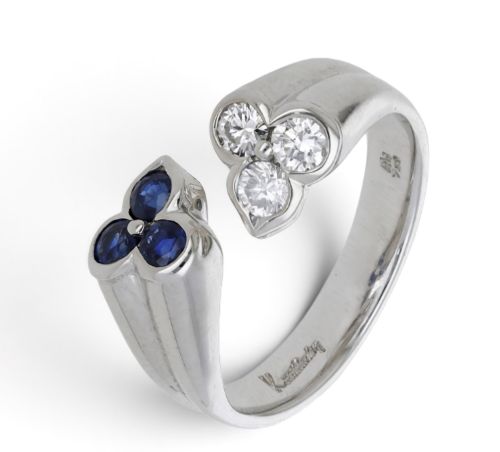
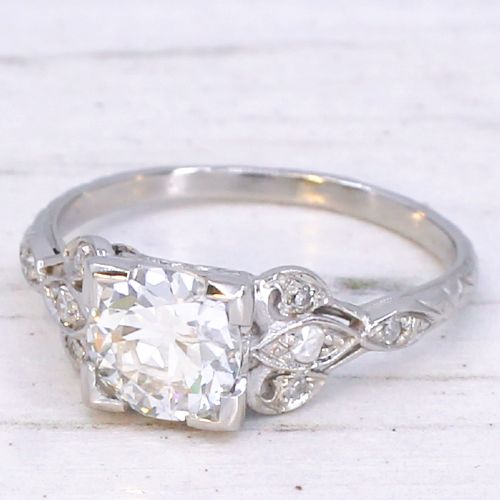
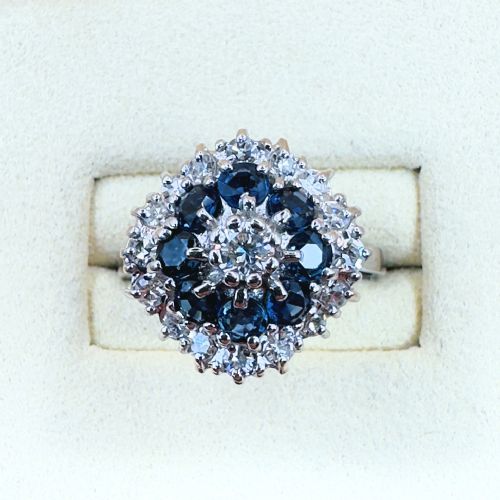
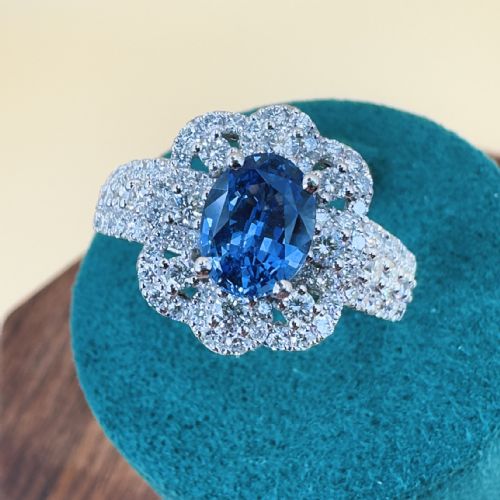
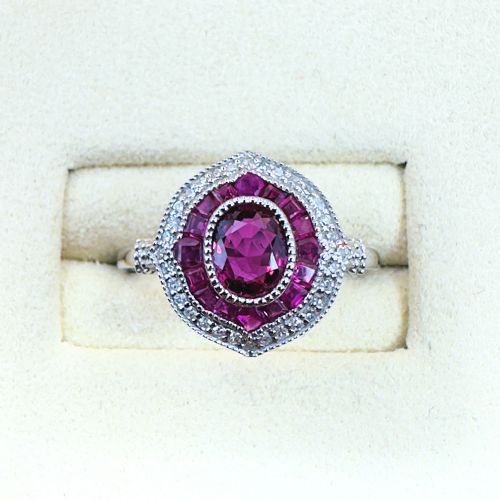
A vintage fine jewellery ring encompasses a range of cluster, solitaire, and multi-stone configurations set with diamonds and coloured stones. Buyers searching for a vintage fine jewellery ring often encounter mid-century platinum and gold pieces alongside earlier Edwardian and Victorian examples.
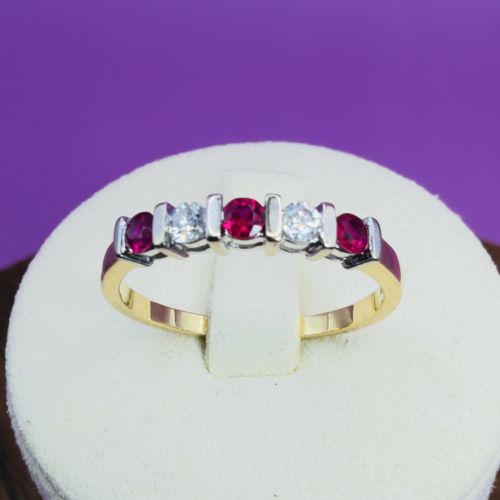
The selections span distinct historical periods, notably the 1930s Art Deco movement, 1950s cocktail designs, and 1960s dress rings. These pieces utilise traditional forms such as the navette, the daisy cluster, and the five-stone band.
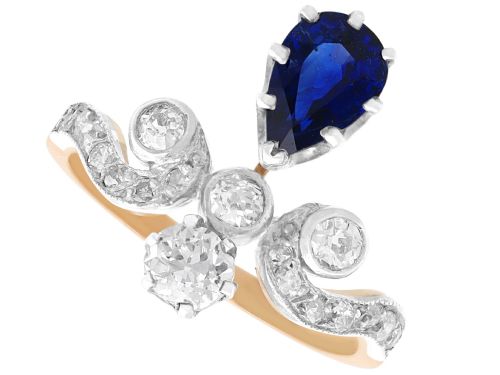
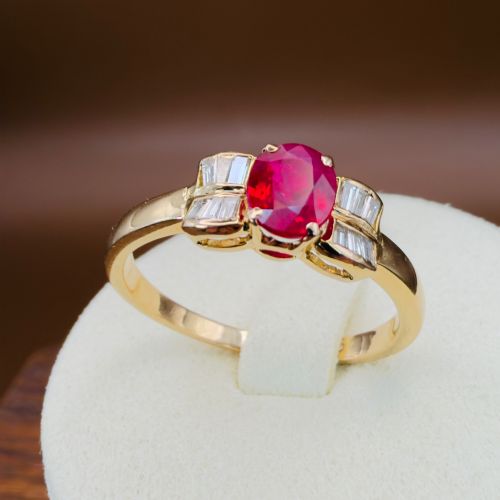
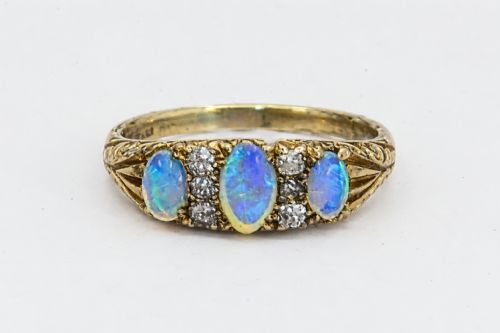
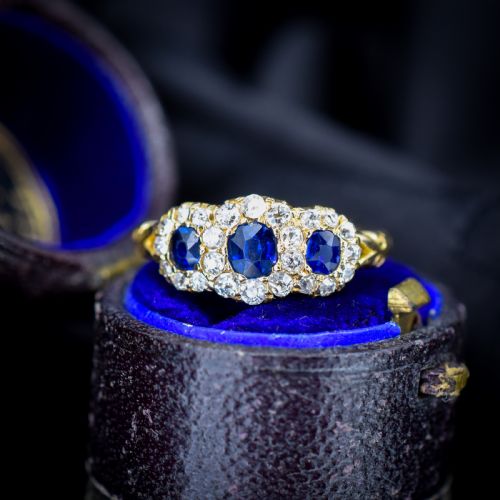
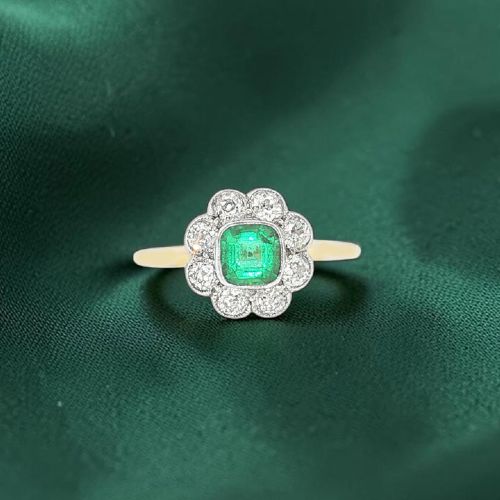
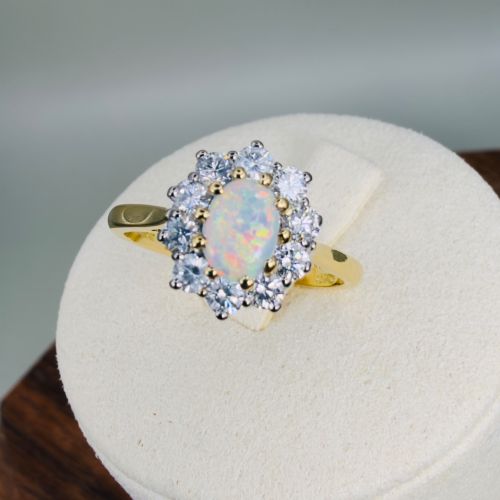
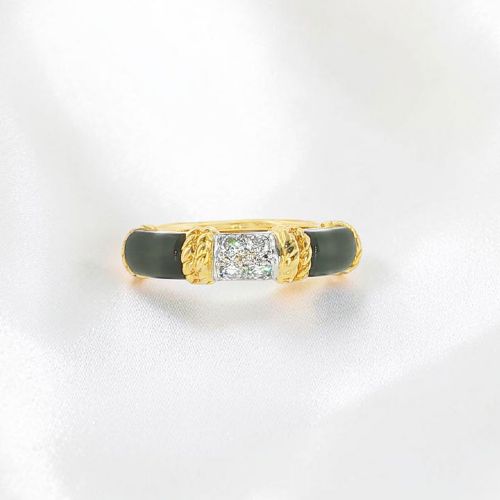
Cluster rings dominate the selection, pairing central rubies, sapphires, emeralds, or opals with surrounding diamond borders. Simpler bands, including full eternity rings and multi-stone diamond settings, also appear across the inventory.
Materials and construction methods
Construction relies heavily upon 18ct gold in yellow and white forms, alongside platinum which gained favour for its strength and bright finish during the Art Deco period. Lower carat gold, such as 14ct, also surfaces in specific mid-century pieces.
Gemstone selection centres on diamonds paired with precious corundum and beryl, including sapphires, rubies, and emeralds, alongside organic materials like pearls and opals. Setting techniques involve claw settings, channel work, and precise platinum milling to secure old-cut and brilliant-cut stones.
Listings span periods from the Victorian era through the 1960s, featuring 18ct gold, platinum, and various gemstones.
Assessing quality in vintage rings
Quality separates through the natural characteristics of the gemstones and the precision of the metalwork. Substantial stone weights, such as large central emeralds or high-carat rubies, distinguish exceptional examples from standard dress rings.
The integrity of the setting work and the original condition of the precious metal indicate the standard of production. Finer pieces demonstrate careful claw placement and balanced proportions between the central gems and surrounding diamond clusters.
Kutchinsky·Le Vian
The Vintage Fine Jewellery Ring Glossary
- Cluster ring
- A ring design featuring a central gemstone surrounded by a border of smaller stones, typically diamonds. This layout maximises visual impact and light reflection.
- Navette
- A boat-shaped ring setting that elongates along the finger, popular in late Victorian and Edwardian periods. The pointed ends create a distinctive tapered silhouette.
- Old cut
- A diamond cutting style prevalent in antique and Edwardian jewellery, characterised by a smaller table, higher crown, and deep pavilion. These cuts produce a softer, candlelit sparkle compared to modern brilliant cuts.
- Baguette cut
- A step-cut rectangular diamond shape, frequently utilised as accent stones alongside central brilliant-cut gems in Art Deco and mid-century designs. The parallel facets provide clean, geometric lines.
- Tretfoil
- A three-lobed decorative grouping resembling a three-leaf clover, often applied to cluster arrangements of gemstones. This historic motif appears across various antique periods.
Vintage Fine Jewellery Ring: Frequently Asked Questions
How do I identify an Art Deco ring?
Art Deco rings typically feature platinum settings with geometric layouts, sharp lines, and contrasting calibre-cut gemstones.
They often incorporate old-cut diamonds arranged in rectangular or elongated navette forms that sit low to the finger.
What is the difference between Edwardian and Victorian rings?
Victorian rings frequently utilise yellow gold with heavier claw settings, vibrant sapphires, rubies, and deep opals.
Edwardian pieces lean towards platinum and white gold, favouring delicate millegrain edges, pearls, and airy diamond cluster designs.
Are these rings suitable for daily wear?
Many fine vintage rings function well for everyday use, particularly robust platinum and 18ct gold configurations.
However, softer stones like opals and pearls require greater care to avoid scratching or moisture damage during routine activities.
How are gemstone treatments described?
Listings specify natural origins where applicable, noting unheated rubies or certified emeralds from specific historic sources.
Gemstone descriptions highlight the inherent qualities of the stone, such as Columbian origin or natural colouration.