



Claw Foot Sofa
A claw foot sofa grounds a room with heavy timber and carved terminals, bringing nineteenth-century presence straight to the floor.
Claw Foot Sofa
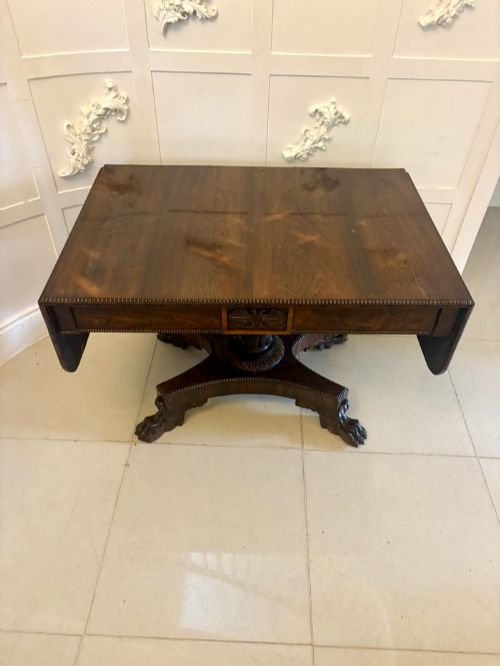
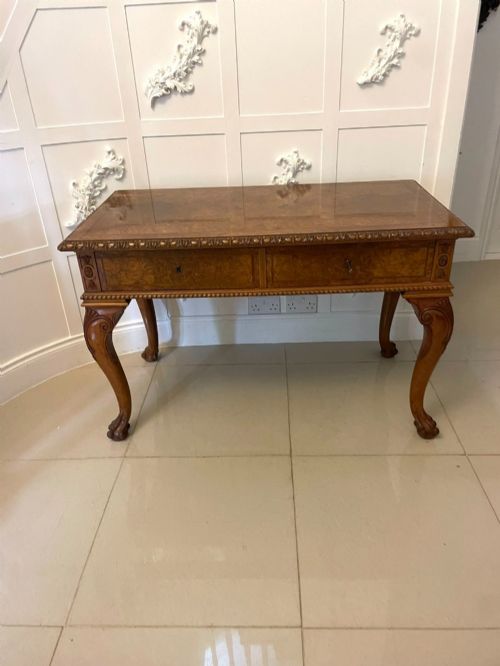
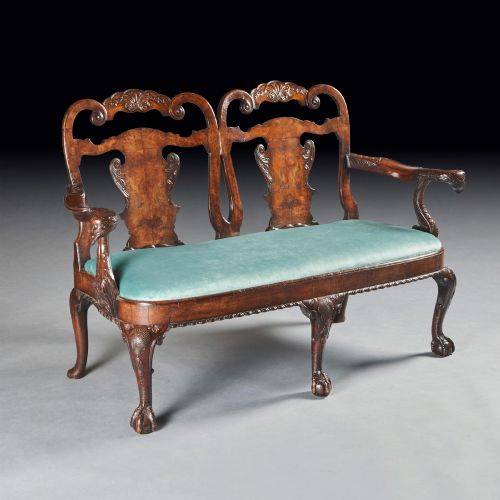
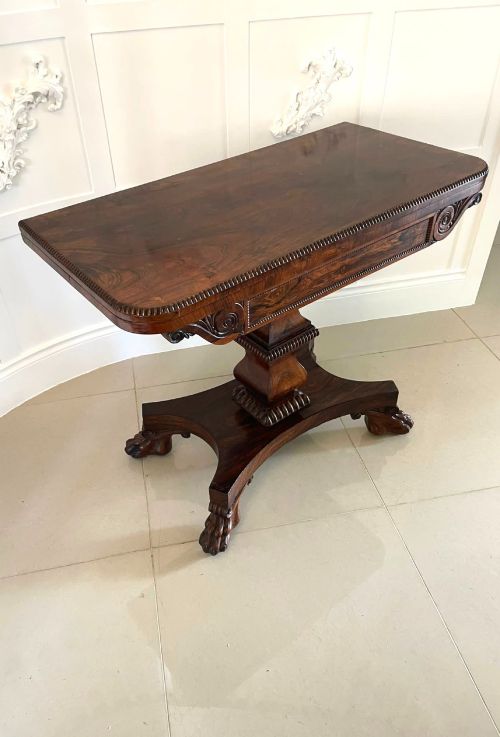
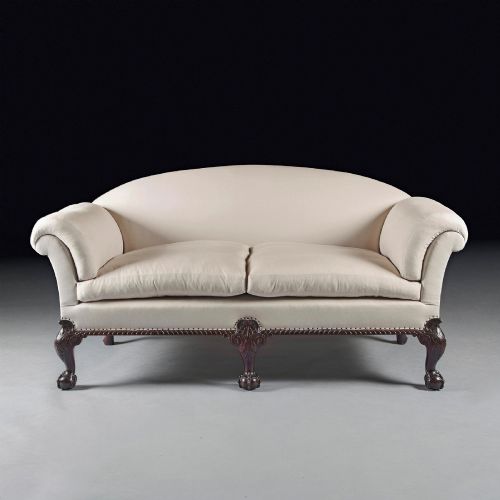
A claw foot sofa presents heavy mahogany, rosewood, or walnut framing raised on carved talon, paw, or ball and claw feet. These pieces emerge primarily from nineteenth-century workshops, spanning Regency, William IV, and Victorian periods alongside later revivals.
Buyers meet varied seating forms here, from deep-seated library sofas and multi-seat settees to upholstered suites finished with damask or fabric. Many examples draw directly on earlier Georgian or Chippendale designs, pairing generous upholstery with sculptural timber supports.
How they were made
Cabinetmakers shaped these frames from dense timbers like mahogany, rosewood, and walnut, often employing rich veneers such as burr walnut or palisander. Brass inlay, ormolu mounts, and ebonised detailing occasionally accent the primary wood.
Carvers shaped the terminals by hand, striking deep relief into ball and claw, lion paw, or hawk claw feet. Upholstered sections rely on traditional stuffing and springing beneath fabrics, damask, or leather.
Listings feature mahogany, rosewood, walnut, and burr walnut timbers across nineteenth-century and revival periods.
What varies in quality
The sharpness and depth of the timber carving define the upper tier of pieces, distinguishing crisp hand-chiselled talons from softer, later machine work. Timber selection similarly separates standard production from exceptional execution, particularly where figured rosewood, burr walnut, or dense Brazilian mahogany are employed.
Structural integrity rests on the joinery connecting the legs to the seat frame and the fidelity of revival pieces to their Georgian or Regency precedents. Original mounts, intact brass inlays, and undisturbed surface patination elevate individual examples.
Howard and Sons·Gillows
The Claw Foot Sofa Glossary
- Ball and claw foot
- A carved furniture foot depicting a bird's talon clutching a ball, popular in eighteenth-century designs and later nineteenth-century revivals.
- Regency
- A British design period spanning the early nineteenth century, characterised by classical restraint, architectural lines, and exotic woods like rosewood.
- William IV
- A transitional nineteenth-century style known for heavy, robust proportions, bold scrollwork, and dark mahogany or rosewood timbers.
- Chippendale
- An eighteenth-century style defined by carved cabriole legs, intricate fretwork, and substantial mahogany construction.
- Palisander
- A dense, dark timber akin to rosewood, frequently utilised for fine nineteenth-century cabinet furniture and occasional tables.
Claw Foot Sofa: Frequently Asked Questions
What is a claw foot sofa?
A claw foot sofa is a substantial nineteenth-century or revival seat supported by carved animal or bird foot terminals. These pieces combine heavy timber frames with sprung or stuffed upholstery.
They serve as focal seating in traditional reception rooms, bringing sculptural timber work to the floor level. The category encompasses both deep lounge sofas and formal twin-chair back settees.
How do I date a claw foot sofa?
Dating relies on timber choice, carving style, and structural proportions. Regency and William IV pieces display dense rosewood or mahogany with crisp, classical joinery, while Victorian examples often feature heavier walnut or elaborate damask upholstery.
Revival pieces from the late nineteenth or early twentieth century imitate earlier Georgian forms but generally show different secondary woods and fresher internal construction. Comparing the foot carving to documented period pieces helps clarify the timeline.
Where should I place a claw foot sofa?
These sofas require generous floor space to display their carved feet and substantial timber frames properly. Placing them away from walls allows the finished back and profile to remain visible within a room.
They anchor large drawing rooms, studies, or libraries, pairing well with heavy mahogany side tables or library desks. Environmental humidity control protects the dense timbers and traditional upholstery from drying.
How do I care for the timber?
Maintenance involves applying microcrystalline wax sparingly to nourish rosewood, mahogany, or walnut surfaces without building up heavy residues. Dusting with a soft, dry cloth prevents particulate accumulation in carved crevices.
Direct sunlight and sudden temperature shifts must be avoided to prevent the dense woods and old veneers from splitting. Professional conservation is recommended for deep structural repairs or antique fabric reupholstery.