
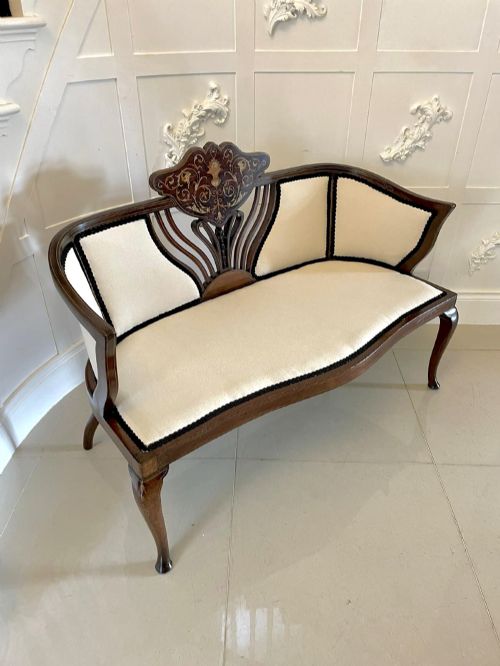
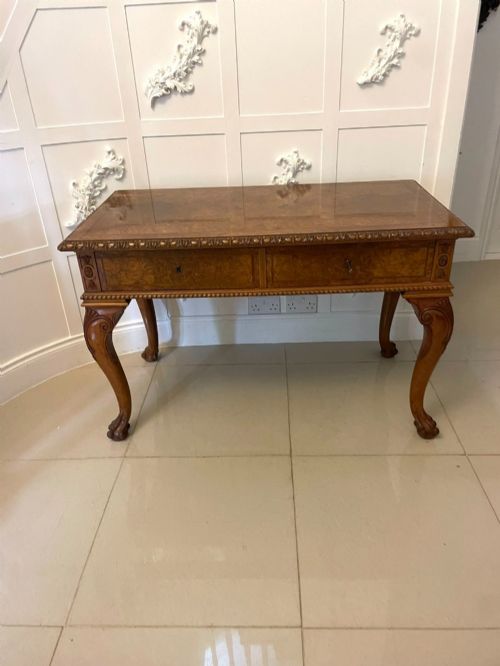

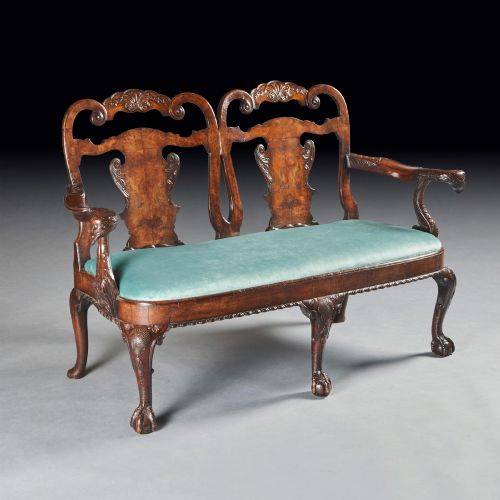
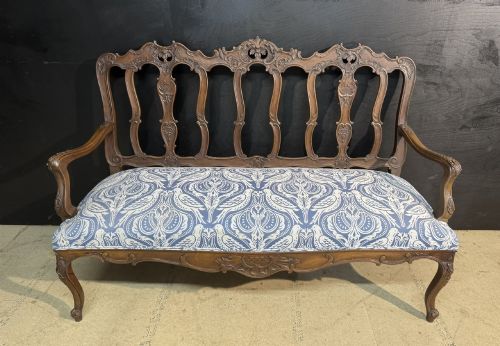
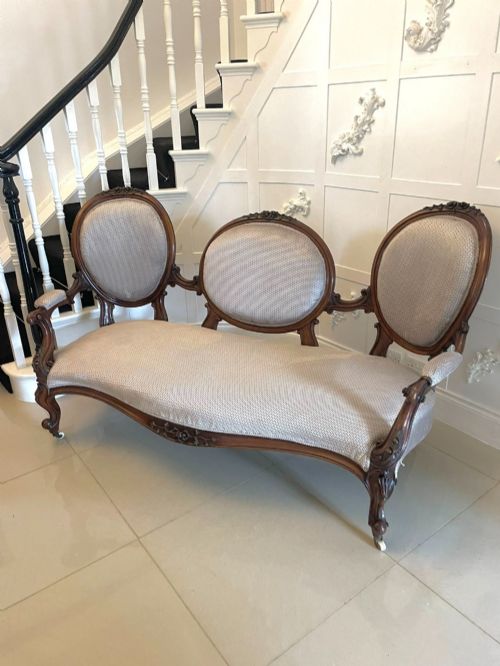
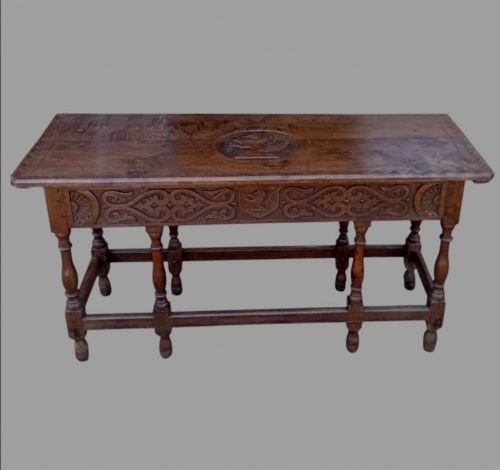
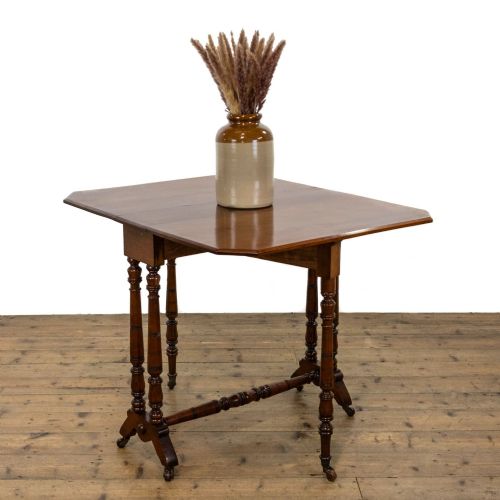
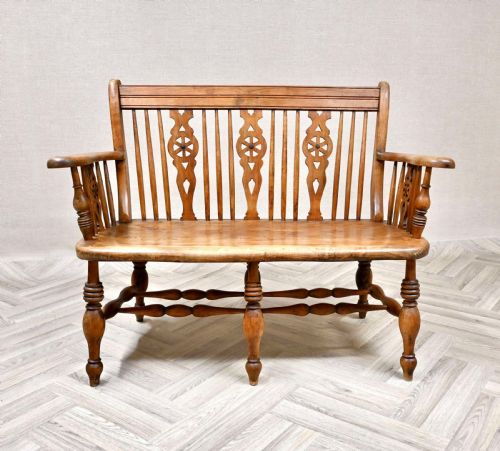
Carved Leg Sofa
A carved leg sofa brings enduring woodwork and traditional seating together, offering substantial character for a period interior.
Carved Leg Sofa
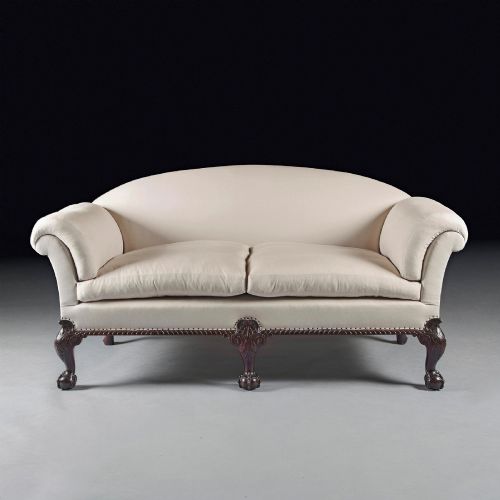
A carved leg sofa represents a diverse group of nineteenth and early twentieth century seating furniture, spanning Victorian, Edwardian, and revival aesthetics. Buyers searching for a carved leg sofa typically encounter walnut, mahogany, and oak frames featuring distinct ornamental woodwork.
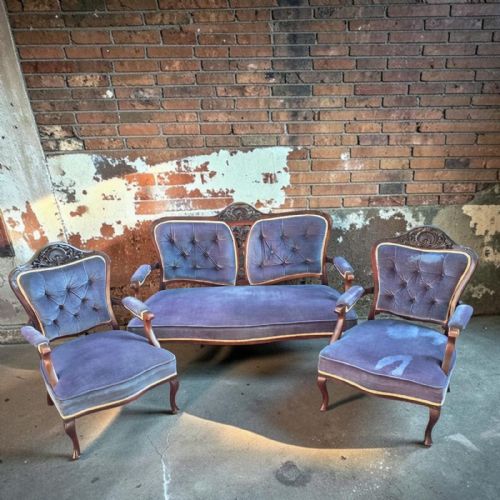
The selection here encompasses various seating forms, from three-seater couches and cameo back settees to chaise longues and salon suites. Pieces drawing on Queen Anne, Chippendale, and George II designs frequently appear alongside straightforward Victorian examples.
Victorian and Edwardian items dominate the available choices, supplemented by occasional Georgian pieces and later twentieth-century interpretations. These items reflect the shifting popularity of revival styles across different decades.
Materials and construction methods
Cabinet makers utilised dense hardwoods such as mahogany, walnut, burr walnut, and oak to construct sturdy frames capable of supporting intricate hand-carved details. Brass components and specialised upholstery fabrics, including velvet and leather, completed the primary material palette.
Joinery methods combined traditional frame construction with relief carving on cabriole, ball and claw, or ionic column legs. Upholstery techniques ranged from deep buttoning to tailored fabric coverings suited to formal parlour seating.
Some nineteenth-century makers concealed extra storage space within deep sofa frames for hidden keepsakes.
Assessing craftsmanship and condition
Quality rests in the crispness and depth of the timber carving, the selection of figured veneers like burr walnut, and the structural integrity of the frame. Superior examples demonstrate meticulous joinery and balanced proportions across the legs and backrest.
The choice of secondary timbers, the preservation of original show wood, and the fidelity of revival ornamentation further distinguish standard production from exceptional cabinet work.
Howard and Sons·Johnstone and Jeanes·Giles Grendey·James Mein of Kelso
The Carved Leg Sofa Glossary
- Cabriole leg
- A furniture leg that bends outward in a convex curve and tapers inward in a concave curve, ending in a pad, claw, or scroll foot. This form derives from traditional Chinese furniture and became prominent during the Queen Anne and Chippendale periods.
- Ball and claw
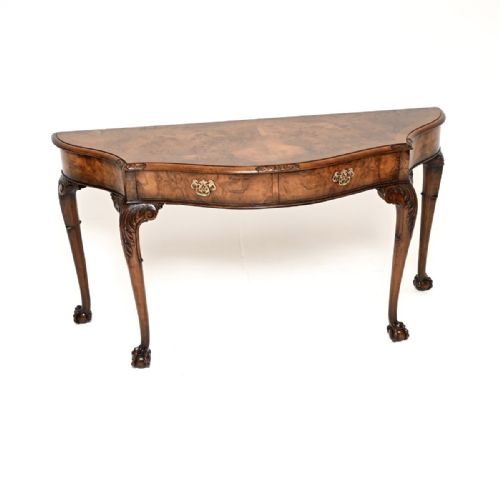
- A foot motif featuring a carved bird talon grasping a ball, frequently seen on eighteenth-century and revival seating furniture. This design draws influence from Chinese dragon motifs.
- Chaise longue
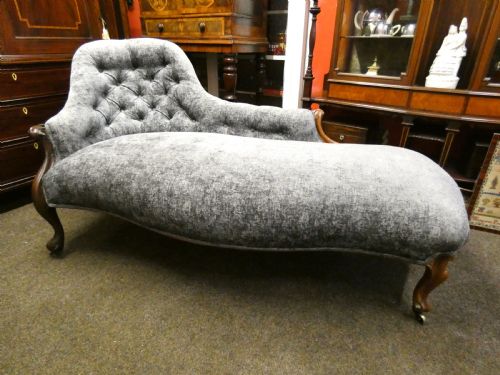
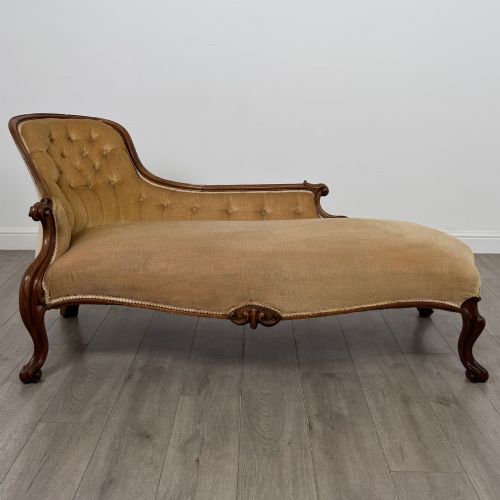
- An upholstered long chair or day bed designed for reclining, combining a chair back with an extended seat. Victorian examples often feature carved wooden show frames and single-end armrests.
- Show wood
- The exposed, polished, or carved wooden portions of an upholstered sofa or chair frame that remain visible around the fabric. High-quality show wood displays careful grain selection and detailed manual carving.
Carved Leg Sofa: Frequently Asked Questions
How do I identify a Victorian sofa?
Victorian sofas typically feature dark hardwoods like walnut or mahogany, often displaying heavy carving, buttoned upholstery, and characteristic revival motifs. Examining the underside and joint construction helps confirm the nineteenth-century origin.
Makers of this era frequently utilised sprung upholstery systems and embraced diverse stylistic influences ranging from Rococo Revival to plain Victorian designs.
What is a Queen Anne style sofa?
A Queen Anne style sofa incorporates distinct early eighteenth-century design elements, such as smooth curved lines, pad feet, and cabriole legs. Many examples found today are later twentieth-century revivals reproducing these classical proportions.
These pieces emphasise graceful woodwork over heavy ornamentation, utilising figured walnut veneers on the frame and legs.
How should I care for antique upholstery?
Protect antique fabric and leather by keeping wooden frames and textiles away from direct sunlight and excessive heat sources. Gentle vacuuming using a soft brush attachment prevents dust accumulation in deep buttoning and carved crevices.
Professional cleaning is recommended for delicate Victorian velvet and historical textile coverings to maintain the integrity of the material.
Are these sofas suitable for daily use?
Most antique settees and couches function well in modern reception rooms when treated with reasonable care. Checking the internal frame stability ensures the seating safely supports everyday sitting.
Pairing historical frames with appropriate interior spaces allows these traditional wooden forms to serve as functional living room seating.