

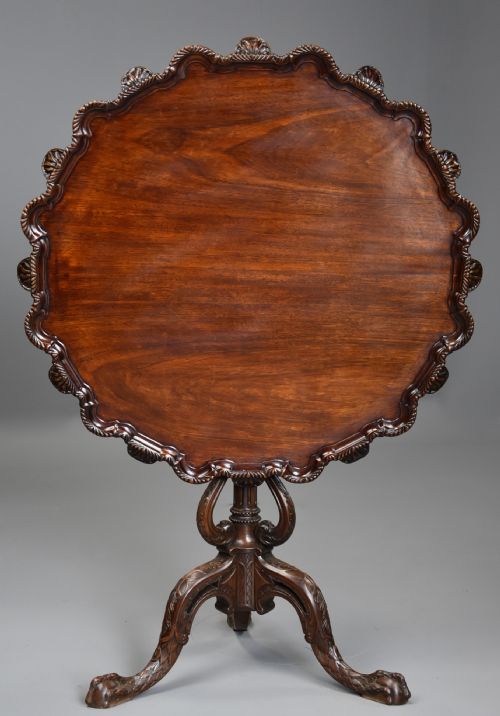


Claw Feet Wine Table
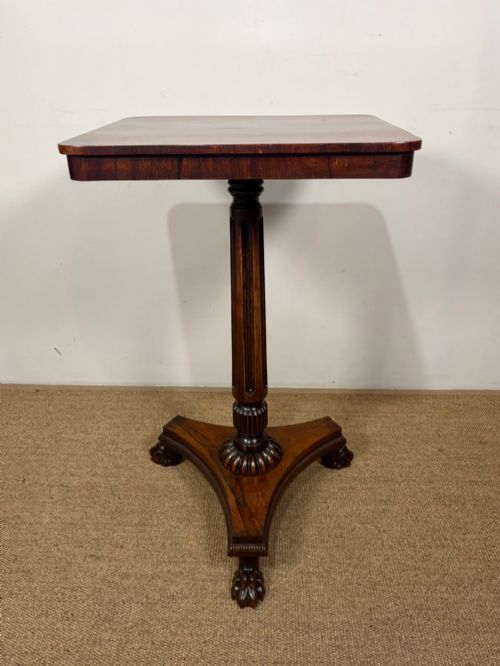
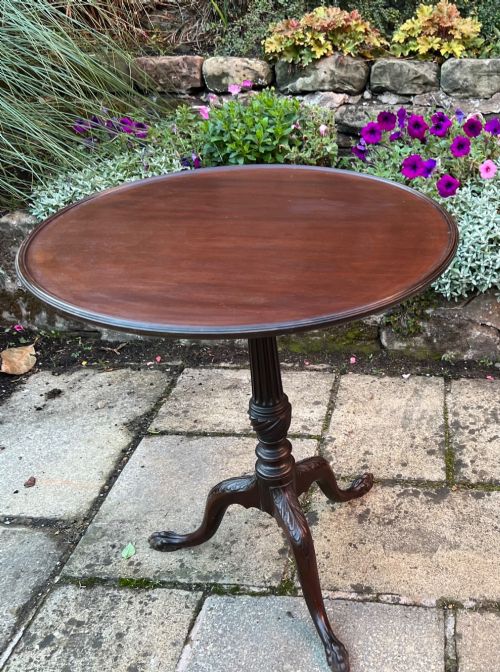
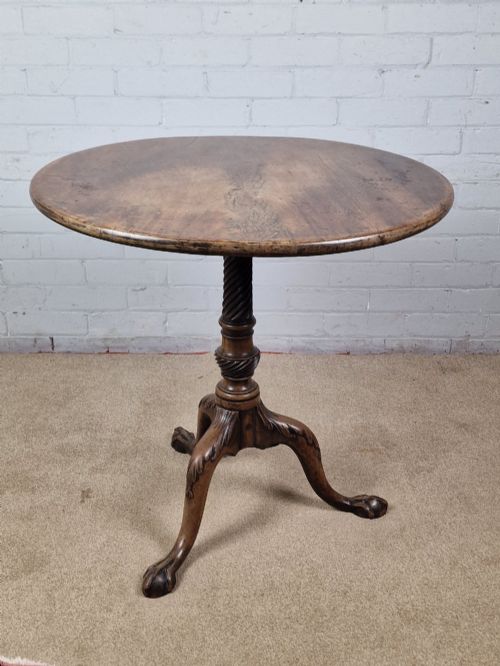
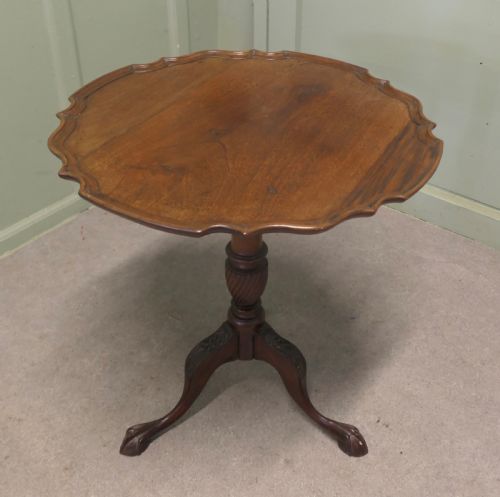
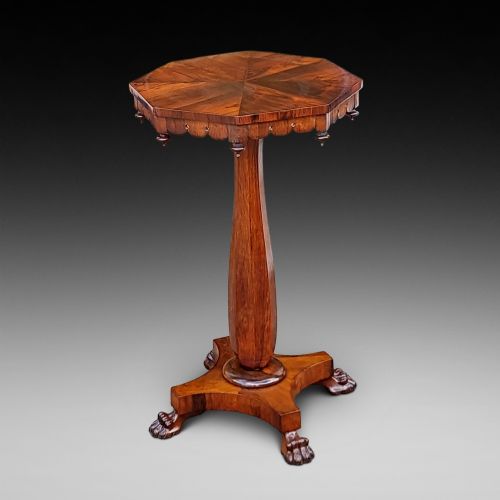
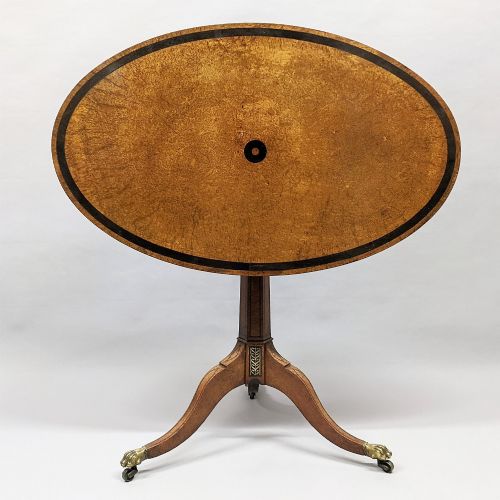
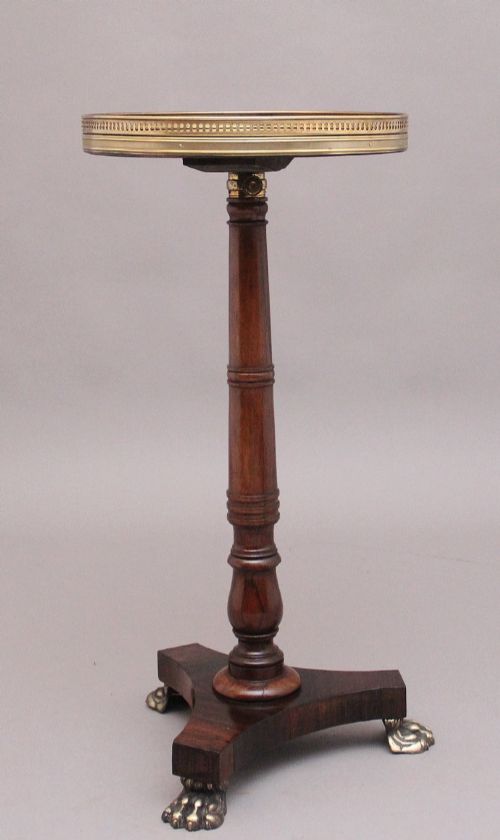
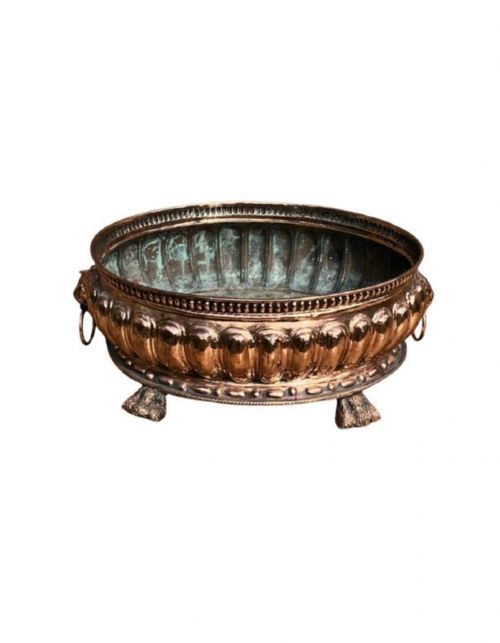
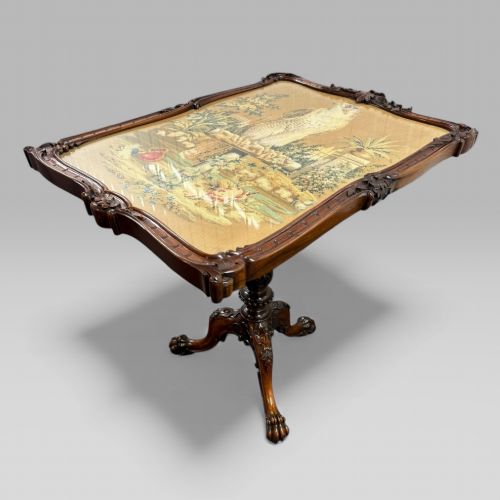
A claw feet wine table brings compact elegance to a room, offering a sturdy central pedestal supported by distinct animalistic paws.
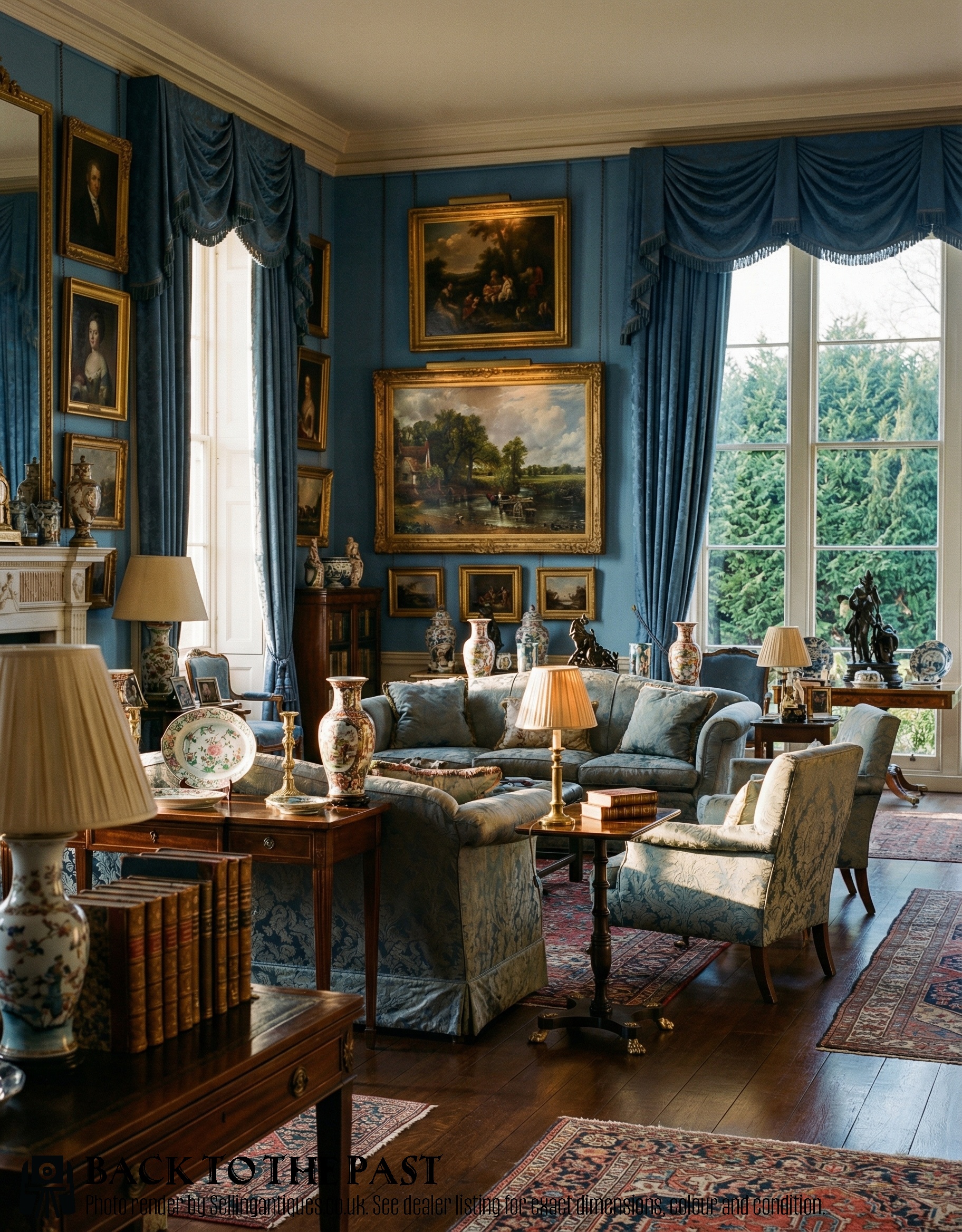
Claw Feet Wine Table
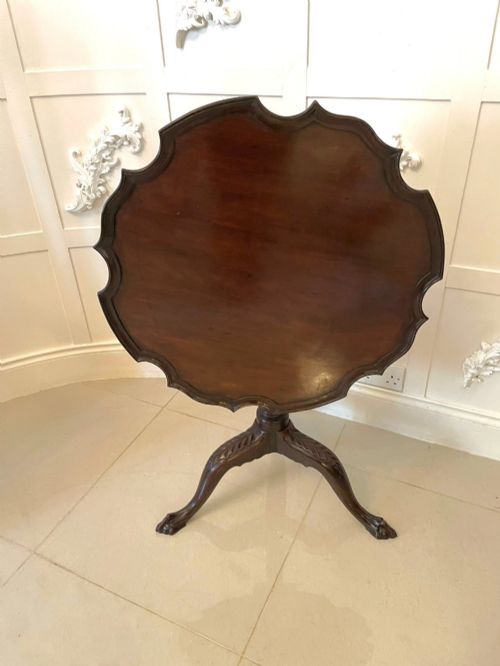
When you search for a claw feet wine table, you are looking at small portable furniture designed for holding glasses or bottles near seating areas. These pieces typically feature a central pillar resting on tripod or quadrapod bases terminating in carved feet.
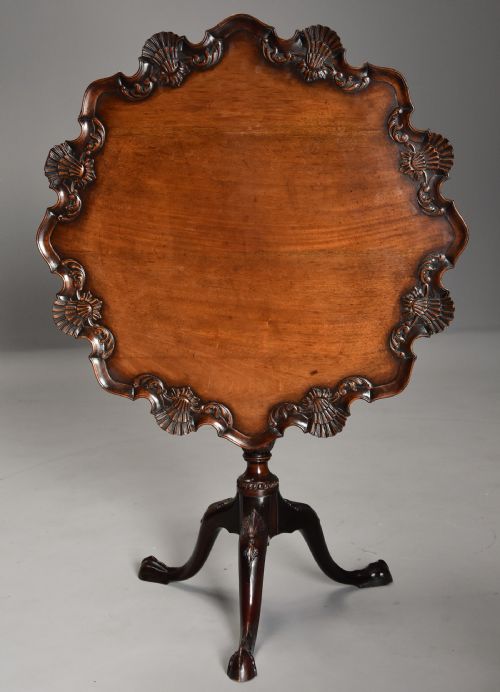
The versions most common on this page span the Georgian, Victorian, and Edwardian periods, frequently executed in mahogany or rosewood. They often incorporate tilt-top mechanisms, allowing the surface to fold away flat when not in use.
Makers from the 18th century onward produced these tables in various regional styles, including Chippendale revivals and Regency interpretations. Their compact footprints make them versatile additions to traditional interiors.
How they were made
Cabinetmakers utilised dense timbers such as mahogany, rosewood, walnut, and burr oak veneer for the tops and columns, often turning the central shafts on lathes. The distinctive feet were carved directly from the timber blocks of the legs or cast in brass.
Complex mechanisms like birdcage actions and tilt-top pivots relied on precise carpentry and metal hinges to enable smooth movement without sacrificing stability. French polishing or wax finishes were then applied to bring out the grain of the wood.
Claw Feet Wine Table Retail Price Guide 2026
Typical asking prices for claw feet wine table among the pieces listed under this phrase on Sellingantiques today, from the lower quarter to the upper quarter. They describe what is for sale here now, not the wider market.
Some tables double as fire screens, proving that historical domestic multitasking was taken very seriously indeed.
What varies in quality
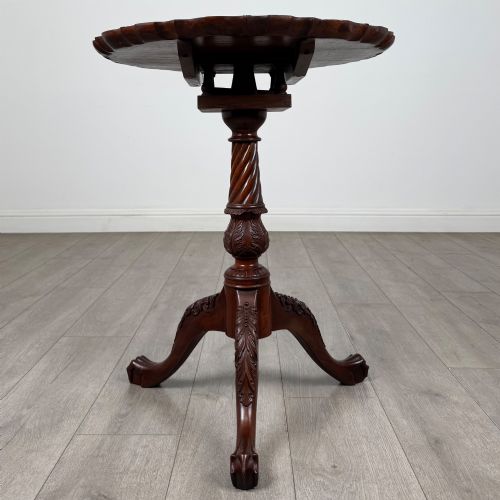
The distinction between ordinary and superior examples lies in the crispness of the wood carving, particularly on the knees and feet of the tripod base. Fine pieces show meticulous hand-carving rather than soft, mechanical rounding.
The engineering of the tilt-top mechanism and birdcage action also dictates standard; tighter joints and smoothly operating catches without excessive wobble separate the work of accomplished workshops from mass production.
S & H Jewell London·Gillows
The Claw Feet Wine Table Glossary
- Tilt top table
- A table with a hinged top that rotates into a vertical position for storage. This mechanism often uses a brass catch and a wooden block.
- Tripod table
- A freestanding table supported by three legs branching from a central column. This design ensures stability on uneven floorboards.
- Birdcage mechanism
- A rotating wooden framework beneath the table top that allows the surface to both pivot and spin. It is typically found on finer examples.
- Piecrust edge
- A raised, decoratively carved rim around the perimeter of a circular table top. The carving resembles the fluted edge of pastry.
- Tripod base
- The three-legged support structure beneath the central column. These bases frequently feature claw and ball feet.
Claw Feet Wine Table: Frequently Asked Questions
What is a claw feet wine table used for?
These tables were historically placed beside seating to hold glasses, decanters, or small lamps during evening gatherings. Their portable nature allowed servants to move them easily around a drawing room.
Today, they function well as accent pieces next to armchairs or sofas, providing a convenient surface for drinks and books without occupying much floor space.
What is a birdcage action?
The birdcage is an internal framework of small wooden spindles situated between the table top and the central pillar. It allows the top to rotate horizontally as well as tilt vertically.
This sophisticated piece of engineering is usually found on higher quality 18th and 19th-century tables, offering greater flexibility in how the piece is positioned.
How do I care for antique mahogany and rosewood?
Keep these timber surfaces away from direct sunlight and strong heat sources to prevent the wood from drying out or fading. Regular dusting with a soft, dry cloth maintains the natural lustre of the polish.
Applying a traditional beeswax polish occasionally helps nourish the grain and protects the antique finish from minor scuffs and moisture.