





Classical Wall Hanging
A classical wall hanging brings architectural dignity and historic woven or carved presence to a room through centuries-old textile art, mirrors, and relief panels.
Classical Wall Hanging
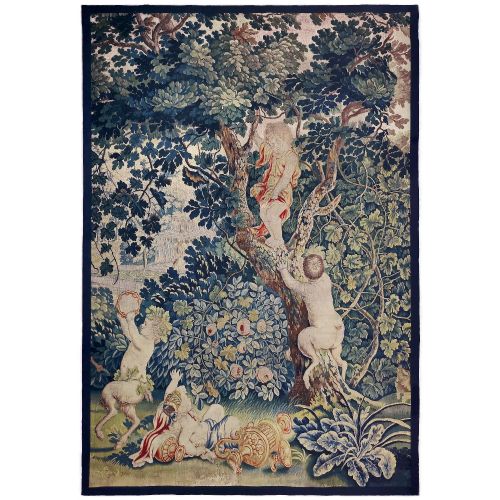
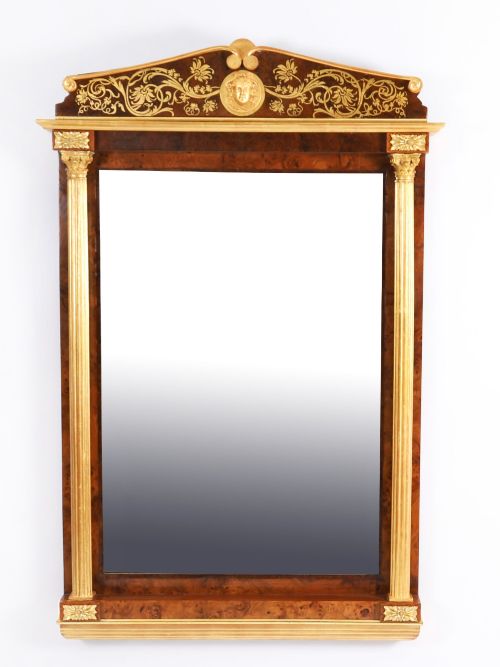
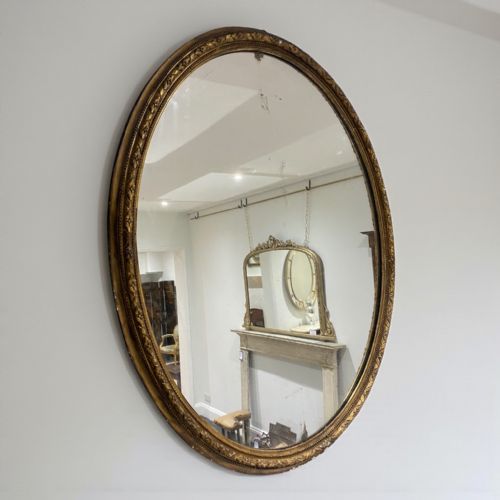
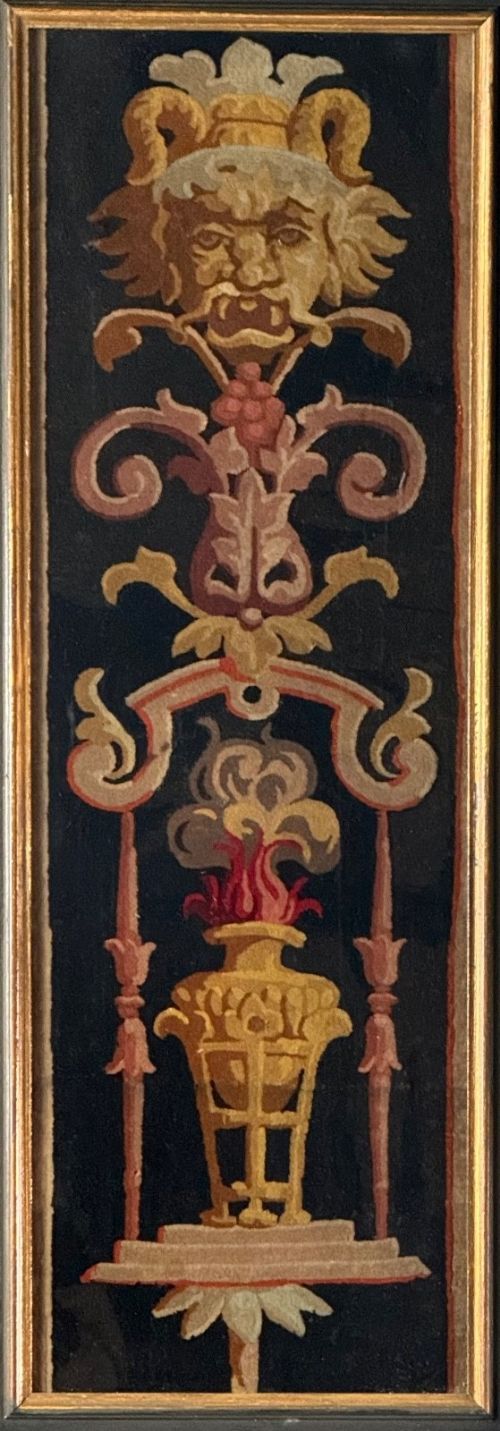
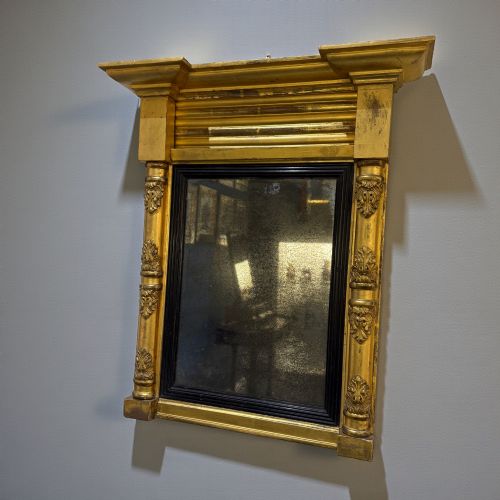
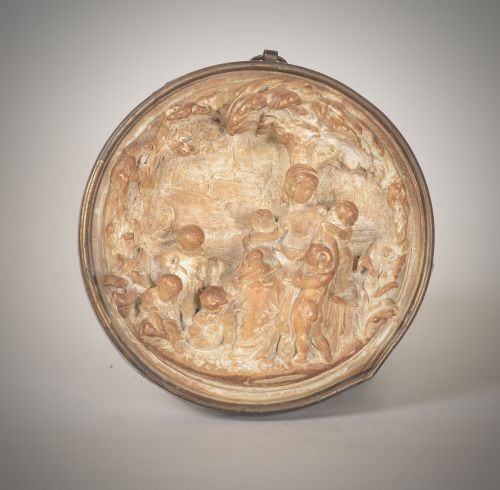
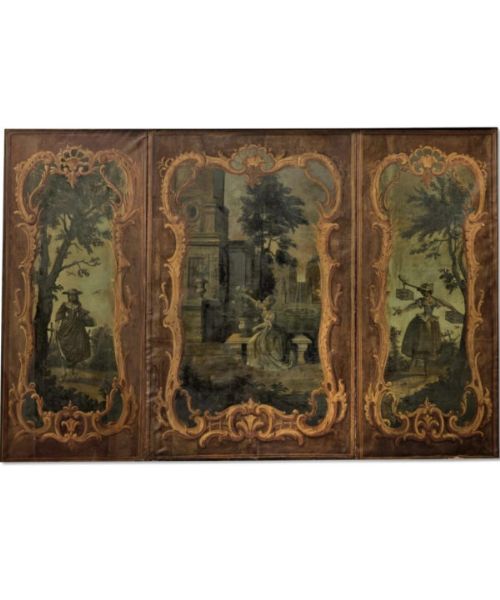
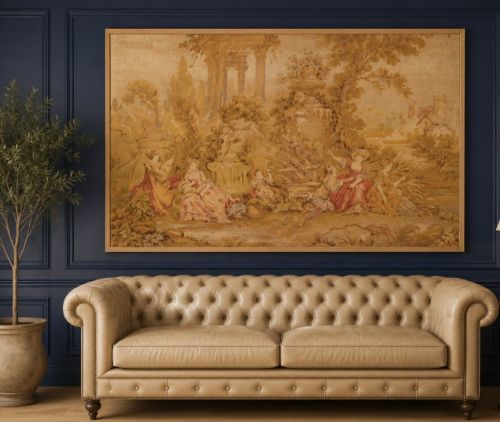
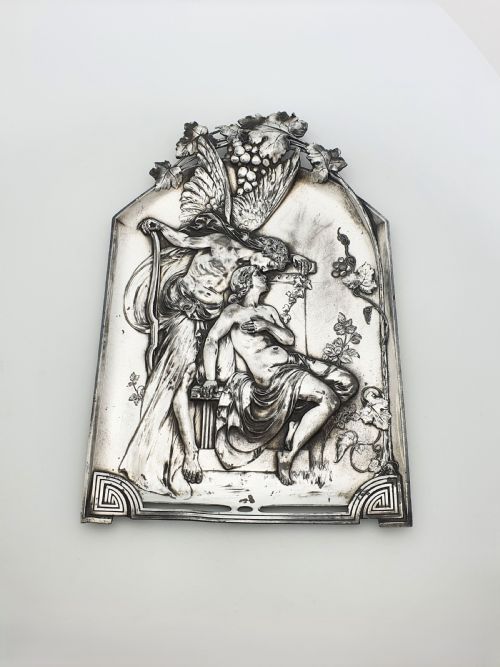
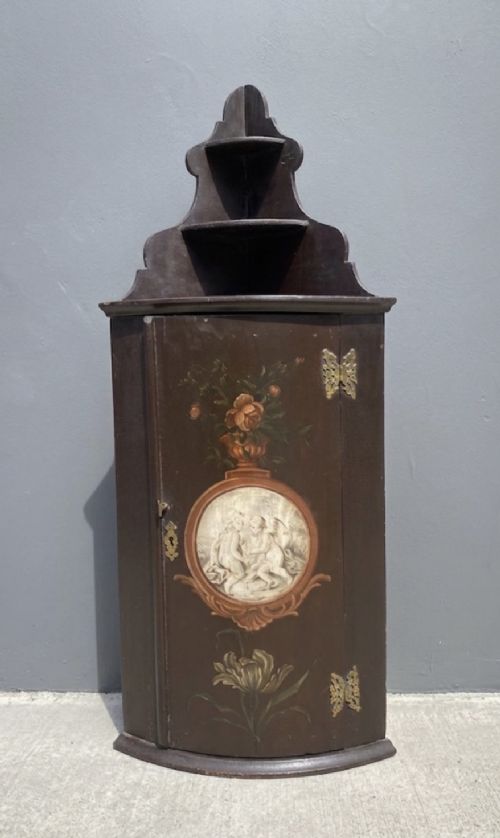
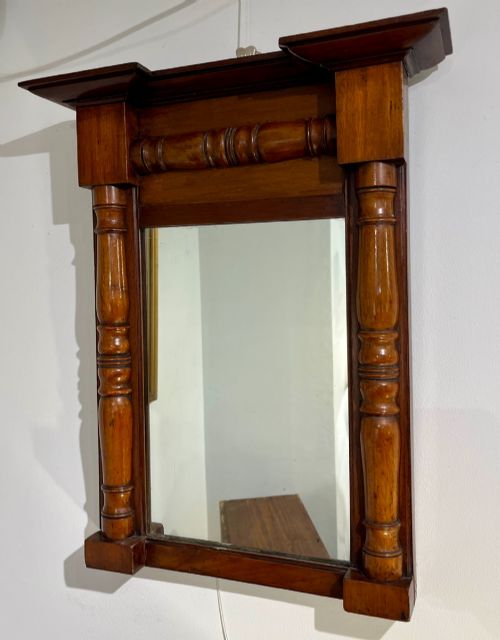
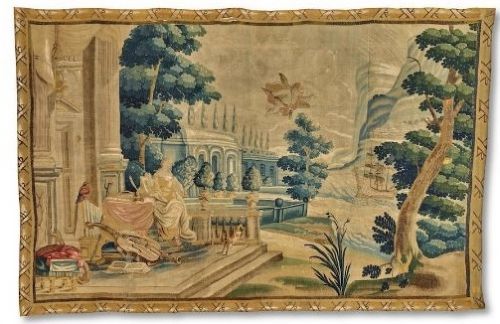
A classical wall hanging encompasses woven textile panels, framed mirrors, and decorative plaques originating from the seventeenth century onward. Buyers encounter large verdure and mythological tapestries alongside giltwood and brass mirrors bearing neoclassical motifs.
The selection ranges from early Flemish and French woven panels to nineteenth-century Adam Revival mirrors and cast metal reliefs. These pieces draw on Baroque, Regency, and Neoclassical design vocabulary to anchor interior spaces.
Materials and Technique
Woven items utilise wool and silk yarns on vertical or horizontal looms to build complex pictorial scenes. Textile panels often employ fine thread densities to render detailed foliage and mythological figures.
Rigid wall elements combine carved gesso, giltwood, bronze, and ebonised wood. Artisans shaped timber frames and applied thin layers of gold leaf or cast metal to create durable decorative fixtures.
Classical Wall Hanging Retail Price Guide 2026
Typical asking prices for classical wall hanging among the pieces listed under this phrase on Sellingantiques today, from the lower quarter to the upper quarter. They describe what is for sale here now, not the wider market.
A smiling Bacchus greets visitors from a golden wall mask, presiding over centuries of interior decoration with eternal vinous cheer.
Craftsmanship and Proportion
Quality rests upon the crispness of carved detail in wood and gesso, alongside the structural integrity of large textile weaves. Superior pieces display harmonious proportions and finely executed human or botanical motifs.
The distinction lies in the depth of relief work and the preservation of original surface gilding or textile dyes. Well-executed examples maintain clear narrative detail across expansive surfaces without distortion.
Carlhian And Corbiere London
The Classical Wall Hanging Glossary
- Giltwood
- Timber coated with gold leaf. This material provides a bright, reflective surface common on period mirror frames.
- Gesso
- A plaster-like mixture applied to wood before gilding. Artisans carve intricate patterns directly into this layered base.
- Verdure tapestry
- A woven textile depicting lush foliage and landscape scenes. These pieces frequently feature trees, plants, and occasional animals.
- Pier mirror
- A tall glass designed to hang on the wall between windows. These mirrors often reflect additional light into darker rooms.
- Plaster relief
- A sculptural panel projecting from a flat background. This technique captures classical figures and mythological scenes in monochrome.
Classical Wall Hanging: Frequently Asked Questions
How do I hang a heavy tapestry?
Distribute the weight evenly across a sturdy wooden batten or metal rod fixed securely to the wall studs. Stitch a strong canvas sleeve along the reverse top edge of the textile to slide over the hanging support.
Avoid hanging heavy woven panels directly from isolated points to prevent stretching the historic threads over time.
Where should I place a giltwood mirror?
Position the piece opposite a window to maximise natural daylight distribution across the room. Maintain a stable indoor climate away from direct heat sources to protect the delicate gesso and gold leaf.
Ensure wall fixings match the substantial weight of timber and glass assemblies.
How do I clean an antique textile?
Gently brush the surface with a soft-bristled attachment on a vacuum cleaner covered with mesh netting. Keep textiles away from direct sunlight to prevent fading of wool and silk fibres.
Consult a professional textile conservator for deep cleaning or structural repairs.
What defines neoclassical style?
Neoclassical design draws inspiration from classical Greek and Roman architecture, featuring symmetrical lines, urns, swags, and mythological motifs. This aesthetic emerged in the eighteenth century as a reaction against heavy baroque ornamentation.
Mirrors and wall plaques from this period emphasise restraint and geometric balance.