

Classical Wall Engraving
Classical wall engraving brings together ink on paper and period frames to record mythological scenes, portraits and architectural plates from past centuries.
Classical Wall Engraving
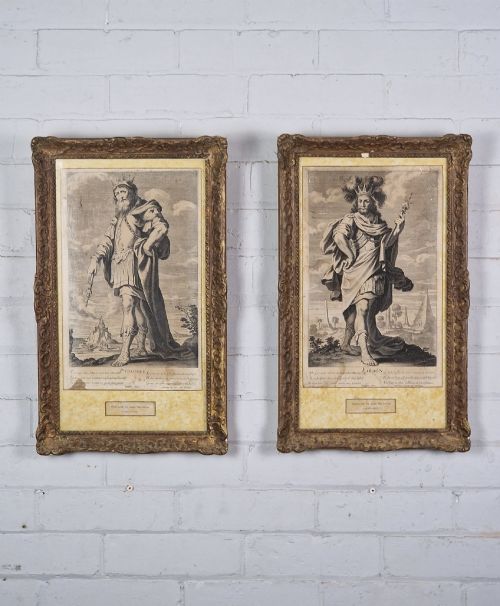
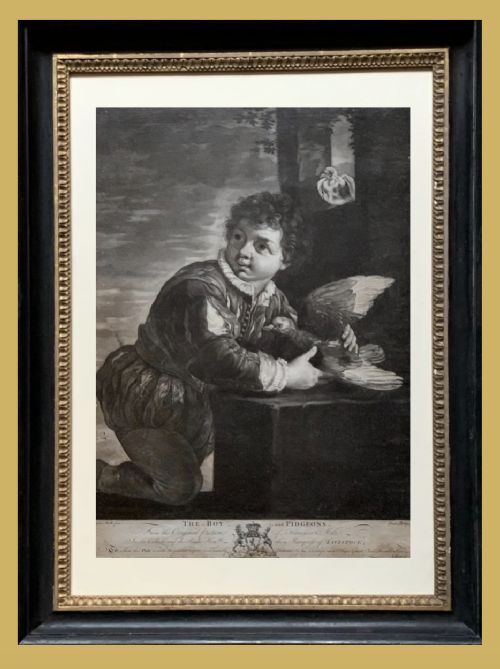
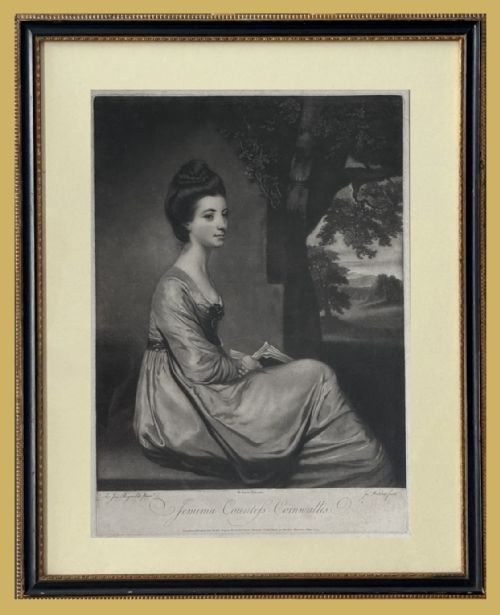
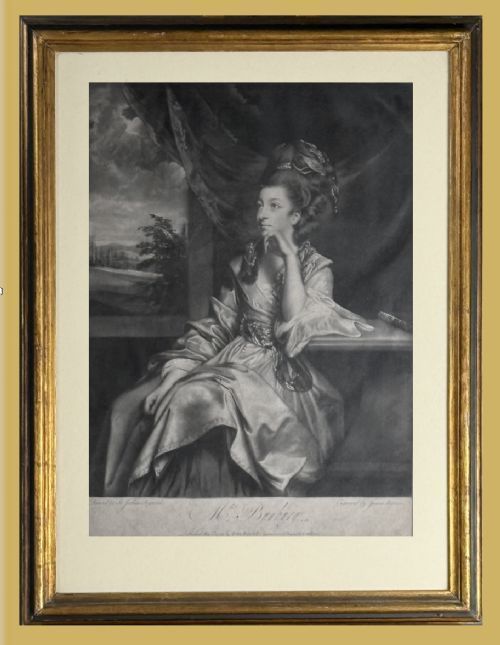
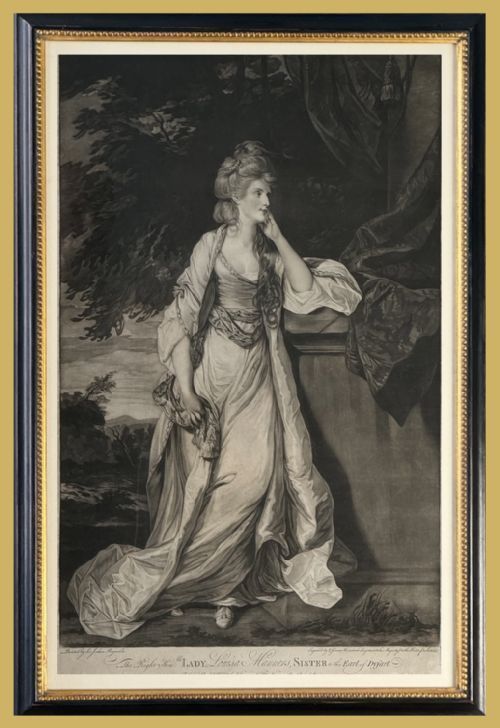
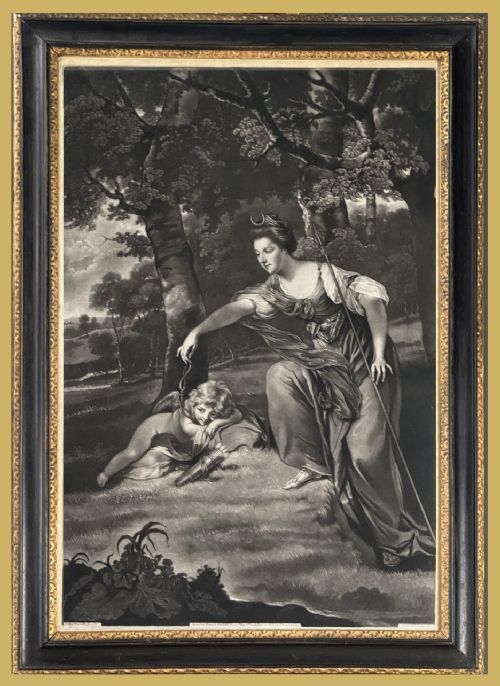
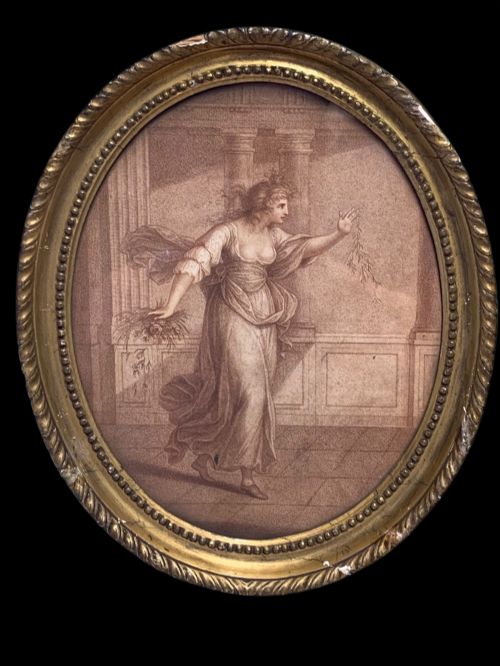
A classical wall engraving typically presents framed prints, etchings and mezzotints rooted in neoclassical, Georgian and Victorian styles. The pieces range from 17th-century mythological subjects to 19th-century Grand Tour plates and architectural orders.
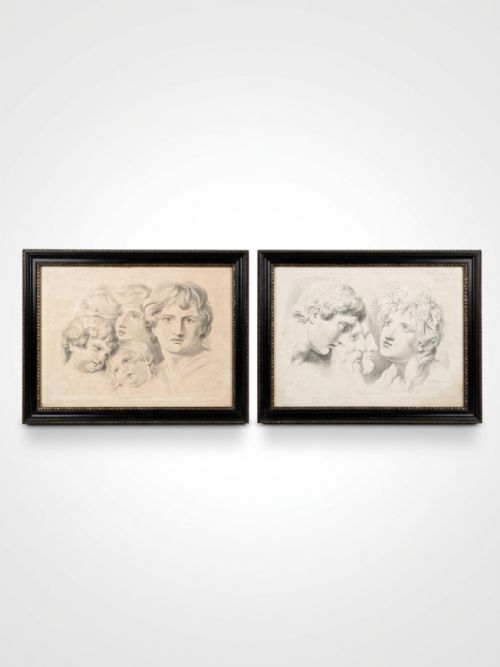
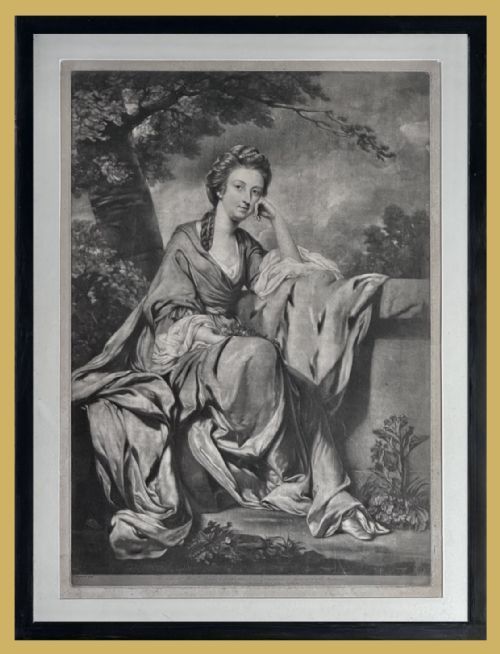
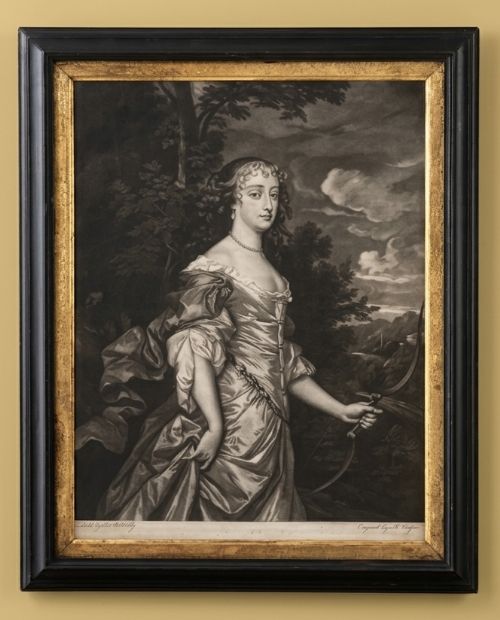
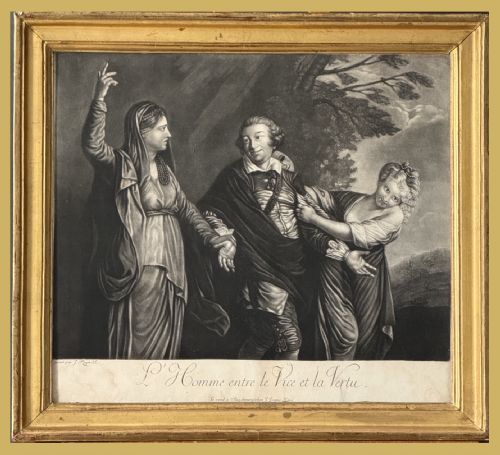
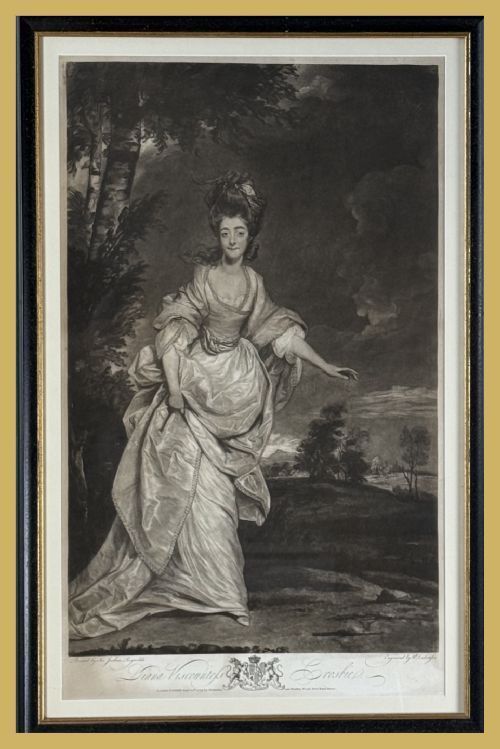
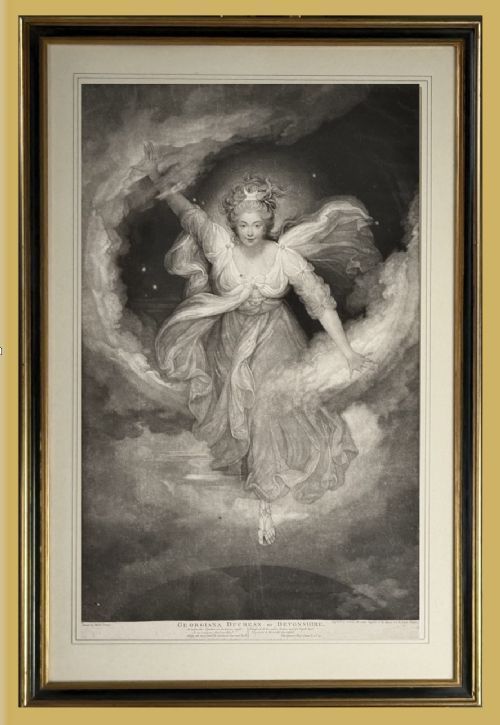
Buyers encounter framed artworks depicting portraits of nobility, theatrical scenes and allegorical compositions after prominent painters. The selection frequently includes copperplate engravings and hand-coloured prints housed behind glass in period surrounds.
Works on paper span multiple centuries, reflecting shifts in printmaking technology from early copperplate methods to later Victorian reproductions. These framed pieces function as traditional wall art designed for domestic display.
Materials and Techniques
Makers utilised paper sheets prepared with ink for the primary image, often applying hand-colouring or sepia washes by hand. These prints were secured within timber frames, frequently enhanced with gold leaf, gilt or giltwood finishes.
The printmaking process relied on copper plates incised with burins or etched with acid to hold the ink under pressure. Glazing protected the delicate paper surface from atmospheric moisture and dust within the domestic interior.
Classical Wall Engraving Retail Price Guide 2026
Typical asking prices for classical wall engraving among the pieces listed under this phrase on Sellingantiques today, from the lower quarter to the upper quarter. They describe what is for sale here now, not the wider market.
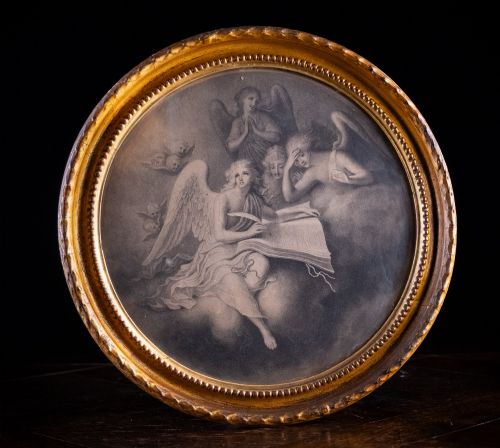
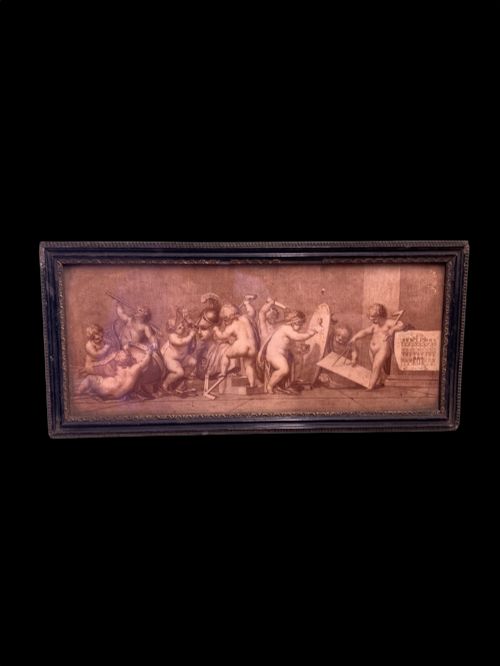
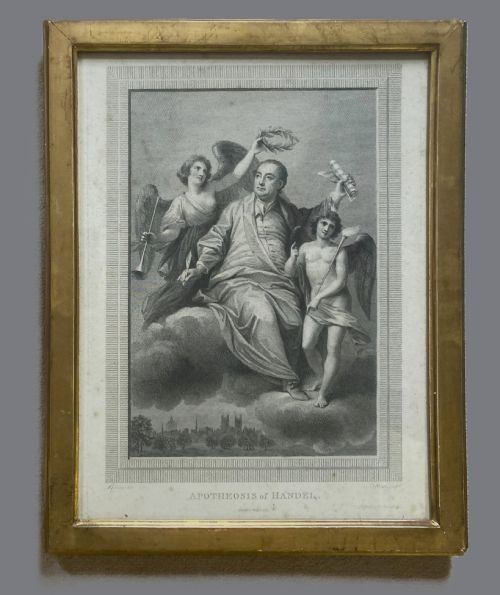
Cupids, weeping angels and poetic scenes remind us that past centuries enjoyed a healthy dose of dramatic romance on their walls.
Assessing Quality and Execution
Print clarity and depth of impression distinguish the quality of an engraving, as worn plates yield softer, less defined lines. Strong impressions retain the fine hatching and tonal gradations intended by the original printmaker.
The material integrity of the framing contributes significantly to the piece, with original gilt wood surrounds holding distinct historic interest over later replacements. Paper condition, minimal foxing and clean margins preserve the visual balance of the artwork.
Thomas Watson·John Boydell·Edward Fisher·James Watson·Valentine Green
The Classical Wall Engraving Glossary
- Mezzotint
- A printmaking process where the copper plate is roughened to produce dark backgrounds and subtle tonal gradations. This technique allows for smooth transitions of light and shadow, popular in portraiture.
- Etching
- A method where lines are bitten into a metal plate using acid rather than direct incision with a tool. Artists apply a protective ground to the plate, draw through it, and expose the metal to acid baths.
- Copperplate
- A flat sheet of copper used as the matrix for engraving or etching lines that hold printing ink. These plates permit high levels of fine detail before the metal wears down from repeated press usage.
- Grand Tour
- The traditional overseas journey undertaken by European nobility to study classical art and architecture. Souvenirs from these travels frequently included architectural plates and classical engravings.
Classical Wall Engraving: Frequently Asked Questions
What is a classical wall engraving?
A classical wall engraving is an antique print on paper, produced via techniques such as mezzotint or etching, depicting historical, mythological or architectural subjects. These works reflect neoclassical tastes and academic traditions from the seventeenth to the nineteenth centuries.
Framed behind glass, these pieces served as educated decoration in historic homes. They encapsulate the visual culture and artistic preferences of Georgian and Victorian collectors.
How were these engravings framed originally?
Period framers housed these prints in timber mouldings finished with gold leaf, gilt or simple wooden surrounds. Glazing was added to protect the fragile paper substrate from soot, smoke and handling.
Many pieces retain their original frames, which provide contextual clues to their age and decorative status. The combination of period paper and original framing preserves the historical integrity of the artwork.
What subjects appear on these prints?
The imagery draws heavily on classical mythology, theatrical portraits, architectural orders and allegorical narratives. Subjects often replicate paintings by master artists or record antiquities encountered during continental travels.
Engravings of literary scenes, historical events and equestrian studies also feature prominently. Each subject reflects the educational and aesthetic priorities of the period in which it was published.
How do I care for antique paper art?
Antique engravings require stable environmental conditions away from direct sunlight to prevent paper degradation and fading ink. Maintaining moderate humidity levels protects both the paper substrate and the wooden frame from warping.
Displaying these works out of harsh light preserves the integrity of hand-colouring and sepia tones. Avoid placing framed prints near heat sources or in damp spaces.