

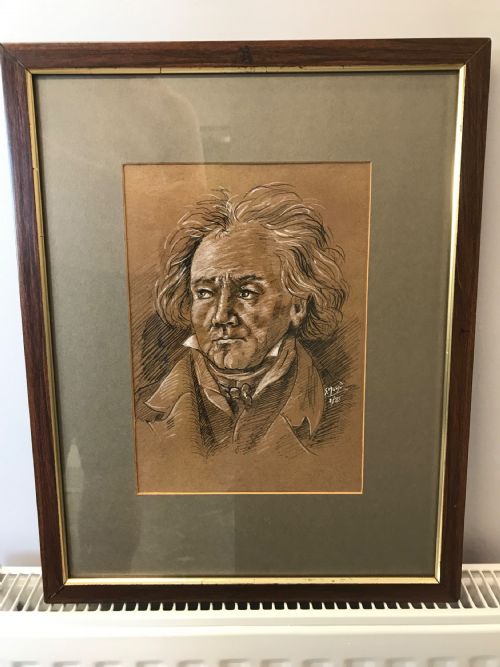


Classical Wall Decor
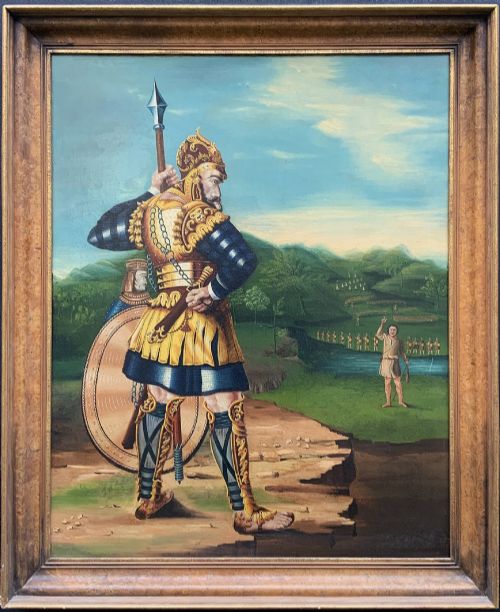
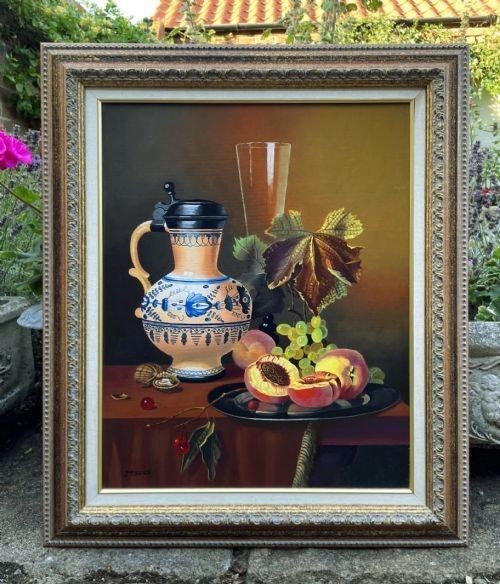
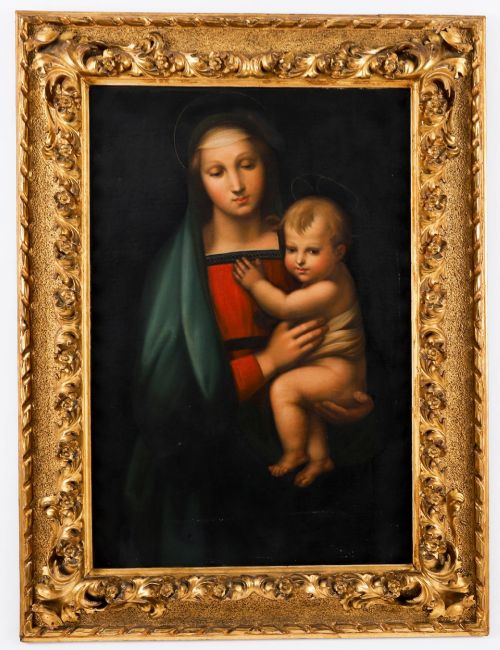
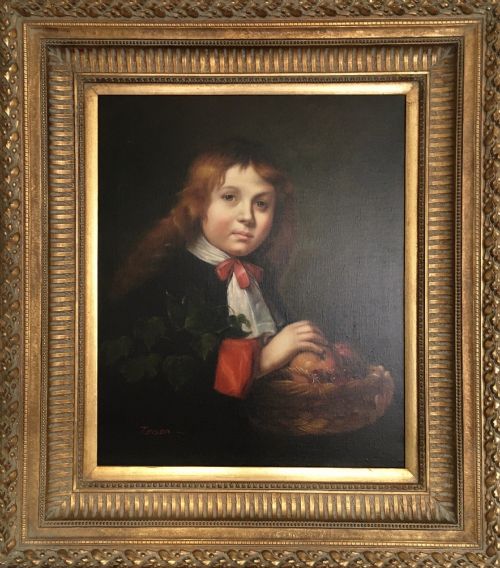
Classical wall decor encompasses oil paintings, carved wooden panels, plaster friezes and framed intaglios that bring historical subjects and traditional motifs into domestic interiors.
Classical Wall Decor
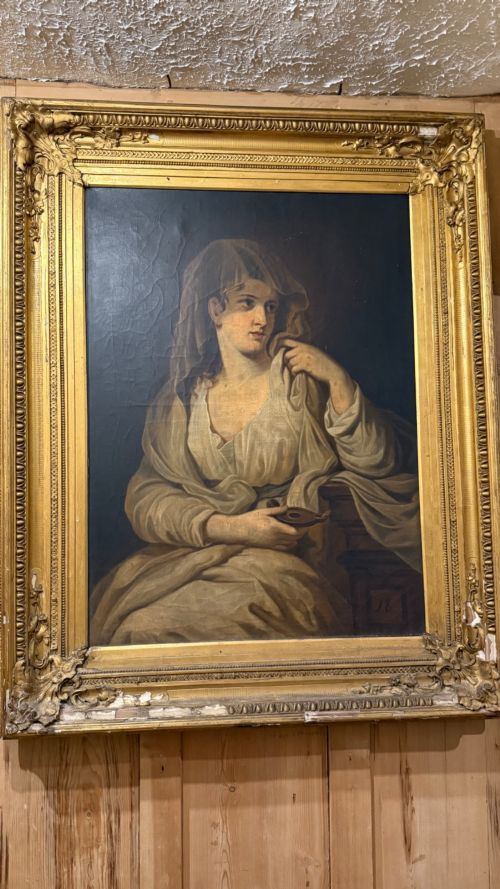
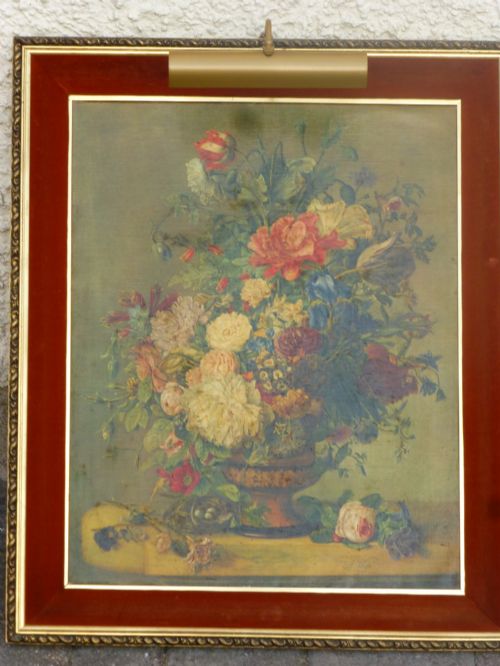
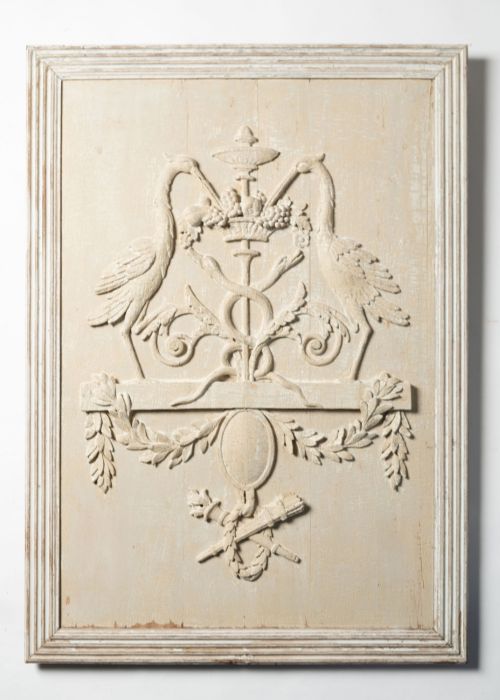
Classical wall decor comprises oil paintings, framed prints, carved wooden panels, and plaster plaques spanning multiple centuries.
The objects frequently depict mythological figures, classical portraits, and architectural reliefs referencing ancient Greece and Rome.
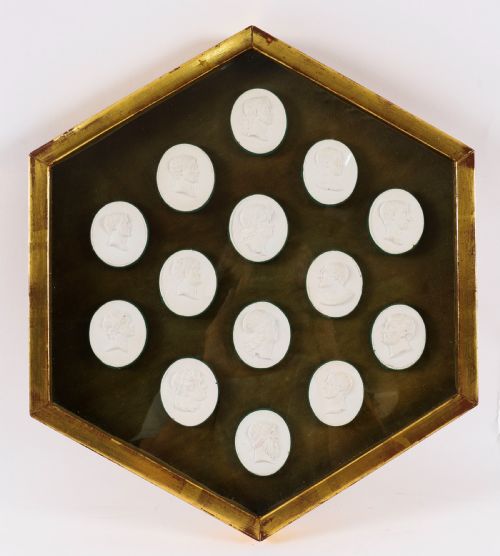
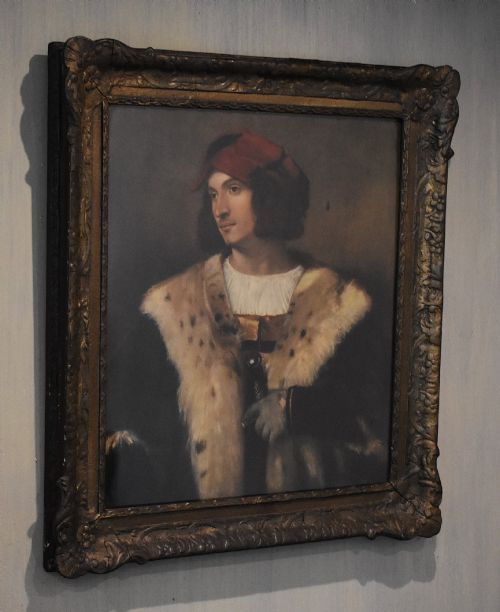
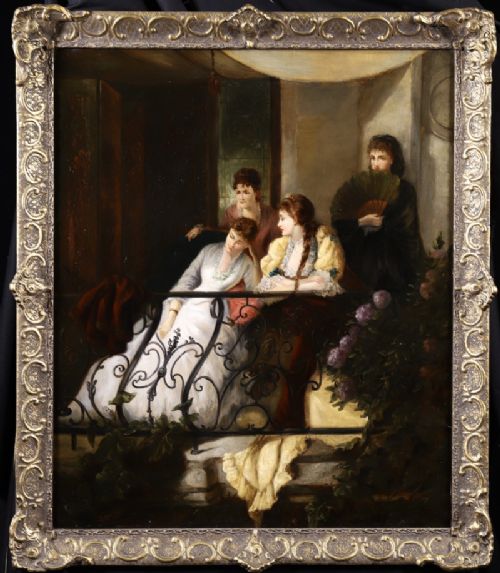
Buyers encounter 18th-century carved walnut panels, 19th-century oil paintings, and Grand Tour intaglios alongside later reproductions.
How they were made
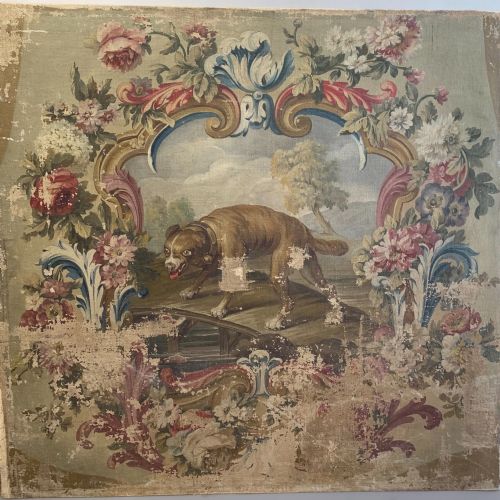
Makers utilised traditional mediums including oil paint on canvas, carved wood, plaster, and paper prints.
Surfaces often incorporated gold leaf, ebonised finishes, and detailed hand-carving on walnut, mahogany, and other timbers.
Classical Wall Decor Retail Price Guide 2026
Typical asking prices for classical wall decor among the pieces listed under this phrase on Sellingantiques today, from the lower quarter to the upper quarter. They describe what is for sale here now, not the wider market.
What varies in quality
Quality depends upon the precision of the carving, the finesse of the brushwork in oil paintings, and the clarity of detail in plaster casts and intaglios.
Earlier pieces from the 18th and 19th centuries demonstrate superior depth and hand-finished execution compared to later mechanical reproductions.
Carlhian and Corbiere·Jan Evert Morel·K and K Hof Atelier Pietzner·Giovanni Liberotti
The Classical Wall Decor Glossary
- Intaglio
- A gem or stone carved with a design that sits below the surface, popular as Grand Tour souvenirs in the 19th century.
- Oleograph
- A type of chromolithographic print textured to imitate the surface and brushstrokes of an oil painting.
- Frieze
- A long, narrow band of sculpture or decoration adorning a wall or architectural element.
- Neoclassical
- A style reviving the decorative and structural traditions of ancient Greece and Rome, prominent from the 18th century onward.
Classical Wall Decor: Frequently Asked Questions
What periods do these pieces span?
The items range from the 17th century through the Victorian era up to the mid-20th century.
Most examples originate from the 18th and 19th centuries, reflecting revivalist movements and Grand Tour collecting.
How were plaster friezes used?
Large plaster casts and wall friezes were designed to ornament domestic interiors with classical architectural details.
They often replicated ancient sculptures or architectural elements to project an aura of classical learning.
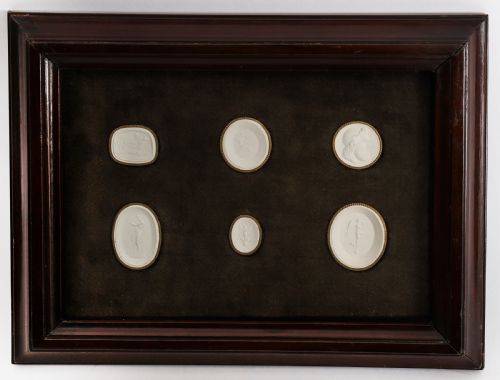
What is a Grand Tour intaglio collection?
Grand Tour intaglios are collections of carved stone or glass impressions gathered by travellers visiting classical sites in Italy.
Mounted in framed display cases, they served as educational mementos of classical art and history.
How do I distinguish an oil painting from an oleograph?
Oil paintings feature visible brush texture and pigment applied directly to canvas or wood panels.
Oleographs are printed reproductions that carry an artificial mechanical texture pressed onto the surface.