
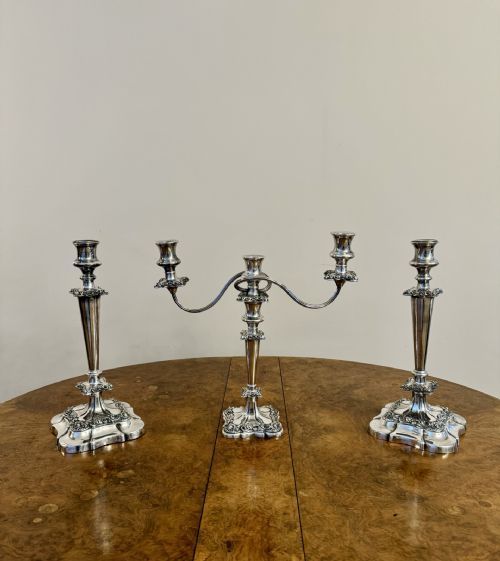


Classical Table Centrepiece
A classical table centrepiece commands the middle of a dining room with bronze, silver plate, and marble presence.
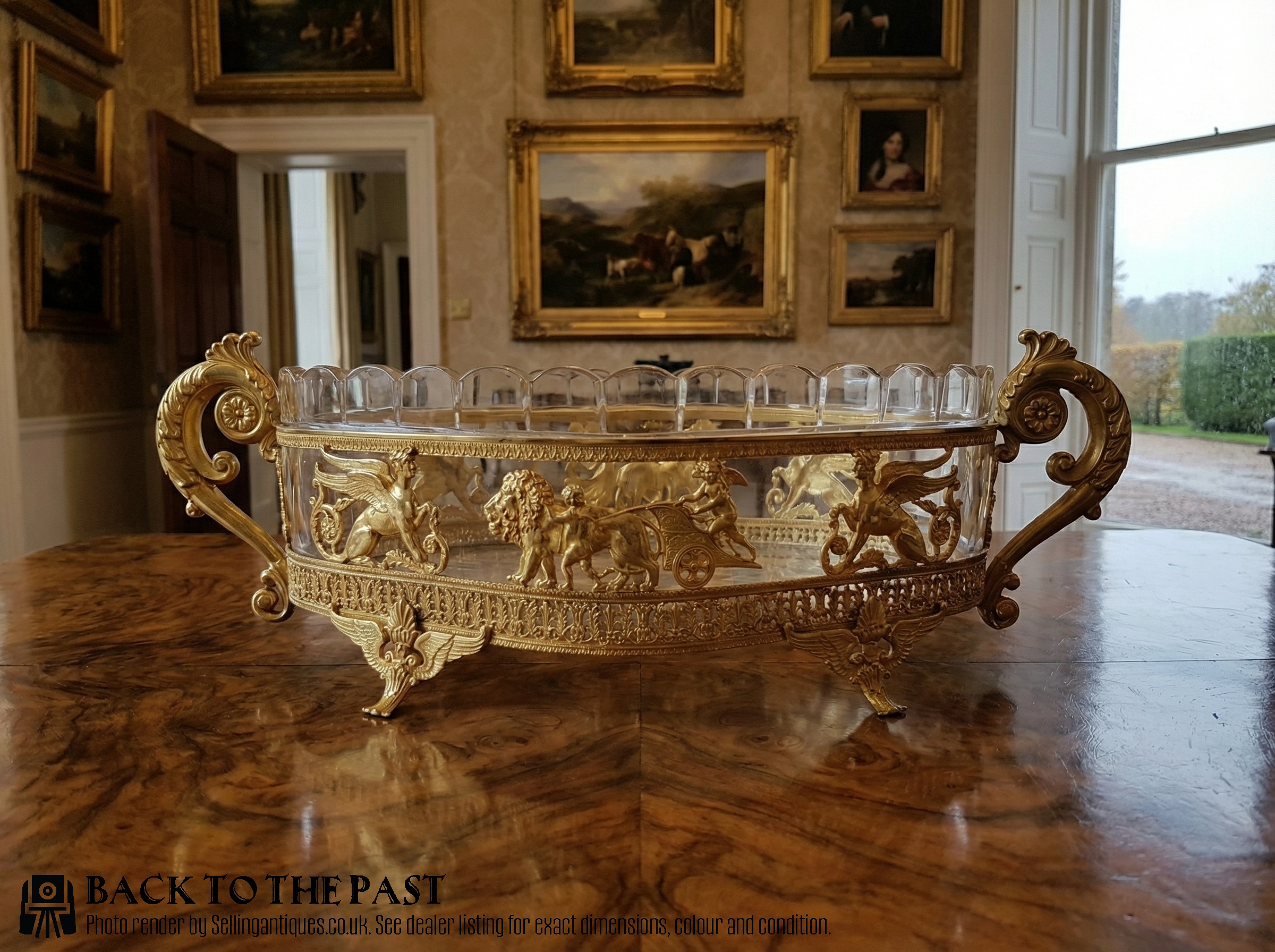
Classical Table Centrepiece
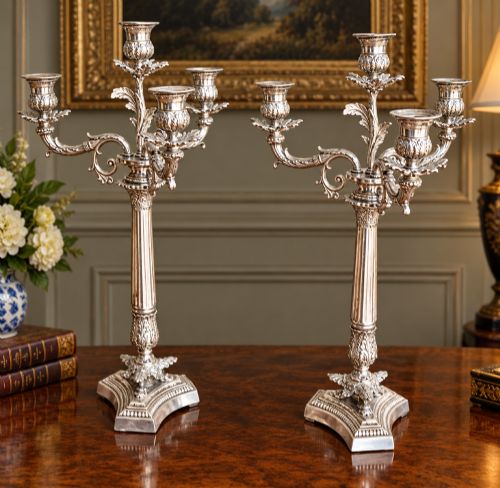
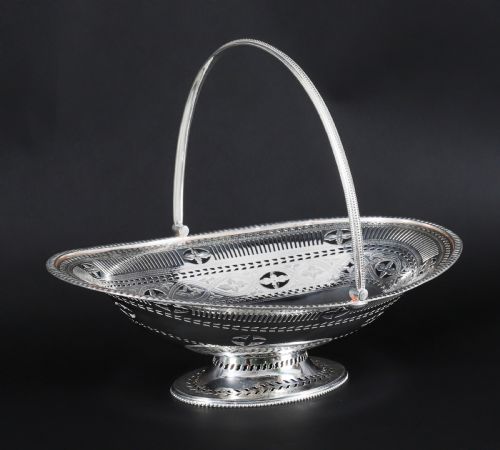
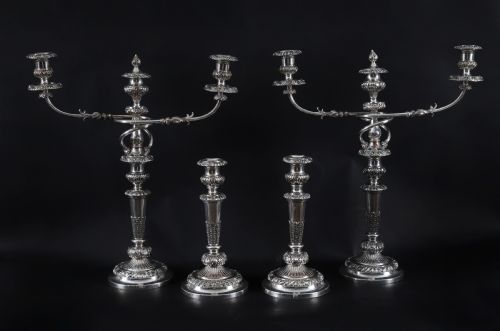
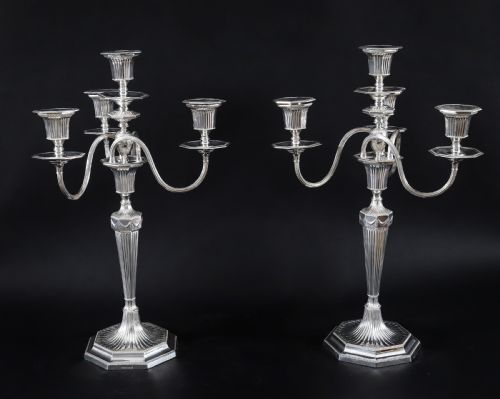
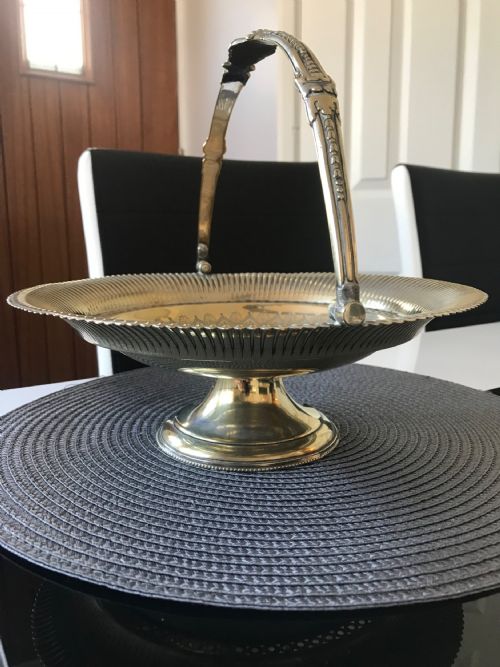
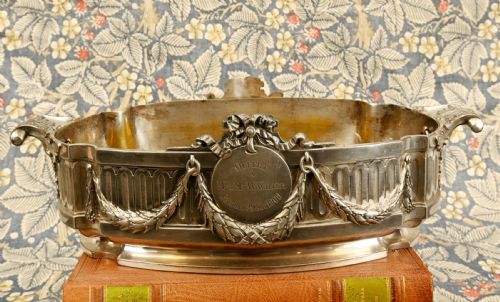
A classical table centrepiece brings sculptural height and heavy metal weight to a dining table or sideboard. When you search for a classical table centrepiece, you encounter silver plate, gilt bronze, and brass configured as candelabra, fruit baskets, jardiniere bowls, and tazzas.
The pieces appearing here span the eighteenth century, the nineteenth century, and the Edwardian era, drawing on French Empire, George III, and Victorian Neoclassical styles. You meet candelabra with multiple branches alongside decorative baskets and monumental planters.
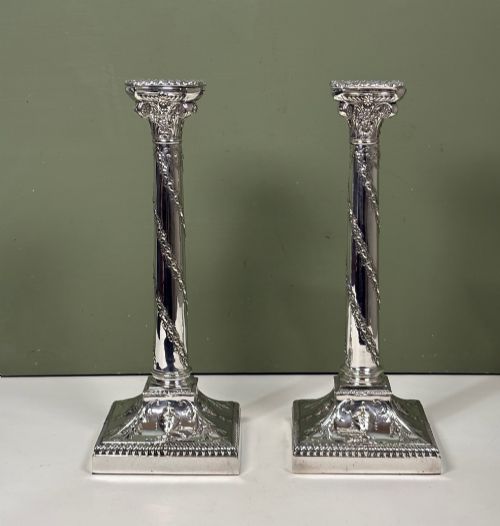
Victorian silver plate and French bronze dominate the selection, often taking the form of campana wine coolers, figural candlesticks, and column supports. Each object serves to anchor a formal setting through traditional metalwork.
How they were made
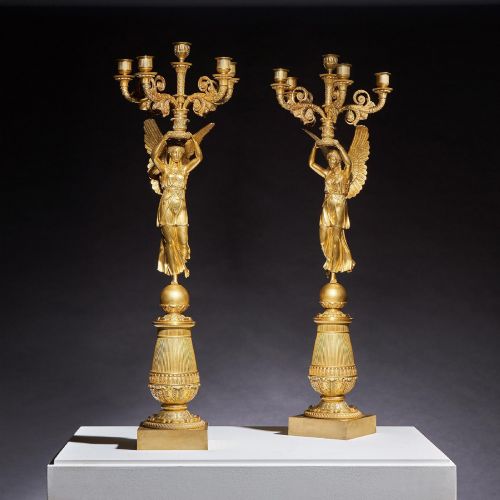
Silversmiths and bronze founders utilised silver plate, Old Sheffield Plate, gilt bronze, ormolu, and brass over copper or base metals. Many items combine cast bronze figures or puttis with marble bases and cut glass bowls.
Manufacturers applied heavy silver plating techniques, such as Old Sheffield Plate fusion and Victorian electroplating, to create durable metallic surfaces. Candelabra structures screw together from modular cast components, supporting multi-light branches and removable nozzles.
Listings feature items spanning the eighteenth century through to the Edwardian period, uniting silver plate, bronze, marble, and brass.
What varies in quality
The distinction between ordinary production and superior craftsmanship lies in the crispness of the cast ornamentation and the weight of the metal. Finer examples display deeply chased acanthus leaves, sharp Neoclassical drapery, and substantial silver plate layers over the underlying copper.
Attribution to known makers or documented workshops elevates a piece, as seen in works associated with Pierre Philippe Thomire, Elkington, Hawksworth Eyre, and John Pound. The structural integrity of multi-branch candelabra and the quality of associated marble or cut glass elements determine overall desirability.
Pierre Philippe Thomire·Hawksworth Eyre·Lerolle Fres·John Pound & Co·Elkington
The Classical Table Centrepiece Glossary
- Old Sheffield Plate
- A method of fusing a thin sheet of silver to a thicker copper core by heat and pressure. This technique produces rich patination and durable edges.
- Gilt Bronze
- Bronze metal coated with a layer of gold through mercury amalgamation or electrogilding. It provides a permanent golden sheen that resists tarnishing.
- Ormolu
- French term for ground gold applied to bronze objects. It denotes high-status decorative metalwork found on French Empire and Napoleon III items.
- Tazza
- A shallow saucer-like dish mounted on a stem and foot. Used historically for serving fruit or displaying small objects on a table.
- Campana
- An inverted bell-shaped vessel form derived from classical antiquity. Often utilised for wine coolers and garnitures.
Classical Table Centrepiece: Frequently Asked Questions
What is a classical table centrepiece used for?
These large objects anchor the middle of a dining table or sideboard during formal meals. They hold fruit, floral arrangements, or multiple candles to illuminate gatherings.
Heavier versions incorporate jardiniere bowls or wine coolers designed to hold water and botanicals or cool bottles during dining.
How do I clean silver plated items?
Silver plate requires gentle treatment with specialist silver cloth or non-abrasive liquid polish to preserve the underlying metal. Avoid harsh scrubbing that can wear through thin plating layers.
For pieces with applied gilt bronze or ormolu highlights, keep moisture and polishes away from the gold surfaces to prevent permanent dulling.
How can I tell Old Sheffield Plate from Victorian silver plate?
Old Sheffield Plate reveals thin lines of copper showing through along high wear points where the fused silver sheet has worn down. This technique belongs to the eighteenth and early nineteenth centuries.
Victorian silver plate utilises electroplating processes, resulting in an even metallic coating that covers the base metal uniformly without edge bleeding.
Where were these pieces made?
The listings include substantial domestic manufacturing from English workshops in Sheffield and London, alongside continental production from France.
French pieces frequently reflect Empire and Napoleon III aesthetic movements, while English items demonstrate George III and Victorian Neoclassical tastes.