
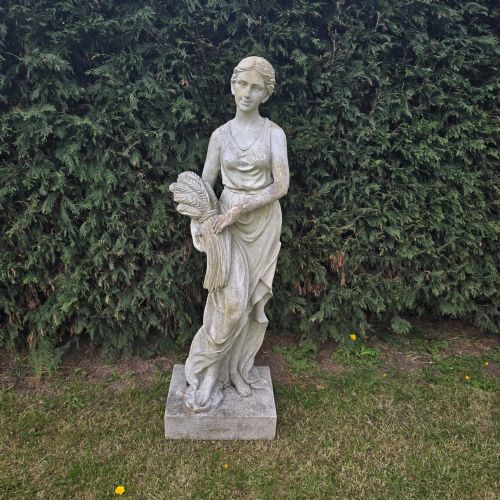
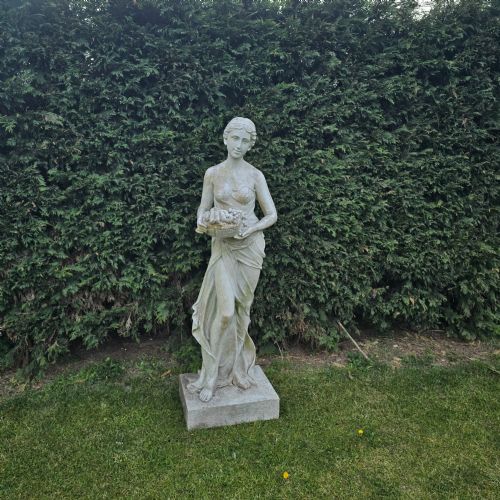


Classical Stone Garden Figure
A classical stone garden figure brings historic presence to a terrace or lawn, shaped from carved marble or cast composition to echo antiquity.
Classical Stone Garden Figure
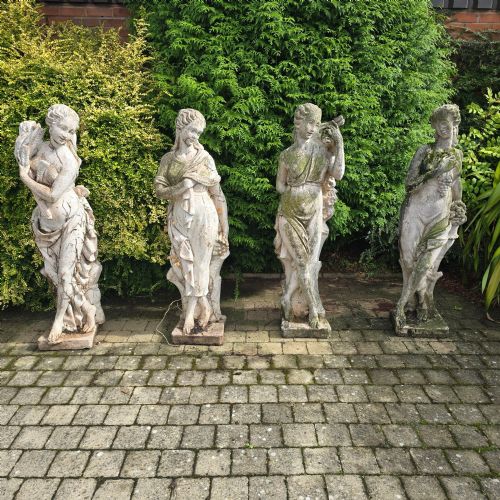
When you search for a classical stone garden figure, you encounter sculptural works that draw directly upon ancient iconography, ranging from mythological deities to guardian animals. The pieces on this page span the nineteenth century through the mid-twentieth century, capturing enduring neoclassical tastes in outdoor decoration.
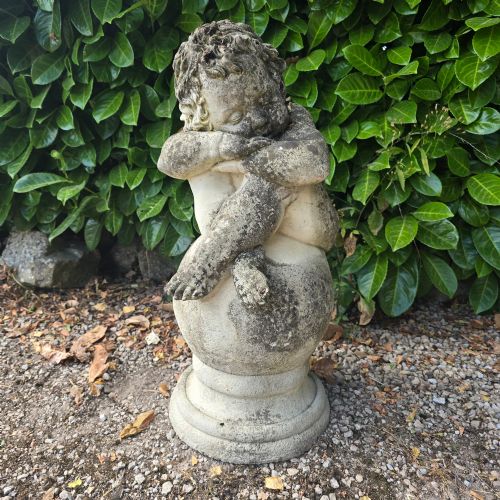
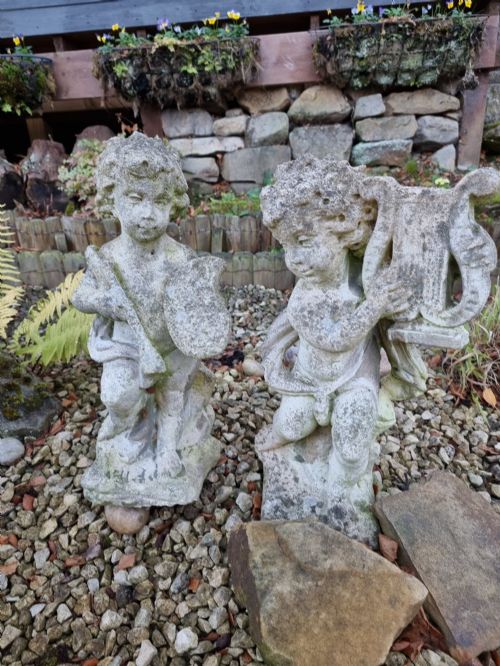
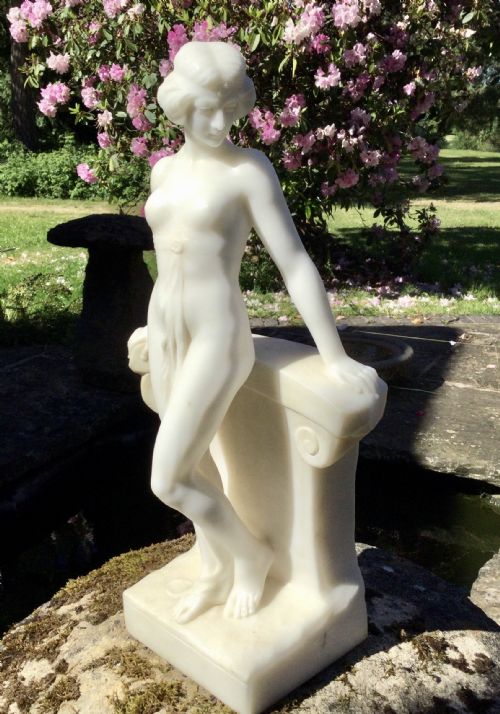
The most common forms you meet here are allegorical representations of the seasons, cherubs, and classical maidens, often displayed upon stone plinths. Lions frequently appear as paired guardians, while figures such as Venus or Venus de Milo bring traditional sculptural themes directly into garden settings.
How they were made
Makers shaped these garden ornaments using two distinct traditions, utilising hand-carved solid marble alongside cast compositions like reconstituted stone, cast stone, and concrete. Carved pieces rely on traditional masonry tools applied to blocks of marble, achieving crisp drapery and anatomical definition.
The periods represented stretch from the nineteenth century through the 1950s, encompassing various neoclassical revival styles.
What varies in quality
The distinction between ordinary and superior pieces rests upon the precision of the modelling and the depth of the carving or casting. Finer examples display subtle transitions in facial expression and natural folds in garments, whereas simpler works remain static and blocky.
Surface weathering also dictates visual success, as decades of exposure soften harsh lines and develop rich lichen patinas. Pieces that have aged outdoors acquire a depth of texture that mechanical ageing processes fail to replicate.
The Classical Stone Garden Figure Glossary
- Reconstituted stone
- A durable material made from crushed stone or aggregates mixed with a binder to form durable garden ornaments. It allows workshops to cast complex classical shapes efficiently.
- Plinth
- A heavy base or pedestal that elevates a garden statue above the ground level. Statues mounted on plinths gain greater presence in a landscape layout.
- Neoclassical
- A style originating in the eighteenth century that revives the classical aesthetics of ancient Greece and Rome. This influence appears strongly in the draped garments and heroic postures of these figures.
- Grand Tour
- A traditional journey through continental Europe undertaken by upper-class young men in the eighteenth and nineteenth centuries to study classical art. Souvenirs from these travels frequently included smaller marble sculptures and busts.
- Patina
- The surface texture and colour developed by stone and marble through age and exposure to the elements. Natural weathering creates a desirable aged appearance on garden figures.
Classical Stone Garden Figure: Frequently Asked Questions
Can these garden figures stay outside all winter?
Most of these stone and marble pieces tolerate outdoor conditions well, having spent decades exposed to weather. However, severe frost can occasionally affect cast concrete or reconstituted stone if moisture penetrates hairline cracks.
To protect vulnerable pieces during freezing periods, many owners raise them slightly off damp ground or cover them during the coldest winter months.
How do I clean lichen off a stone statue?
Gentle washing with water and a soft nylon brush usually removes excessive dirt without harming the historic surface. Avoid harsh chemical cleaners or pressure washers that can strip away the weathered patina and erode the stone.
Allowing some natural weathering and lichen to remain often enhances the antique character of garden statuary.
How do I tell marble from reconstituted stone?
Carved marble displays natural crystalline veining and smooth chisel marks upon close inspection, reflecting direct hand labour. Reconstituted stone and concrete show a uniform aggregate texture throughout, sometimes revealing small mould seams.
Marble figures also feel colder to the touch and generally possess greater weight per volume than standard cast mixes.
How do I securely position a heavy garden statue?
Heavy sculptures require a level, stable foundation such as a paved terrace, compacted gravel, or a dedicated stone plinth to prevent shifting. Placing them directly on soft garden soil can lead to uneven sinking over time.
Using discreet mortar or stainless steel dowels provides additional stability for tall figures or paired lion guardians exposed to strong winds.