


Classical Seated Figure
A classical seated figure captures mythological deities and historical scholars in enduring bronze, marble, and terracotta.
Classical Seated Figure
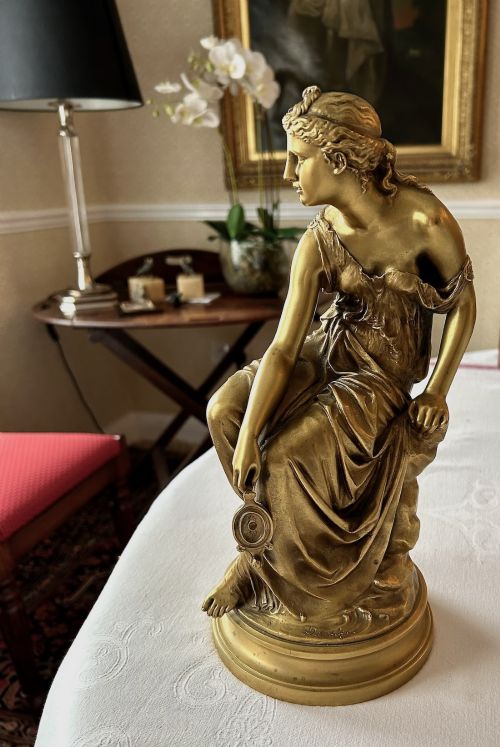
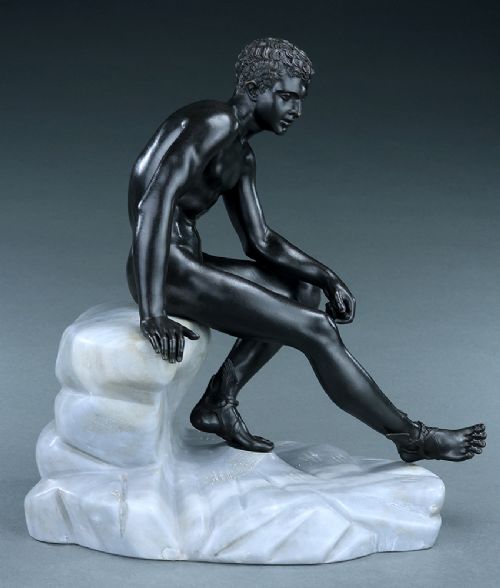
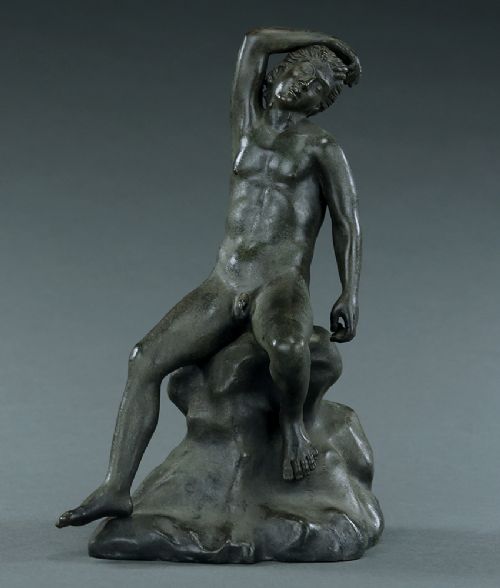
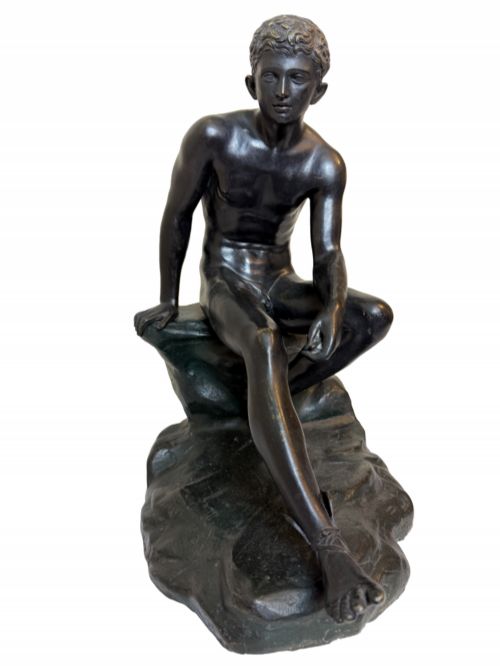
A classical seated figure represents subjects drawn from ancient mythology, history, and academic tradition in cast metal and carved stone. These works include figures of Hermes, Venus, Demeter, and anonymous maidens posed upon rocks, pedestals, or natural outcrops. You will frequently encounter nineteenth-century French and Italian bronzes alongside Grand Tour souvenirs designed to emulate antiquity.
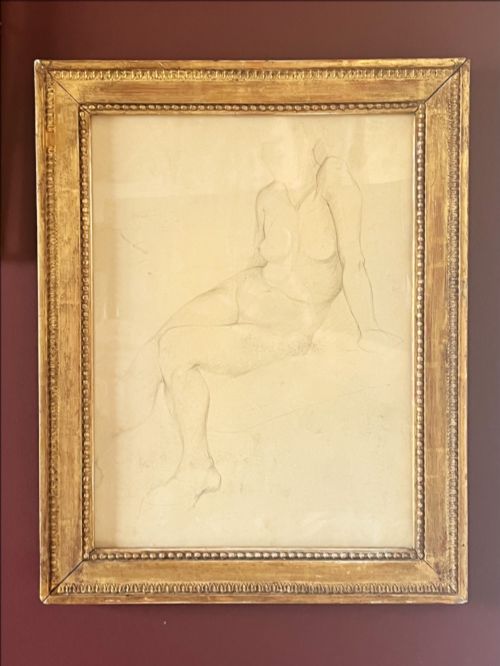
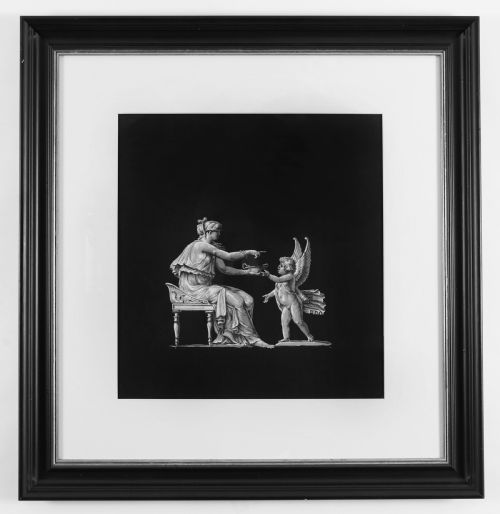
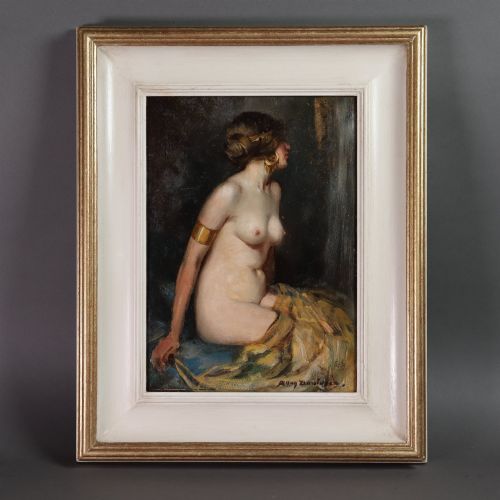
The form extends across distinct mediums beyond sculpture, appearing in framed pencil life drawings, gouache paintings, and oil on board. Subjects range from meditative philosophers and resting fauns to seated putti and romanticized literary characters. These varied interpretations reflect the enduring nineteenth-century preoccupation with classical antiquity and academic realism.
Materials and Casting Techniques
Bronze remains the primary medium, shaped through traditional casting methods and finished with varied patinas ranging from deep dark tones to bright verdigris. Founders frequently mounted these metal sculptures upon grey marble bases or inlaid wood plinths to enhance stability and visual weight.
Carved stone works utilise Italian alabaster, marble, and limewood to achieve softer translucency and detailed drapery folds. Artisans also worked in terracotta and biscuit porcelain, capturing fine surface textures in clay and ceramic bodies.
Seated fauns and meditative animals share domestic space with classical deities across the decades.
Assessing Sculptural Quality
The sophistication of the original modeler and the reputation of the foundry or artisan dictate the desirability of the piece. Fine patination and integral mounting to quality marble or stone bases further distinguish exemplary studio productions from commercial souvenirs.
Etienne-Henri Dumaige·Allan Douglas Davidson·Hector Lemaire·Zoffoli·Hans Müller·Mercié·Pierre Hebert·Auguste Renoir·P. Emilio Fiaschi·Henri Plé·Pugi
The Classical Seated Figure Glossary
- Grand Tour
- A nineteenth-century tradition where wealthy travellers collected bronze reductions of classical antiquities in Italy as cultural souvenirs. These portable statues were cast in workshops across Rome and Florence.
- Patinated Bronze
- A metal sculpture treated with chemical solutions to produce a specific surface colour and tone. This process protects the bronze and adds depth to the modelling.
- Biscuit Porcelain
- Unglazed ceramic fired to a matte, porous finish that resembles white marble. It was widely utilised for nineteenth-century figurative statuary.
- Terracotta
- Fired clay used for sculptural models and finished figures. Its warm reddish-brown hue reveals the direct touch of the modeller.
Classical Seated Figure: Frequently Asked Questions
What is a Grand Tour bronze?
A Grand Tour bronze is a nineteenth-century souvenir cast in Italy to replicate famous classical statues seen during European travels.
These pieces allowed collectors to bring ancient sculptural traditions into domestic interiors.
How do I identify a patinated bronze?
Patinated bronze displays a deliberate chemical colouration on the metal surface rather than raw metallic shine.
This finish accentuates the shadows and contours modelled by the sculptor.
Where were these classical figures displayed?
Victorian collectors placed these sculptures on library desks, mantelpieces, and dedicated pedestals.
Smaller figures often served as decorative bookends or cabinet ornaments.
What distinguishes alabaster from marble?
Alabaster is a softer, more translucent stone that allows light to penetrate slightly beneath the surface.
Marble offers a denser, harder crystalline structure suited to monumental architectural carvings.