


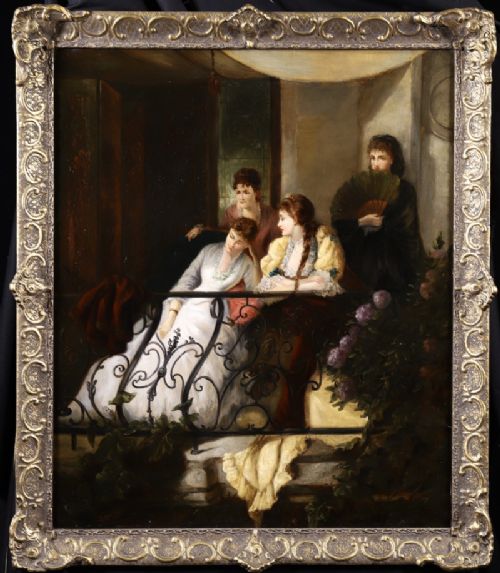


Classical Painting Decor
These pieces of classical painting decor bring history and fine brushwork into a room, offering everything from serene portraits to floral still lifes.
Classical Painting Decor
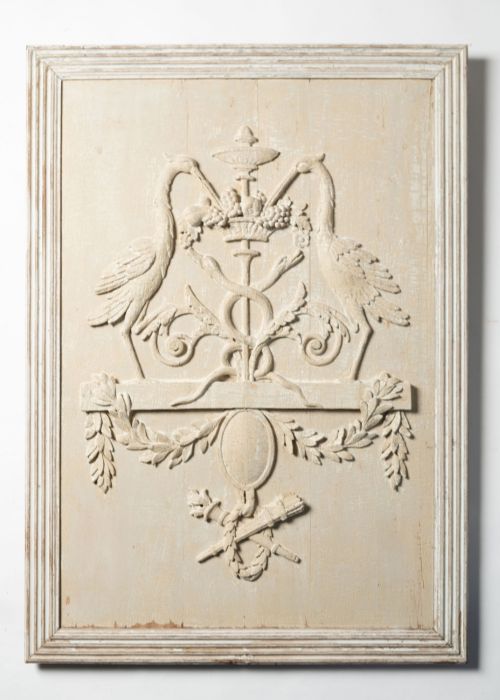
Classical painting decor encompasses oil paintings, framed prints, and carved panels that draw on historical styles and academic traditions. Pieces range from intimate portraits to large still lifes and architectural wall panels.
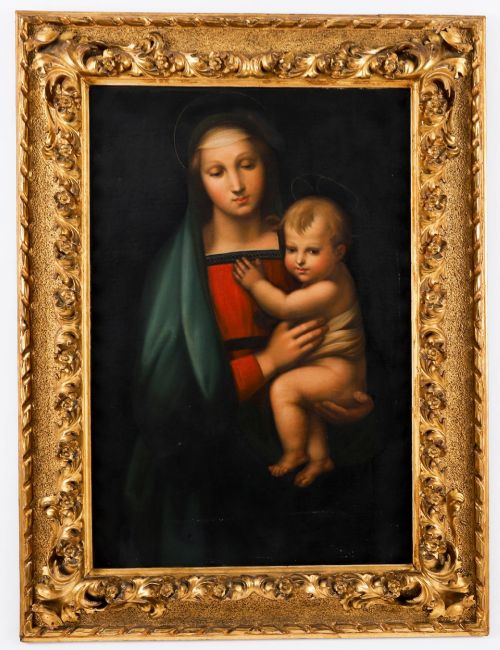
Buyers frequently encounter works spanning from the eighteenth century through to mid-twentieth-century interpretations. These include religious compositions after old masters, botanical studies, and romantic landscapes.
Wall art and framed artwork in this category serve to anchor period rooms or add traditional gravitas to contemporary interiors. The selection leans heavily toward canvas works and paper items housed in decorative frames.
Materials and technique
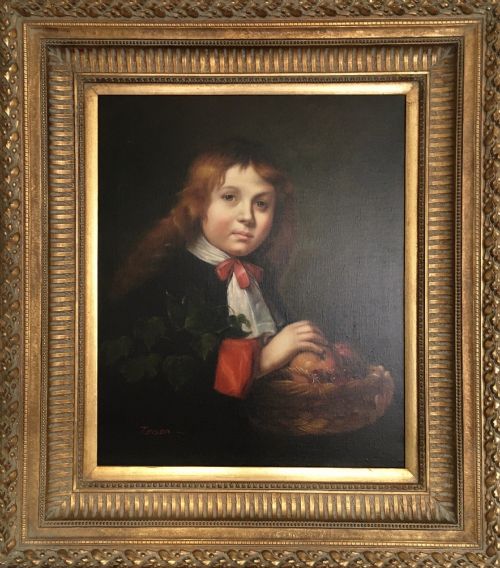
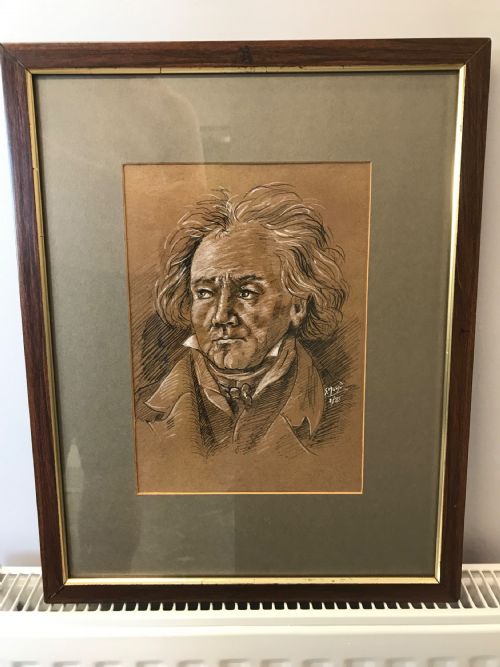
Oil paint applied to canvas remains the predominant medium, often paired with substantial gilt wood frames and gold leaf detailing. Artists also utilised paper, gouache, pen, ink wash, and mixed media for smaller portraiture and preparatory works.
Classical Painting Decor Retail Price Guide 2026
Typical asking prices for classical painting decor among the pieces listed under this phrase on Sellingantiques today, from the lower quarter to the upper quarter. They describe what is for sale here now, not the wider market.
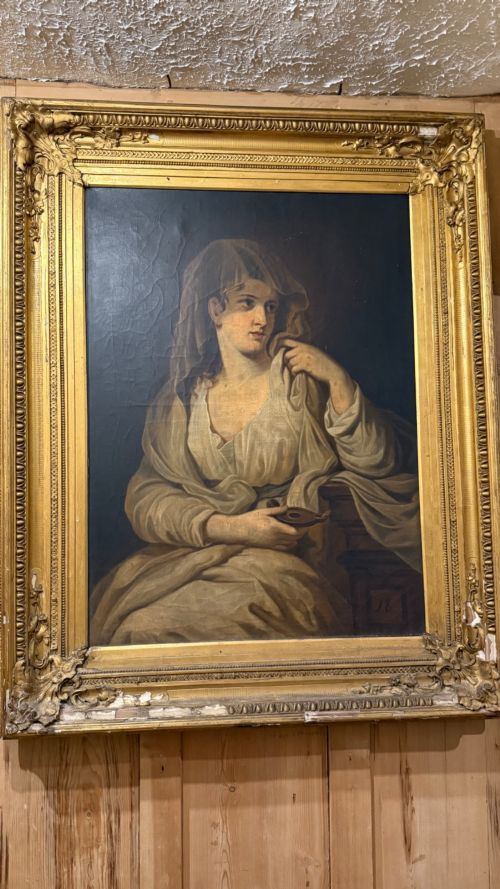
Several portraits feature subjects staring intently past the viewer at invisible drama.
Judging quality in historical works
Quality rests upon the handling of light, shadow, and proportion within the painted surface, distinguishing masterly brushwork from mechanical reproduction. Finer canvases display nuanced colour blending and confident draughtsmanship that hold the eye from a distance.
The integrity of the physical components matters equally, from the original tightness of the canvas weave to the depth and preservation of the gilt wood frame. Original backing and untouched surfaces elevate a piece far above heavily restored examples.
Jean Baptiste Isabey·Jan Evert Morel·Schweninger
The Classical Painting Decor Glossary
- Neoclassical
- A style rooted in the art and culture of ancient Greece and Rome, focusing on symmetry, solemnity, and classical subjects. It dominated European painting and architecture during the eighteenth and nineteenth centuries.
- Chrystoleum
- A photographic print rendered onto convex glass and meticulously hand-coloured with oil paints from behind. This technique created a luminous, three-dimensional effect popular during the Victorian era.
- Gouache
- An opaque water-based paint composed of pigment, water, and a binding agent such as gum arabic, often containing added chalk. It produces a flat, matte finish ideal for detailed preparatory drawings and illustrations.
- Oleograph
- A mechanical colour lithograph printed on textured paper or canvas to imitate the appearance of an oil painting. Manufacturers often applied varnish or surface texturing to enhance the illusion.
Classical Painting Decor: Frequently Asked Questions
How do I clean an oil painting?
Dust surfaces gently with a soft, dry brush to prevent particulate buildup. Avoid moisture, household cleaners, or rubbing the paint layer.
Professional conservators should handle deeper cleaning or varnish removal. Improper liquids can permanently dissolve historical pigments.
Are these paintings original works?
The selection includes a mix of original hand-painted oils, period watercolours, and later commemorative reproductions like chrystoleums. Each listing specifies the exact medium and whether the piece is an original composition or after a master.
Examining the canvas texture and paint application under magnification reveals the hand of the artist. Close inspection distinguishes unique brushstrokes from printed dots.
How should I hang heavy gilt frames?
Secure heavy wooden frames directly into wall studs using appropriate steel picture hooks rated for the weight. Ensure the hanging wire and D-rings are robust and securely fastened to the frame sides.
Position pieces away from direct sunlight and heat sources to protect the canvas and wood. Stable room temperatures prevent the wooden panel or stretcher from warping.
What defines Dutch still life style?
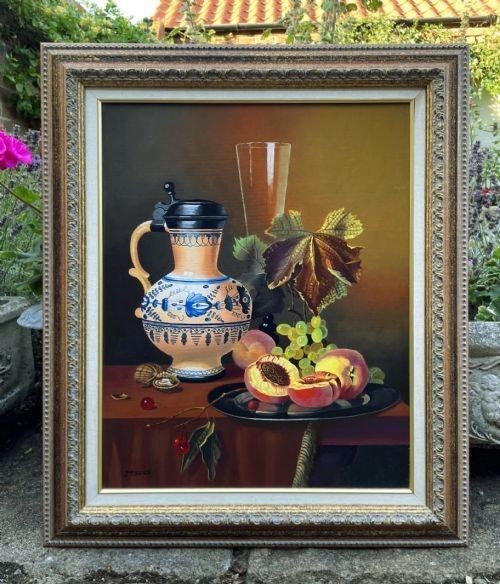
This style emphasises meticulous detail, dark backgrounds, and symbolic arrangements of flora, fauna, and household objects. Artists focused on capturing texture, reflection, and the fleeting nature of material wealth.
Compositional balance and rich colour palettes characterise these works. They bring a moody, scholarly atmosphere to domestic spaces.