





Classical Mythology Oil Painting
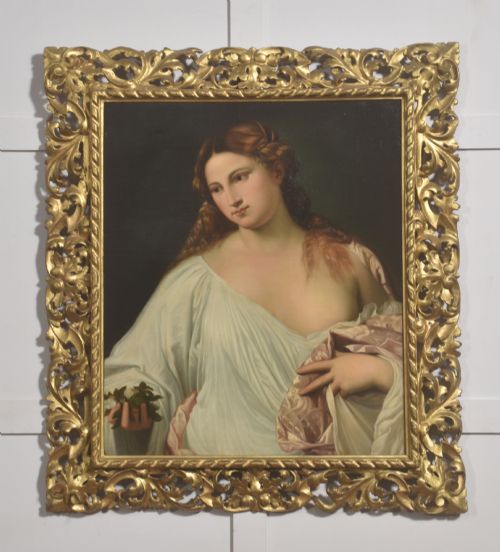
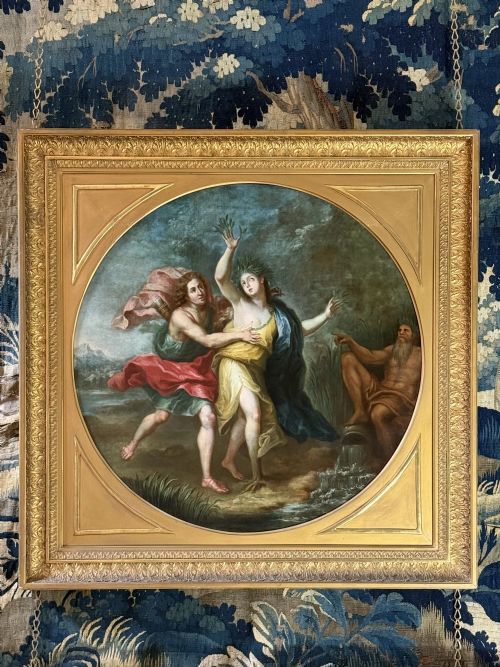
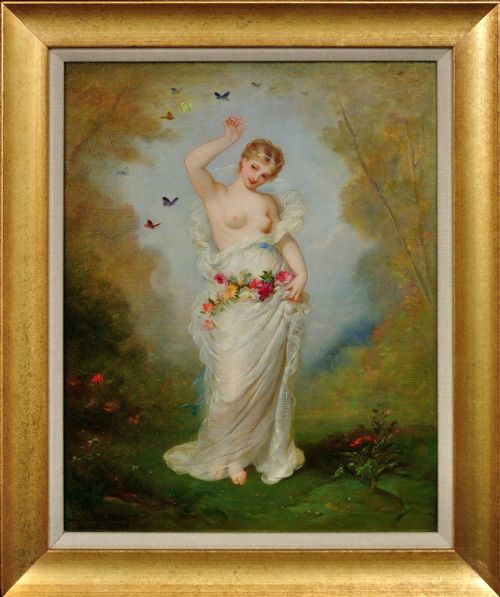
These classical mythology oil painting examples bring grand European narratives into your rooms through centuries of canvas work.
Classical Mythology Oil Painting
A classical mythology oil painting depicts figures and stories drawn from ancient Greek and Roman legends, ranging from deities like Venus and Apollo to dramatic episodes involving nymphs, satyrs, and legendary heroes. When you search this phrase, you encounter works that span several centuries, capturing deities and mythological narratives across European schools.
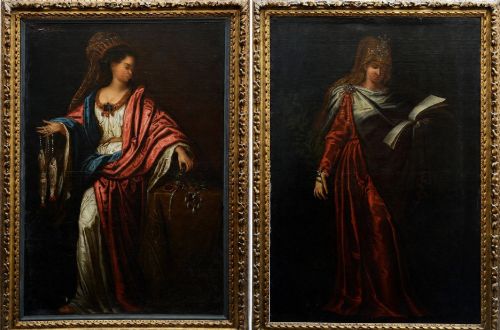
The pieces on this page lean heavily towards eighteenth-century French compositions and nineteenth-century academic interpretations, alongside twentieth-century British realism depictions of figures such as Pan. You find subjects depicted in framed formats, including pairs of canvases and large-scale allegorical representations.
Originating from French, Italian, and English traditions, these works showcase how different European schools adapted classical themes over time. The subjects stretch from divine romances and sleeping goddesses to woodland deities playing instruments in pastoral settings.
What varies in quality
Quality rests in the handling of anatomy, the expressive depth given to mythological figures, and the finesse of the brushwork across the canvas. Superior examples display confident draughtsmanship in complex groupings, such as multiple figures interacting in a narrative landscape.
The integration between the painted surface and the original frame influences the overall standing of a piece. Finer works maintain strong compositional balance and coherent spatial depth, reflecting the rigorous training of academic and continental schools.
Classical Mythology Oil Painting Retail Price Guide 2026
Typical asking prices for classical mythology oil painting among the pieces listed under this phrase on Sellingantiques today, from the lower quarter to the upper quarter. They describe what is for sale here now, not the wider market.
Pan occasionally stops playing his pipes just long enough to let a twentieth-century spectator admire his woodland companions.
Charles-Antoine Coypel·Margaret Maitland Howard·André Charles Voillemot·Antoine Calbet·Jean Baptiste Isabey·Francesco Albani·Peter Paul Rubens
The Classical Mythology Oil Painting Glossary
- Oil on canvas
- A painting technique where pigment suspended in drying oil is applied to a woven fabric support. This method allows for subtle blending and rich tonal gradations.
- Gilt wood frame
- A wooden structure covered with a thin layer of gold leaf or gilt finish. These frames often feature elaborate moulding suited to classical and baroque aesthetics.
- French Academic style
- A painting approach governed by the rules of nineteenth-century French academies, prioritising classical subjects, polished finishes, and precise anatomical study.
- Allegorical painting
- Artwork in which visual elements symbolize broader abstract ideas, moral lessons, or mythological narratives rather than straightforward portraits.
Classical Mythology Oil Painting: Frequently Asked Questions
How do I identify the myth in a painting?
Look for specific attributes carried by the figures, such as musical pipes for Pan or cherubs accompanying Venus. These visual symbols connect directly to well-known classical stories.
Matching the narrative details with traditional iconography helps clarify whether the scene depicts a specific deity, metamorphosis, or legendary encounter from ancient literature.
Are these paintings usually framed?
Most works appear within period surrounds, often constructed from wood and finished with gilt leaf. These surrounds complement the theatrical nature of mythological subjects.
Original or period-appropriate frames contribute significantly to the historical integrity and visual impact of the canvas.
What periods do these paintings cover?
The selection encompasses eighteenth-century works influenced by baroque and rococo traditions, alongside nineteenth-century academic pieces and twentieth-century interpretations.
Each period brings distinct stylistic approaches to depicting classical figures, reflecting the shifting tastes of European art schools over time.
How should I care for an oil painting?
Keep the canvas away from direct sunlight and damp environments to protect the oil pigments and the underlying fabric. Stable indoor temperatures prevent warping in both the canvas and its wooden frame.
Dust the surface gently with a soft, dry brush and avoid applying liquid cleaners directly to the painted or gilded areas.