

Classical Mythology Figure
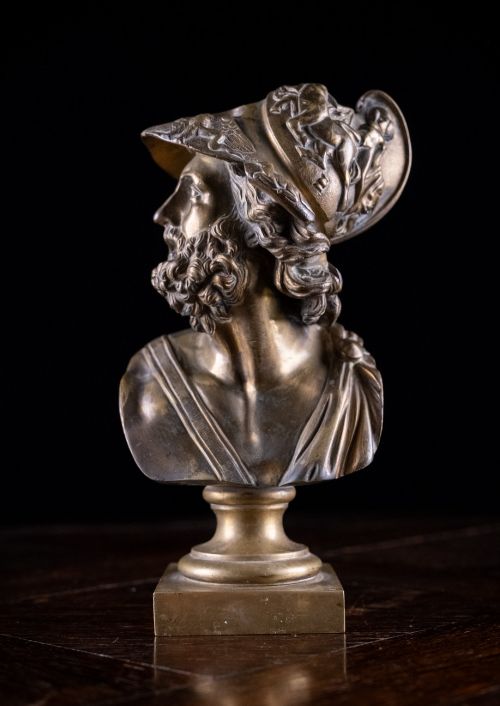
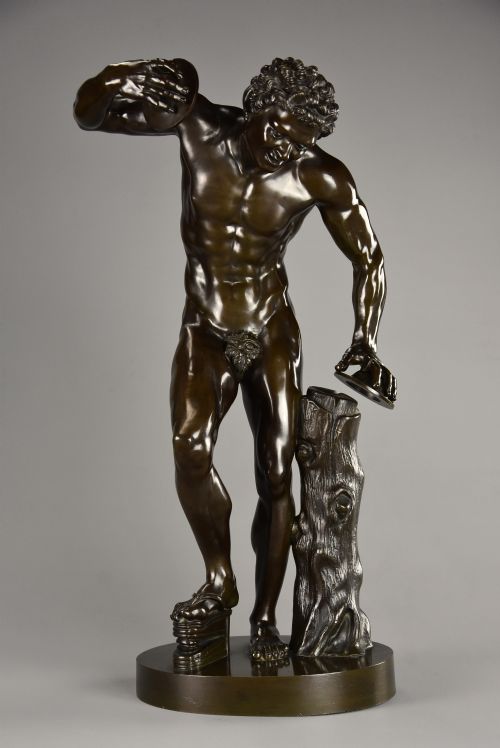
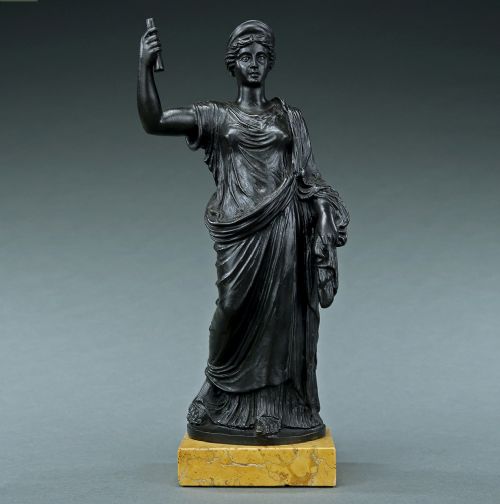
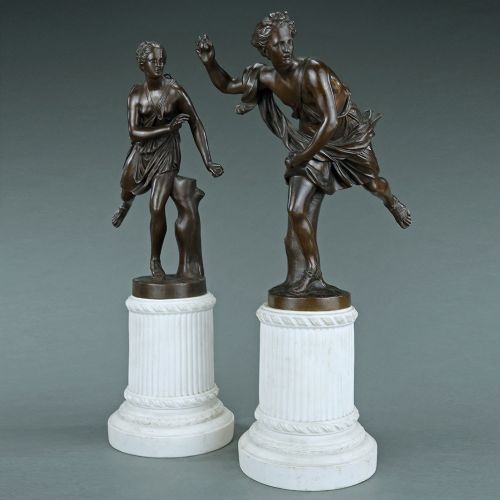
When you search for a classical mythology figure, you encounter cast bronzes and carved marbles that bring ancient pantheons directly into nineteenth-century drawing rooms.
Classical Mythology Figure
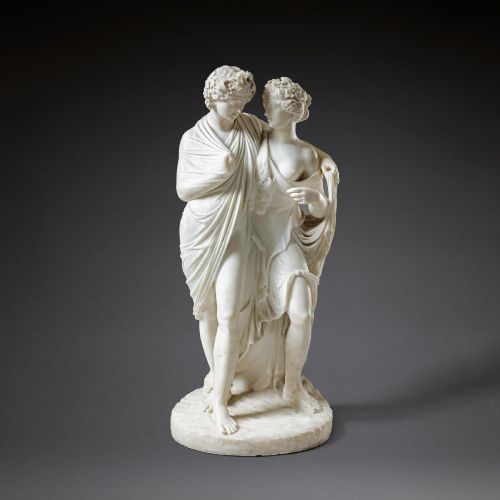
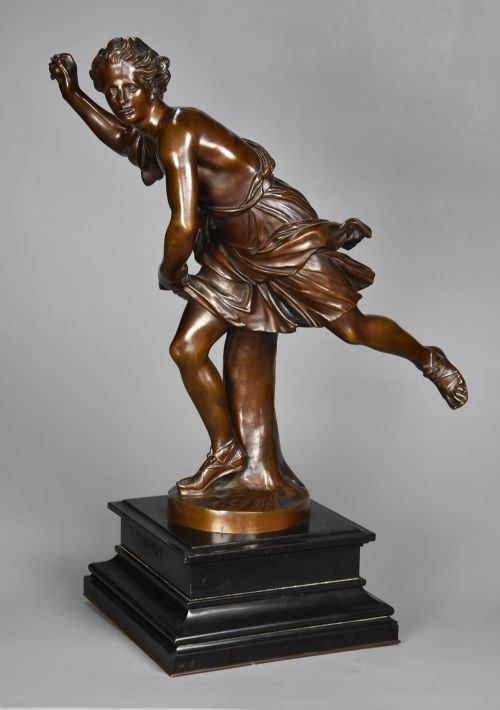
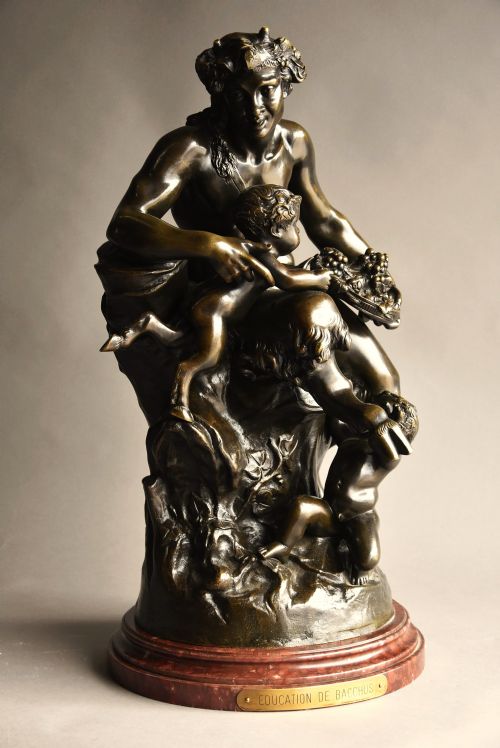
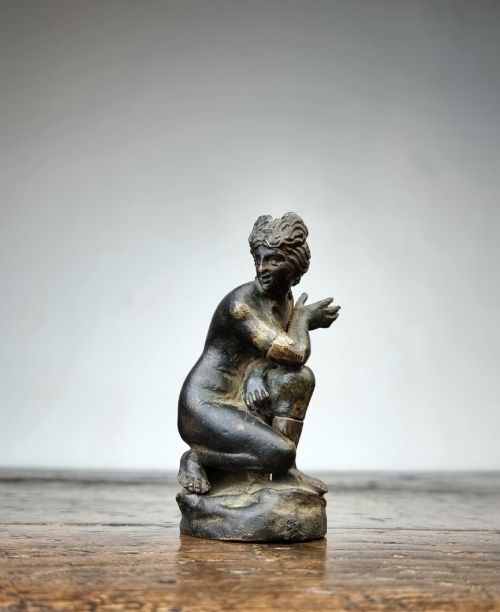
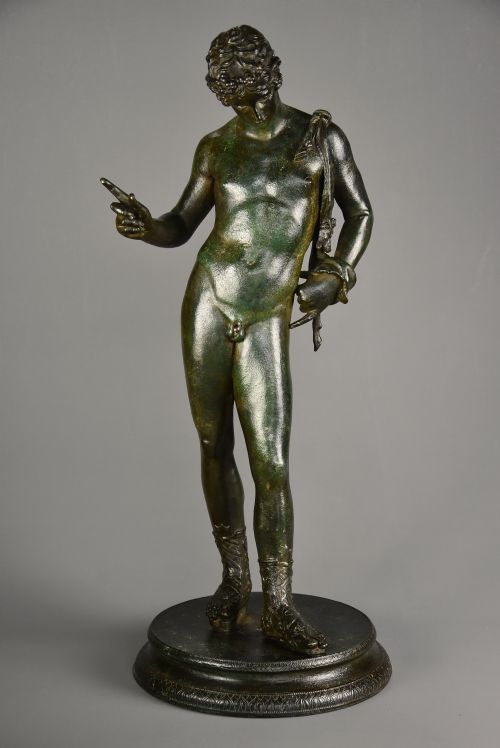
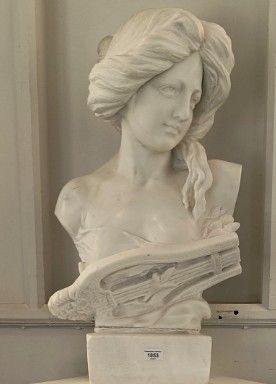
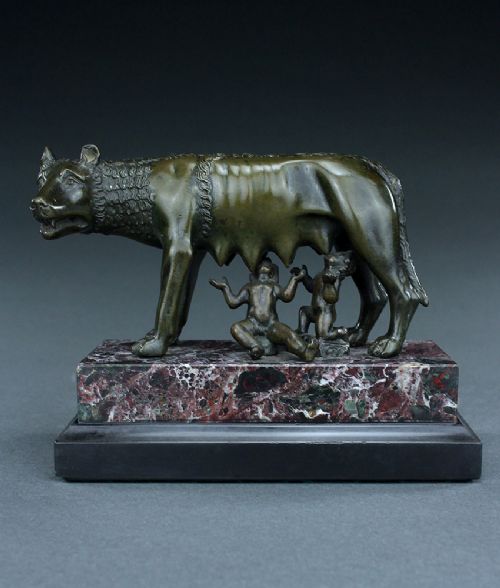
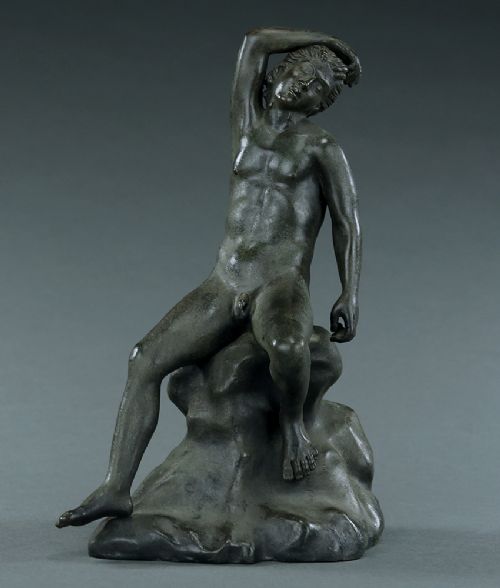
A classical mythology figure represents gods, heroes, and mythological narratives drawn from ancient Greek and Roman sources, manifesting primarily as cast bronze sculptures, marble groups, and porcelain figures. These works frequently emerge from the Grand Tour tradition, where travellers acquired reductions of famous antiquities during their journeys through Italy.
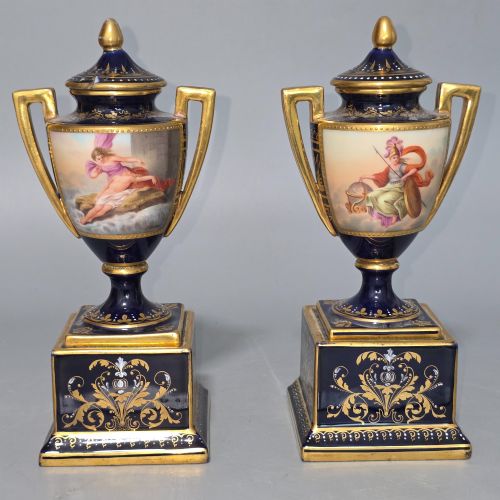
The objects span from eighteenth-century porcelain and paintings to numerous nineteenth-century bronzes and marbles shaped by Neoclassical and Classical Revival aesthetics. Subjects range from major deities such as Jupiter, Diana, and Bacchus to legendary figures like Perseus, Ariadne, and the Sleeping Faun.
How they were made
Metal sculptures utilise the lost-wax casting method in bronze, often finished with brown, green, or patinated surfaces that imitate excavated antiquities. Marble works rely on hand-carving techniques, frequently executed after renowned antique prototypes found in European collections.
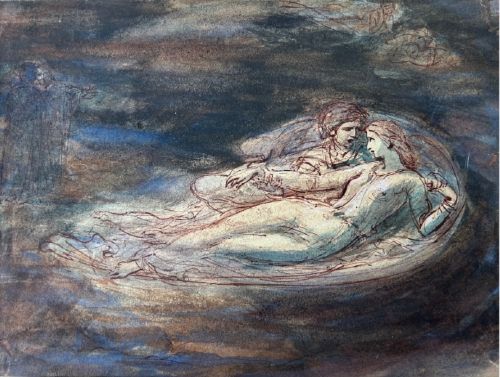
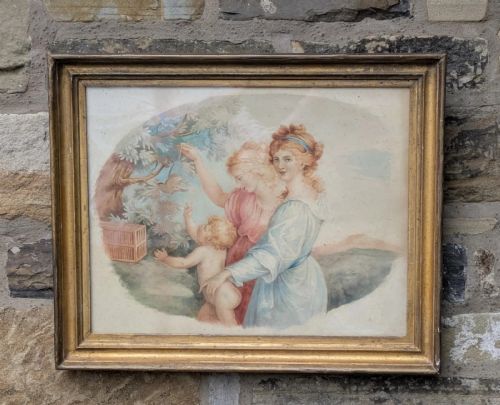
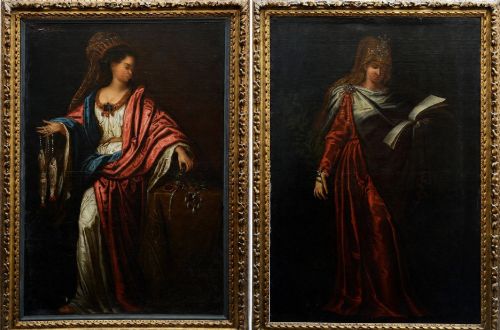
Works on paper and canvas combine ink, wash, watercolour, and oil paint to depict mythological narratives, while porcelain pieces employ hand-painted enamels and gilt highlights on glazed or biscuit ceramic bodies.
Classical Mythology Figure Retail Price Guide 2026
Typical asking prices for classical mythology figure among the pieces listed under this phrase on Sellingantiques today, from the lower quarter to the upper quarter. They describe what is for sale here now, not the wider market.
The selection includes mythological studies ranging from ancient deities and nymphs to dramatic episodes from Homer and Dante.
What varies in quality
Quality rests upon the crispness of the chase work in bronzes, where sharper chisel marks define musculature, drapery, and facial expressions with greater fidelity to the original antique source. In marble carvings, the depth of undercut and the smoothness of the polish determine how successfully the stone conveys human form and fabric.
Foundry reputation and signature attribution elevate certain pieces, distinguishing commercial souvenir casts from numbered or signed editions produced by established European workshops.
Barbedienne·Carlo Albacini·Claude Michel Clodian·John Flaxman·Augusto Rivalta·Antonio Frilli·Aug. Moreau
The Classical Mythology Figure Glossary
- Grand Tour
- A traditional trip through Europe undertaken by upper-class young men in the eighteenth and nineteenth centuries to study classical art. This travel resulted in the acquisition of small bronzes, marbles, and prints depicting ancient sculpture.
- Lost-wax casting
- A metalworking process where a molten metal is poured into a mould that has been created by means of a wax model. Once the wax is melted away, the bronze takes its exact place.
- Patination
- The process by which a chemical treatment, age, or burial alters the surface colour of bronze. Makers often applied artificial patinas to evoke the appearance of ancient excavated bronzes.
- Biscuit porcelain
- Unglazed white porcelain fired to give a matte, tactile texture resembling marble. Eighteenth-century factories utilised this material for sculptural figure groups.
- Neoclassical
- A style spanning the eighteenth and nineteenth centuries that drew inspiration from the art and culture of classical antiquity. It emphasised severe lines, mythological subjects, and proportion.
Classical Mythology Figure: Frequently Asked Questions
What is a Grand Tour bronze?
A Grand Tour bronze is a small-scale replica of a classical statue, cast in Europe during the eighteenth or nineteenth century for travellers visiting ancient sites.
These pieces served as academic souvenirs and decorative ornaments, bringing classical antiquity into private studies and libraries.
How do I identify mythological subjects?
Subjects are identified through specific attributes held by the figure, such as panpipes for Pan, a sickle for Demeter, or a bow for Diana.
Inscriptions on the base, accompanying titles, and traditional iconography inherited from Greek and Roman art also clarify the narrative.
Where were these figures displayed?
Nineteenth-century collectors placed these sculptures on mantelpieces, pedestals, and library tables alongside books and antiquities.
Paintings and prints of mythological scenes were similarly framed and hung within formal drawing rooms and domestic galleries.
What is biscuit porcelain?
Biscuit porcelain is an unglazed ceramic body that possesses a smooth, matte finish resembling carved white marble.
Factories employed this material during the eighteenth century to produce delicate neoclassical figure groups without surface glaze.