



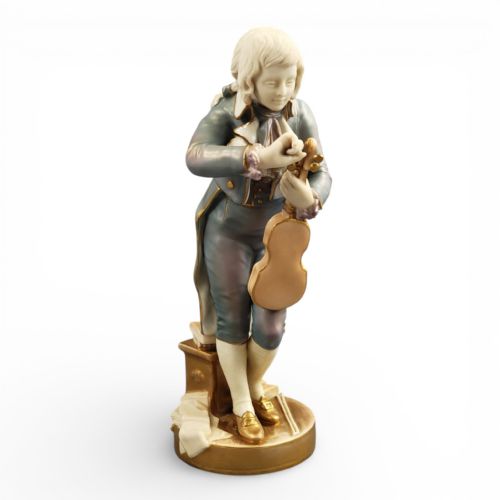


Classical Musician Statue
A classical musician statue captures the grace of performance in bronze, marble, and porcelain.
Classical Musician Statue
A classical musician statue represents figures playing instruments such as the harp, flute, cello, and mandolin across various historical periods. When searching for a classical musician statue, buyers encounter diverse forms ranging from large bronze sculptures to delicate porcelain figurines.
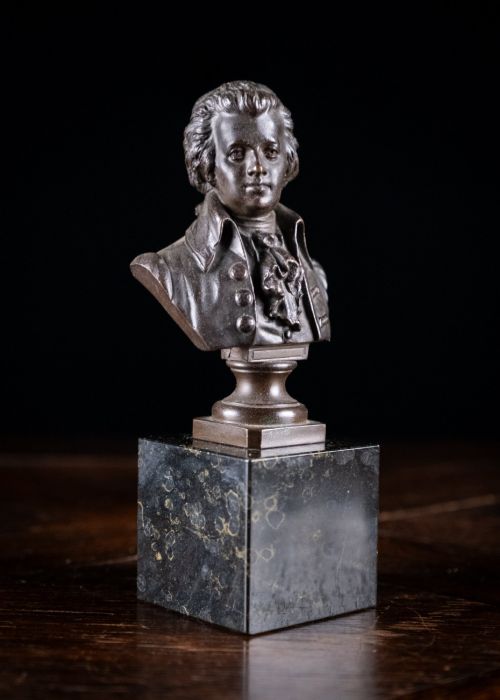
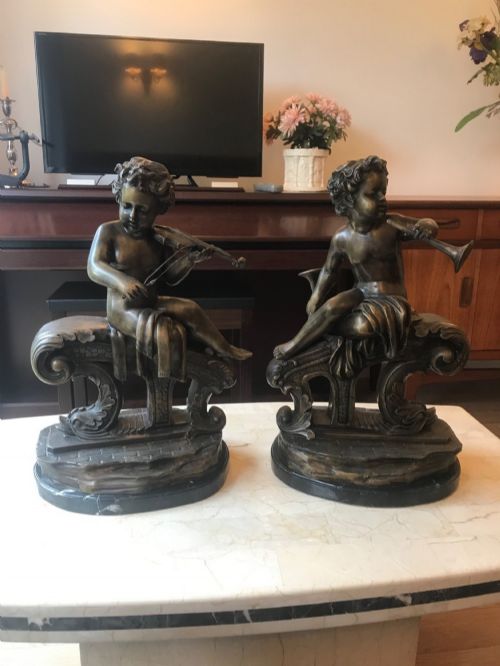
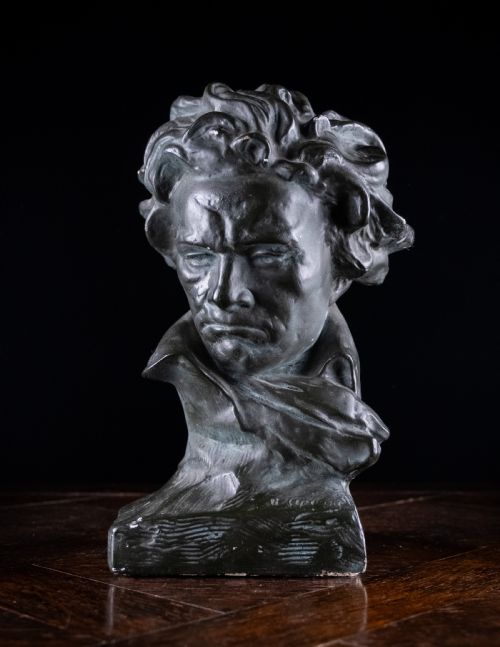
The pieces on this page span the nineteenth century through the mid twentieth century, including Victorian works, Edwardian models, and Art Deco creations. Subjects include historical composers like Beethoven and Mozart alongside anonymous pipers, minstrel figures, and cherub musicians.
Makers and sculptors represented in the inventory include Edouard Drouot, Carrier-Belleuse, Justo de Gandarias, August Moreau, Paul Fournier, and Marcel Debut. These sculptures appear in materials such as cast bronze, painted plaster, marble, alabaster, and parian ware.
Materials and Construction
Ceramic works utilise porcelain and parian ware, shaped in moulds and fired before receiving hand-painted enamel details or left in biscuit finishes to resemble marble. Plaster pieces receive a painted finish to imitate heavier metallic or stone compositions.
Classical Musician Statue Retail Price Guide 2026
Typical asking prices for classical musician statue among the pieces listed under this phrase on Sellingantiques today, from the lower quarter to the upper quarter. They describe what is for sale here now, not the wider market.
Listings feature works from the nineteenth century alongside Edwardian and Art Deco examples, utilising materials from bronze and marble to plaster and parian ware.
Markers of Quality
Quality in these sculptures rests upon the crispness of the casting in metal works and the sharpness of the chisel work in carved marble and alabaster. Finer pieces demonstrate proportional accuracy in the anatomy of the hands and the delicate shaping of musical instruments.
Surface finish distinguishes higher tiers, whether through sophisticated patination on bronzes or meticulous hand-painted enamel on porcelain figures. Signed works by established sculptors and numbered models from known factories hold distinct manufacturing distinction.
Edouard Drouot·Carrier Belleuse·Justo de Gandarias·Paul Fournier·Marcel Debut
The Classical Musician Statue Glossary
- Parian Ware
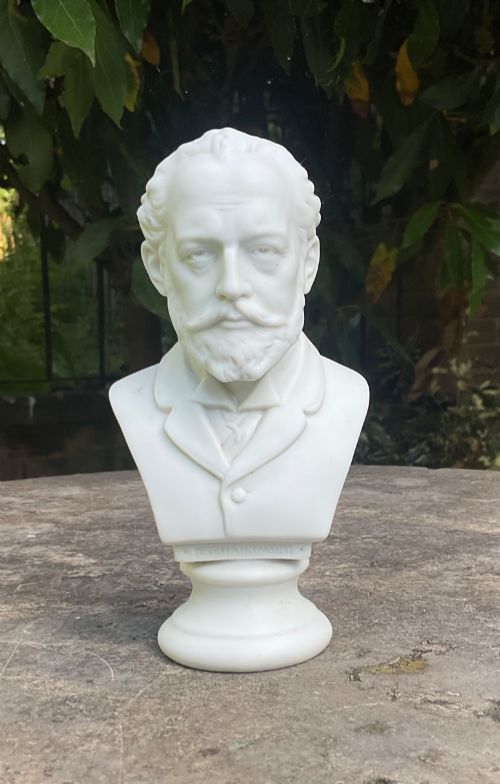
- A fine-grained bisquit porcelain developed in the nineteenth century to imitate white marble. It is frequently utilised for portrait busts of composers and figures.
- Patination
- The chemical or natural process that colours and protects the surface of bronze sculptures. Different patinas alter the perceived age and depth of the metal.
- Rococo Revival
- A nineteenth-century style drawing on eighteenth-century ornamentation with flowing curves and organic motifs. It influences the decorative bases of many musical figures.
- Terracotta
- Fired clay used for sculptural models and finished figures. It offers a warm reddish tone frequently seen in nineteenth-century sculptural works.
Classical Musician Statue: Frequently Asked Questions
How do I identify bronze from painted plaster?
Bronze is a heavy metal alloy that feels cold to the touch and rings slightly when tapped gently, whereas painted plaster is lighter and softer.
Examining the underside or any small abrasions reveals the white or grey plaster material beneath the painted surface.
Where were these musician figures displayed?
Nineteenth-century households placed bronze and marble statues in drawing rooms, libraries, and entrance halls as symbols of cultural refinement.
Smaller porcelain figures and parian busts adorned mantelpieces, side tables, and enclosed cabinets.
How should I clean a marble or alabaster sculpture?
Marble and alabaster require dusting with a soft, dry cloth to prevent the accumulation of abrasive particles in the carved crevices.
Water and chemical cleaning agents should be avoided, particularly on softer alabaster which is sensitive to moisture.