



Classical Italian Landscape
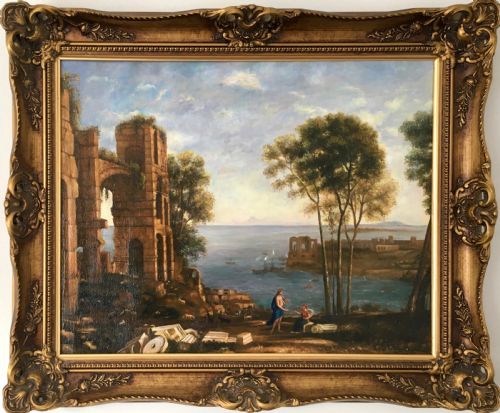
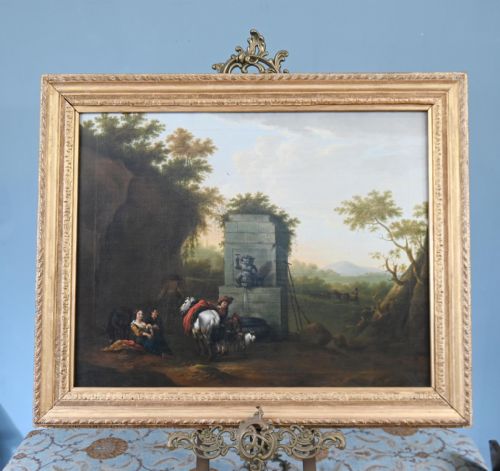
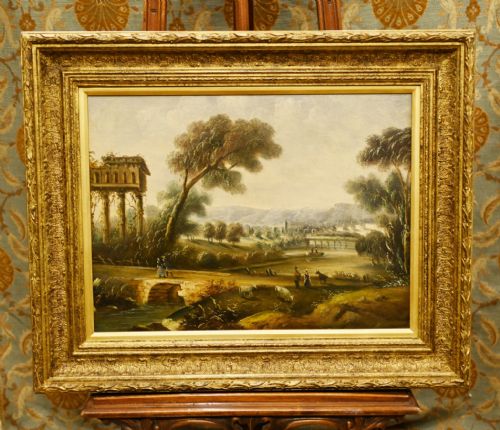
A classical italian landscape brings the warmth of southern skies and ancient ruins directly into a room.
Classical Italian Landscape
A classical italian landscape captures the enduring appeal of sunlit vistas, ruined architecture, and pastoral figures rooted in centuries of artistic tradition. Buyers searching for a classical italian landscape encounter oil paintings, watercolours, gouaches, and prints spanning multiple eras from the seventeenth century onward.
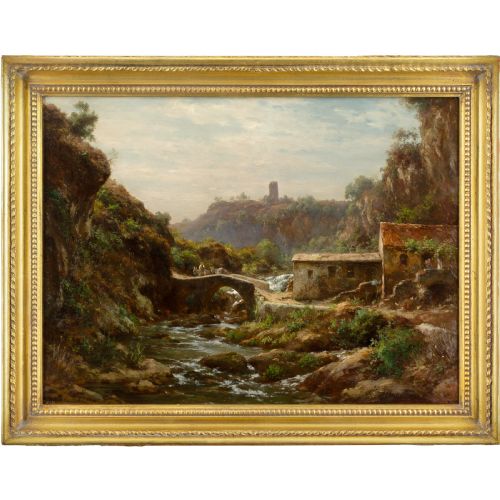
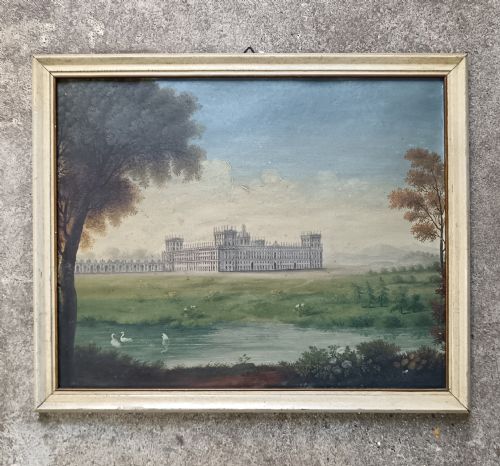
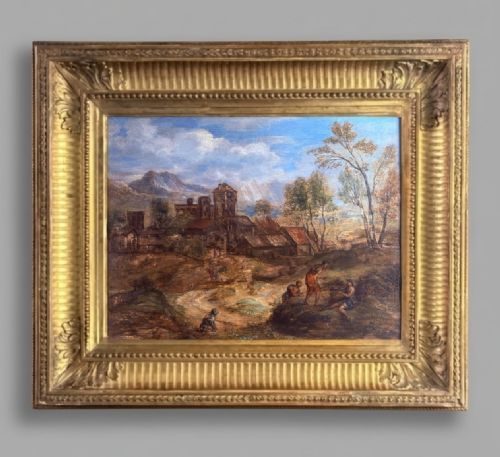
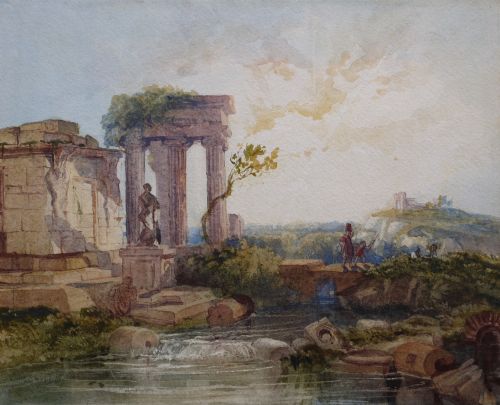
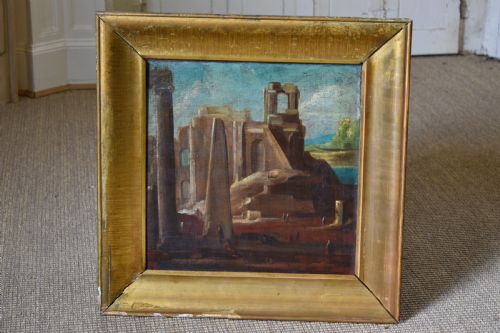
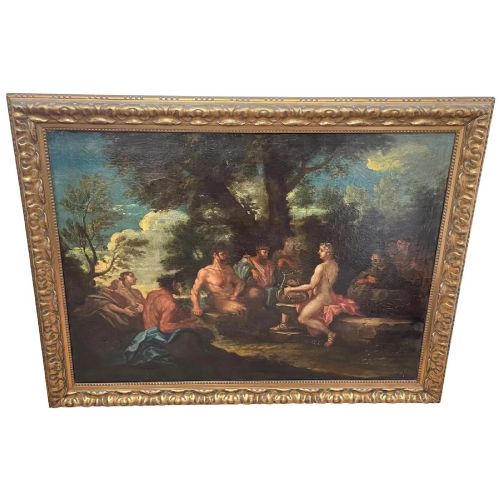
The selection ranges from grand oil paintings on canvas and panel to delicate watercolours created during the nineteenth-century Grand Tour. Many works depict idealised scenes of Rome, Venice, Tivoli, and imaginary architectural capriccios populated by travellers or mythological figures.
Works originate from various hands, including period Italian schools, British artists working in Rome, and named continental painters. The subjects draw heavily on classical antiquity, framing nature through an orderly lens of temples, bridges, and distant mountains.
Materials and Construction
Painters relied primarily on oil paint applied to canvas or wood panels, building rich compositions through layered pigment and careful glazing. Watercolours and gouaches on paper served travellers and artists documenting specific classical sites with rapid precision.
Surviving pieces frequently retain their period frames constructed from gilded wood or gold leaf, which complement the warmth of the pigments within. Paper works are often protected behind glass, preserving the fugitive qualities of early water-based media.
Classical Italian Landscape Retail Price Guide 2026
Typical asking prices for classical italian landscape among the pieces listed under this phrase on Sellingantiques today, from the lower quarter to the upper quarter. They describe what is for sale here now, not the wider market.
Listings feature works spanning from the seventeenth century through the twentieth century, incorporating oil on canvas, gouache, watercolour, and gilded wood frames.
Distinctions in Quality
Quality rests in the handling of atmospheric light and the structural integrity of the composition, distinguishing masterly depth from stiff repetition. Superior works demonstrate confident brushwork in rendering architectural ruins and natural foliage.
The historical significance of the attribution, whether connected to a named circle or a documented artist, elevates the standing of an individual piece. Original period framing also contributes to the integrity and preservation of the artwork.
Adolf Johann Höffler·Richard Principal Leitch·Angelo Maria Crivelli·Francesco Zuccarelli·Giacomo Nani·Guido Agostini
The Classical Italian Landscape Glossary
- Capriccio
- An architectural fantasy placing together buildings, ruins, and other architectural elements in a fictitious poetic arrangement. This compositional style allows artists to combine disparate elements into a harmonious scene.
- Grand Tour
- A traditional trip of Europe undertaken by upper-class European young men of sufficient means during the eighteenth and nineteenth centuries. The journey focused on the classical sights of Italy.
- Oil on Panel
- A painting executed on a flat wooden support rather than stretched canvas. Panels provide a rigid and smooth surface favoured in earlier European painting traditions.
- Gouache
- An opaque water-based paint consisting of pigment, water, and a binding agent such as gum arabic. It dries to a smooth, matte finish that allows for brilliant colouration.
Classical Italian Landscape: Frequently Asked Questions
What is a classical italian landscape?
A classical italian landscape is a painting or work on paper depicting idealised Mediterranean scenery, classical ruins, and pastoral figures. These works draw inspiration from the topography and antiquity of Italy.
Such art gained immense popularity through travellers on the Grand Tour and the enduring influence of historic European academies.
How were these paintings displayed?
These artworks traditionally hung in the reception rooms, libraries, and galleries of stately homes and townhouses. They served to display the owner's cultural education and refined taste.
Original frames of gilded wood were chosen to complement the warm light and atmospheric tones of the canvas.
How do I date an antique landscape?
Dating relies on examining the physical support, such as the weave of the canvas, the preparation of the wooden panel, or the type of paper used. Stylistic clues within the brushwork and clothing of figures also point to specific centuries.
Reference to named artists, circles, or inscriptions on the reverse further clarifies the period of creation.
How do I care for these pieces?
Protect oil paintings and works on paper from direct sunlight and dramatic fluctuations in humidity to prevent warping or fading. Framed watercolours and gouaches require protection behind glass to shield the delicate pigments.
Dust wooden frames gently with a dry cloth and avoid harsh chemical cleaners.