


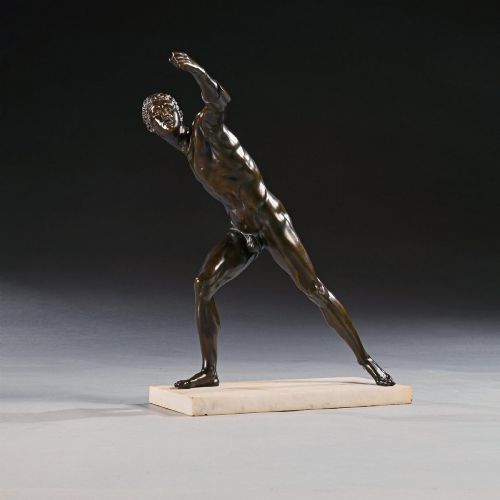
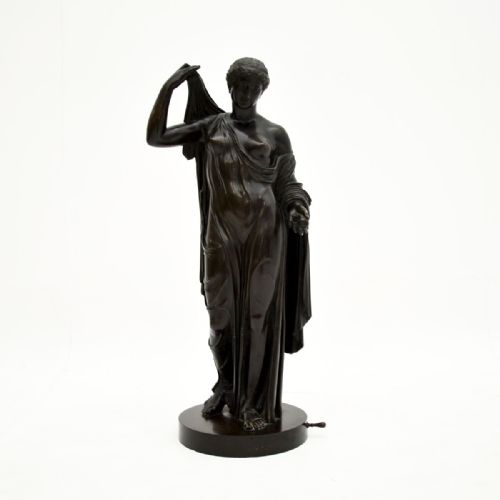
Classical Grand Tour Figure
A classical grand tour figure brings the myth, majesty, and marble of ancient ruins directly into a nineteenth-century study.
Classical Grand Tour Figure
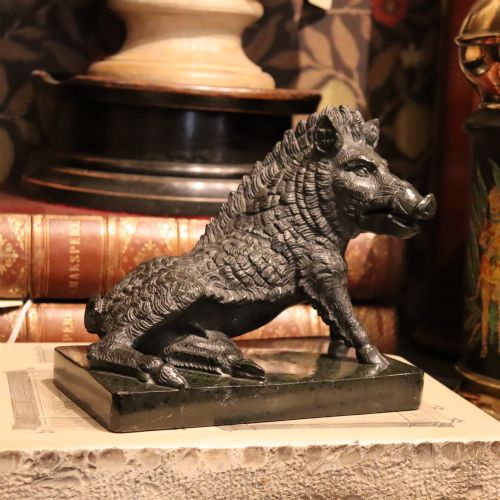
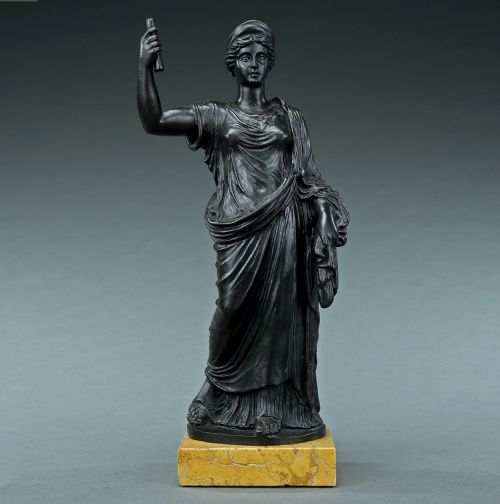
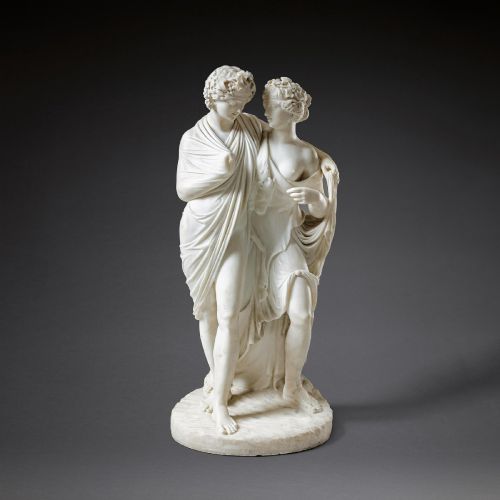
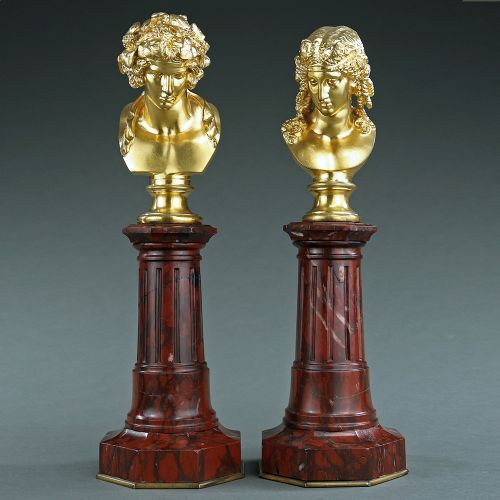
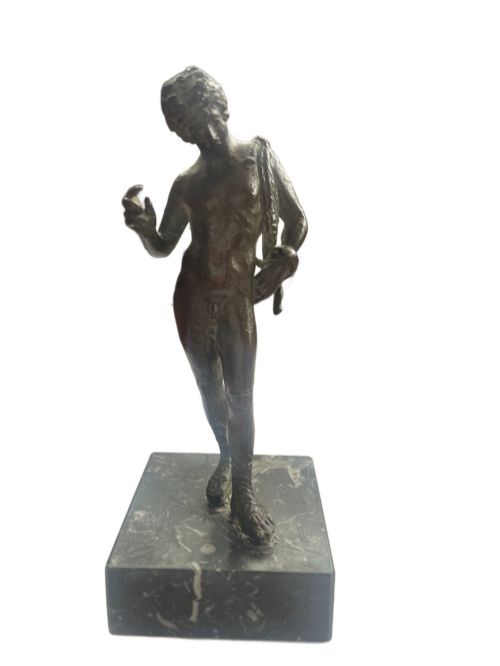
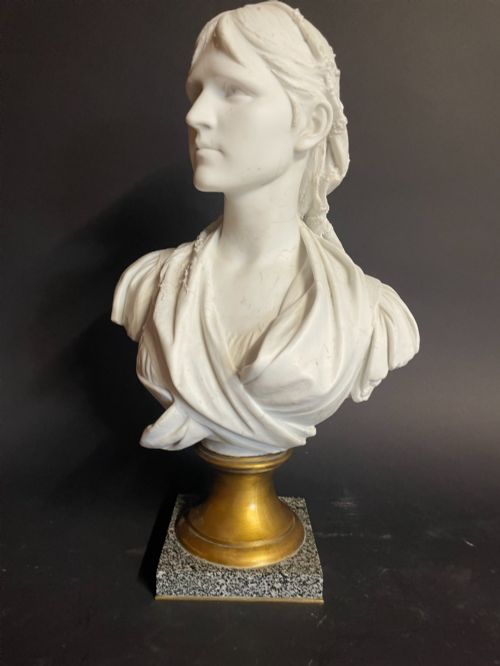
A classical grand tour figure represents the tangible mementos collected by travellers journeying through Italy and Greece during the nineteenth century. These sculptures reproduce famous antique statues found in foreign museums and archaeological sites, capturing mythological deities, philosophers, and imperial rulers in miniature.
Most examples encountered here date from the nineteenth century, spanning various periods such as the eighteen-eighties and eighteen-seventies, alongside occasional earlier seventeenth-century survivals. Common forms include table lamps, statuettes, and bronze sculptures mounted upon marble bases.
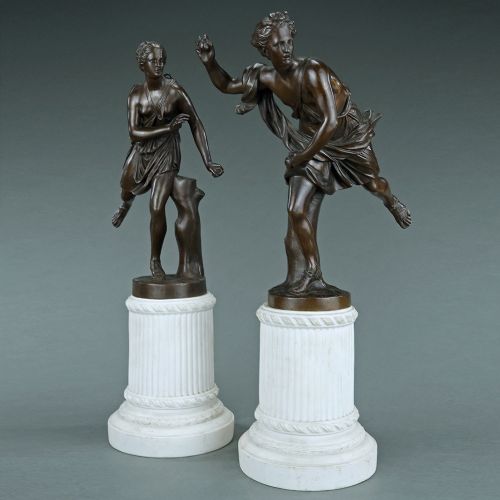
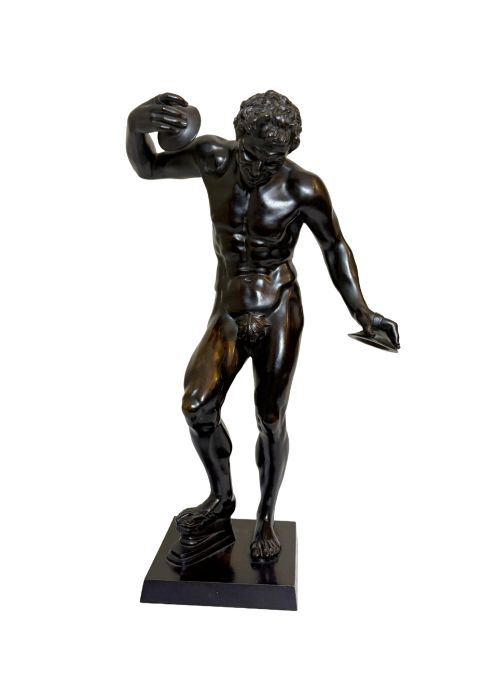
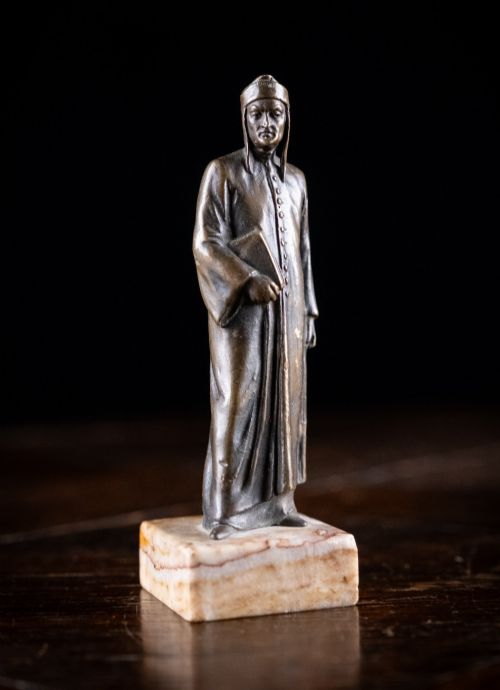
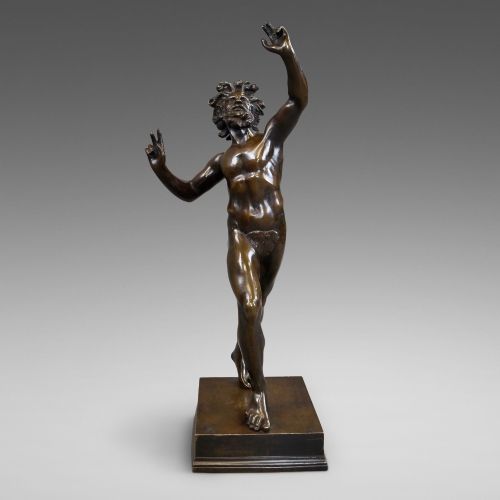
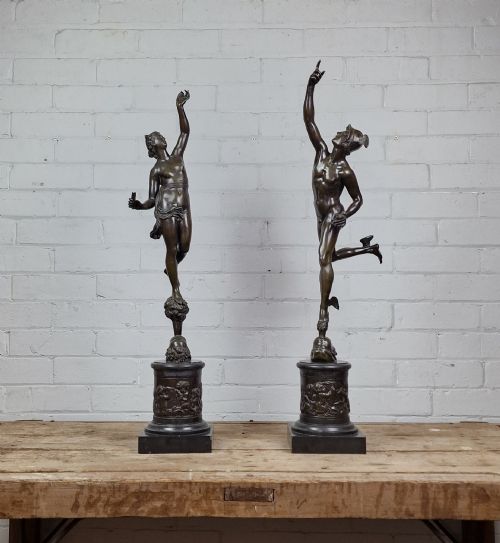
These pieces draw upon neoclassical, baroque, and renaissance revival styles, reflecting the eclectic tastes of Victorian collectors. Subjects range from dancing fauns and mythological figures like Venus and Mercury to historical busts of Caesars and philosophers.
Materials and methods
Makers utilised bronze, patinated bronze, and gilt bronze alongside various marbles including Carrara, Siena, and fossil marble to mount the sculptures. Terracotta, glass, paper, alabaster, stucco, and plaster also appear across the recorded works.
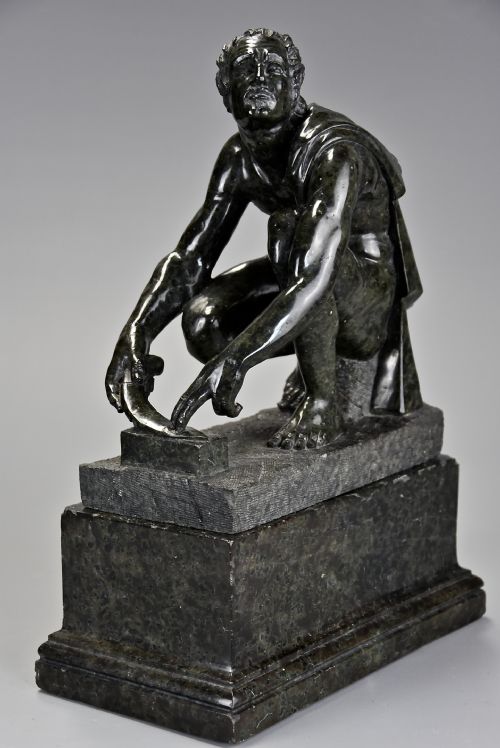
Foundries employed traditional casting techniques to capture fine details of classical drapery and musculature, often finishing the metal with rich green or dark patination. Stonework elements like verdo prato and grey marble were carved to provide stable, decorative plinths for the figures.
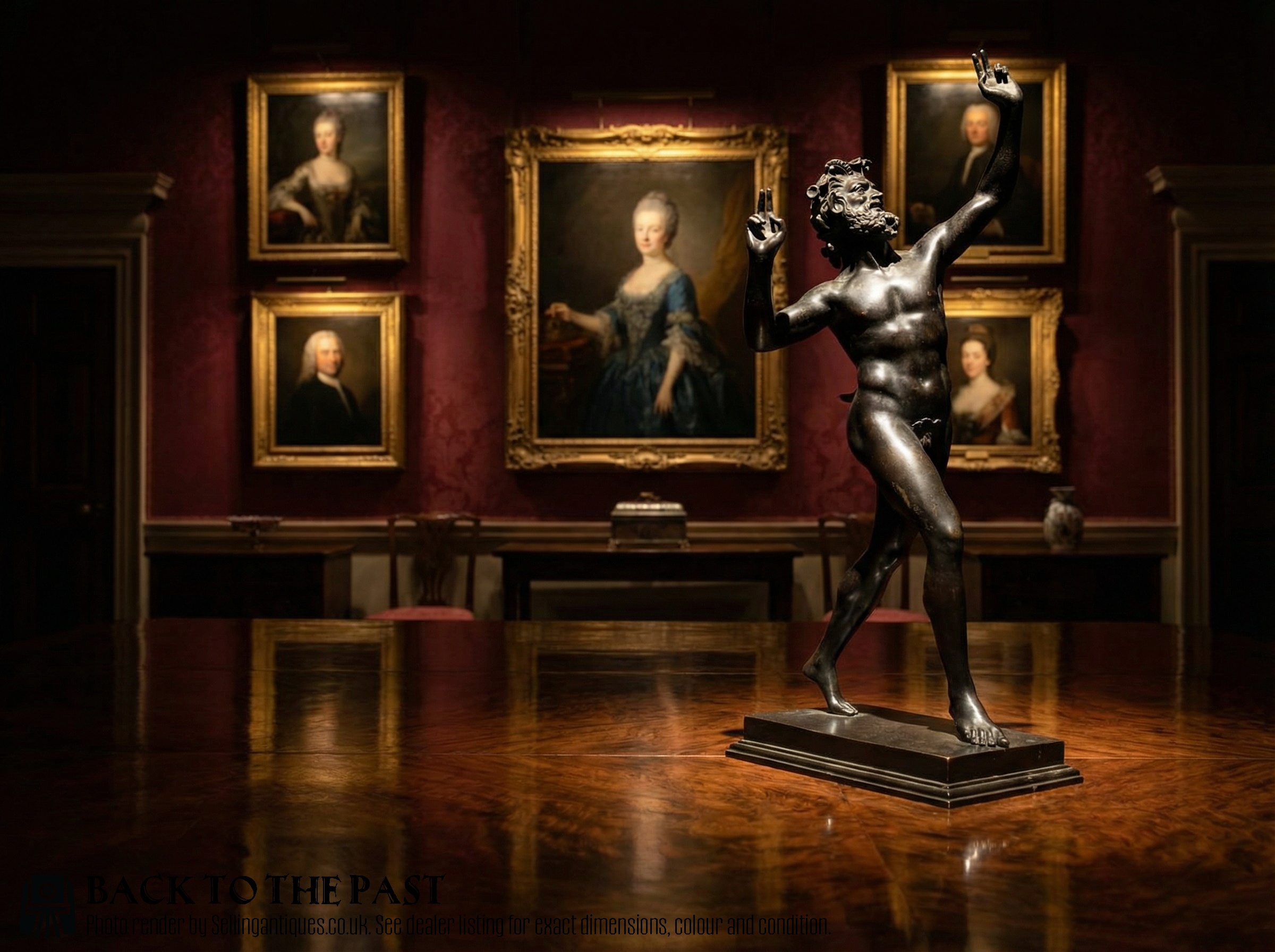
Several figures depict dancing fauns with cymbals, proving that ancient deities knew how to throw a remarkably lively party.
Defining quality
The choice and execution of the base material further elevate a piece, with finely turned coloured marbles and integrated architectural elements adding substantial presence. Signed works by established founders or known modellers carry a distinct documentary weight that enhances the object.
Ferdinand Barbedienne·Carlo Albacini·G Amodio Naples·Hamo Thornycroft·Émile Louis Picault
The Classical Grand Tour Figure Glossary
- Patination
- The surface treatment applied to bronze to achieve specific colour depths and finishes. This process protects the metal while emulating the aged appearance of ancient artefacts.
- Grand Tour
- The traditional journey through continental Europe undertaken by upper-class young men in the eighteenth and nineteenth centuries. Travellers collected art and antiquities as intellectual trophies.
- Verdo Prato
- A dark green serpentine marble often utilised for architectural details and sculpture bases. Its mottled surface complements the deep tones of patinated bronze.
- Neoclassical
- The decorative style inspired by the art and culture of classical antiquity, prevalent during the eighteenth and nineteenth centuries. It prioritises symmetry, restraint, and classical motifs.
- Spelter
- A zinc alloy frequently used as a cheaper alternative to bronze for sculptural figures. It accepts metallic paints and patinas to mimic more costly materials.
Classical Grand Tour Figure: Frequently Asked Questions
What is a grand tour figure?
A grand tour figure is a small-scale reproduction of an ancient sculpture purchased by travellers touring European cultural centres during the nineteenth century.
These pieces served as physical evidence of a traveller's education and exposure to classical art history upon returning home.
How were these figures displayed?
Collectors typically placed these sculptures upon library tables, mantelpieces, or dedicated pedestals within studies and drawing rooms.
Their substantial marble bases allowed them to stand securely while adding a dignified architectural element to domestic interiors.
How do I identify the subject?
Subjects are usually identified through distinct attributes, such as the winged sandals of Mercury or the musical cymbals held by a dancing faun.
Many figures replicate renowned classical statues housed in Italian museums, making historical iconography the primary key to identification.
Are all these pieces made of bronze?
While bronze is the most prevalent material, makers also utilised terracotta, alabaster, plaster, stucco, and spelter for sculptural figures.
The metal pieces are frequently paired with contrasting marble plinths, incorporating materials like Siena marble and fossil stone.