




Classical Giltwood Lamp
A classical giltwood lamp brings warmth and ornate detail to a room, offering the rich texture of carved timber finished in gold leaf.
Classical Giltwood Lamp
When you search for a classical giltwood lamp, you encounter items shaped by traditional Neoclassical, Louis XVI Revival, and French Empire aesthetics. These pieces often originate from the nineteenth and early twentieth centuries, spanning table lamps, floor lamps, and standard lamps converted from earlier forms.
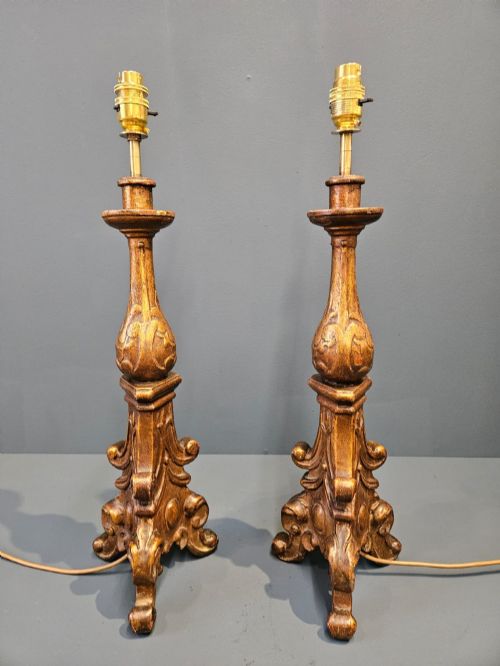
The most common versions met on this page are carved wooden structures finished in gold leaf or silver gilt, frequently taking the form of torcheres, candlesticks, or classical columns. They reflect centuries of design vocabulary, drawing heavily on continental European workshops and Florentine traditions.
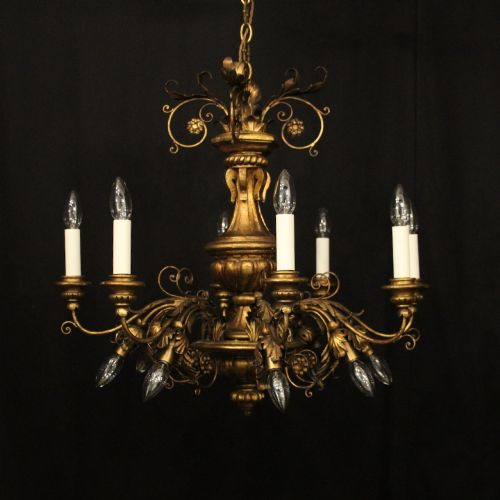
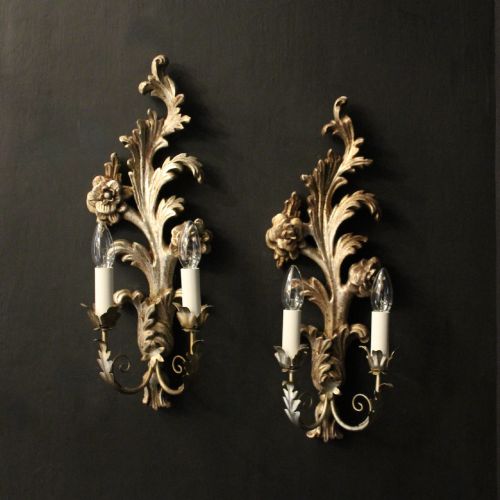
Alongside standard lighting, the category encompasses related fixtures such as twin-arm wall lights and grand chandeliers sharing the same gilded wooden vocabulary. Occasional items like carved side tables appear, demonstrating the broader application of the giltwood style across domestic interiors.
Materials and construction methods
Makers shaped these lamps from carved wood, applying layers of gold leaf or silver gilt over a prepared base to achieve a brilliant metallic sheen. Fabric components often complete the fittings, particularly in shades paired with the timber structures.
Structural stability relied on solid wood and occasional metal or brass reinforcement, while some pieces incorporated marble elements for weight and contrast. Carvers utilised hand tools to render intricate surface details, foliage, and classical motifs before gilding the timber.
Classical Giltwood Lamp Retail Price Guide 2026
Typical asking prices for classical giltwood lamp among the pieces listed under this phrase on Sellingantiques today, from the lower quarter to the upper quarter. They describe what is for sale here now, not the wider market.
Listings feature items spanning the Victorian era through the early twentieth century, utilising carved wood, gold leaf, fabric, and marble.
Distinguishing quality across the range
The depth and precision of the hand-carving dictate the distinction between standard production and superior work. Crisp foliage, well-defined architectural orders, and deeply undercut timber separate finer examples from simpler turnings.
The application and preservation of the gold leaf significantly alter the visual character of each piece. Intact original gilding with subtle patination shows greater care in historical upkeep than heavily restored or later painted surfaces.
The Classical Giltwood Lamp Glossary
- Giltwood
- Wood that has been coated with thin sheets of gold leaf or powder. This finish gives the underlying carving a luminous, metallic appearance.
- Neoclassical
- A style inspired by the classical art and architecture of ancient Greece and Rome. It emphasises symmetry, straight lines, and classical motifs such as urns and columns.
- Torchere
- A tall stand or floor lamp originally designed to hold a torch or candle. In later periods, these were frequently adapted for electricity.
- Louis XVI Revival
- A nineteenth-century design movement mimicking the French furniture style of the late eighteenth century. It is characterised by restrained classical ornamentation and rectilinear forms.
- Standard lamp
- A freestanding floor lamp designed to illuminate a room from a vertical post. These often derive their proportions from historic wooden candle-stands.
Classical Giltwood Lamp: Frequently Asked Questions
How do I date a giltwood lamp?
Dating relies on examining the carving techniques, the type of wood beneath the gilding, and the historical style referenced. Revival periods often emulate earlier centuries such as the eighteenth.
Hardware, wiring methods, and the natural wear of the gold leaf also provide clues to the age of the physical structure.
Were these lamps originally electrical?
Many floor and table lamps began as candlesticks, oil lamps, or torcheres before being converted for modern electrical use. This adaptation is common in antique lighting.
Conversion methods vary depending on the decade in which the electrical fittings were added to the timber base.
Where were giltwood lamps made?
Historical production centres included Italy, particularly Florence, as well as France and broader continental Europe. Different regions favoured distinct carving styles and finishing techniques.
Italian pieces frequently feature bold floral or figurative motifs, while French designs lean toward strict classical revivalism.
How do I care for giltwood?
Giltwood requires gentle dusting with a soft, dry cloth to protect the delicate gold leaf surface. Moisture and chemical cleaners damage the historical finish.
Placing the lamp away from direct sunlight and excessive heat preserves the timber and prevents the gilding from flaking.