


Classical Garden Statuary
Classical garden statuary brings architectural permanence and sculptural presence to outdoor spaces through time-tested materials and enduring designs.
Classical Garden Statuary
Classical garden statuary encompasses architectural elements, figures, and vessels designed to anchor landscapes with formal dignity. These pieces draw on antique precedents, ranging from Georgian and Victorian compositions to specific 19th-century Italian marbles.
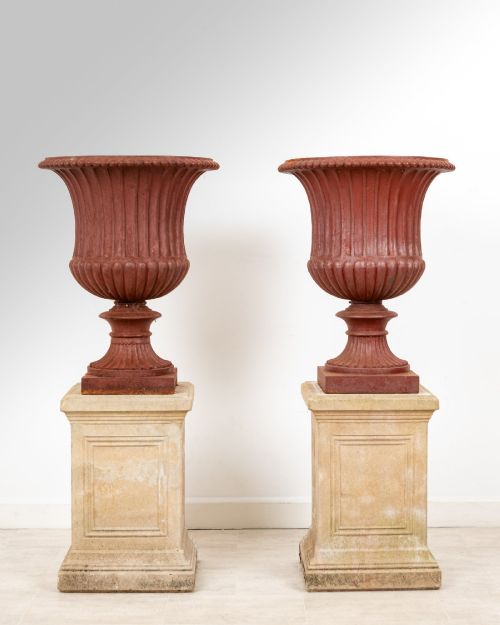
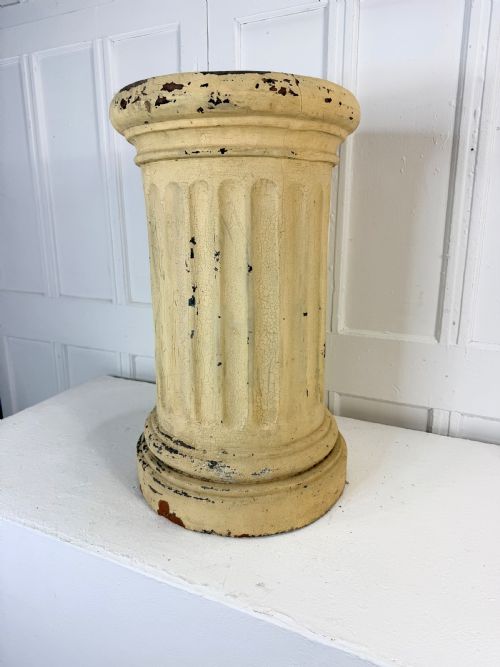
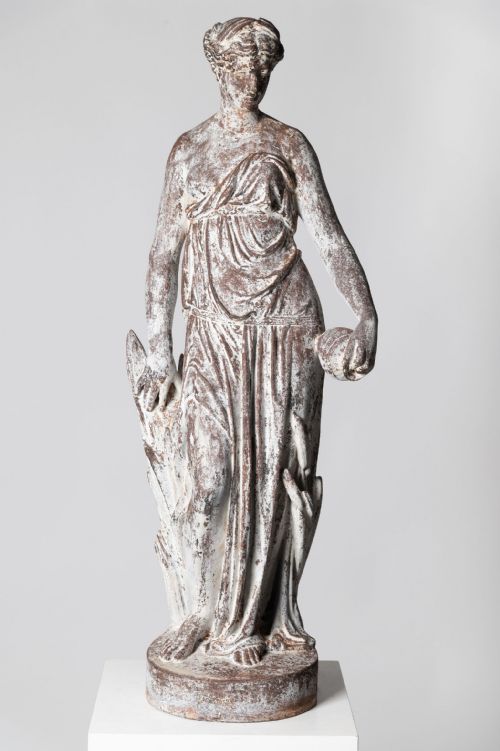
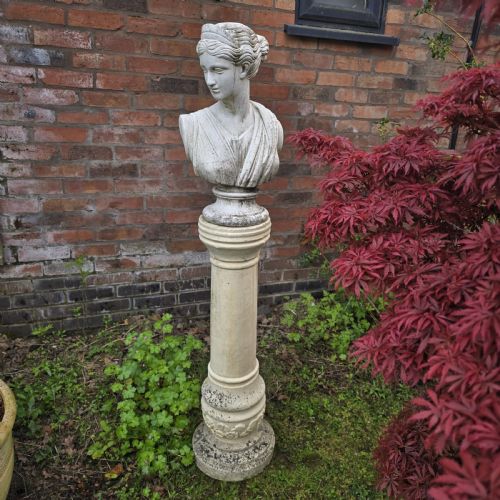
Buyers frequently encounter substantial forms such as campana urns, display columns, plinths, and figural sculptures. Subjects span from mythological figures and putti to carved portrait busts and heraldic lions.
The selection ranges across centuries, featuring robust ironwork, weathered lead, and carved stone. Each object reflects historical garden design traditions aimed at creating focal points within grounds.
Materials and production methods
Foundries and workshops utilised durable metals including cast iron and cast lead to shape robust urns and statuary that could withstand external elements. Makers such as the Val d'Osne foundry produced detailed iron castings requiring specialised moulding techniques.
Surfaces often show the application of paint or the natural weathering processes inherent to outdoor materials over decades. These finishes interact with the underlying metal, stone, or terracotta to develop distinctive patinas.
Materials documented across the inventory include cast iron, Carrara marble, terracotta, lead, and reconstituted stone.
Assessing quality and execution
Quality rests primarily in the crispness of the carving or the precision of the foundry cast. Finer pieces demonstrate careful attention to anatomical detail in figures and sharpness in neoclassical ornamentation.
The choice of raw material dictates the longevity and visual weight of the piece, with solid carved marble and substantial cast metals representing significant craftsmanship. Scale and proportion also influence the success of a composition, particularly when urns are paired with matching pedestals.
Val d Osne foundry
The Classical Garden Statuary Glossary
- Campana urn
- A bell-shaped vessel traditionally mounted on a stem and foot, widely used in classical garden design for planting or architectural display.
- Putto
- A representation of a plump, often winged male child, frequently seen in 18th-century lead garden groups and classical compositions.
- Plinth
- A heavy base or block upon which a statue, urn, or column rests to elevate the object within a garden scheme.
- Neoclassical
- A style reviving the architectural and artistic forms of classical antiquity, prevalent across many pieces on this page.
Classical Garden Statuary: Frequently Asked Questions
What periods do these garden pieces represent?
The selection spans from the 18th century through the Georgian and Victorian eras into the early 20th century. Pieces reflect historical revivals of classical design.
Manufacturing dates range across these periods, encompassing both foundational Georgian works and later Victorian interpretations.
Which materials are most common?
Cast iron, lead, terracotta, and various types of stone including marble feature prominently across the inventory. Founders and masons selected these for exterior durability.
Metals like cast iron and lead offer robust structural integrity, while carved marble provides a finer medium for sculptural busts and urns.
How were large urns and figures displayed?
Heavy vessels and busts typically sit upon dedicated stone pedestals, columns, or plinths to elevate them within a garden layout. Pairs often anchor gates or boundary walls.
Architectural placement ensures the statuary commands visual attention across open lawns or formal pathways.
Are these pieces suitable for outdoor use?
These works were engineered from heavy-duty metals, stones, and ceramics specifically to inhabit exterior landscapes. Their materials endure weathering over long periods.
Exposure to the elements develops natural patinas on lead, iron, and stone surfaces over decades.