





Classical Fruit Canvas Painting
These classical fruit canvas painting works bring traditional arrangements of apples, grapes, and baskets into your room.
Classical Fruit Canvas Painting
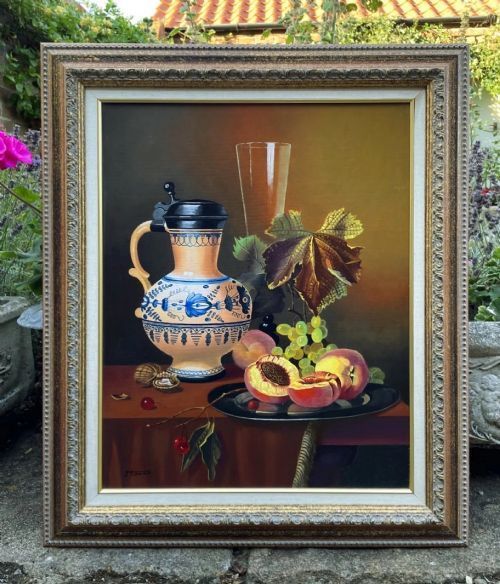
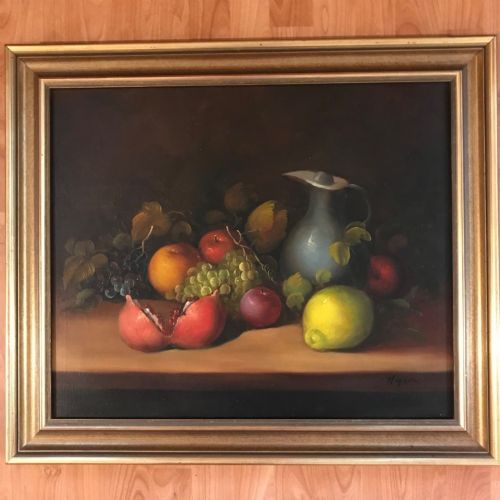
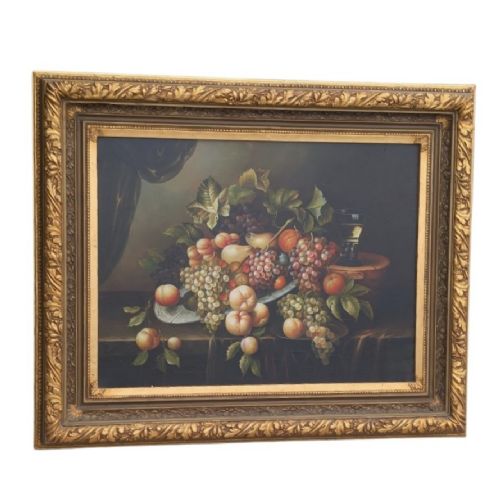
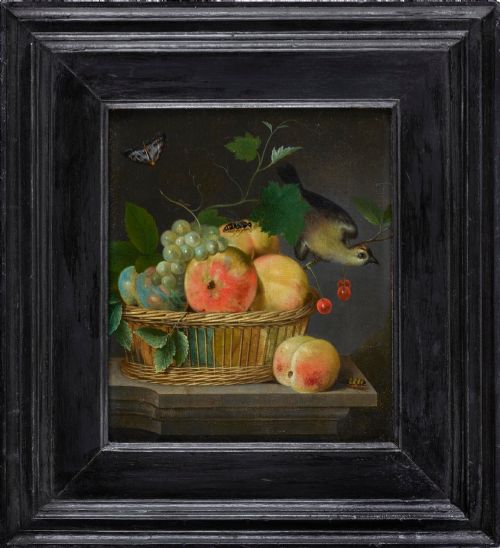
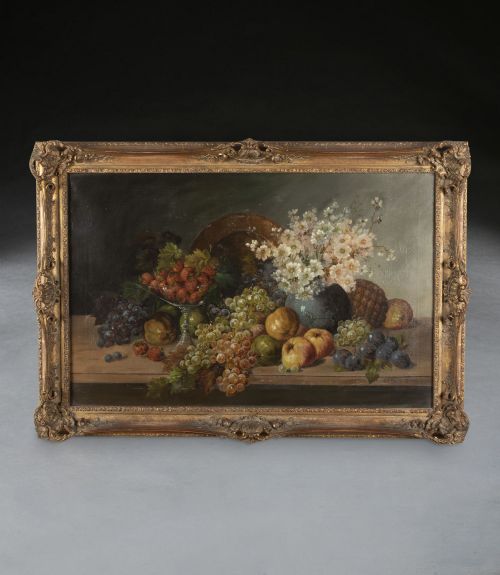
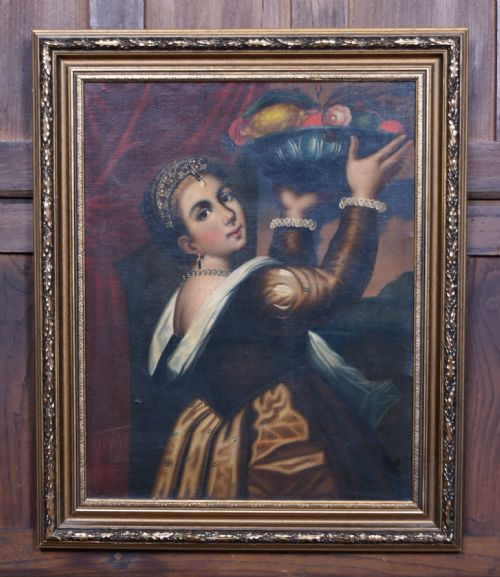
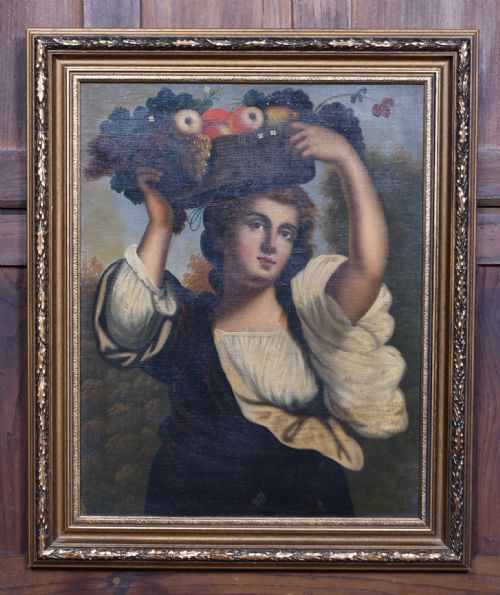
A classical fruit canvas painting depicts detailed arrangements of harvest items like grapes, apples, melons, and berries, often accompanied by birds or baskets. When searching for this phrase, buyers encounter works ranging from the seventeenth century through the Victorian era and into the twentieth century. These pieces record natural abundance with academic precision and careful lighting.
The selections span various regional schools, including Flemish Baroque compositions and English or Hungarian studies. Many examples are unsigned works by the European School, while others bear attributed signatures from notable painters. The canvases capture subjects such as banquet scenes, wicker baskets, and tabletop spreads.
How They Were Made
Artists painted these works using oil paint applied to stretched canvas surfaces. The ground was typically prepared with gesso before the application of pigments to build up rich textures and deep shadows. Gilded wood frames often house these canvases, adding a formal perimeter to the composition.
Wood serves as the primary material for the supporting stretcher frames and the ornate surrounds. The combination of oil paint and canvas allowed creators to blend tones smoothly and achieve realistic depictions of fruit skins and foliage.
Listings feature works spanning the 17th century, Victorian period, and 20th century, executed in oil on canvas with wood and gesso frames.
What Varies in Quality
Quality in a classical fruit canvas painting depends on the skill of the brushwork and the complexity of the arrangement. Superior examples demonstrate careful rendering of light across different surfaces, such as the translucent skin of grapes or the texture of a wicker basket.
The depth of the composition and the handling of background shadows distinguish finer pieces from simpler decorative studies. Attributed works by documented painters generally display greater anatomical and botanical precision in depicting fruit and accompanying wildlife.
Jozsef Molnar·Gaspar Peeter Verbruggen·William Duffield·Bela Balogh·John Robertson Reid·George Lance
The Classical Fruit Canvas Painting Glossary
- Classical Realism
- An artistic style focused on accurate depiction of visual reality without stylistic distortion. It relies on traditional academic training and careful observation.
- Gesso
- A primer mixture consisting of a binder mixed with chalk, pigment, or plaster. It was applied to wooden panels or canvas supports to prepare the surface for oil painting.
- Still Life
- A work of art depicting mostly inanimate subject matter, typically commonplace objects which may be either natural or man-made. Fruit compositions form a major sub-genre of this tradition.
- European School
- A term used to categorise artworks created by artists trained within the European academic tradition whose specific national origin or individual identity is unconfirmed.
Classical Fruit Canvas Painting: Frequently Asked Questions
What periods do these paintings cover?
The available pieces span from the seventeenth century through the Victorian era and into the twentieth century. They include Baroque compositions as well as later Edwardian and twentieth-century interpretations.
Different centuries brought shifts in palette and framing, though the core subject of fruit remains consistent across the timelines.
How should I clean my canvas painting?
Canvas paintings require delicate maintenance to avoid damaging the oil paint and underlying gesso layers. Dust should be removed gently using a soft, dry brush without applying moisture or pressure.
Professional conservators should handle deeper cleaning or varnish removal to preserve the integrity of the original pigments.
Are these paintings supplied with frames?
Many examples come housed in their original or period-appropriate frames, often made of gilded wood. These surrounds complement the traditional aesthetic of the canvas.
Frame styles vary from ornate Baroque mouldings to simpler wooden profiles depending on the date of the artwork.
How do I identify a European School painting?
European School designations apply to works created within the continental academic tradition where the specific individual artist is not identified. These pieces reflect the standard techniques and training methods of their era.
They offer a window into period painting styles without carrying an attributed master signature.