

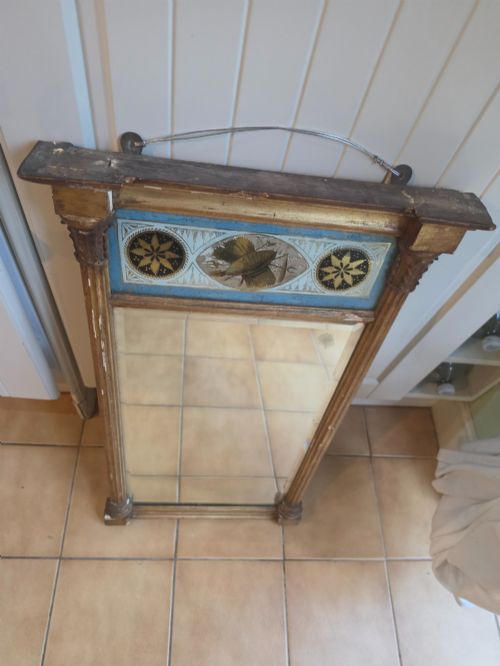
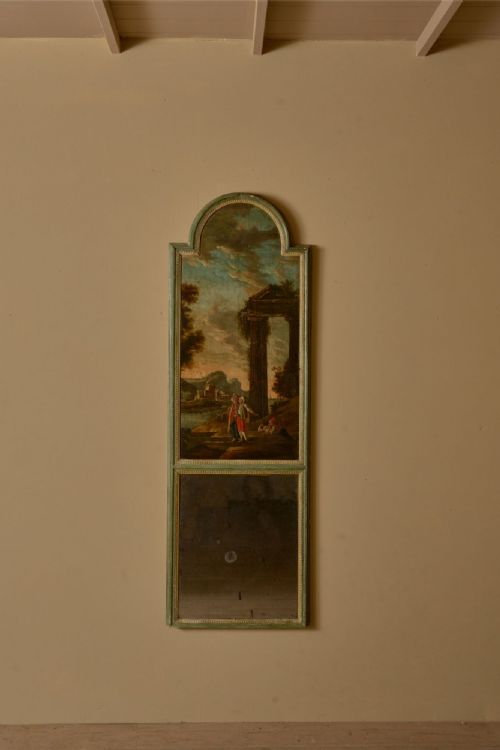
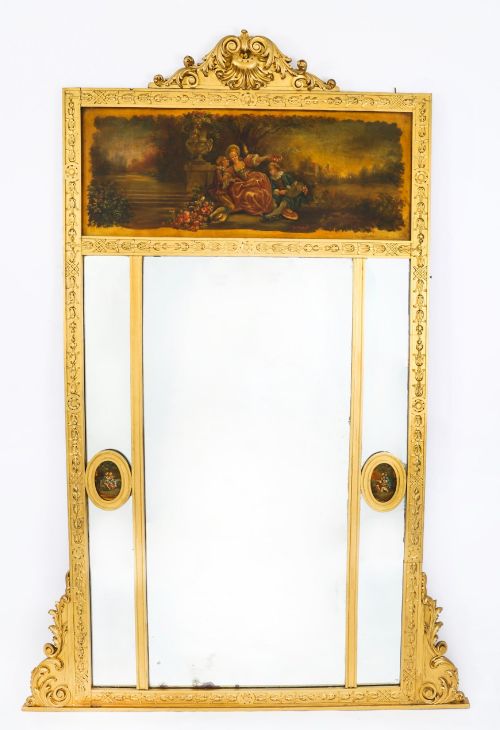
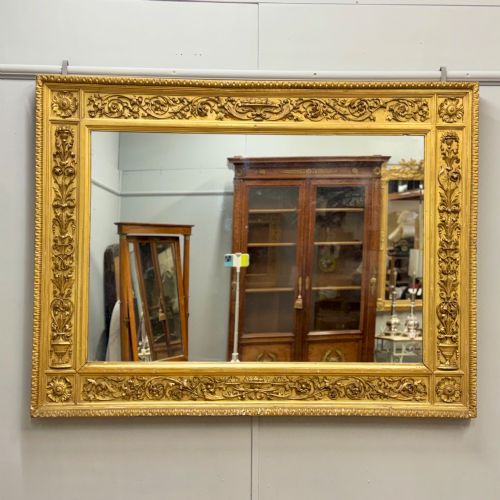




Classical French Mirror
A classical french mirror brings architectural dignity to a room, offering refined proportions and centuries of ornate craftsmanship.
Classical French Mirror
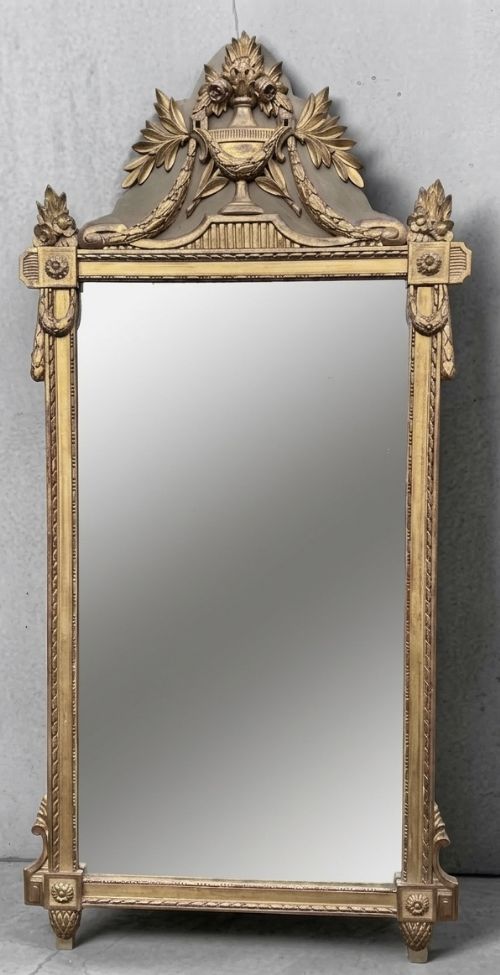
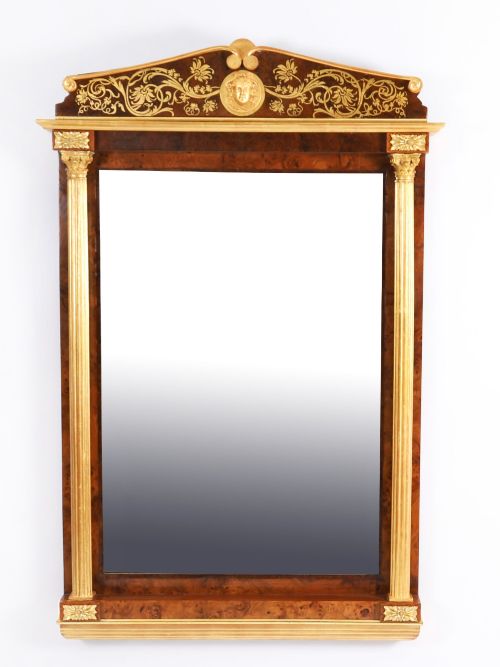
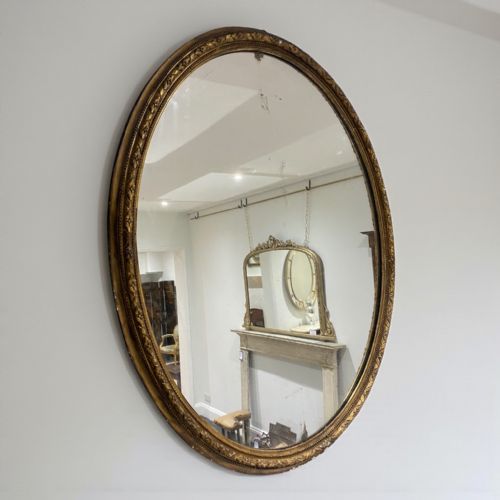
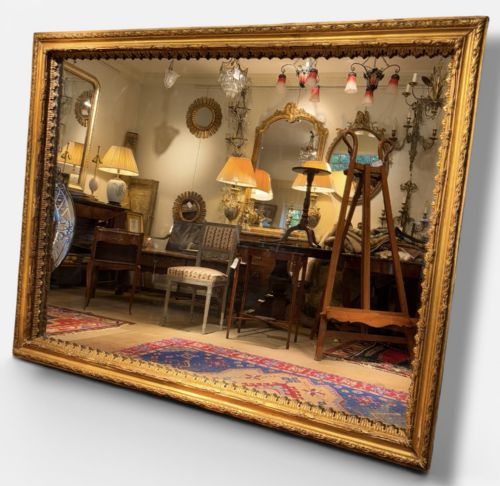
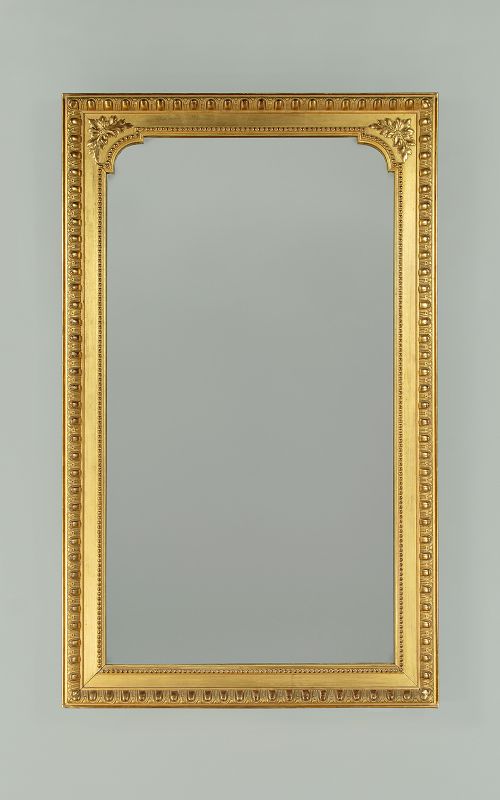
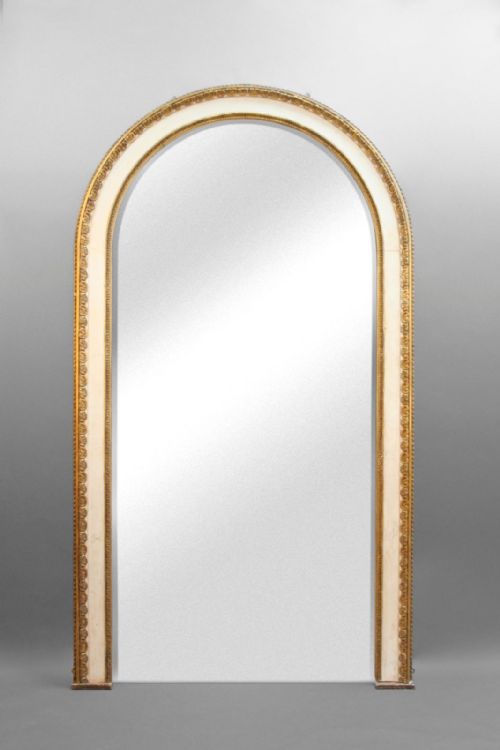
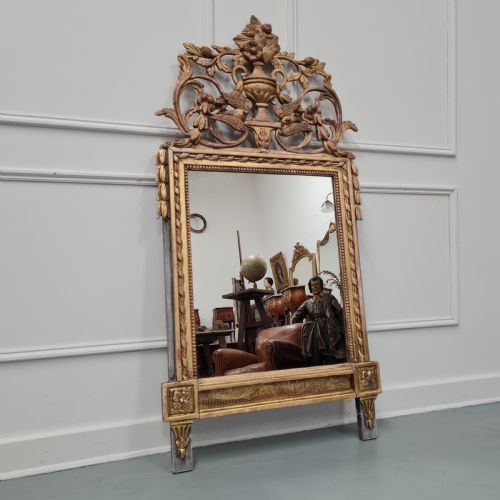
When you search for a classical french mirror, you encounter wall-mounted pieces, overmantel designs, and trumeau panels spanning the nineteenth century. These objects bring historical depth to interiors through substantial wooden frames and reflective glass.
The version you meet most frequently on this page is the giltwood wall mirror or overmantel mirror from the eighteen-eighties. Such pieces often display carved mythological motifs, floral details, or architectural columns.
Beyond standard wall hangings, the selection includes cheval mirrors, pier mirrors, and console combinations originating from French empire or neoclassical traditions. Each form serves a distinct spatial function, whether anchoring a mantlepiece or standing freely in a dressing room.
How they were made
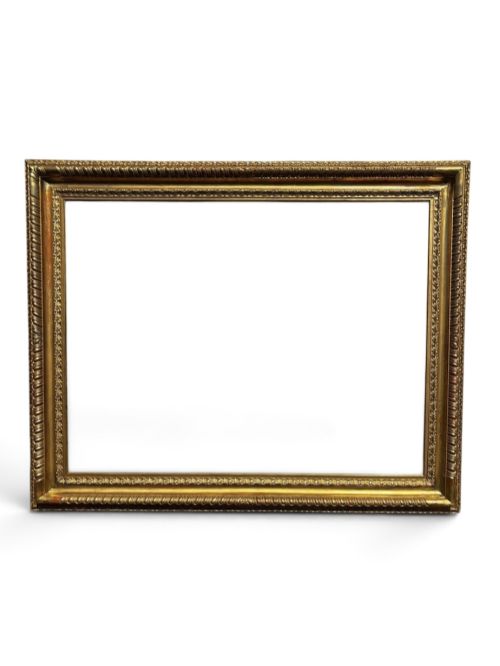
Frames are constructed from solid woods like mahogany or burr walnut, alongside carved wood and gesso foundations that receive applications of gold leaf or paint. Giltwood techniques involve laying delicate gold leaf over prepared gesso surfaces to achieve a luminous finish.
Carving and relief work define the ornamentation, utilising hand tools to shape mythological figures, cherubs, and classical motifs into the wood. Painted panels, faux marble finishes, and silvered treatments complete the decorative surface vocabulary.
Classical French Mirror Retail Price Guide 2026
Typical asking prices for classical french mirror among the pieces listed under this phrase on Sellingantiques today, from the lower quarter to the upper quarter. They describe what is for sale here now, not the wider market.
Several mirrors watch over the room accompanied by carved cherubs, putti crests, and sculptural peacocks keeping eternal watch.
What varies in quality
The standard of carving separates basic framing from exceptional execution, seen in the crispness of mythological reliefs, floral carvings, and putto cresting. Hand-carved depth and proportion indicate the hand of a skilled artisan rather than mass production.
The treatment of the gilded surface and the preservation of original glass contribute heavily to overall excellence. Fine examples maintain intact gold leaf and well-balanced patination across the wood and gesso structure.
The Classical French Mirror Glossary
- Giltwood
- Wood that has been covered with a thin layer of gold leaf. This technique provides a brilliant and durable metallic sheen to the carved frame.
- Trumeau
- A decorative wall mirror featuring an integrated painted or carved panel above the glass. These panels often display classical scenes or mythological reliefs.
- Overmantel mirror
- A large horizontal mirror designed specifically to hang above a fireplace mantel. They frequently incorporate arched tops and elaborate cresting.
- Gesso
- A plaster mixture applied to wood frames to create a smooth surface for gilding. It allows carvers to achieve sharp, detailed relief ornamentation.
- Pier mirror
- A tall mirror designed to hang on the narrow wall space between two windows. They often coordinate with matching console tables below.
Classical French Mirror: Frequently Asked Questions
Where should I hang an overmantel mirror?
An overmantel mirror rests naturally above a fireplace mantel to reflect light and anchor the room's main wall. Its horizontal proportions complement the hearth structure below.
Ensure secure wall fixings support the weight of these substantial carved frames, particularly when dealing with large nineteenth-century examples.
What is a trumeau mirror?
A trumeau mirror incorporates a decorative painted or carved wooden panel directly above the glass plate. Originating in French interiors, this style combines artwork and mirror into a single architectural fixture.
They function effectively on main walls where traditional artwork might otherwise hang, adding height and historical character.
How do I identify French Empire style?
French Empire pieces display classical restraint, symmetry, and motifs inspired by antiquity. Look for flame mahogany timbers, bronze mounts, and architectural columns.
These designs date primarily to the early nineteenth century and project a formal, monumental presence.
Can I use a cheval mirror in a bedroom?
A cheval mirror stands independently on an adjustable pedestal frame, allowing full-body reflection. Nineteenth-century versions in flame mahogany or bronze suit dressing spaces well.
Their freestanding nature means no wall mounting is required, offering flexibility in room layout.