


Classical Floor Lamp
A classical floor lamp brings monumental presence and refined proportion to a room, using antique brass, bronze, and carved giltwood to light a space.

Classical Floor Lamp
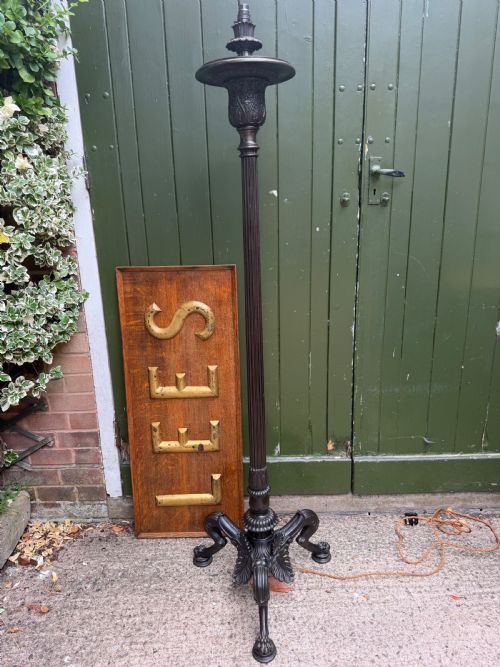
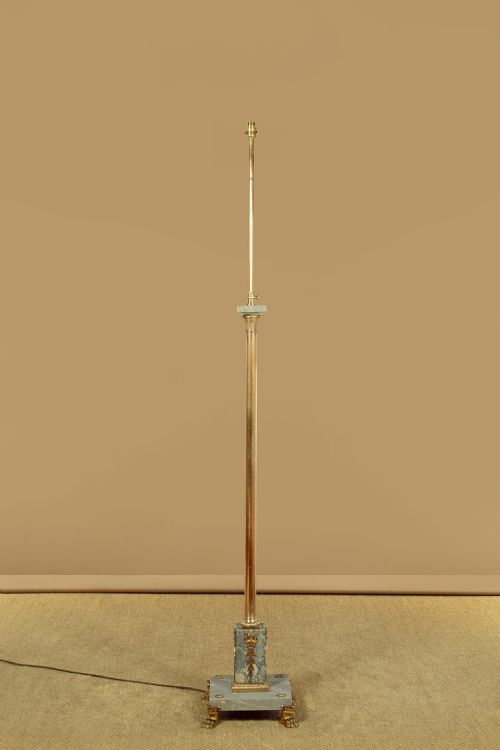
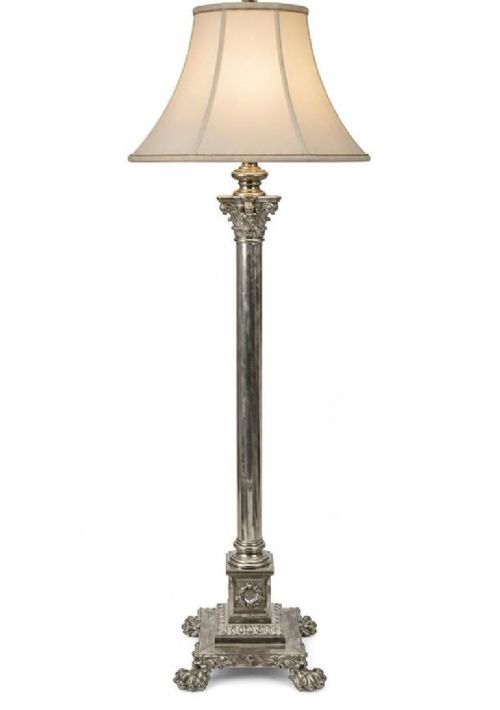
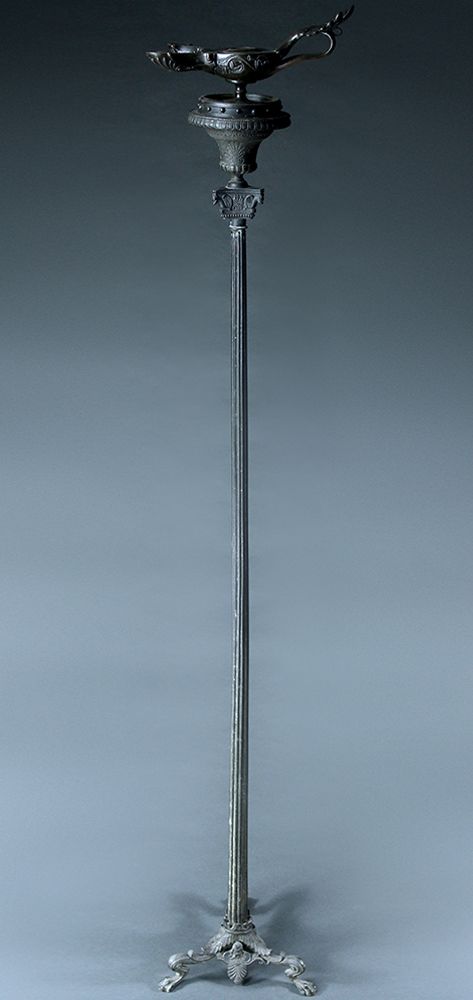
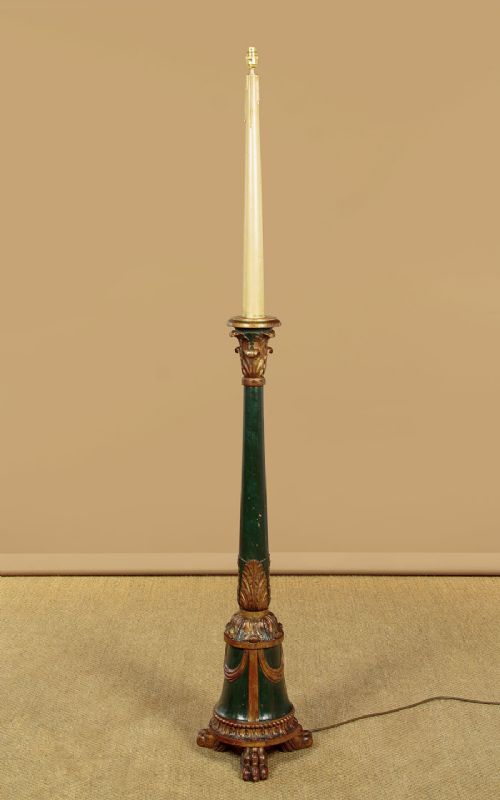
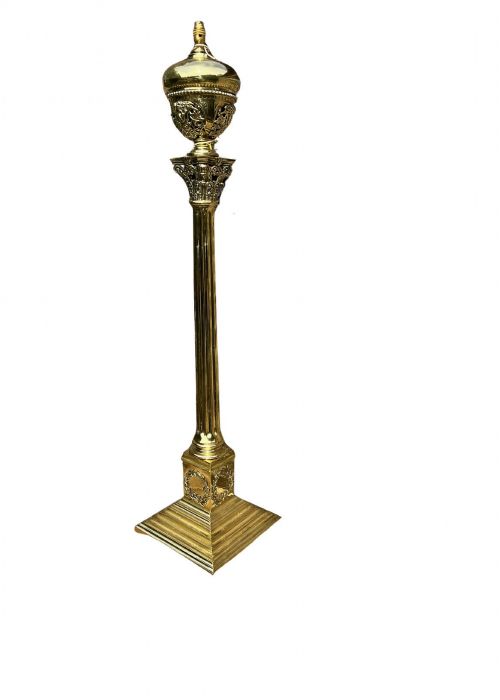
A classical floor lamp stands as a tall vertical pillar designed to illuminate a room from a raised height, frequently taking the form of a standard lamp or a columnar torchere. These pieces draw directly from ancient architectural motifs, incorporating fluted shafts and Corinthian capitals derived from classical stone buildings.
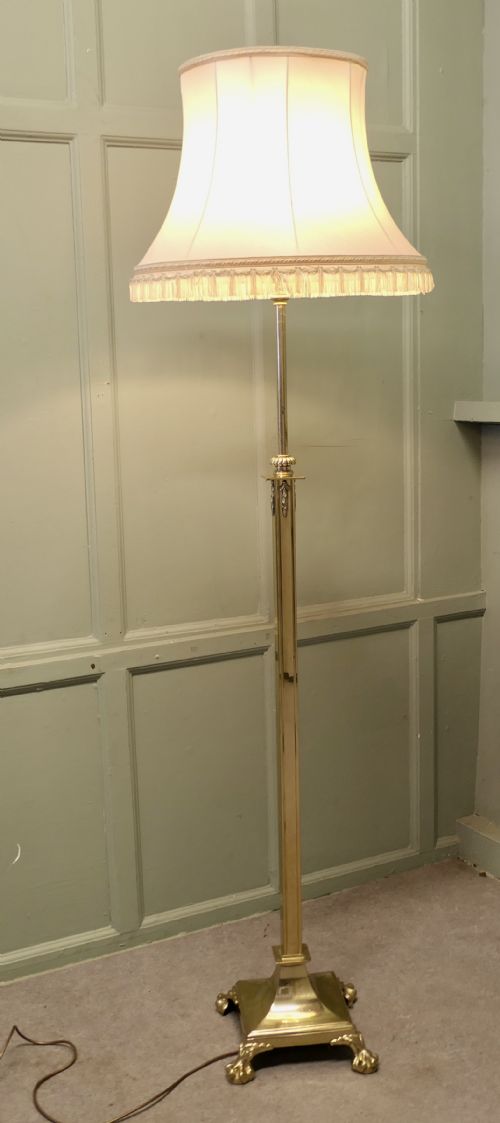
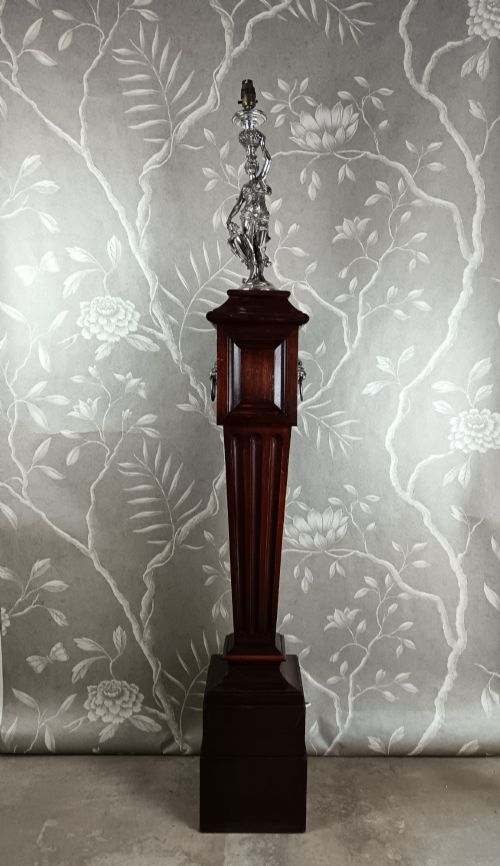
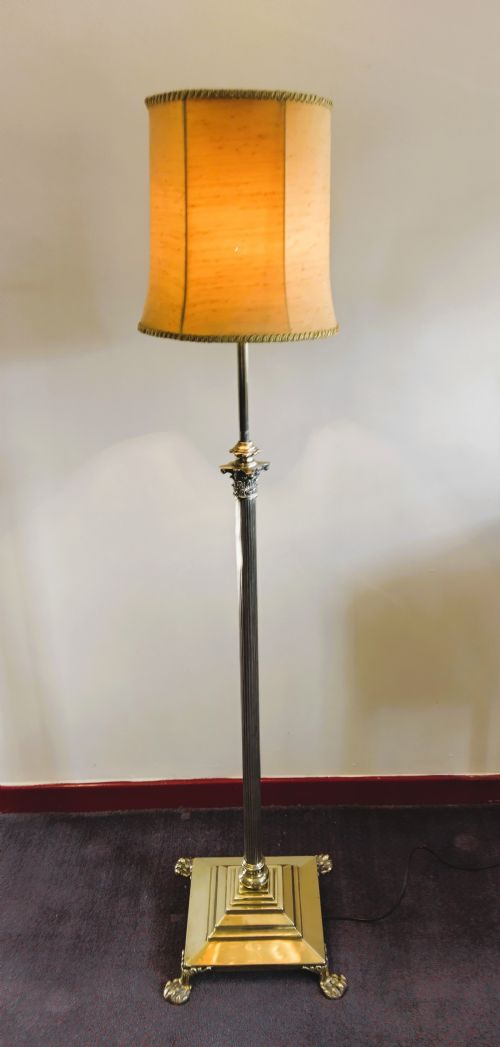
The selection on this page spans from the nineteenth century through the early decades of the twentieth century, encompassing Victorian, Edwardian, and Neoclassical Revival periods. Buyers encounter heavy brass telescopic columns, bronze figural standards, and painted or giltwood frames shaped in French and Swedish classical styles.
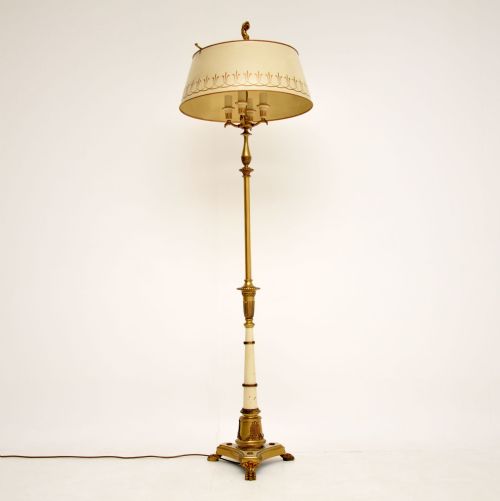
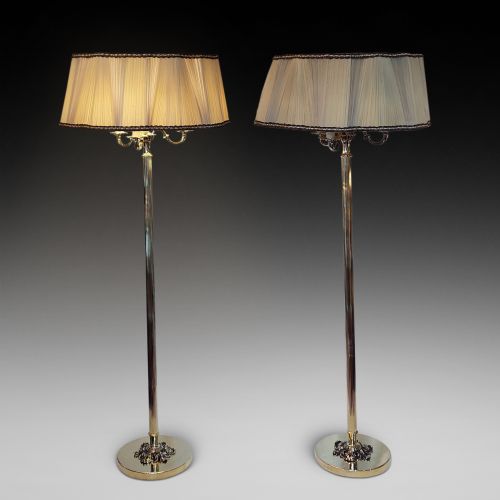
Many examples utilise adjustable mechanisms or twin arms, while others support original tole shades or fabric coverings. Origin points stretch across Britain, France, Sweden, and Italy, reflecting a shared European fascination with antiquity.
How they were made
Makers constructed these floor lamps using heavy cast metals, turning solid brass columns and casting bronze or cast-iron figures with patinated finishes. Telescopic standards incorporate inner sliding tubes that permit height adjustment through screw keys or collar fittings.
Carved timber versions rely on giltwood, parcel-gilt, or painted surfaces applied over dense wood bases. Marble and alabaster frequently form heavy pedestals and circular platforms that anchor the towering height of the structure.
Several classical floor lamps proudly exhibit cast rams' heads peering outward from their Corinthian capitals.
What varies in quality
The sophistication of the engineering separates standard production from exceptional examples, particularly in smooth telescopic adjustment actions and neatly concealed internal wiring channels. Surface treatments, such as original fire gilding, rich bronze patination, or carefully preserved gesso on giltwood, retain depth and character that lesser re-platings lack.
WMF·F. De Luca·Humphrey Hopper·François-Christophe-Armand Toussaint·Coutan
The Classical Floor Lamp Glossary
- Torchere
- A tall stand or floor lamp designed to hold a light source high above the floor. The term originates from French lighting stands intended to carry wax torches.
- Standard lamp
- A British term for a floor-standing upright lamp base. These fixtures typically support a large fabric shade.
- Tole
- Painted or lacquered sheet metal, frequently utilised for decorative shades and lamp bodies in French neoclassical designs. It provides a durable coloured surface with a soft sheen.
- Giltwood
- Timber carved and coated with a thin layer of gold leaf or gilt gesso. It reflects candlelight and electric illumination alike.
- Corinthian column
- A classical architectural order identified by ornate capitals decorated with carved acanthus leaves. This motif appears frequently on brass floor lamp shafts.
Classical Floor Lamp: Frequently Asked Questions
What is the difference between a torchere and a standard lamp?
A torchere traditionally directs light upward toward the ceiling, echoing the form of ancient elevated candle stands. Standard lamps usually feature a wider spread at the top to support a hanging fabric shade for general room lighting.
Many antique floor-standing fixtures blur these categories, adopting torchere proportions while carrying lamp holders and shades suited for modern electrical use.
How should I clean antique brass bases?
Dust brass and bronze surfaces regularly with a soft, dry cloth to prevent grime accumulation. Avoid aggressive commercial metal polishes that strip away historical patina and wear down delicate cast details.
Unplug the lamp before performing any maintenance. If the metal requires deeper cleaning, use a mild soapy solution on a damp cloth and dry immediately.
Are these lamps safe for modern electrical standards?
Many antique floor lamps retain old internal wiring that requires professional rewiring by a qualified electrician before use. Electricians can update internal flex and lamp holders while preserving the original exterior metal or wood components.
Check that the heavy base remains stable and secure on the floor, especially when paired with large lampshades that alter the overall balance.