

Classical Engraved Portrait
A classical engraved portrait captures historical subjects and mythological figures through ink on paper or carved hardstone, bringing distinct character to a room.
Classical Engraved Portrait
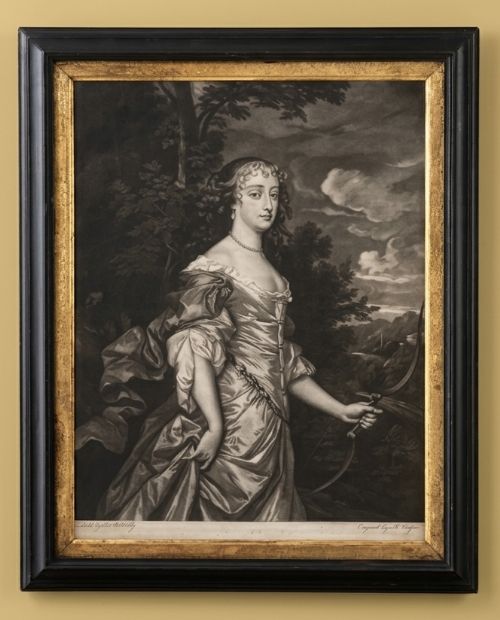
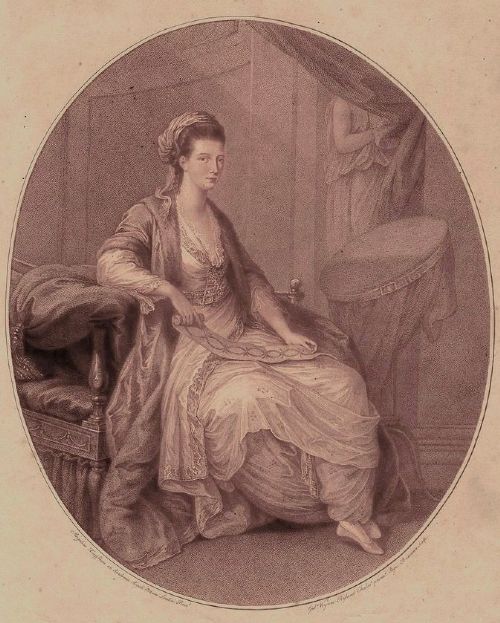
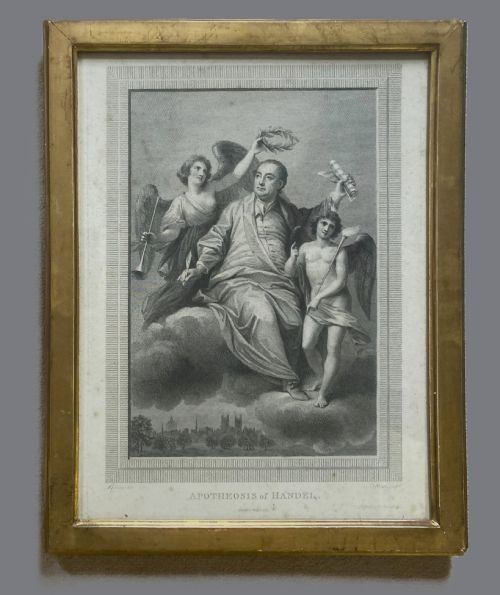
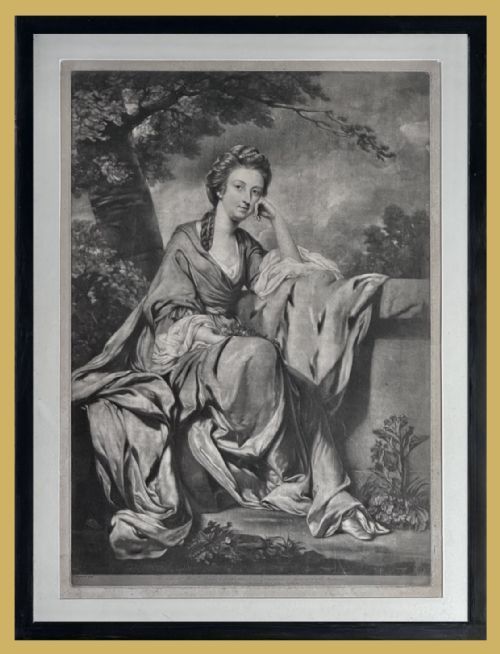
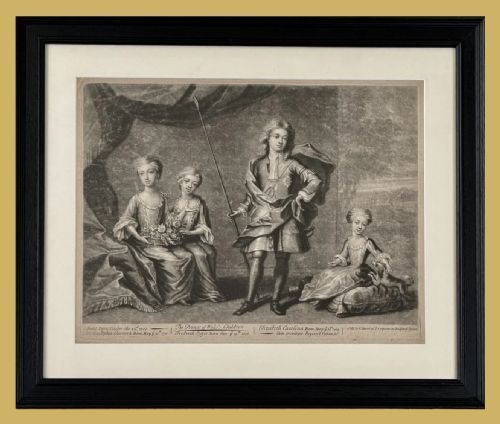
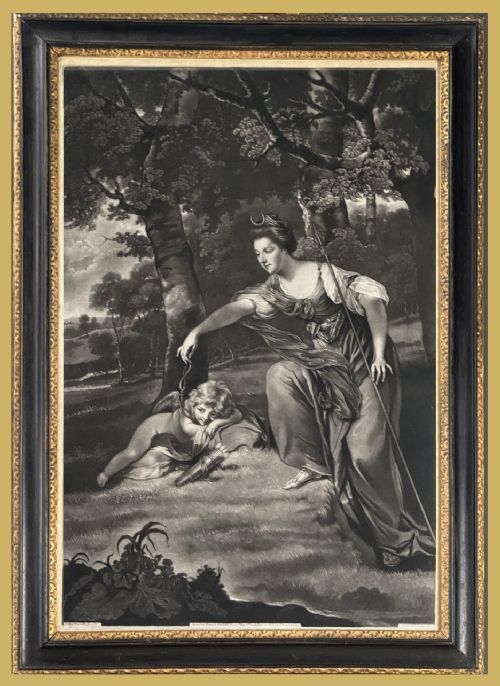
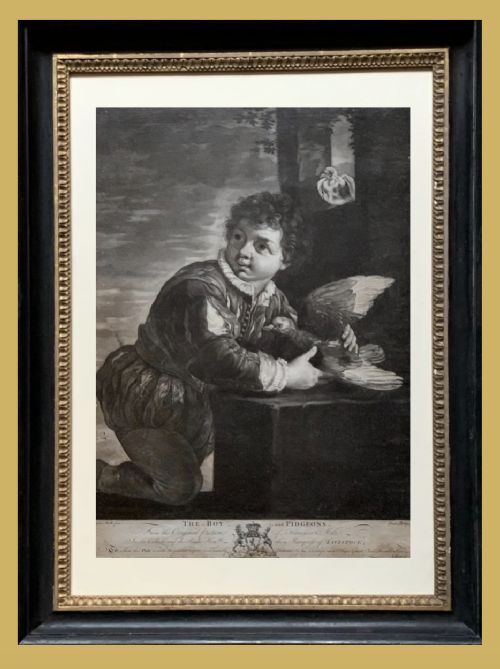
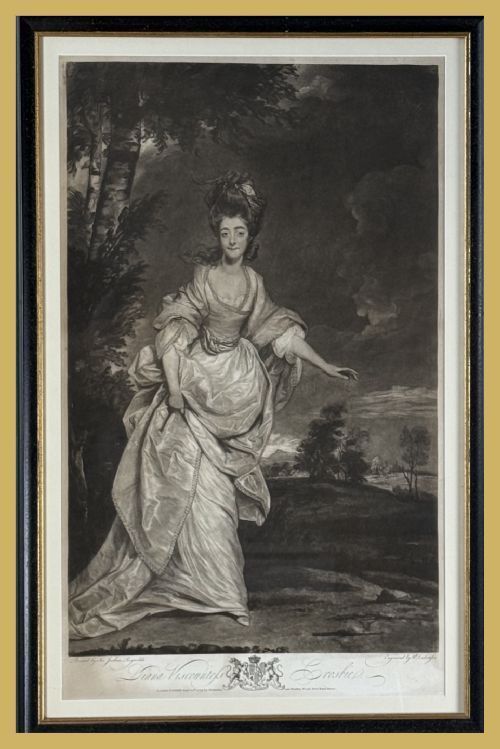
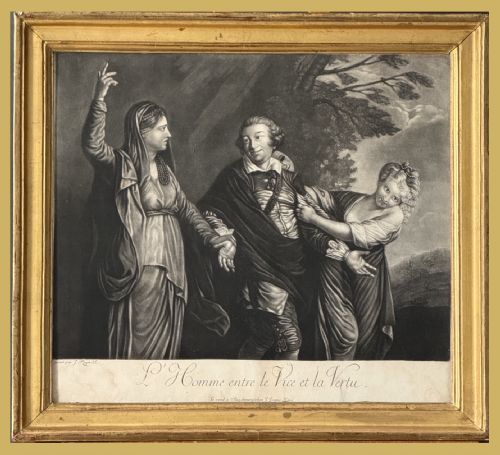
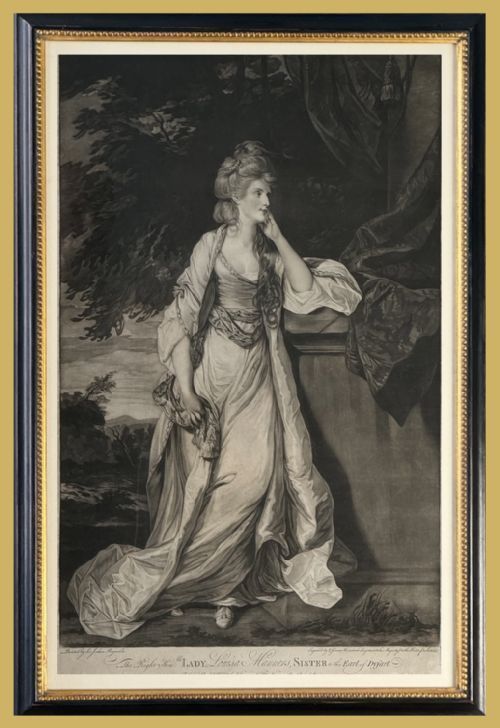
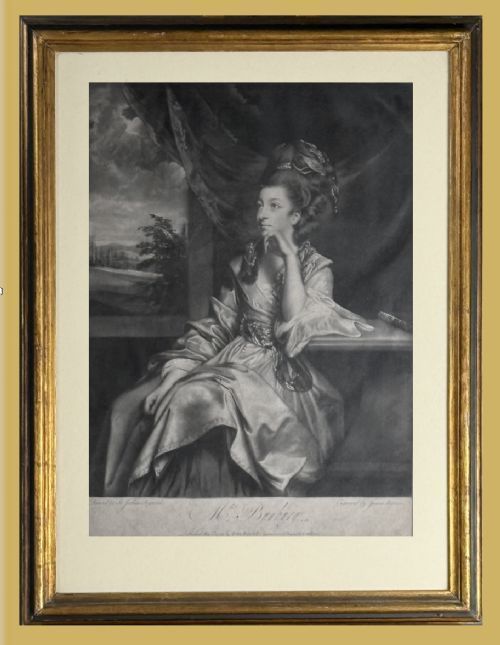
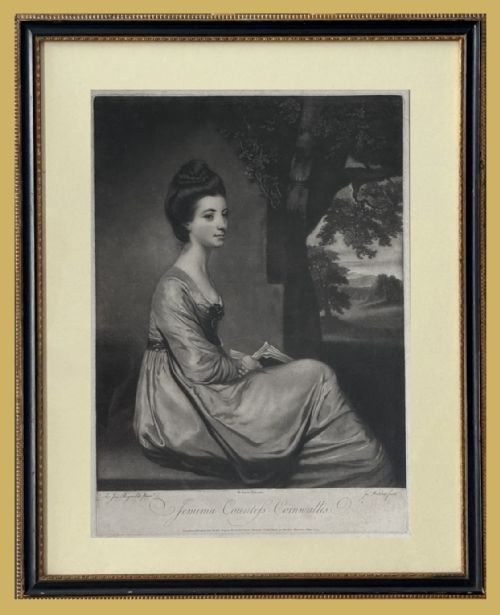
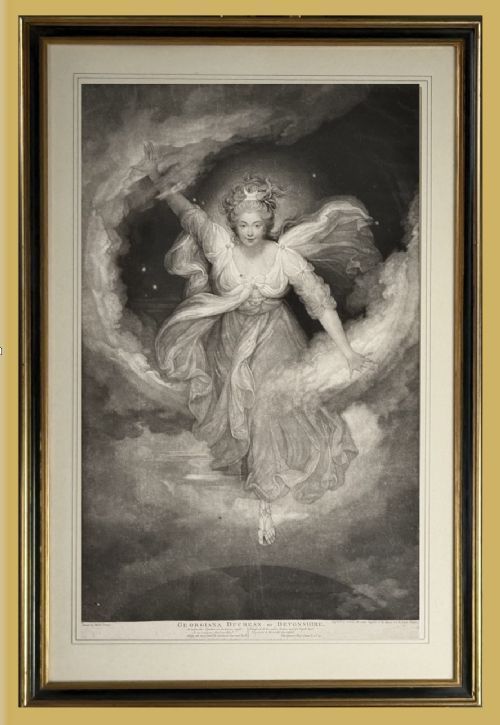
When you search for a classical engraved portrait, you find framed prints, intaglio rings, and carved brooches spanning the Georgian, Victorian, and Regency periods. The most common version met on this page is the 18th-century mezzotint print on paper, often after paintings by Sir Joshua Reynolds.
Subjects range from notable actresses and politicians to mythological figures like Zeus, Aphrodite, and Socrates. These works appear in wood and gilt frames, or set into gold rings and glassware from later decades such as 1920.
How they were made
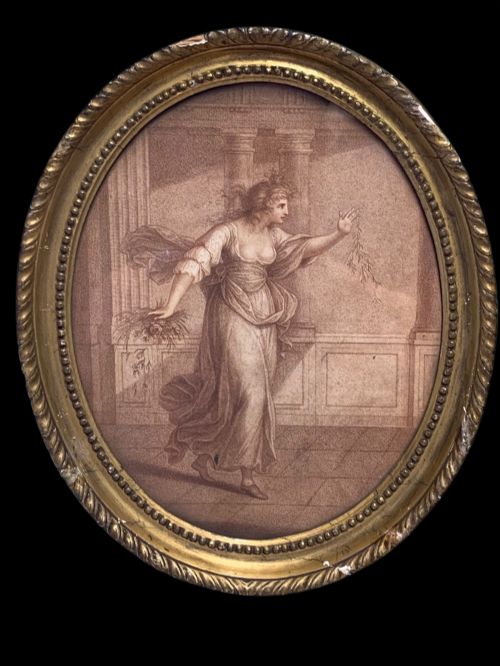
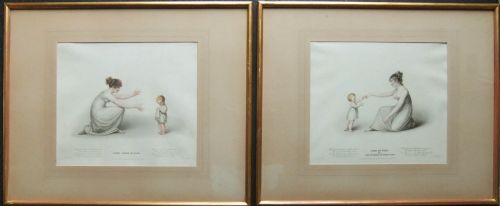
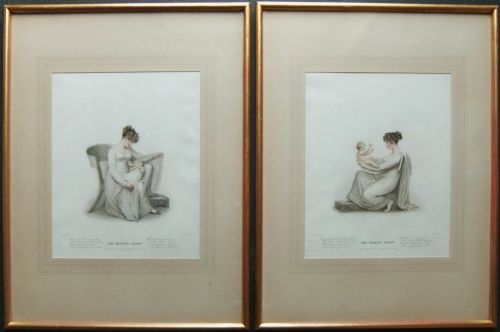
Printmakers utilised techniques like mezzotint and stipple engraving on paper, translating original painted portraits into detailed ink impressions. These prints frequently sat within wood frames, sometimes accented with gold leaf or gilt.
In wearable forms, artisans carved hardstone, agate, and shell to create intaglio and cameo jewellery mounted in gold, while other pieces involved wheel engraving directly onto glass vases.
Classical Engraved Portrait Retail Price Guide 2026
Typical asking prices for classical engraved portrait among the pieces listed under this phrase on Sellingantiques today, from the lower quarter to the upper quarter. They describe what is for sale here now, not the wider market.
Even Socrates finds himself rendered in glass on a 1920 English vase.
What varies in quality
The impression strength on paper separates fine mezzotints and stipple engravings from worn examples, as plate wear softens the delicate lines and tonal gradations. The sharpness of the ink application and the preservation of the paper determine the visual impact of the print.
For carved items like rings and brooches, the precision of the stone cutting and the depth of the relief define the execution. The quality of the surrounding gold mount and the preservation of the original frame also influence the overall standard.
Thomas Watson·John Boydell·Edward Fisher·James Watson·Valentine Green·Adam Buck·Robert Sayer·W Roffe·J Brown
The Classical Engraved Portrait Glossary
- Mezzotint
- A printmaking process where the copper plate is roughened to produce rich tonal variations and dark backgrounds. This technique allows for subtle gradations of light and shade in portraiture.
- Stipple engraving
- A method of using dots of varying sizes and density to create form and tone on a printing plate. It produces a soft, chalk-like effect popular for portrait prints.
- Intaglio
- A design carved into the surface of a gemstone or hardstone so that an impression pressed into wax yields a raised image. These were often mounted into rings for sealing or decoration.
- Cameo
- A method of carving where the design is raised in relief against a contrasting background colour. This style draws on classical motifs like Aphrodite.
- Hardstone
- A semi-precious stone such as agate used for detailed carving in rings and jewellery. It provides a durable medium for miniature classical portraits.
Classical Engraved Portrait: Frequently Asked Questions
What is a mezzotint?
A mezzotint is an engraving method where the plate is textured to hold ink and produce deep tonal gradations.
This technique creates velvety shadows and smooth transitions of light, which explains its popularity for 18th-century portrait prints.
How are intaglio rings worn?
Intaglio rings feature a carved stone set into a metal band, often gold.
Historically, these engraved stones served as personal seals for documents in addition to being worn as decorative jewellery.
How do I date an engraving?
Dating relies on the paper type, framing style, and the printmaker or artist named in the margin.
Subject matter and engraving techniques also point to specific periods like the Georgian era or the Regency years.
What subjects appear in these portraits?
Subjects include historical politicians, actresses, and literary figures alongside classical Greek and Roman deities.
Artists frequently reproduced paintings by prominent portraitists of the 18th century such as Sir Joshua Reynolds.