
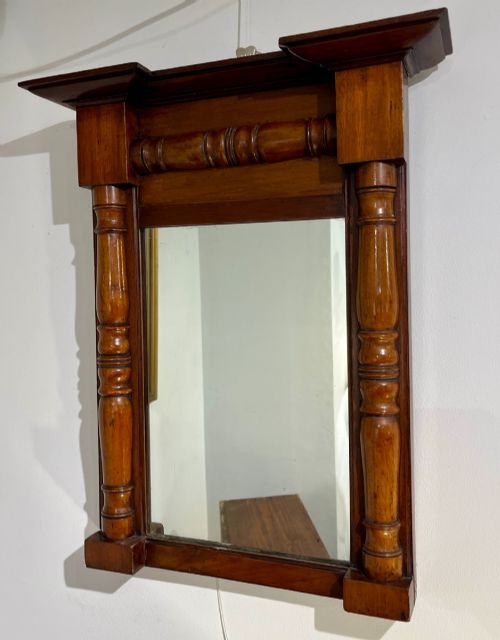


Classical Column Frame
A classical column frame brings architectural proportion and gilded dignity to a room, holding mirrors and prints within structured orders.
Classical Column Frame
A classical column frame provides a structured architectural border for mirrors and prints, drawing directly from Neoclassical, Regency and Victorian design traditions. When you search for a classical column frame, you encounter substantial overmantel and pier mirrors alongside architectural engravings dating from the eighteenth century to the early twentieth century.
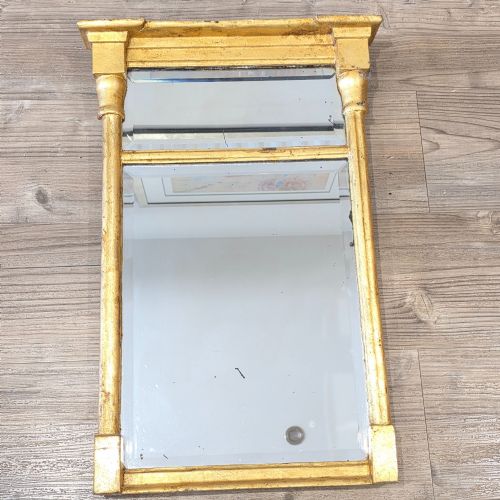
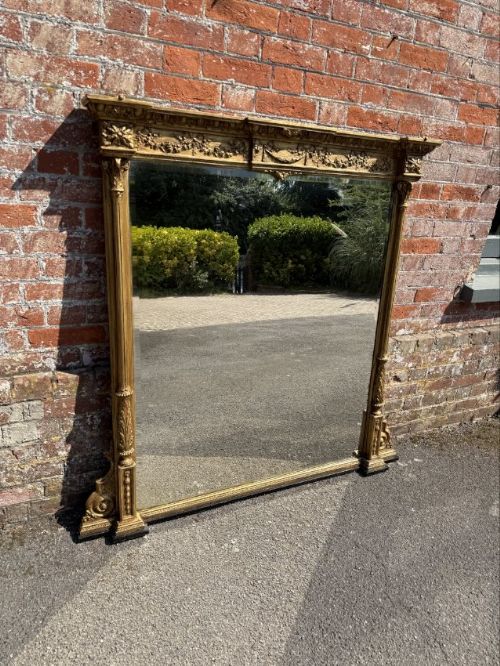
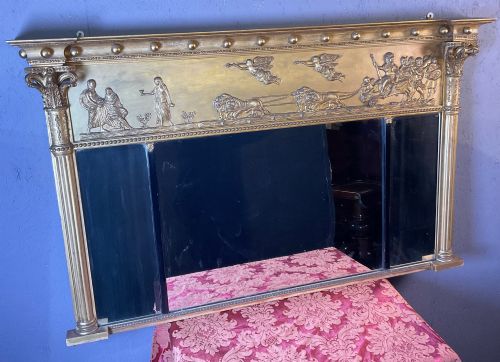
The overmantel mirror stands out as the most frequent form on this page, often framed by fluted or Corinthian columns in carved wood and gesso. These pieces emerge primarily from nineteenth-century English and French workshops, utilising proportions designed to command a chimney breast or large wall.
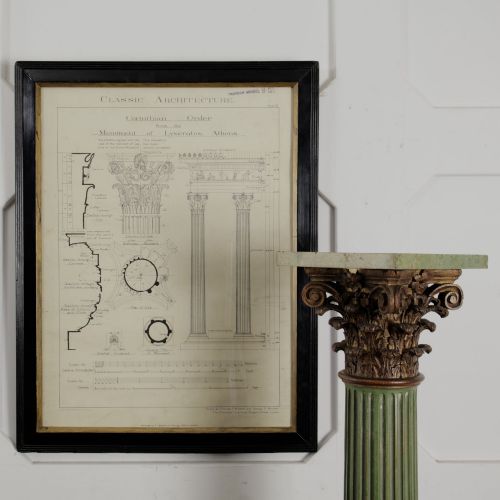
Beyond mirrors, the category encompasses framed prints and engravings depicting temples, classical orders and architectural scenes from Greece and Rome. These paper works utilise period copper engraving techniques, maintaining a direct visual dialogue with the columned furniture frames listed alongside them.
How they were made
Makers shaped structural timber foundations from mahogany, burr walnut and pine, applying carved wood and gesso layers to build up intricate column capitals and fluted shafts. Giltwood pieces received thin layers of gold leaf laid over a prepared gesso ground, while others utilised painted surfaces and ebonised details to contrast against metallic highlights.
Glass production relied on early plate techniques for large overmantel and pier mirrors, secured within heavy wooden rabbets behind the architectural framework. Paper works employed copper plate engraving with ink on laid or wove paper, capturing fine architectural lines for architectural plates.
Several architectural engravings document the Temple of Jupiter Olympus and the Gran Candelabro, bringing ancient stone columns straight to the drawing-room wall.
What varies in quality
The definition and crispness of the carved wood and gesso ornamentation dictate the upper tiers of quality in these frames. Crisp fluting on the columns and sharply articulated Corinthian capitals separate superior joinery from softer, heavily restored moulding.
The integrity of the gilding and the depth of the wood grain, whether birds-eye maple, mahogany or burr walnut, determine visual resonance. Original glass plates with authentic foxing carry distinct character compared to later replacements, while deep relief carving elevates carved wooden architectural elements.
The Classical Column Frame Glossary
- Pier mirror
- A tall narrow mirror designed to hang on the wall space between windows. These pieces often incorporate classical column sides to match eighteenth and nineteenth-century interior architecture.
- Gesso
- A plaster-like material applied to wood frames and carved before gilding or painting. It provides a smooth base that holds crisp architectural detail.
- Giltwood
- Timber coated with gold leaf over a prepared ground. This finish defines the reflective warmth of Regency and Victorian Neoclassical frames.
- Overmantel mirror
- A wide mirror positioned above a fireplace mantelpiece. They frequently feature architectural column frames and triptych glass plates.
- Corinthian order
- A classical column style characterised by ornate capitals decorated with acanthus leaves. It appears frequently on nineteenth-century mirror frames and architectural engravings.
Classical Column Frame: Frequently Asked Questions
How do I hang a heavy column overmantel mirror?
Heavy architectural mirrors require secure fixing directly into wall studs or masonry using substantial brackets suited to the weight of the wood and glass. Professional installation ensures the frame rests safely without straining the structural joints.
Position the mirror at a height that reflects natural light from windows or balances the proportions of the fireplace below it. Ensuring level placement allows the vertical lines of the column frame to hang true against the wall.
What is the difference between pier mirrors and overmantels?
Pier mirrors are built vertically to fit narrow wall spaces between windows, often featuring compact widths and elongated column sides. Overmantel mirrors are constructed horizontally to span the wider expanse above a fireplace opening.
Both forms utilise classical column frames, but their proportions serve entirely different architectural zones within a nineteenth-century interior. Choosing between them depends entirely on the wall space available in the room.
How do I identify a Regency period frame?
Regency frames display refined Neoclassical restraint, often combining gold gilt finishes with ebonised details and clean architectural lines. The proportions lean towards classical temple architecture, utilising simplified column forms.
They date from the early nineteenth century and reflect an archaeological interest in Greek and Roman antiquities. The joinery and backboards of the period provide additional clues to their age.
Can I clean the gold leaf on these frames?
Gold leaf requires very gentle dusting with a soft, dry brush to prevent disturbing the delicate metallic surface. Avoid using liquid cleaners, polishes or abrasive cloths which strip the underlying gesso and gold.
Preserving the original surface maintains the historical integrity of the piece. Professional conservators should handle any major cleaning or stabilization required for nineteenth-century gilding.