
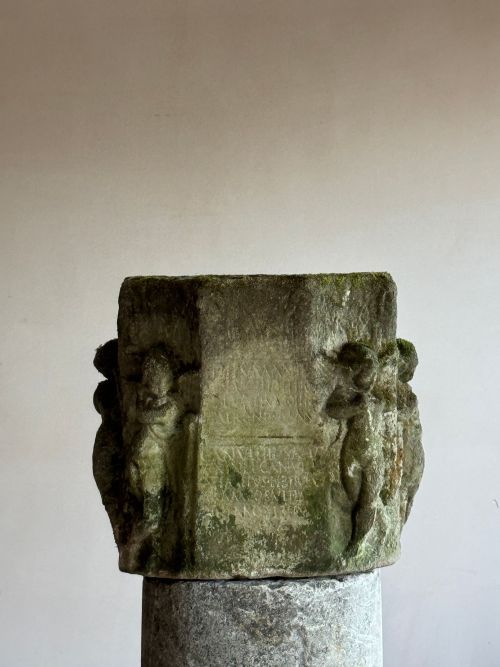
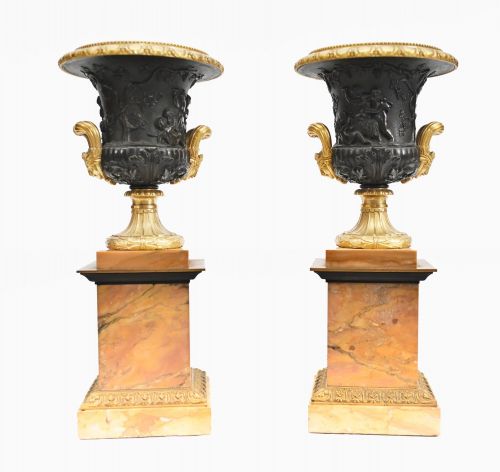


Classical Cherub Urns
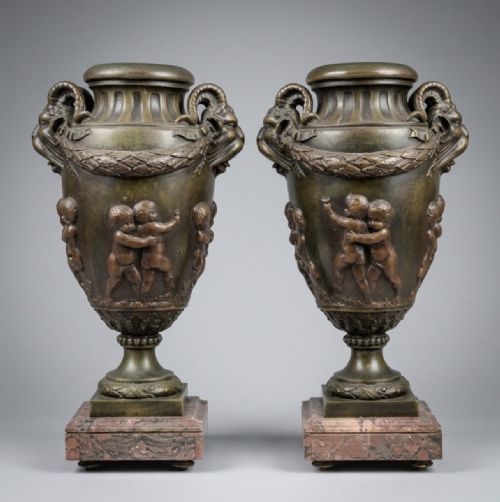
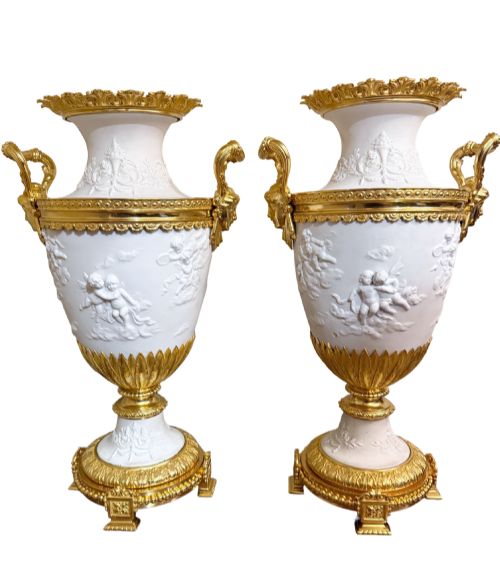
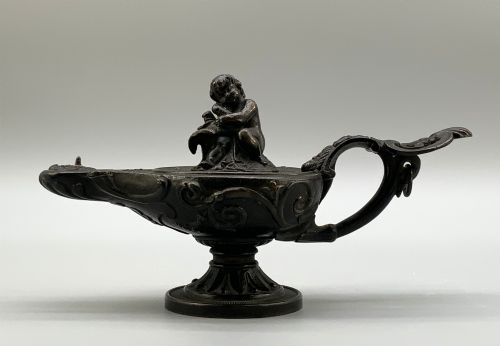
Classical cherub urns are decorative vessels and lamps bearing neoclassical figures, bringing sculptural form and historic ornament into interiors.
Classical Cherub Urns
Classical cherub urns encompass decorative urns, vases, oil lamps, table lamps, and architectural pieces drawn from nineteenth-century production. The pieces span periods from Victorian and Edwardian dates back to specific years like 1870, 1880, 1890, 1910, and 1930.
Buyers meet Neoclassical, French Neoclassical, Rococo Revival, and Grand Tour styles across these listings. Italian Grand Tour examples and French ormolu-mounted porcelain pieces form a significant portion of what appears.
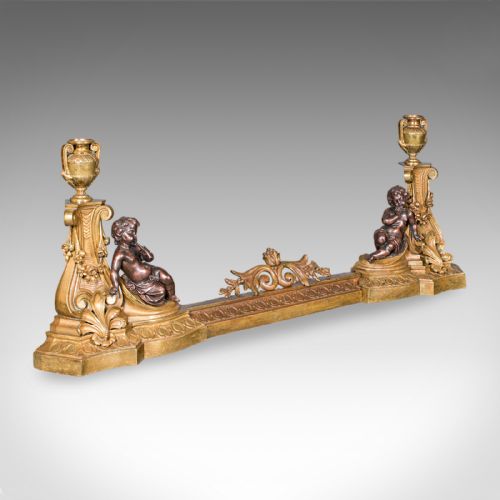
Object types stretch from garden urns and fireplace fenders to mantle vases and figural lamps. The forms integrate cherubic motifs with classic campana shapes and ritual vessels.
Materials and construction methods
Foundry work utilises bronze, bronzed spelter, cast iron, lead, and cast stone for heavy structural pieces. Gilt bronze, ormolu, and gold leaf provide metallic highlights on many cast surfaces.
Ceramic forms employ porcelain, Majolica, and enamel, sometimes associated with Sevres, Dresden, or Minton workshops. Pate-sur-pate decoration and hand-painting appear on the glazed ceramic bodies.
Marble, alabaster, and moulded plaster supply contrasting bases and sculptural groups. Glass and silvered metal also feature in specific table vessels and lamp bodies.
Listings feature items spanning the Victorian and Edwardian eras, including pieces dated to 1870, 1880, 1890, 1910, and 1930.
Factors determining quality
Quality rests upon the crispness of the metal chasing in bronze and ormolu mounts, or the fineness of detail in ceramic pate-sur-pate work. Finer items exhibit sharper modelling in the cherubic figures and foliage.
The choice and combination of materials dictate the grade of an object, such as solid bronze paired with genuine marble against spelter on plaster. Integrated components like matching lamp fittings or original bases elevate the integrity of the piece.
Sevres·Dresden·Minton
The Classical Cherub Urns Glossary
- Campana
- A bell-shaped garden or decorative urn originating from classical antiquity. These vessels frequently feature handles springing from the lower body.
- Ormolu
- Gilt bronze mounted onto decorative objects and furniture. The technique involves applying a gold-mercury amalgam to a bronze base.
- Spelter
- A zinc alloy utilised as a less costly substitute for bronze in nineteenth-century metalwork. It takes a bronzed finish to simulate heavier metal.
- Grand Tour
- A cultural journey undertaken by nineteenth-century elites acquiring classical antiquities and bronzes across Europe. Pieces brought back often replicate ancient statuary and urns.
- Pate-sur-pate
- A ceramic manufacturing method where liquid clay is painted in layers upon a contrasting body. This builds a low-relief cameo effect before glazing.
Classical Cherub Urns: Frequently Asked Questions
What materials make up classical cherub urns?
The listings show a broad material palette including bronze, bronzed spelter, cast iron, lead, marble, and alabaster. Ceramic versions incorporate porcelain, majolica, and enamel.
Finer metal pieces use gilt bronze and ormolu mounts, whilst decorative items sometimes integrate gold leaf, glass, and moulded plaster.
How were these urns used historically?
Many items served as decorative garnitures, mantel vases, or focal points in nineteenth-century drawing rooms. Others functioned practically as oil lamps or fireplace fenders.
Larger scaled items were cast for garden settings or architectural placement, mirroring classical Roman and Italian precedents.
Where did the Grand Tour influence come from?
Grand Tour pieces reflect the souvenirs collected by European travellers visiting classical sites in Italy during the nineteenth century. Workshops in Rome, Florence, and Paris produced these bronzes and urns for foreign buyers.
These objects translated archaeological discoveries into domestic decorative art for Victorian homes.
How do I distinguish nineteenth century periods?
Early nineteenth-century examples often lean towards strict neoclassical severity, whilst 1880s and 1890s pieces frequently embrace revivalist exuberance. Victorian items display heavy cast metalwork and elaborate ceramic glazing.
Later Edwardian and 1930s variations simplify the forms into moulded plaster and cast stone.
Can these urns function as modern lamps?
Several pieces in the inventory are configured as table lamps or oil lamps with electrical or structural adaptations. Historical oil lamps are frequently converted for domestic lighting.
Buyers should inspect the wiring and fittings to ensure compatibility with modern electrical standards while preserving the antique base.