



Classical Carved Table Lamp
A classical carved table lamp brings architectural weight and enduring style to a room through traditional forms and tactile materials.
Classical Carved Table Lamp
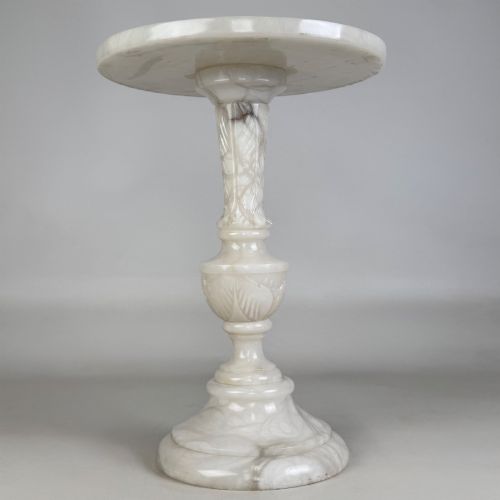
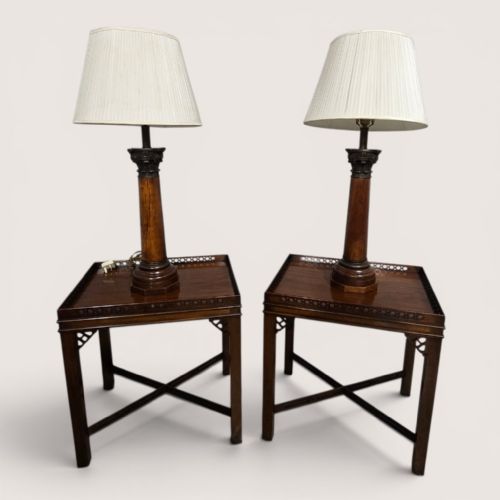
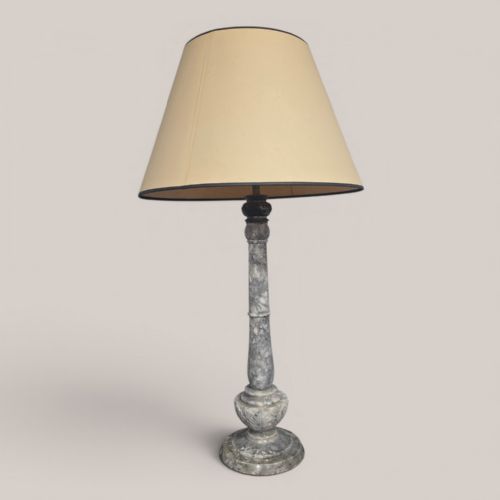
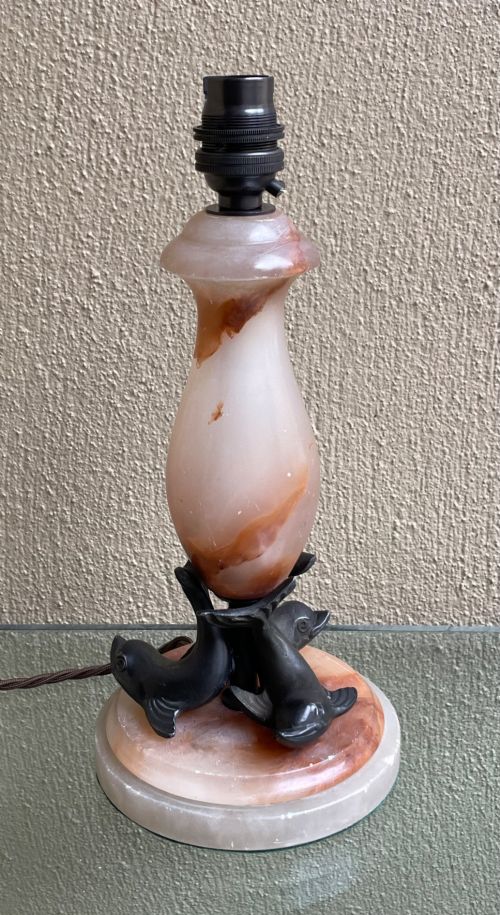
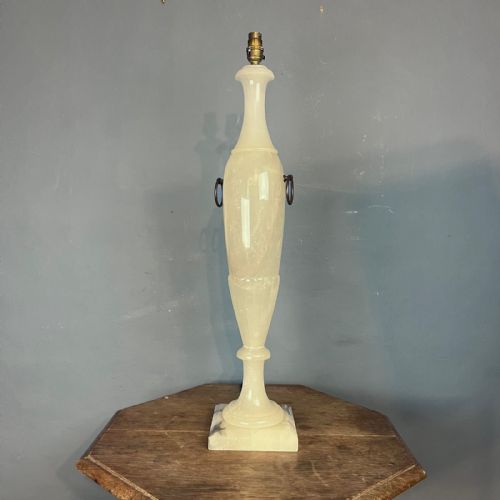
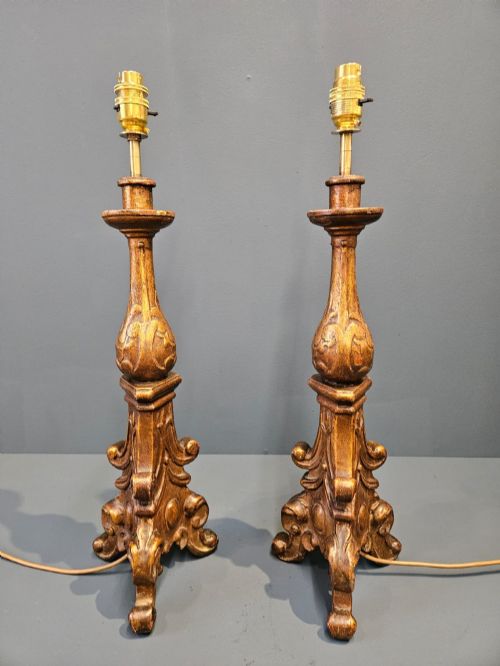
When you search for a classical carved table lamp, you encounter lighting fixtures shaped by historical architectural vocabulary and traditional ornament. The pieces gathered here span from the seventeenth century through the twentieth century, drawing heavily upon Victorian, Edwardian, and Art Deco interpretations of earlier motifs. You will frequently meet pairs constructed from carved timber, white marble, and translucent alabaster, often finished with giltwood or ormolu mounts.
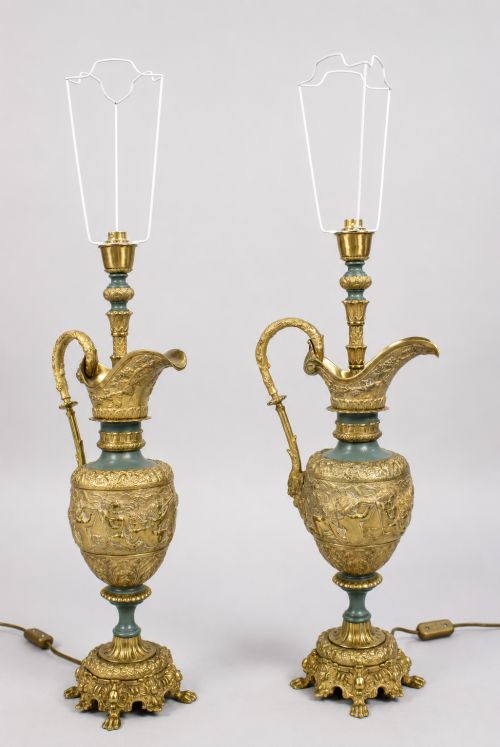
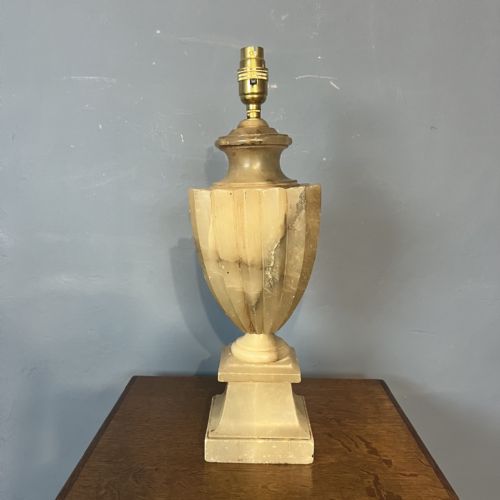
The forms on this page borrow directly from classical antiquity, featuring columns with Corinthian capitals, figural caryatids, and ewer shapes adapted for domestic illumination. French and Italian examples dominate the selection, bringing continental craftsmanship to the heavy oak, mahogany, and carved giltwood bodies. These lamps often originate from converted candlesticks or urns, retaining their original proportions while accommodating modern electrical fittings.
Materials and construction methods
The makers of these lamps relied on dense natural stones such as Italian marble, white onyx, and fine alabaster, shaped on lathes or carved by hand to capture translucent qualities. Timber components utilise oak, mahogany, and giltwood, frequently enhanced with parcel gilt highlights or hand-applied paint. Metal elements combine cast brass and gilt bronze, known as ormolu, secured to stone bases with threaded iron rods.
Surface decoration required specialised artisan skills, from the delicate frosting of Baccarat glass figurines to the meticulous laying of gold leaf over gesso grounds. Structural joins often conceal the transition between older carved elements and later twentieth-century conversions, maintaining the silhouette of the original candelabra or urn.
The listings span from the seventeenth-century carved oak caryatids to the clean lines of 1930s alabaster forms.
Distinguishing quality in carved lighting
Superior examples demonstrate crisp definition in the hand-carving of acanthus leaves, fluted columns, and figural details, avoiding the softened edges found in moulded plaster substitutes. The choice of material dictates the baseline quality, with dense, unblemished alabaster and heavy figured marble commanding greater presence than composite alternatives. Gilding quality separates the finest workshops from standard production, particularly where burnished gold leaf contrasts with matte grounds.
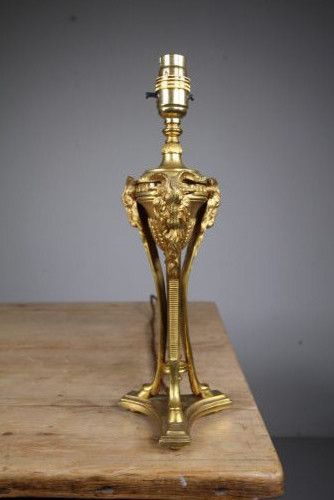
Proportion and symmetry define the upper tier of these lamps, especially when dealing with matched pairs that must balance identical heights and veining in the stone. The integration of metal mounts, whether cast ormolu rams' heads or chased bronze collars, reveals the precision of the original assembly and the care taken to preserve historical components.
The Classical Carved Table Lamp Glossary
- Alabaster
- A fine-grained, translucent stone often used for carved urns and classical lamp bodies. It allows light to diffuse softly through the material when illuminated.
- Ormolu
- Gilded bronze mounts and decorative elements applied to furniture and lighting. This technique involves coating cast bronze with a finely ground gold-mercury amalgam.
- Caryatid
- A sculpted female figure serving as an architectural support in place of a column. These appear frequently on classical wooden and stone lamp bodies.
- Ewer
- A large jug with a wide spout and handle, frequently adapted into decorative lamp bases during the nineteenth century. The classical shape mimics ancient vessels used for pouring water or wine.
- Corinthian
- An order of classical architecture distinguished by ornate capitals decorated with acanthus leaves. This motif appears frequently on the columns of early twentieth-century oak and stone lamps.
Classical Carved Table Lamp: Frequently Asked Questions
How do I date a marble lamp?
Dating a marble lamp relies on examining the weight of the stone, the composition of the internal metal rods, and the style of any cast bronze or ormolu mounts. Nineteenth-century examples often feature hand-cut threading and dense, heavily veined Italian marble.
Later twentieth-century pieces tend to show more uniform machinery marks and simpler turned bases. Comparing the wiring channels and mounting hardware against known period pieces provides further chronological context.
Are these lamps converted candlesticks?
Many traditional table lamps began as seventeenth or nineteenth-century candlesticks, cassolettes, or decorative urns. Artisans later drilled these objects to run electrical wiring, often hiding the cord through the original central axis.
This adaptive practice preserves the antique silhouette while updating the object for domestic lighting. Inspecting the base reveals whether the conversion was integrated cleanly into the original structure.
How do I clean alabaster lamps?
Alabaster is a soft, porous stone that absorbs moisture and oils easily, requiring dry cleaning methods rather than water. A soft, lint-free cloth or a dry brush removes dust from carved crevices without damaging the surface.
Harsh chemical cleaners strip the natural polish and stain the stone permanently. Professional conservation wax can be applied sparingly to protect the finish if recommended by a specialist.
What shades suit classical lamps?
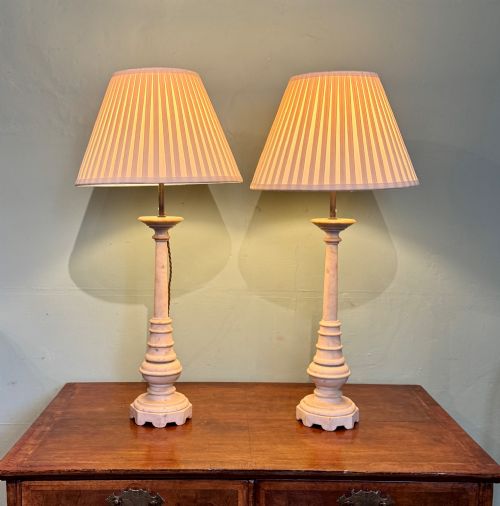
Fabric shades in neutral silks, linens, or pleated parchment complement the muted tones of marble, alabaster, and giltwood. The scale of the shade should balance the heavy architectural presence of columns or figural bases without overpowering them.
Proportion remains paramount, ensuring the diameter of the shade matches the widest part of the lamp body. Simple, tailored shapes allow the carved details of the base to remain the focal point.