
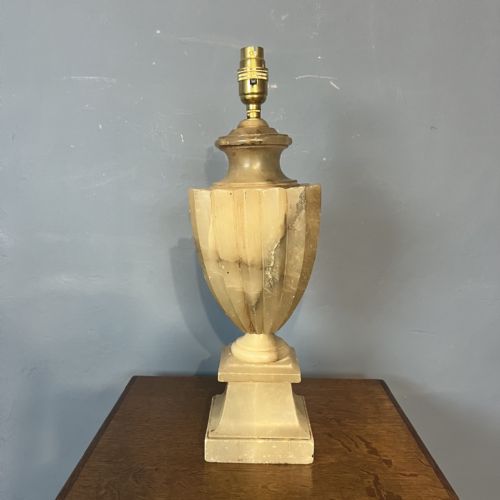


Classical Carved Marble Lamp
A classical carved marble lamp brings solid weight and carved architectural presence to a room, drawing the eye with enduring stone and metal details.
Classical Carved Marble Lamp
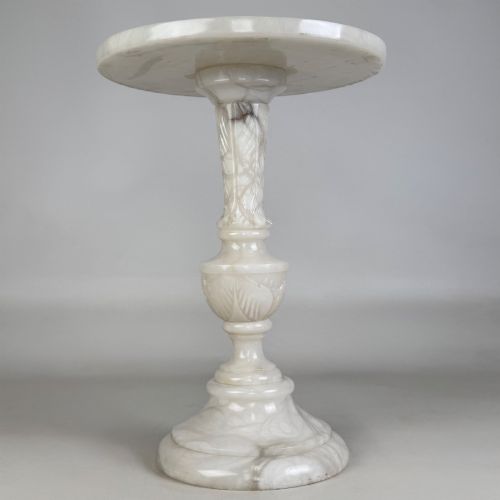
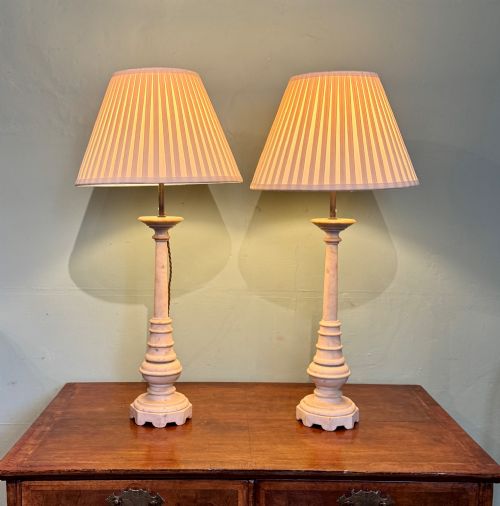
When you search for a classical carved marble lamp, you encounter solid stone illumination rooted in the nineteenth and early twentieth centuries. These pieces draw heavily on neoclassical design, featuring restrained columns, urn shapes, and figural elements carved from substantial mineral blocks.
The versions most commonly met on this page span table and floor standing formats from French, Italian, and British origins. Makers often paired the primary stone body with cast bronze, brass, or ormolu mounts to heighten the architectural silhouette.
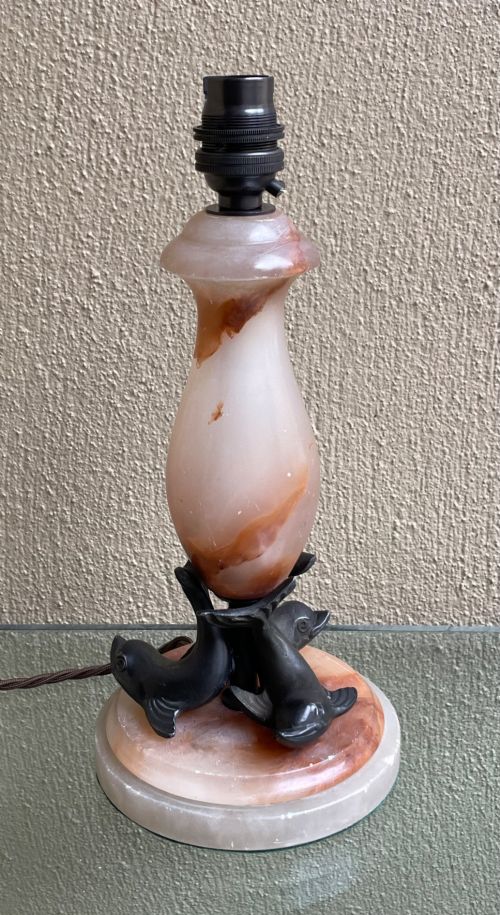
The selection ranges from simple Edwardian and Victorian specimens to grander French cassolettes and Art Deco alabaster creations. Occasional variants incorporate onyx or frosted glass alongside the characteristic marble structure.
How they were made
Craftsmen shaped these luminaires from quarried blocks of marble, alabaster, or onyx using traditional turning lathes and hand chisels. The stone was selected for its veining and colour consistency before being bored centrally to accommodate electrical wiring or older oil fittings.
Metal components such as brass, gilt bronze, and ormolu were cast separately, chased by hand, and secured to the stone body with threaded rods or pinned collars. Fabric shades and patinated metal details completed the assembly, balancing the heavy stone base with lighter upper elements.
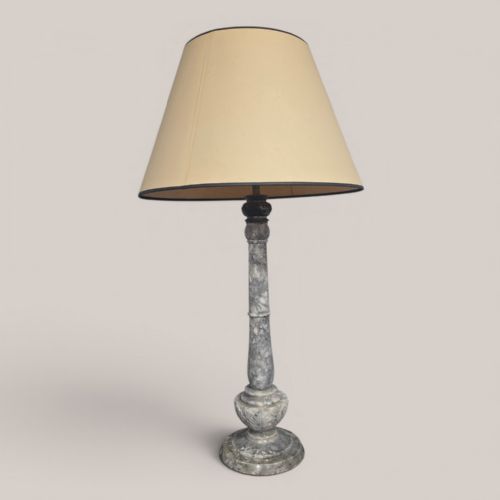
Materials utilised across the current selection include white marble, grey marble, onyx, alabaster, brass, gilt bronze, and frosted glass.
What varies in quality
The distinction between ordinary and exceptional pieces lies in the crispness of the stone carving and the proportion of the mounts. Finer examples display deeply undercut foliage, sharp drapery folds, and precisely fitted bronze or ormolu embellishments that align seamlessly with the stone.
Material selection also dictates the grade of the piece, with dense, evenly figured marbles and translucent alabaster commanding greater visual presence. The integration of the hardware, including heavy weighted bases and solid brass fittings, separates standard production items from bespoke studio outputs.
The Classical Carved Marble Lamp Glossary
- Neoclassical
- A style reviving the architectural motifs of ancient Greece and Rome. It relies on symmetry, straight lines, and classical orders.
- Alabaster
- A fine-grained mineral often used as a softer alternative to marble. It possesses a characteristic translucency when exposed to light.
- Ormolu
- A technique of applying finely ground high-carat gold to a bronze object. It provides a rich, durable golden finish on metal mounts.
- Patinated metal
- Metal surfaces altered by age, chemical treatment, or handling. This process darkens the material to produce a stable, decorative finish.
Classical Carved Marble Lamp: Frequently Asked Questions
How do I date a marble lamp?
Dating relies on examining the wiring channels, the composition of the metal mounts, and the turning style of the stone. Earlier nineteenth-century examples often show hand-cut threads and heavier brass components.
Later pieces from the Edwardian era or the nineteen-thirties adopt sleeker profiles or distinct regional traits, such as Italian alabaster carving techniques.
Are these lamps heavy to place?
Solid stone construction gives these pieces significant weight, making them exceptionally stable on heavy furniture. Floor standing variants require a secure, level surface to support their vertical mass.
When positioning them, ensure the supporting table or floor can bear the concentrated load of the stone and metal base.
How should I clean the stone?
Dust the marble or alabaster gently with a dry, soft microfiber cloth to prevent surface scratching. Avoid abrasive cleaners, strong solvents, or excess water, particularly on porous alabaster.
Professional restoration is recommended for deep staining or chips, as household remedies can permanently damage the polished surface.
Can I replace the electrical wiring?
Rewiring is standard practice for vintage lighting to ensure safety and compliance with current electrical standards. A qualified electrician can thread modern wire through the existing internal channel without altering the stone.
Retaining the original brass lamp holders or switches depends on their condition and whether you prefer an untouched historical aesthetic.