



Classical Candleholder
A classical candleholder brings architectural proportion and heavy metalwork to a room, offering functional candlelight shaped by centuries of revival style.
Classical Candleholder
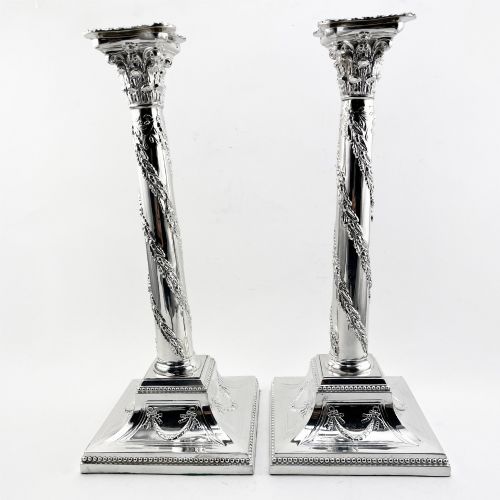
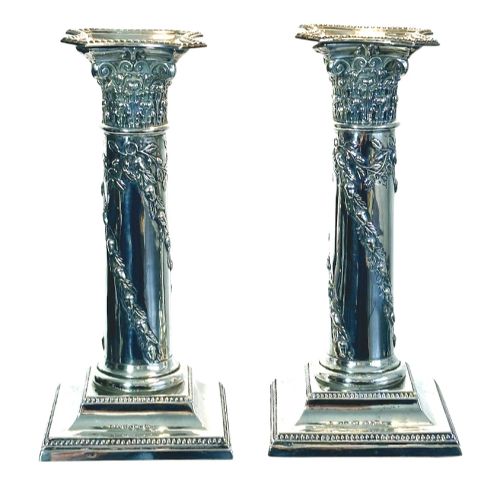
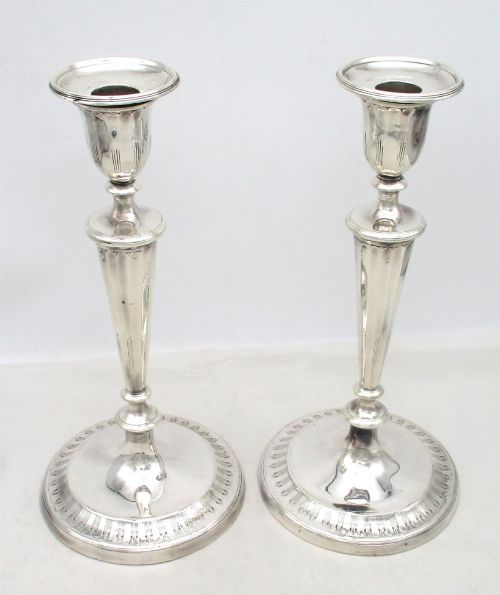
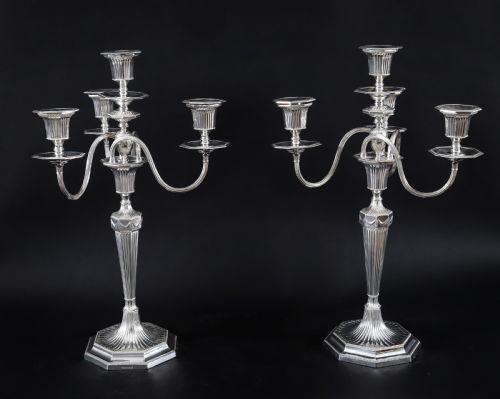
When you search for a classical candleholder, you are looking at items designed to support tapers or multi-branch lights using vocabulary borrowed from ancient Greece and Rome. The objects on this page consist largely of pairs, spanning the Regency, Victorian, and Edwardian eras, alongside various nineteenth-century revivals.
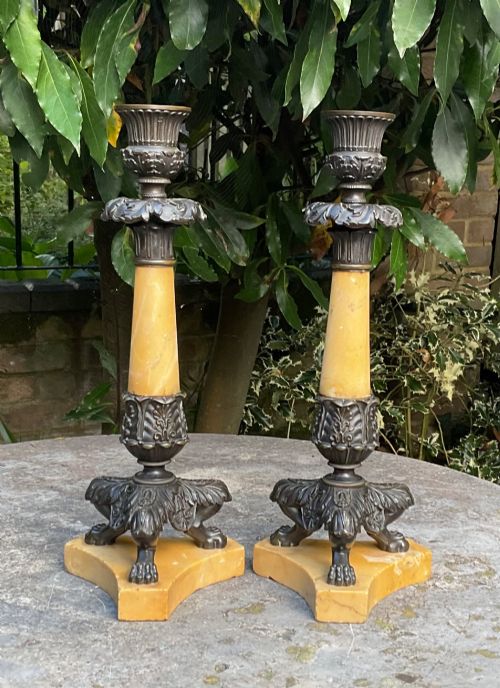
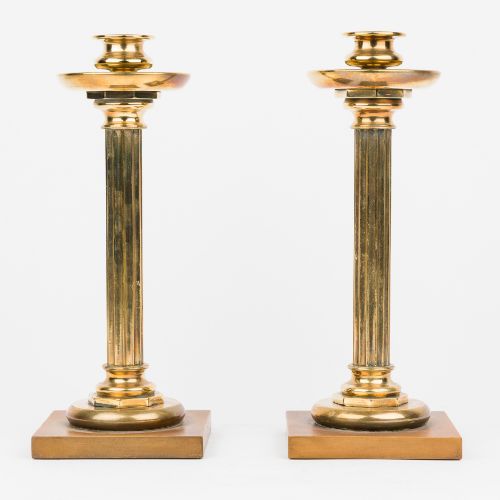
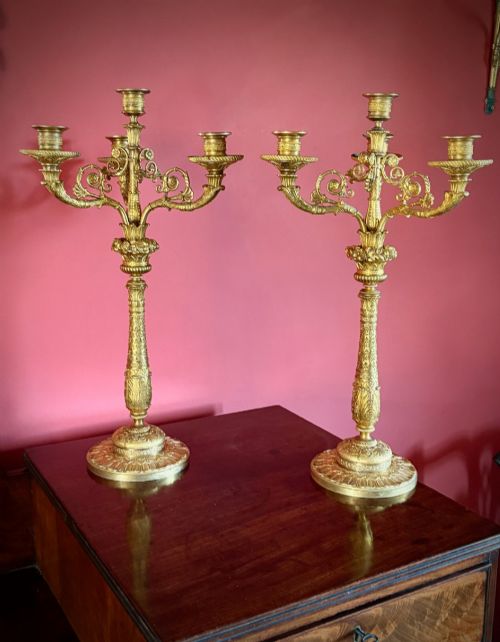
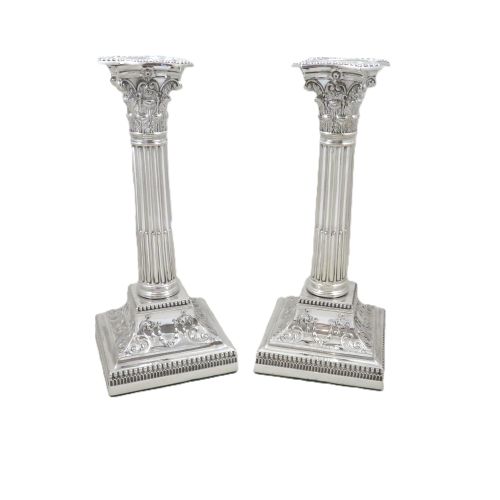
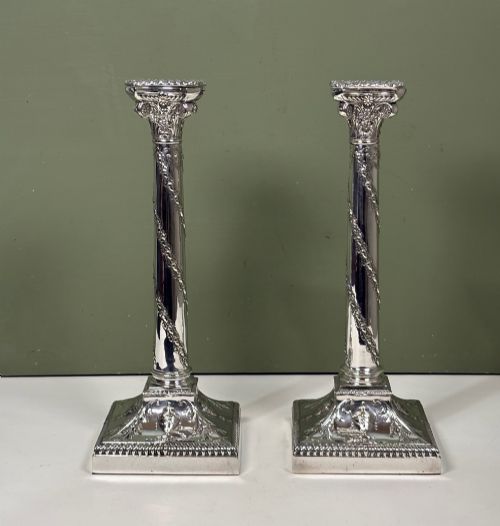
Most entries take the form of candlesticks and candelabra, often cast in bronze, brass, or silver with architectural columns or figural stems. These pieces reflect periods when interior lighting relied entirely on flame, turning a utilitarian object into a display of decorative order.
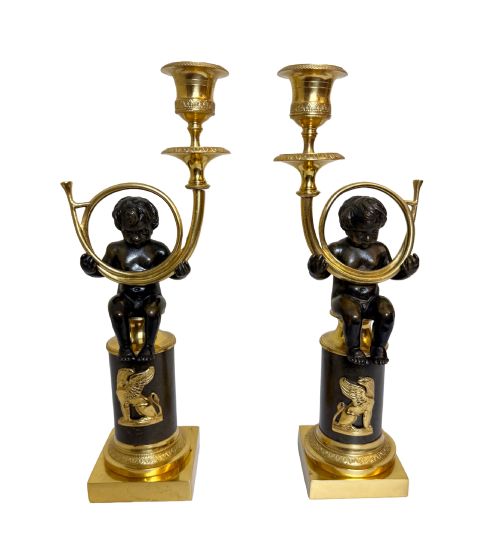
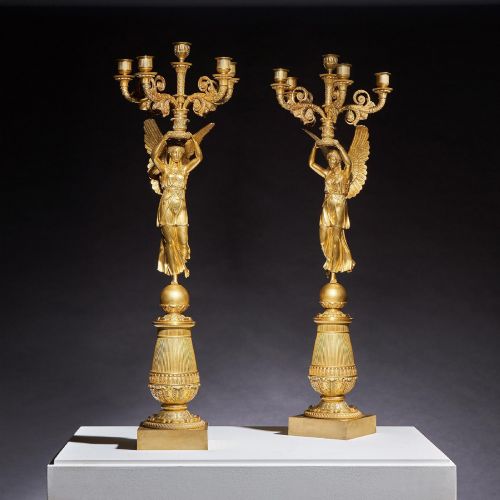
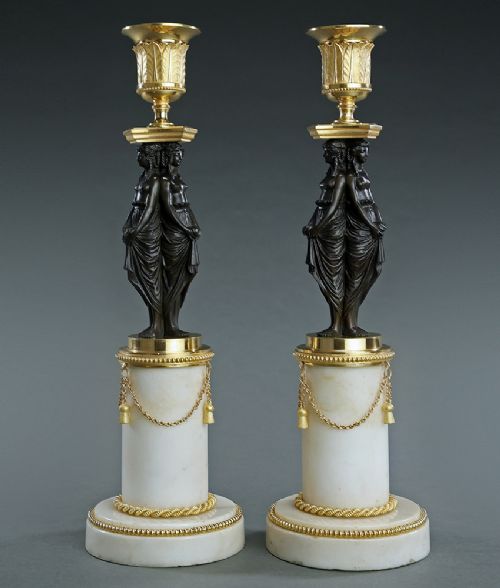
Origins stretch from English workshops to French foundries, encompassing Grand Tour souvenirs and domestic silver services alike. Buyers encounter everything from simple brass columns to elaborate ormolu candelabra featuring cherubs, dolphins, and caryatids.
How They Were Made
Metal fabrication dominates these items, utilising brass, bronze, gilt bronze, and sterling silver shaped through casting and subsequent chasing. Many heavier examples combine patinated bronze with white marble bases to provide stability for tall shafts.
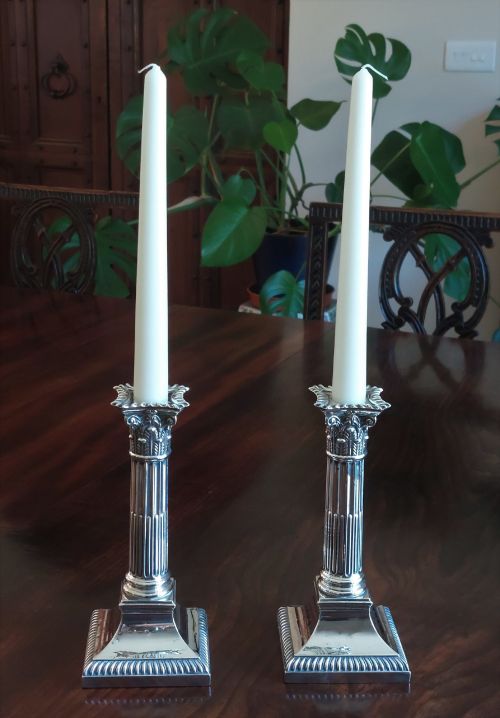
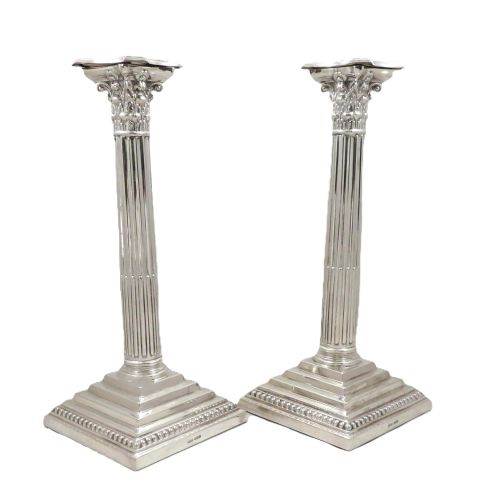
Silver plating techniques such as Old Sheffield Plate appear alongside solid hallmarked silver and mercury-gilded ormolu surfaces. Makers also incorporated porcelain elements and turned giltwood to achieve varied textures within a single object.
Classical Candleholder Retail Price Guide 2026
Typical asking prices for classical candleholder among the pieces listed under this phrase on Sellingantiques today, from the lower quarter to the upper quarter. They describe what is for sale here now, not the wider market.
The inventory spans the 18th century, Regency, Victorian, Edwardian, and Louis XVI revival periods.
What Varies in Quality
Materials dictate weight and longevity, with solid bronze, heavy marble plinths, and substantial silver gauge separating superior items from hollow or plated alternatives. The integration of components, such as secure branching arms on candelabra and tight joins in column sections, defines structural integrity.
Garrard & Co·Pierre Philippe Thomire·Hawksworth Eyre·Rabiat·J Miller
The Classical Candleholder Glossary
- Ormolu
- Gilded bronze produced by applying a mercury and gold amalgam to a bronze base and heating it. This technique creates a durable golden finish seen on French Empire and revival pieces.
- Candelabra
- A branched candlestick holding multiple lights on separate arms. These fixtures often sit on large dining tables or sideboards.
- Corinthian Column
- An architectural order featuring an ornate capital decorated with acanthus leaves. Many nineteenth-century candlesticks replicate this column shape.
- Caryatid
- A sculpted female figure serving as an architectural support replacing a column. They appear frequently on Regency and Louis XVI revival shafts.
- Old Sheffield Plate
- A method of fusing a thin sheet of silver to a thicker copper base before rolling them together. This process predates modern electroplating.
Classical Candleholder: Frequently Asked Questions
What is a classical candleholder?
A classical candleholder is a lighting device shaped by ancient architectural motifs such as columns, plinths, and figural figures. These objects use metal and marble to bring formal symmetry into domestic spaces.
They function primarily as table lights and mantel ornaments, holding single tapers or multiple branching candles.
How do I date a brass candlestick?
Dating relies on examining casting methods, wear patterns, and stylistic revival markers like Regency or Edwardian design cues. Base construction and fixing screws also offer clues to the decade of manufacture.
Comparing the proportions to known period pieces helps narrow down the century.
Were candelabra used on dining tables?
Candelabra provided primary illumination for evening meals before electric lighting became standard in homes. Their multi-branch formats cast light across large gatherings.
They were placed centrally on dining tables or upon sideboards for ambient room illumination.
How do I care for gilt bronze?
Gilt bronze surfaces require gentle dusting with a soft, dry cloth to prevent abrasion of the delicate gold layer. Avoid chemical polishes that strip mercury gilding.
Keeping them away from direct moisture preserves the underlying bronze and the integrity of the finish.
What is the difference between silver and ormolu?
Silver offers a reflective metallic sheen suited to formal dining services and domestic interiors. Ormolu combines bronze with gold leaf or mercury gilding to provide a warm, golden tone.
Both materials were utilised during the nineteenth century to denote status and decorative refinement.