





Classical Bronze Model
A classical bronze model brings the monuments and sculpture of antiquity directly to the desk, cast in metal during the nineteenth century.
Classical Bronze Model
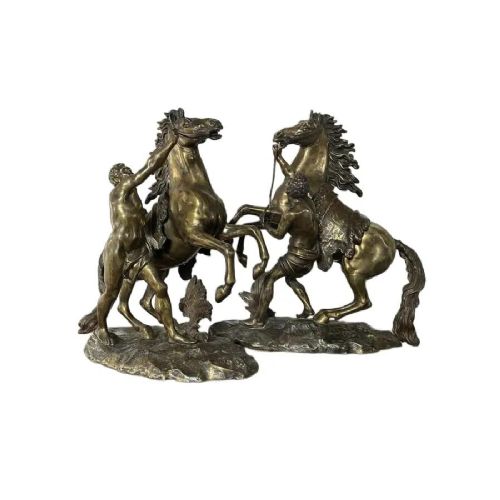
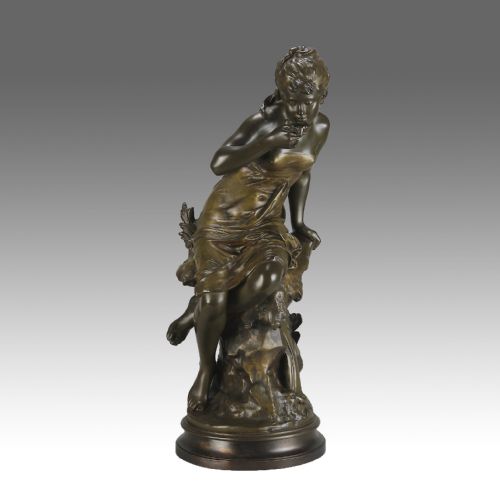
A classical bronze model captures the physical presence of ancient architecture and sculpture in a smaller, portable format. When searching for a classical bronze model, buyers encounter nineteenth-century interpretations of Roman ruins, mythological figures, and classical vessels. These pieces range from architectural columns and temple ruins to sculpted figures of putti and reductions of famous vases.
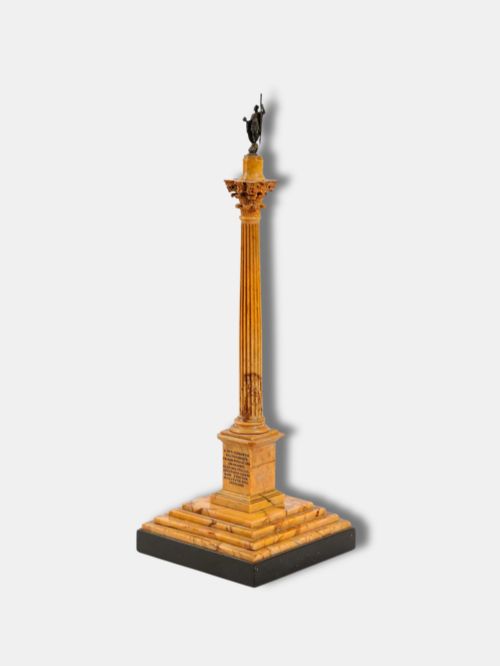
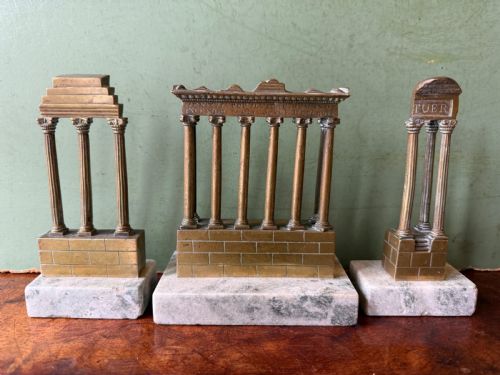
The objects frequently originate from the Grand Tour tradition, created as souvenirs for travellers in Italy. The forms seen on this page include architectural models of Roman sites like the Phocas Column and the Temple of Hercules Victor alongside sculptural studies of figures and animals. Many pieces combine bronze with contrasting materials such as marble bases.
How they were made
These pieces rely primarily on bronze casting, often finished with a dark patination to emulate excavated antiquities or polished to highlight the metal surface. Makers employed techniques suited to both figurative sculpture and architectural reduction, capturing fine architectural capitals and sculptural musculature in miniature.
Many models incorporate mineral supports, utilising Giallo Antico marble or black marble as integral plinths. Ormolu mounts and gilt bronze details appear alongside the primary bronze elements, particularly on French neoclassical pieces and furniture forms.
Classical Bronze Model Retail Price Guide 2026
Typical asking prices for classical bronze model among the pieces listed under this phrase on Sellingantiques today, from the lower quarter to the upper quarter. They describe what is for sale here now, not the wider market.
Listings feature nineteenth-century pieces spanning the 1850s to the 1900s, incorporating bronze, marble, ormolu, and mahogany.
What varies in quality
The treatment of the patina and the selection of supportive materials also determine the calibre of a piece. High-quality items feature carefully applied patination and well-fitted marble bases, whereas inferior examples display uneven metal finishing and poorly joined components.
Mathurin Moreau·Jean Henri Riesener·Jean Demosthene Dugourc
The Classical Bronze Model Glossary
- Grand Tour
- A nineteenth-century educational journey through Europe, particularly Italy, undertaken by wealthy young men to study classical art and architecture. Souvenirs purchased on these trips formed the basis for many antique bronze models.
- Patina
- The surface coloration and sheen developed on bronze over time or applied chemically by the maker. A well-maintained patina enhances the depth and visual texture of the metal.
- Ormolu
- Gilded bronze, commonly utilised in French decorative arts and mounts during the eighteenth and nineteenth centuries. The technique involves applying a gold amalgam to a bronze base.
- Giallo Antico
- A yellow antique marble quarried in ancient times and frequently reused or imitated during the neoclassical period for bases and architectural elements.
Classical Bronze Model: Frequently Asked Questions
What is a Grand Tour model?
A Grand Tour model is a small-scale replica of a famous ancient monument or sculpture, purchased by nineteenth-century travellers in Italy as a memento of their journey.
These pieces were cast in bronze or carved from marble and stone, serving as decorative table objects that reflected the owner's classical education.
How do I identify a nineteenth-century bronze?
Nineteenth-century bronzes typically display specific casting methods, patination styles, and material combinations such as marble plinths.
Examining the underside, the joinery, and the wear on the metal surface helps distinguish nineteenth-century production from later reproductions.
Where should I display these models?
These models suit stable surfaces like mantelpieces, desks, or bookcases where their details can be viewed closely.
Keep them away from direct heat sources and excessive moisture to preserve the bronze patina and any attached marble or ormolu mounts.
How do I clean antique bronze?
Antique bronze requires minimal intervention to protect the historic surface patina and prevent damage to the metal.
Dusting gently with a soft, dry cloth is usually sufficient, avoiding harsh chemical cleaners or polishes that strip the finish.