


Classical Botanical Oil Painting
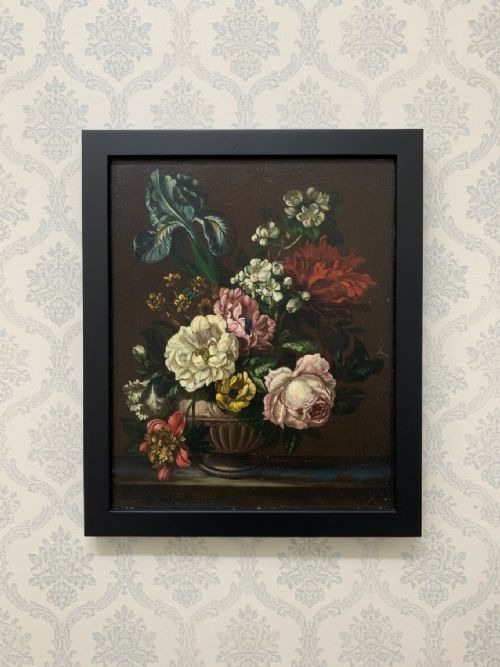
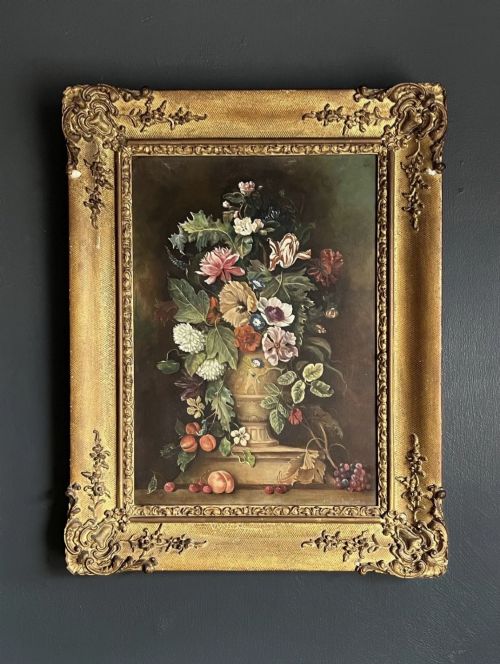
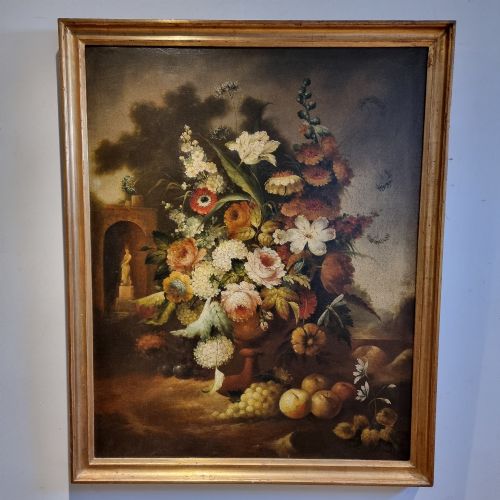
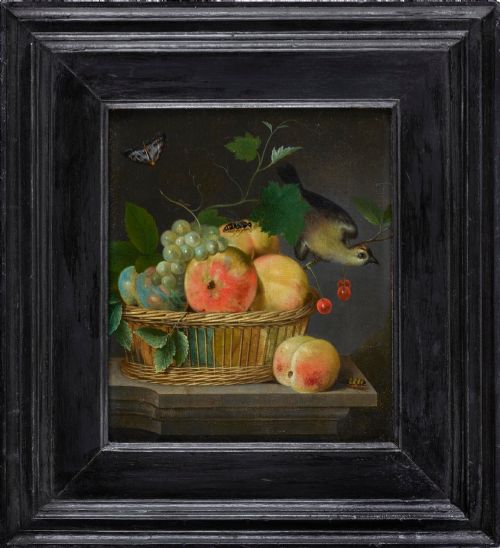
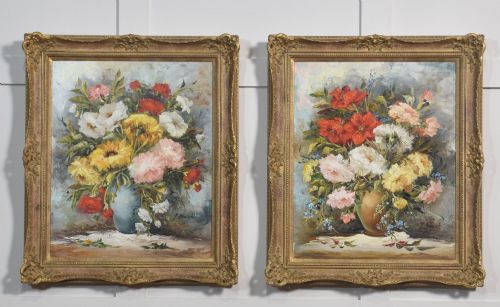
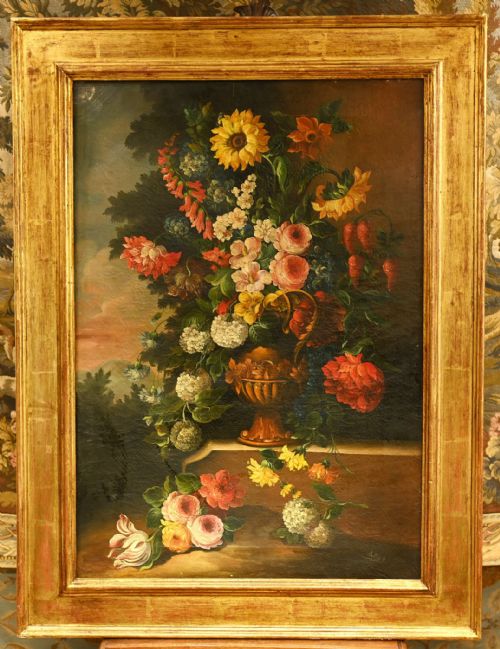
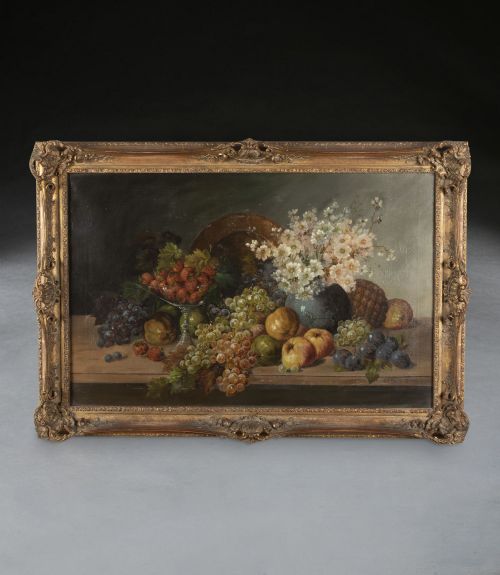
A classical botanical oil painting brings centuries of floral and fruit still life traditions into your home with rich oil pigments on canvas and wood.
Classical Botanical Oil Painting
A classical botanical oil painting depicts detailed arrangements of flowers, fruit, and foliage in styles ranging from the seventeenth century to the twentieth century. When you search for a classical botanical oil painting, you encounter works spanning the Dutch Golden Age style, Flemish Baroque, and Victorian revivals.
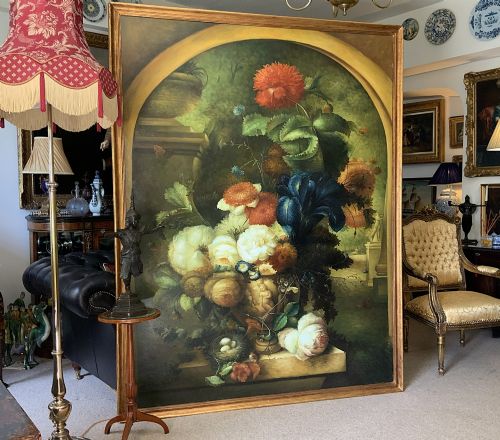
The selections on this page include monumental floral still life compositions, intimate pairs of paintings, and framed studies by named artists and regional schools. Dates stretch from the seventeenth century up through the nineteen-thirties, showing enduring interest in realistic depictions of nature.
Most pieces portray floral bouquets, wicker baskets filled with fruit, or trompe l'oeil arrangements rendered in oil paint on canvas, board, or wood panels. These works draw upon historical traditions originating in Italy, Flanders, Britain, and the Netherlands.
Materials and Techniques
Artists painted these works using oil paint applied to stretched canvas, wooden panels, or rigid board substrates. Oil pigments allowed painters to build up translucent glazes and rich, textured layers that captured the delicate sheen of flower petals and fruit skins.
Listings feature works spanning from the seventeenth century through the nineteen-thirties, executed in oil on canvas, wood panels, and board.
Determinants of Quality
Quality in these paintings rests upon the precision of the brushwork, the depth of the pigment layering, and the anatomical accuracy of the botanical subjects. Superior examples display careful rendering of light and shadow, giving flowers and fruit a distinct three-dimensional presence.
The framing contributes significantly to the overall presentation, with period gilt gesso and carved wood frames indicating higher workshop standards. Original canvas condition, stable paint layers, and attribution to recorded nineteenth or twentieth-century artists elevate individual pieces above anonymous decorative works.
Gaspar Peeter Verbruggen·Manuela Bonati·William Duffield·Henry Schouten·George Lance·Kershaw Schofield
The Classical Botanical Oil Painting Glossary
- Oil on canvas
- Pigments bound in drying oil applied to a woven fabric support. This combination provides a flexible and durable surface that has been standard for centuries of European painting.
- Giltwood
- Wood that has been carved and coated with a thin layer of gold leaf or metallic powder. It provides a reflective, ornate border designed to catch interior candlelight or daylight.
- Trompe l'oeil
- An artistic technique that uses realistic imagery to create the optical illusion that the depicted objects exist in three dimensions. It translates to deceive the eye in French.
- Gesso
- A white paint mixture consisting of a binder mixed with chalk, gypsum, or pigment. Makers applied it to wood panels or frames to create a smooth, prepared surface for gilding and painting.
- Still life
- A work of art depicting mostly inanimate subject matter, typically commonplace objects which may be either natural or man-made. In botanical contexts, this focuses on cut flowers, fruit, and vessels.
Classical Botanical Oil Painting: Frequently Asked Questions
How should I hang a large floral painting?
Heavy works require secure wall fixings anchored directly into studs or solid masonry to support the combined weight of the canvas, wood stretcher, and ornate gilt frame.
Position the centre of the canvas at average eye level to create a balanced focal point within your room.
What periods do these paintings cover?
The available selection spans from original seventeenth-century works through eighteenth-century compositions and nineteenth-century academic pieces up to early twentieth-century revivals.
Each era brings distinct framing methods, canvas preparations, and stylistic interpretations of traditional floral arrangements.
How do I clean an antique oil painting?
Dust surfaces gently using a soft, dry artist brush without applying moisture or chemical cleaning solutions to the delicate paint layers.
Professional conservators should handle any removal of aged varnish or deep grime to prevent damage to the original oil pigments.
Are these paintings supplied with frames?
Most listings include the period frame, such as gilded gesso or carved wood surrounds, as described in the individual item details.
Frames often date from the same period as the canvas, though some pieces have later nineteenth or twentieth-century mountings.