


Dutch Master Floral Art
Dutch master floral art brings the rich, layered beauty of historic botanical painting into a room through oil and canvas.
Dutch Master Floral Art
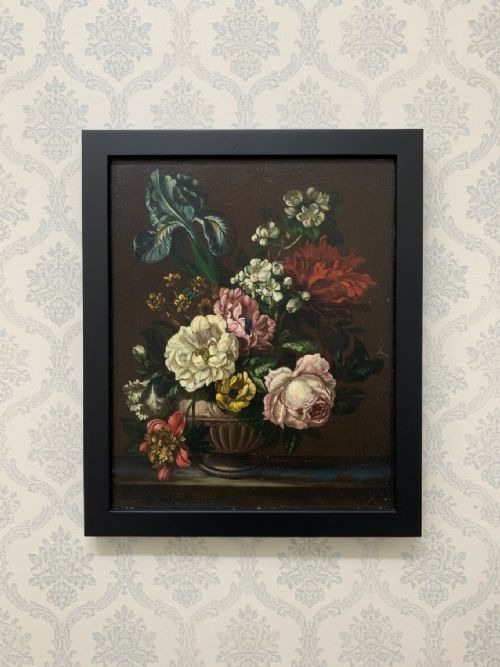
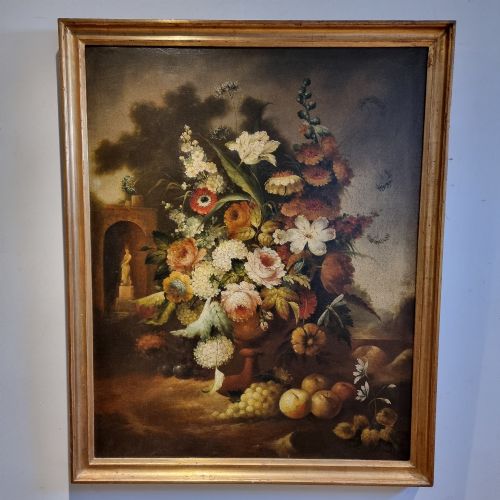
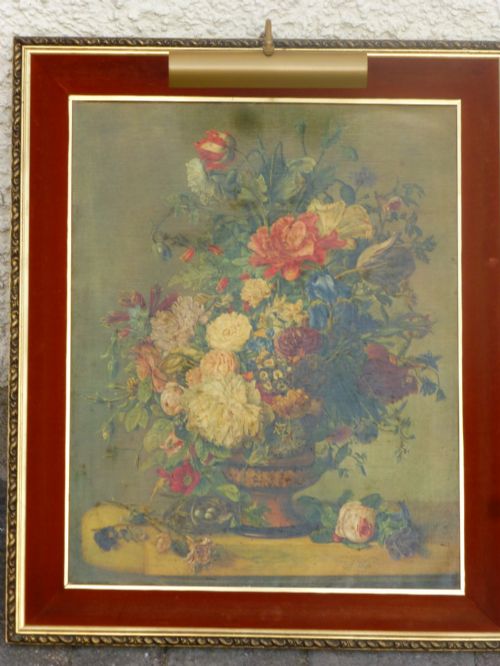
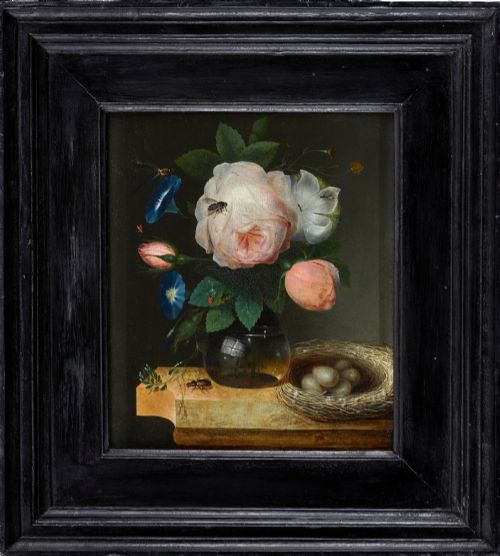
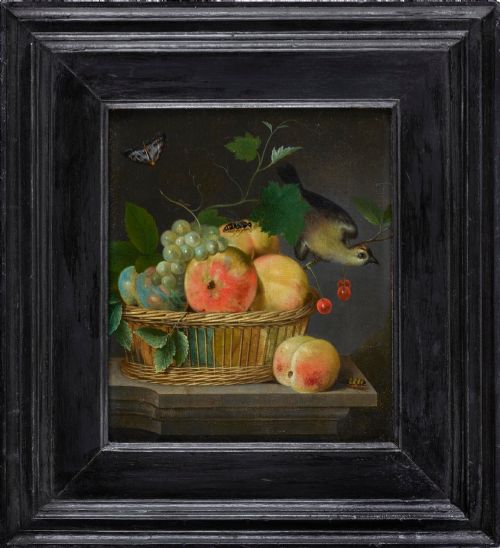
When you search for dutch master floral art, you encounter oil paintings depicting elaborate arrangements of blooms and foliage reminiscent of the Dutch Golden Age and Flemish Baroque traditions. These works capture meticulously rendered flowers, often arranged in glass vases or baskets, reflecting centuries-old European artistic styles.
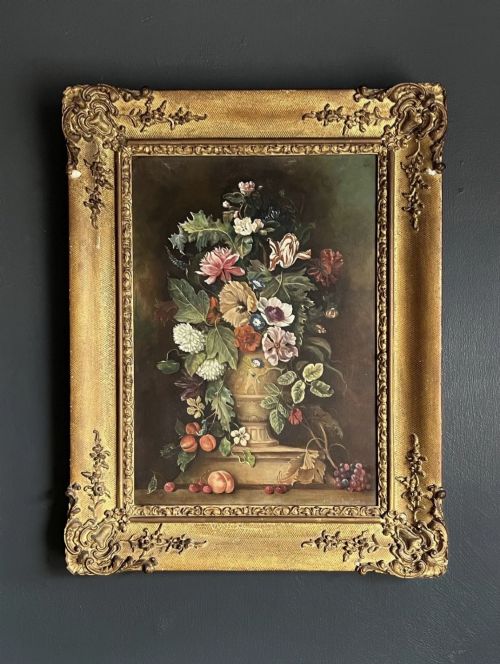
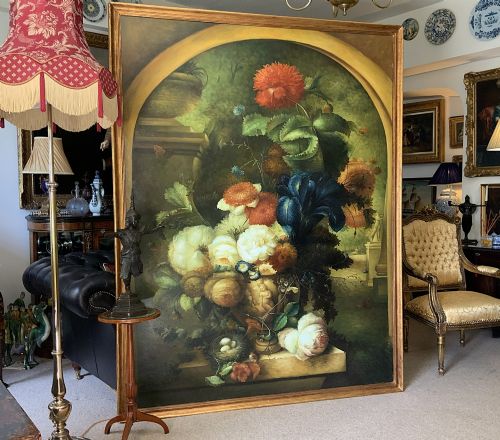
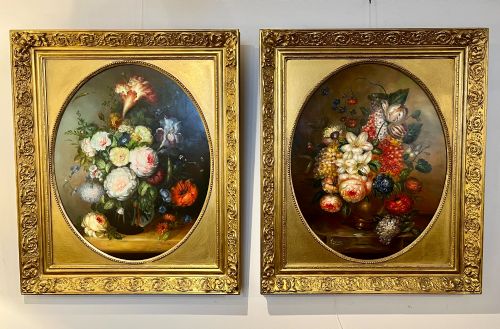
The pieces available span from 17th Century originals to 20th Century revivals, including works on canvas, wood panels, and board. You find monumental scale paintings alongside intimate panels, housed in period frames such as gilt gesso and gilded wood.
Many of these artworks adopt the aesthetic of the Dutch School or 18th Century Dutch traditions, presenting traditional still life compositions. Whether signed by known painters or executed within the broader Dutch Golden Age style, they offer a direct connection to classical European floral painting.
How they were made
Artists painted primarily in oil paint upon prepared surfaces such as canvas, oak panels, and wooden boards. These traditional grounds received multiple layers of pigment to build up the depth and luminous quality characteristic of the style.
Framing played an integral role in presentation, utilising gilded wood and gesso to create ornate settings that enhanced the rich tones of the oil paintings. Gold leaf applications further accentuated the classical aesthetic of these framed works.
One monumental seven-foot canvas brings an entire greenhouse worth of antique blooms straight into your hallway.
What varies in quality
The fidelity of the brushwork and the complexity of the botanical arrangement separate finer examples from simpler decorative pieces. Superior works demonstrate precise handling of light, shadow, and petal texture within the Dutch School tradition.
The integrity of the original support, whether canvas or oak panel, alongside the preservation of the period gilt gesso frame, influences the overall character of the piece.
Gaspar Peeter Verbruggen·Terence Loudon
The Dutch Master Floral Art Glossary
- Dutch Golden Age Style
- An artistic manner reflecting 17th-century Netherlands painting, noted for dramatic lighting and meticulous realism. It emphasises natural textures and rich colour palettes.
- Gilt Gesso
- A plaster-based material applied to wood frames and coated with gold leaf. This technique provides an ornate, reflective border typical of period framing.
- Oil on Panel
- A painting executed on a wooden support, such as oak, rather than canvas. This method was favoured for its rigid stability and smooth surface.
- Trompe l'oeil
- An art technique involving extremely realistic imagery that creates the optical illusion that the depicted objects exist in three dimensions. It plays on perception and detail.
- Oleograph
- A mechanical print textured to imitate an oil painting on canvas. These reproductions replicate the visual effect of traditional artworks.
Dutch Master Floral Art: Frequently Asked Questions
What periods do these floral paintings come from?
The listings encompass works originating from the 17th Century through to the mid 20th Century. This range includes authentic early periods alongside later revivals.
Twentieth-century interpretations sit alongside older works, reflecting the enduring appeal of traditional Dutch and Flemish styles.
What surfaces were used for these paintings?
Artists painted on various supports including canvas, traditional wood panels like oak, and prepared boards. Each material imparts a distinct texture to the finished work.
Canvas provides a traditional woven ground, while wooden panels offer a rigid surface favoured in earlier European painting.
How should I display a large floral still life?
Monumental pieces require substantial wall space and sturdy fixings to support the weight of the canvas and heavy gilt frame. Consider sightlines and room proportions carefully.
Position the painting away from direct sunlight to protect the oil pigments and the gilded wooden frame from environmental damage.