

Classical Artwork
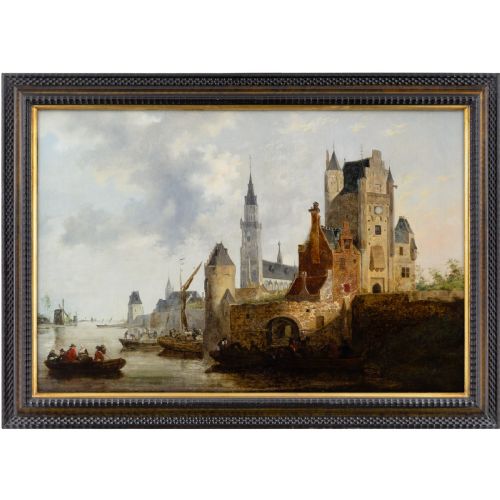
When you search for classical artwork, you encounter centuries of oil paintings, watercolours, and engravings rooted in European traditions.
Classical Artwork
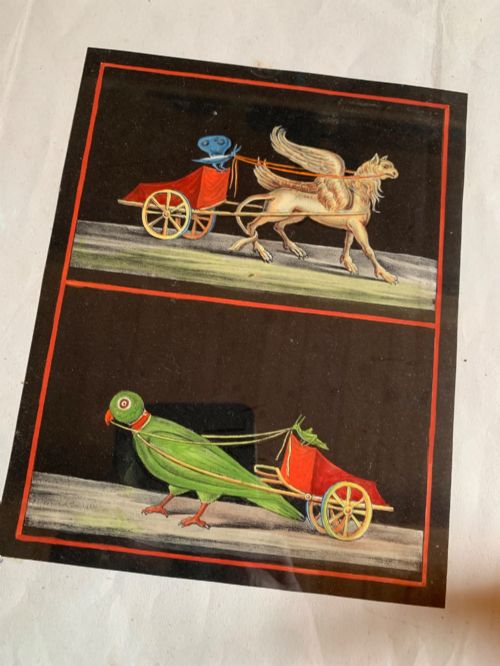
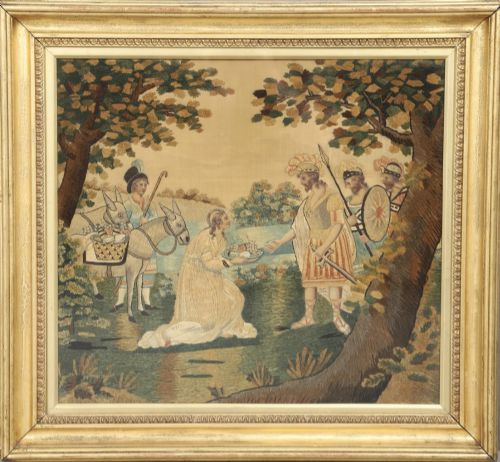
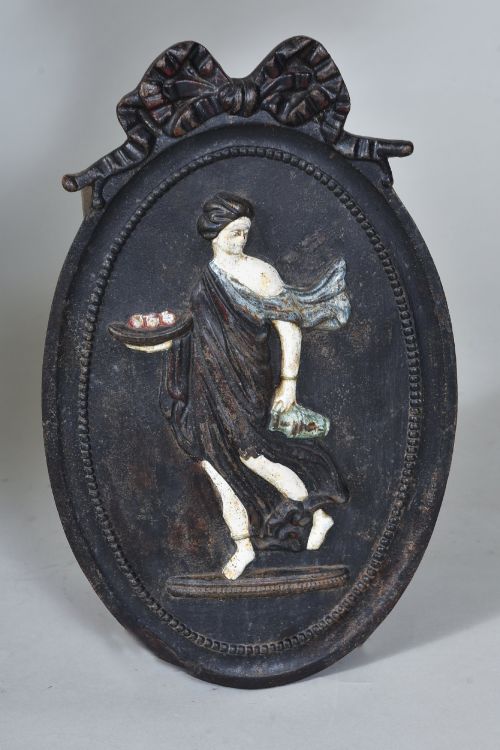
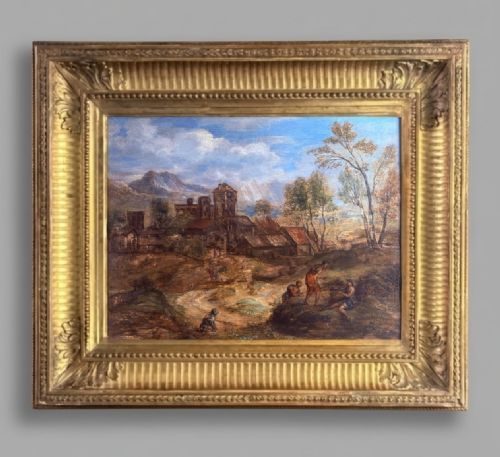
Classical artwork encompasses oil paintings, watercolours, and prints spanning the seventeenth, eighteenth, and nineteenth centuries. These pieces reflect historical European traditions, including Baroque, Neoclassical, and Georgian styles.
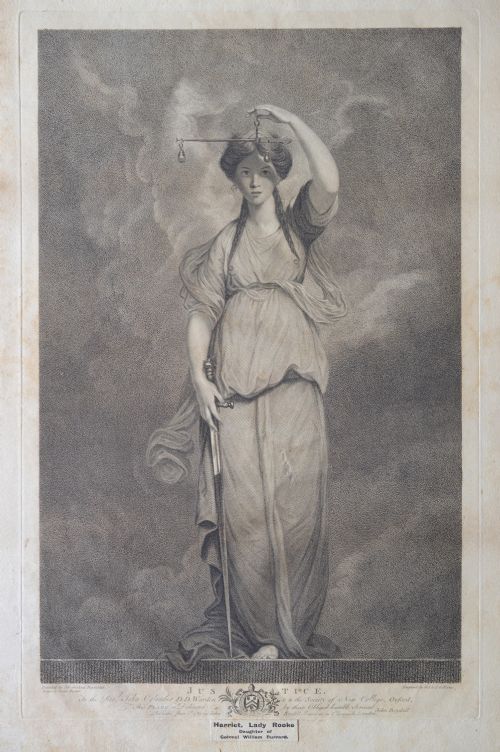
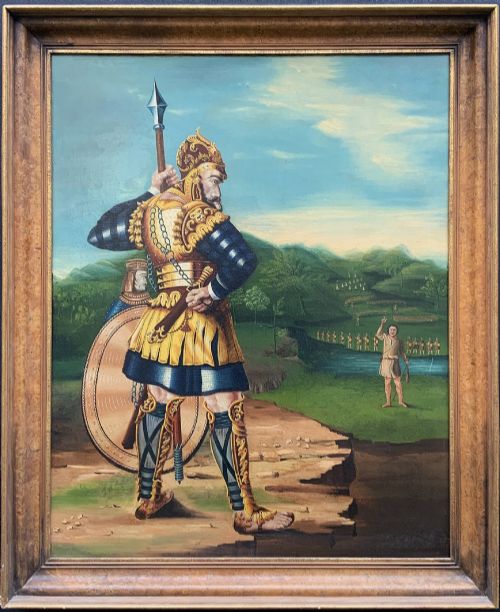
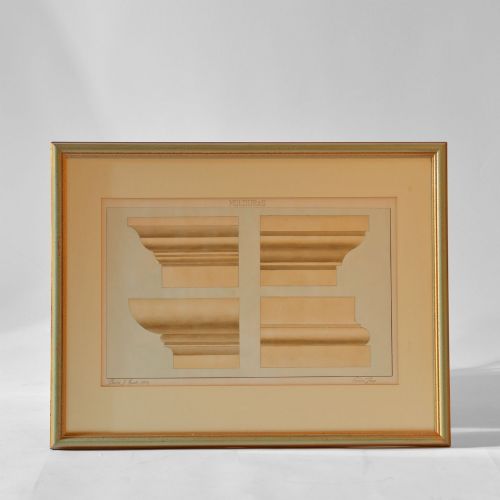
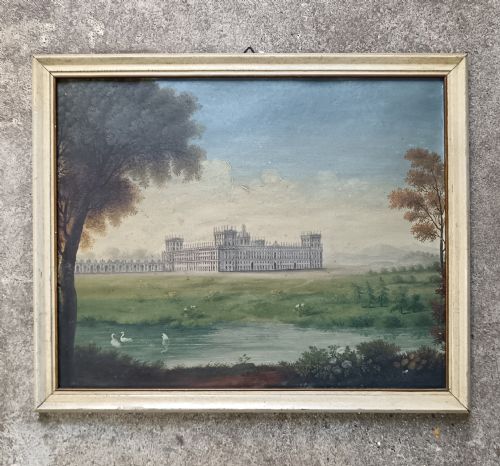
Buyers frequently encounter portraits, landscape studies, and mythological or religious scenes. Oil on canvas and oil on panel dominate the available forms, alongside framed prints and drawings on paper.
Materials and construction methods
Artists painted primarily with oil paint on stretched canvas or prepared wooden panels. Drawings and watercolours utilise paper supports, sometimes mounted onto canvas stretchers.
Frames employ timber construction, often finished with gesso and giltwood details. Engravings and mezzotints rely on inked metal plates pressed onto paper.
Classical Artwork Retail Price Guide 2026
Typical asking prices for classical artwork among the pieces listed under this phrase on Sellingantiques today, from the lower quarter to the upper quarter. They describe what is for sale here now, not the wider market.
A solitary nineteenth-century drawing records an academic male nude, capturing classical study habits with unexpected intimacy.
Distinctions in quality
Quality rests in the precision of draughtsmanship, the handling of light and shadow, and the expressiveness of portraiture or landscape composition. Works by named masters or established regional schools demonstrate superior anatomical accuracy and pigment blending.
The integrity of the original support, the subtlety of the surface varnish, and the craftsmanship of period giltwood frames also influence the overall standing of a piece.
Sir Peter Lely·Jacob Philipp Hackert·Hyacinthe Rigaud·Francesco Guardi·Sir Joshua Reynolds
The Classical Artwork Glossary
- Oil on canvas
- Pigment suspended in drying oil applied to a woven fabric support stretched over a wooden frame. This method allows for rich colour blending and textured brushwork.
- Mezzotint
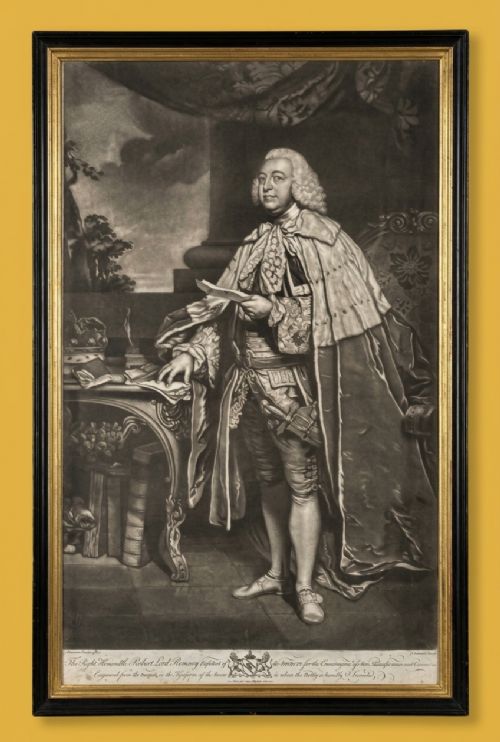
- A printmaking process where the copper plate is roughened to achieve dark tones and smoothed to create lighter areas. It produces rich tonal gradations favoured for portrait reproduction.
- Panel painting
- Artwork executed on a flat wooden board rather than canvas. Artists utilised prepared timber panels frequently during the seventeenth century and earlier.
Classical Artwork: Frequently Asked Questions
How do I care for antique oil paintings?
Keep paintings away from direct sunlight and fluctuating humidity to protect the canvas and wood panels.
Dust surfaces gently with a dry, soft brush and avoid using liquid cleaners on the paint layer.
What is a Grand Tour landscape?
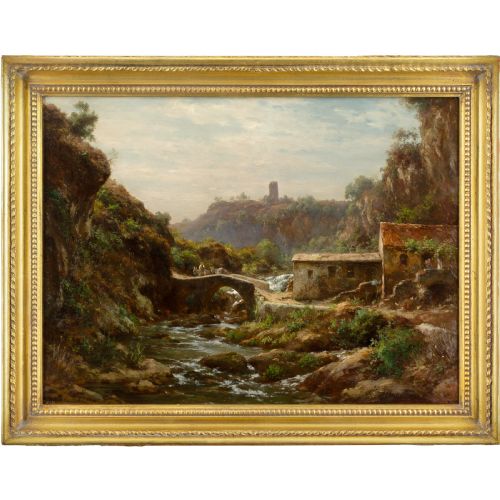
Grand Tour landscapes depict famous sights in Italy and Europe collected by travellers during the eighteenth and nineteenth centuries.
Artists painted these scenes to commemorate educational journeys through classical antiquity and Renaissance cities.
How are seventeenth and eighteenth century works distinguished?
Seventeenth-century pieces often display dramatic chiaroscuro and Baroque intensity, reflecting religious or mythological narratives.
Eighteenth-century works frequently lean towards lighter Georgian or Neoclassical palettes, focusing on pastoral or refined portrait subjects.
Can works on paper be framed safely?
Drawings and prints require acid-free mounts and UV-protective glass to prevent fading and paper degradation.
Ensure the artwork does not touch the glass directly to allow proper air circulation.