






Classical Architectural Salvage
Classical architectural salvage brings monumental presence indoors through stone capitals, carved columns, and marble fireplace surrounds.
Classical Architectural Salvage
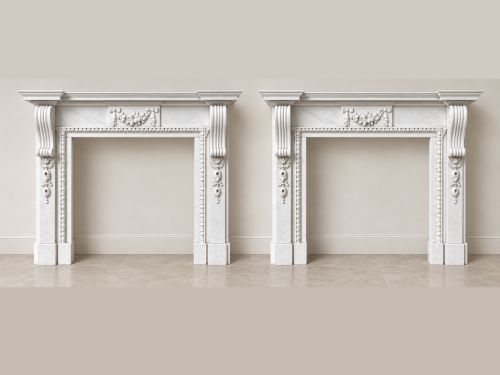
Classical architectural salvage comprises structural and decorative elements removed from buildings, spanning the eighteenth, nineteenth, and early twentieth centuries. Pieces range from large pine and marble fireplace surrounds to carved stone capitals and wooden columns.
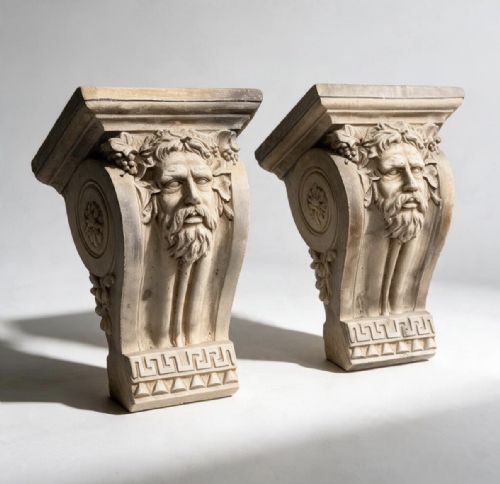
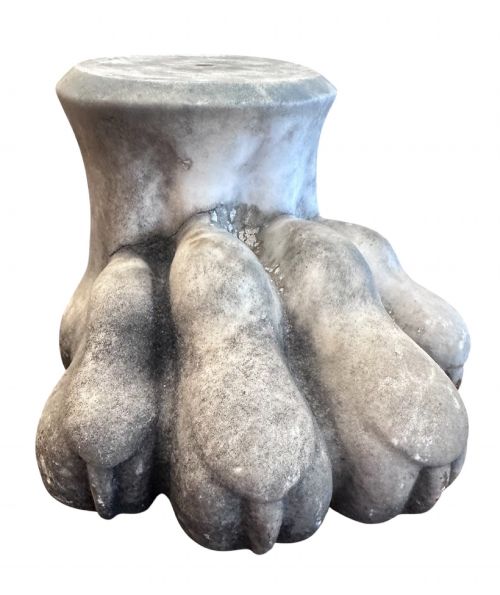
Buyers encounter distinct forms reflecting neoclassical, Victorian, and Edwardian revivals, including French and Italian examples. Architectural columns, pedestals, and corbels feature prominently alongside smaller hardware like door knockers and bronze handles.
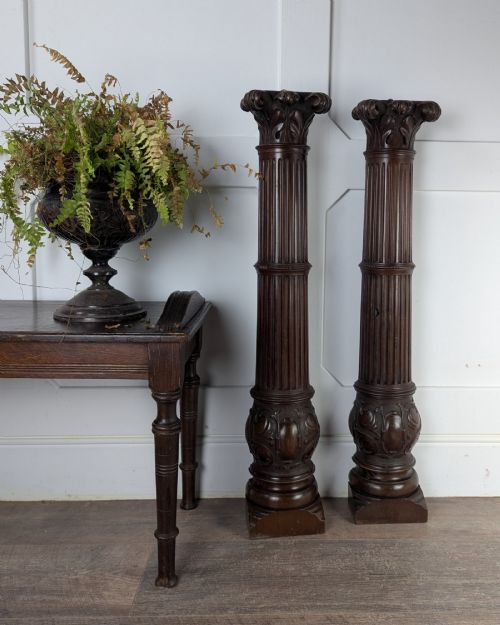
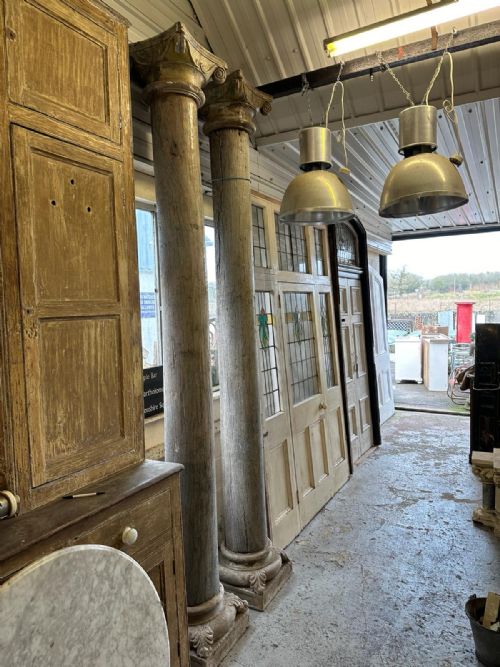
The selection leans heavily toward monumental stone and carved wood components. Items such as limestone Corinthian capitals and mahogany reeded columns dominate the offerings.
How they were made
Masons and carvers worked natural materials including Carrara marble, limestone, stone, and various woods such as oak, mahogany, pine, and chestnut. Detail was achieved through direct chisel work on stone or hand carving on timber.
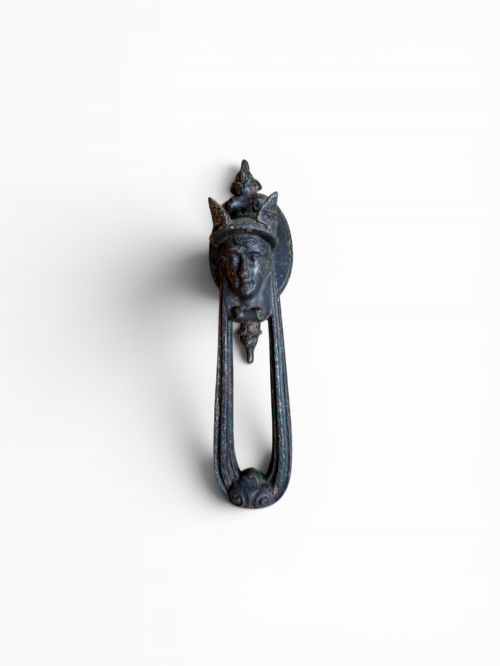
Surface treatments involve paint, gesso, and parcel gilt finishes applied to wood, plaster, and cast elements. Bronze and cast iron items utilised metal founding techniques to capture intricate neoclassical motifs like Hermes heads and allegoric friezes.
Classical Architectural Salvage Retail Price Guide 2026
Typical asking prices for classical architectural salvage among the pieces listed under this phrase on Sellingantiques today, from the lower quarter to the upper quarter. They describe what is for sale here now, not the wider market.
Hermes watches over the threshold with vigilant nineteenth-century cast iron conviction.
What varies in quality
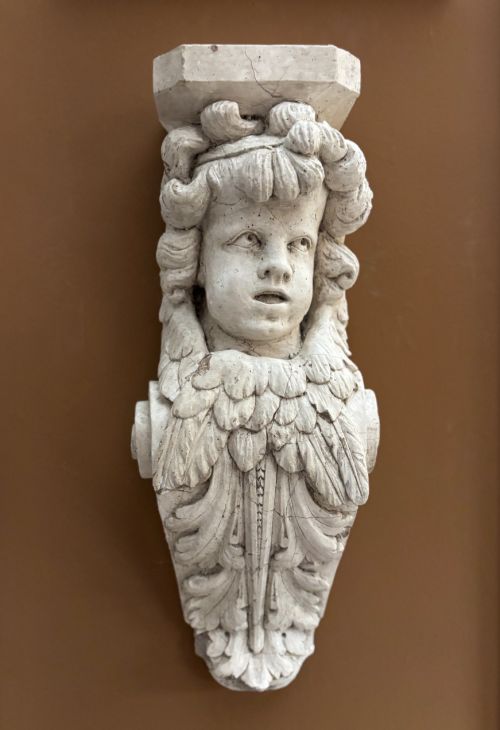
Depth and crispness of hand carving distinguish superior capitals and corbels from simpler production. Master carvers achieved precise acanthus leaves and fluted shafts that retain sharp definition.
Quality rests in the integrity of the original material and surface, whether unpainted stone or preserved parcel gilt. Retaining original patination and honest weathering separates pieces that hold historical gravity from lesser examples.
The Classical Architectural Salvage Glossary
- Capital
- The uppermost member of a column, serving as a crown connecting the shaft to the entablature. Corinthian and Ionic examples frequently display ornate acanthus or scroll carving.
- Corbel
- A structural bracket projecting from a wall to support a weight above. Large plaster or stone versions often feature deep sculptural relief.
- Herm
- A sculptural bust or head surmounting a square pillar that tapers toward the base. Early examples utilise woods like chestnut for figural support.
- Pediment
- A triangular or decorative gable crowning a portico, door, or fireplace surround. They appear carved in mahogany or stone as architectural accents.
Classical Architectural Salvage: Frequently Asked Questions
How do I install heavy stone capitals?
Stone capitals and architectural fragments require substantial structural support due to their significant weight. Consult a structural engineer before mounting heavy elements directly onto interior walls.
Many collectors mount smaller capitals on custom metal stands or display them as tabletop sculptures. For larger architectural elements, professional installation ensures safe anchoring into masonry or timber framing.
Can I use antique fireplace surrounds daily?
Antique marble and pine fireplace surrounds function well with modern hearth setups when properly fitted by a specialist. Ensure the internal opening accommodates your specific stove or insert dimensions.
Protect vulnerable materials like gesso and painted wood from excessive heat and direct flame exposure. Regular dusting preserves the historic surface finishes without causing abrasion.
How do I identify neoclassical style elements?
Neoclassical pieces draw direct inspiration from ancient Greek and Roman architecture through symmetrical design and orderly proportions. Look for motifs such as reeded columns, egg-and-dart moulding, and acanthus leaf capitals.
Nineteenth-century revivals often exaggerate these classical elements for grand domestic interiors. Material choices like white Carrara marble and carved mahogany help signal this specific stylistic lineage.
How should I clean painted wooden columns?
Clean painted and parcel gilt wooden surfaces gently using a soft, dry microfibre cloth to remove surface dust. Avoid harsh chemical solvents or water, which can strip aged paint layers and delicate gilding.
Maintain stable indoor humidity levels to prevent the underlying softwood or hardwood from splitting. Preserving original patination is essential for retaining the historical character of salvaged pieces.