

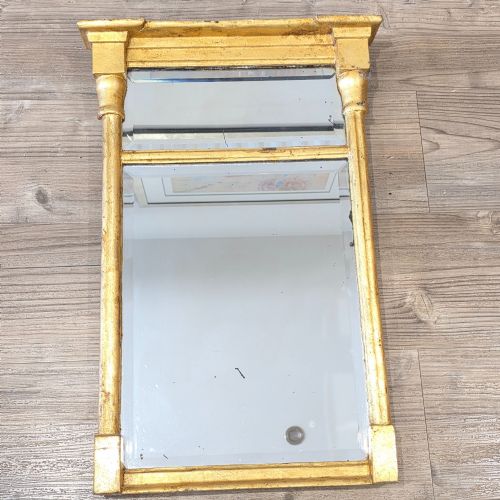


Classical Architectural Gilt Frames
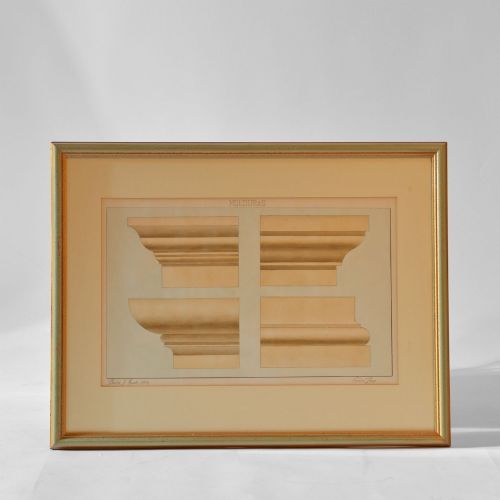
Classical architectural gilt frames surround grand mirrors and engravings with heavy gold leaf and neoclassical moulding.
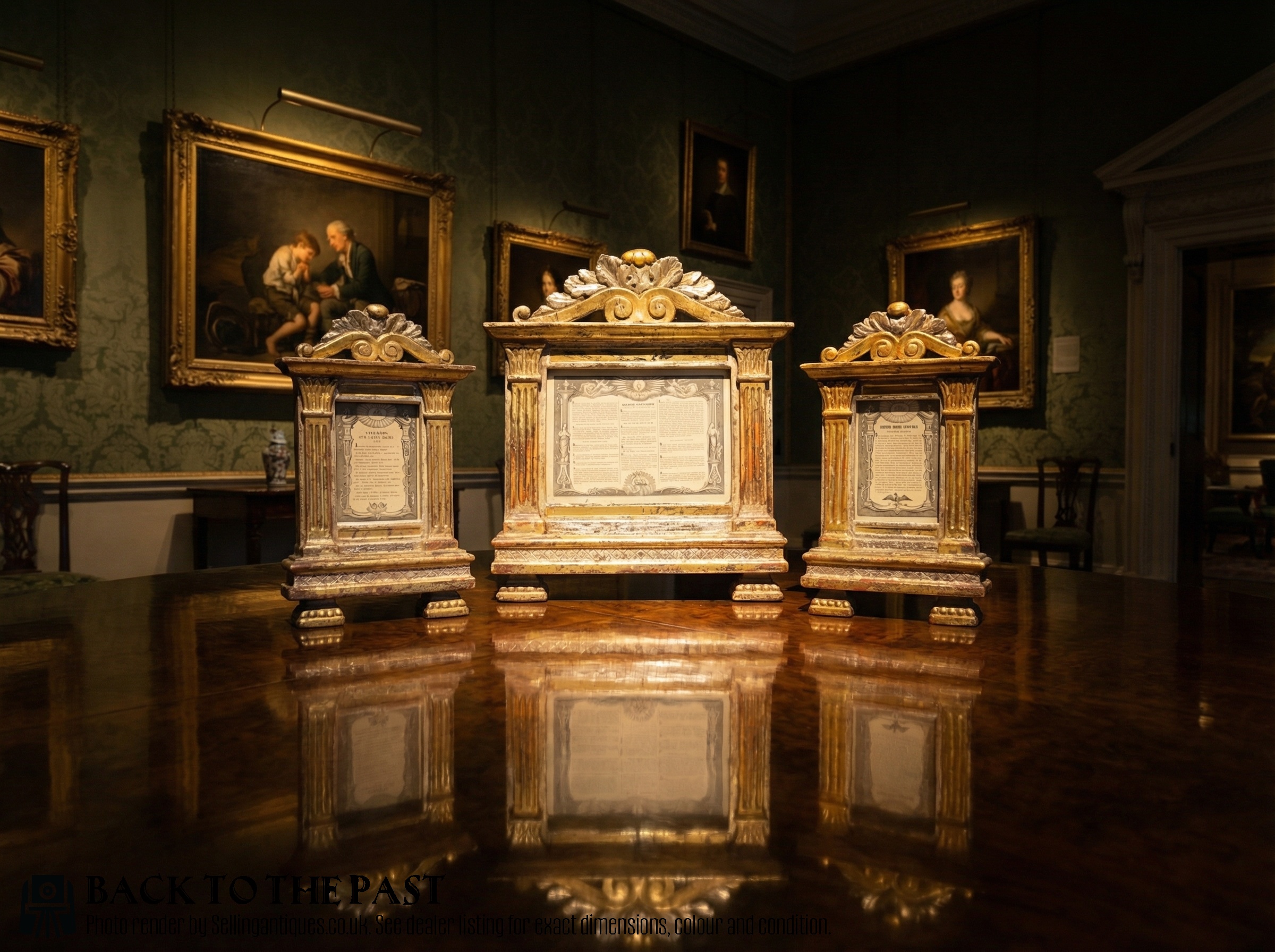
Classical Architectural Gilt Frames
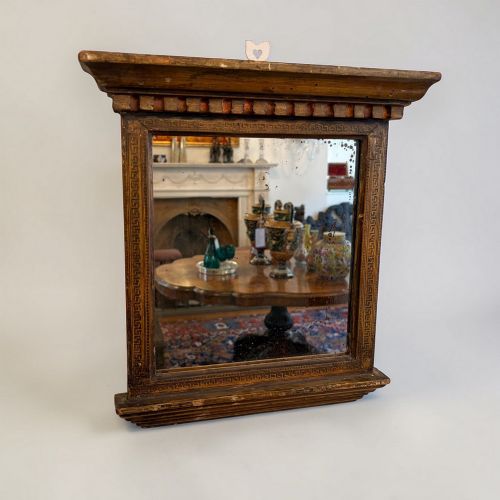
When buyers search for classical architectural gilt frames, they find heavy wooden borders designed to echo ancient columns, pediments and friezes. These frames surround wall mirrors, overmantel glasses and grand tour engravings.
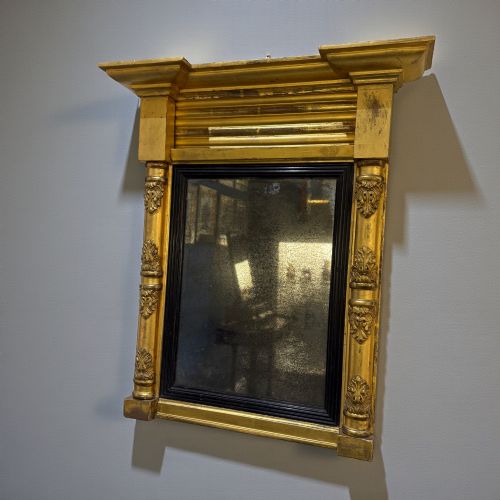
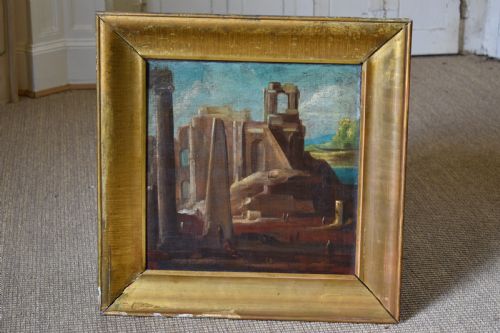
Most examples encountered here date from the eighteenth and nineteenth centuries, often taking the form of large Regency pier mirrors or Italian landscape paintings. The proportion draws heavily on classical antiquity, using architectural structure to dictate the framing.
The objects combine functional glass or paper works with bold decorative surrounds that anchor a high-ceilinged room. Their presence brings a formal, architectural weight to domestic interiors.
How they were made
Makers built the underlying structure from timber, layering gesso to smooth the surface before applying thin sheets of gold leaf. This combination created a resilient base that could take deep, crisp mouldings.
Carvers shaped wooden elements to mimic stone architecture, adding relief details that caught the candle or window light. The gold leaf was then burnished to varying degrees of brightness to create contrast across the architectural ornaments.
Classical Architectural Gilt Frames Retail Price Guide 2026
Typical asking prices for classical architectural gilt frames among the pieces listed under this phrase on Sellingantiques today, from the lower quarter to the upper quarter. They describe what is for sale here now, not the wider market.
Listings span the seventeenth through the nineteenth centuries, incorporating wood, glass, gesso, and gold leaf.
What varies in quality
Quality rests in the crispness of the gesso mouldings and the depth of the carved wooden ornament beneath the gold leaf. Finer pieces retain sharp architectural lines on egg-and-dart borders or pediments.
The integrity of the original mercury glass plate or the preservation status of the gilding alters the standing of a piece. Older pieces show a warm, mellow tone where the underlying red bole shows through the worn gold.
Giovanni Paolo Panini·Claude Lorrain·Pio Panfili·William Crouch·Francesco Piranesi
The Classical Architectural Gilt Frames Glossary
- Giltwood
- Wood that has been coated with gold leaf over a prepared gesso ground. This technique creates a rich metallic surface that resists tarnishing.
- Gesso
- A plaster mixture applied to wood frames to create a smooth surface for carving and gilding. It allows for intricate relief ornamentation.
- Pier Mirror
- A tall mirror designed to hang on the wall space between windows. These are frequently found in Regency and Victorian drawing rooms.
- Overmantel Mirror
- A wide mirror intended for placement above a fireplace mantel. They often feature architectural cornices and heavy classical detailing.
- Cartagloria
- An altar card or frame used in ecclesiastical settings, frequently decorated with elaborate gilt carvings. They bring Italian baroque structure to domestic interiors.
Classical Architectural Gilt Frames: Frequently Asked Questions
How do I hang a heavy architectural gilt mirror?
Large gilt frames carry substantial weight due to the timber and gesso construction. They require secure wall fixings directly into masonry or heavy studwork.
Professional mirror hangers use French cleats or multi-point brackets to distribute the load evenly across the wall.
What rooms suit an overmantel mirror?
Overmantel mirrors function well above living room fireplaces or dining room sideboards. Their width reflects light and expands the visual proportions of the space.
They pair effectively with high ceilings and traditional mouldings.
How do I spot a Regency period frame?
Regency frames often incorporate classical motifs like reeding, ball drops, and ebonised details. The proportions lean toward strict architectural symmetry.
Construction details on the reverse, such as old pine boards and hand-cut screws, help confirm the period.