



Classical Accent Lamp
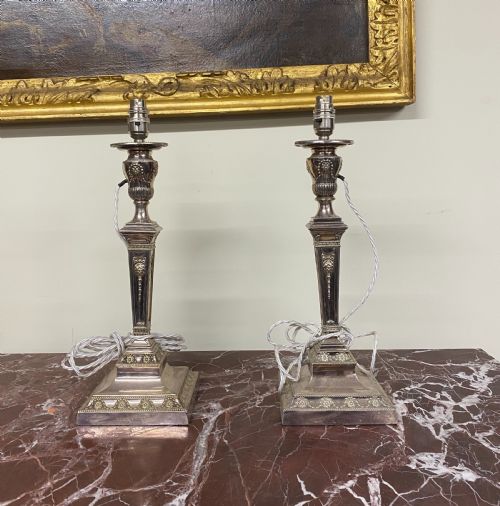
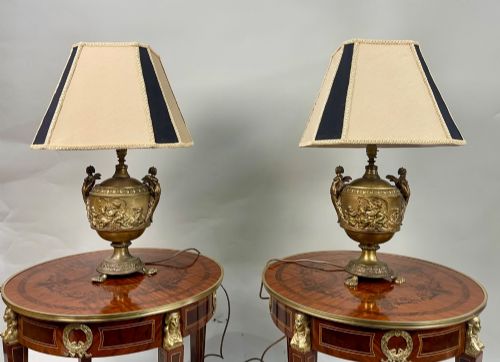
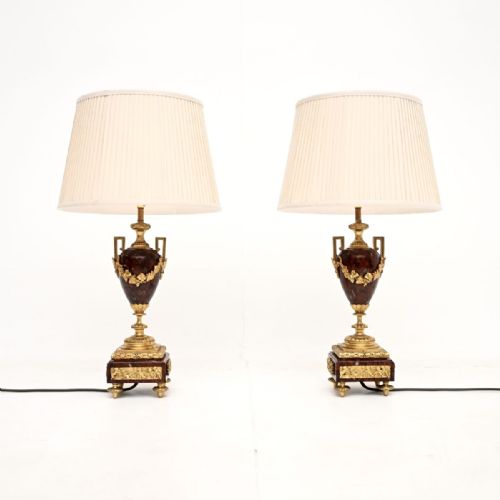
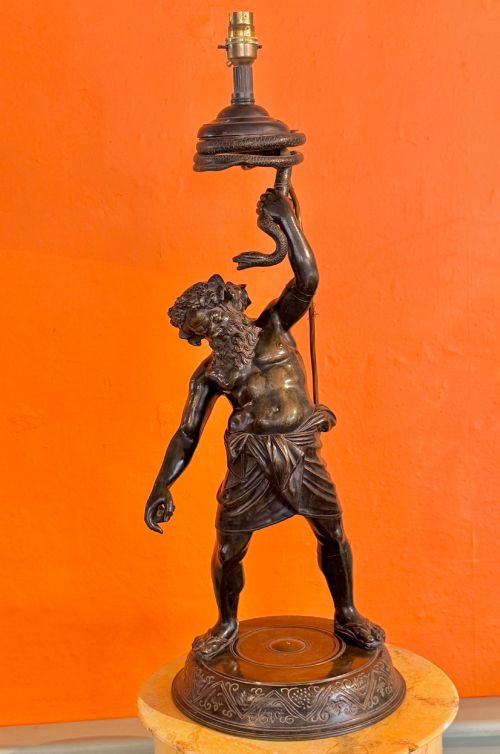
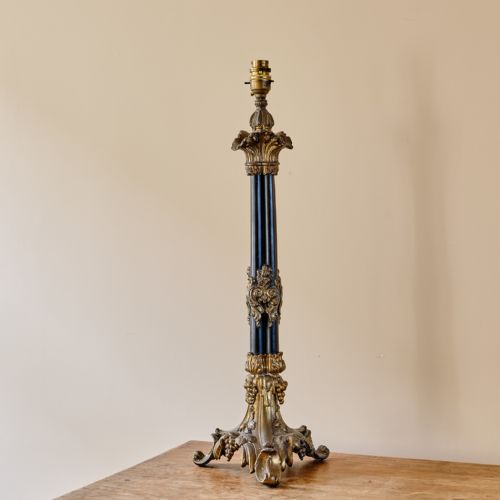
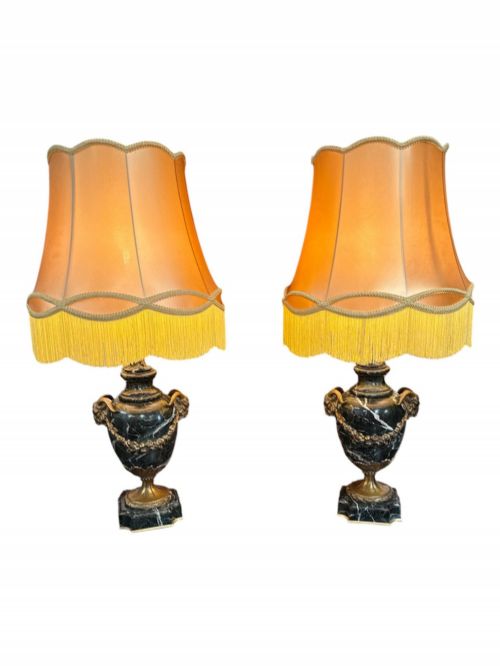
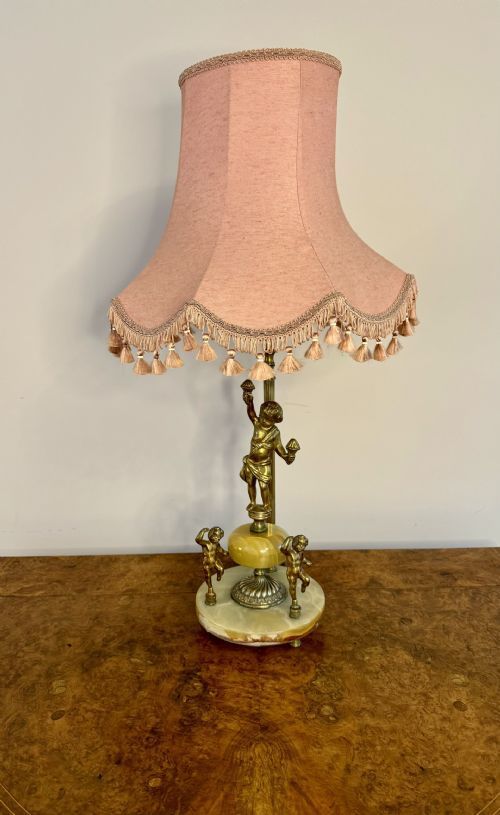
These classical accent lamp choices bring nineteenth century elegance and bronze detail directly to side tables and reading corners.
Classical Accent Lamp
A classical accent lamp draws directly on nineteenth century and early twentieth century motifs, bridging the gap between functional lighting and sculptural art. When buyers search for a classical accent lamp, they encounter table lamps and occasional support pieces influenced by French Empire, Regency, and Edwardian design.
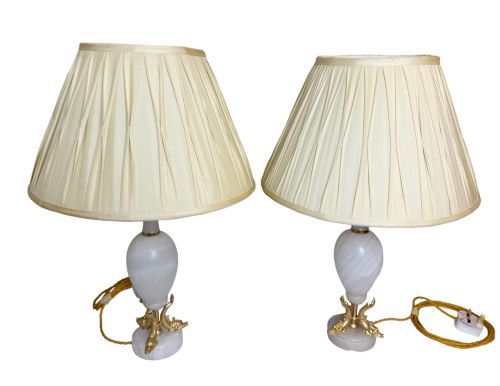
The versions most commonly met on this page combine cast metal mounts with natural stone bases. French workshops and Italian makers produced these forms using marble, onyx, and alabaster alongside patinated and gilded bronze.
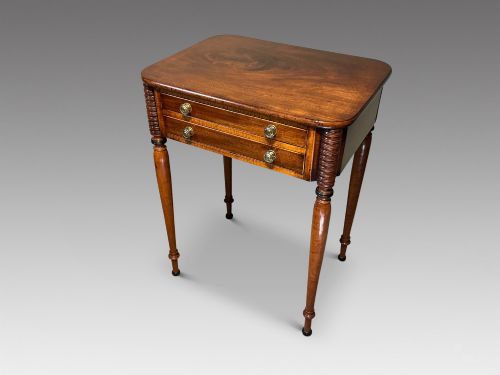
Alongside standard table lamps, the selection includes associated side tables and gueridons that share the same neoclassical vocabulary. These support pieces establish a cohesive scheme when paired with matching urn or column lamps.
Materials and construction
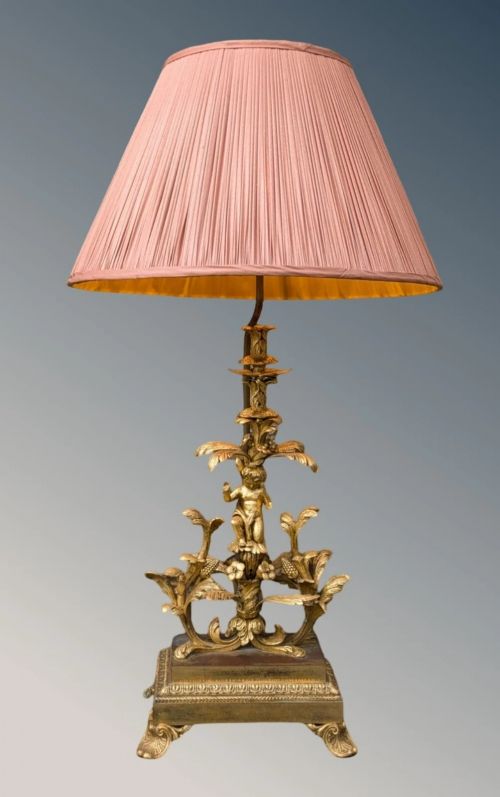
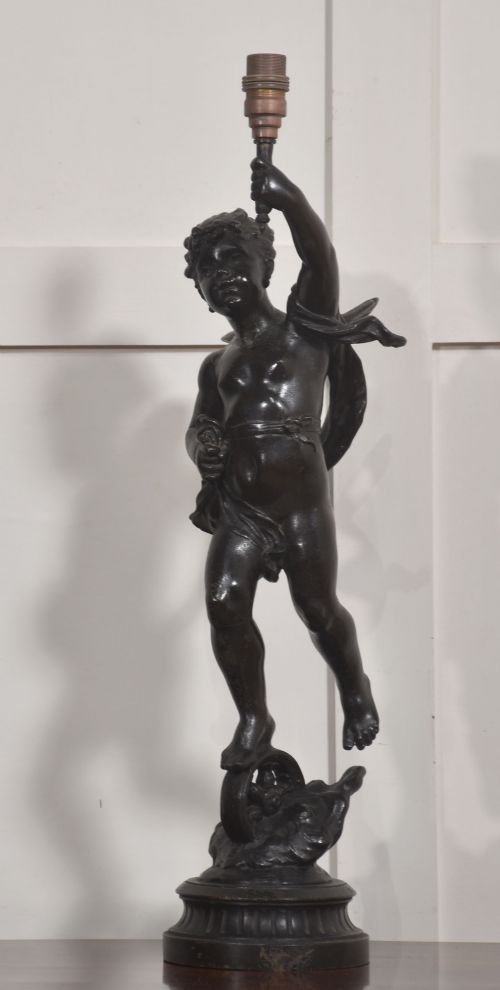
Makers utilised heavy casting techniques for bronze and brass components, incorporating fire gilding or ormolu finishes to achieve a bright metallic lustre. Patinated surfaces received careful chemical treatments to create deep brown or green tones on figural and architectural mounts.
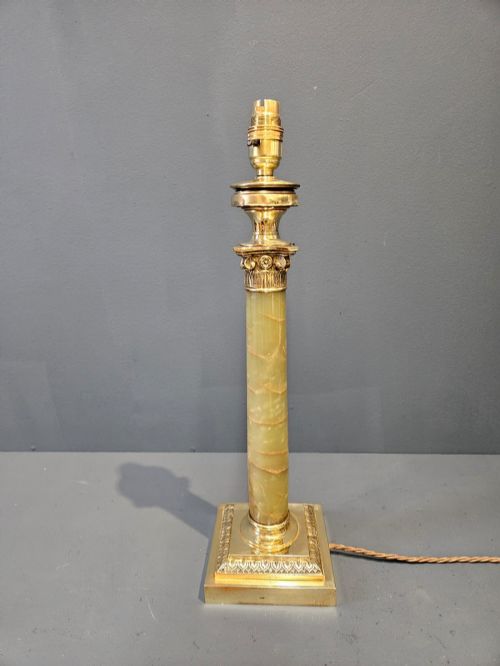
Stone elements such as white marble, green marble, and banded onyx were turned on lathes or carved by hand to form substantial columnar or urn shaped bases. These stone bodies were frequently secured with central threaded metal rods that hold the upper lamp assemblies in place.
Classical Accent Lamp Retail Price Guide 2026
Typical asking prices for classical accent lamp among the pieces listed under this phrase on Sellingantiques today, from the lower quarter to the upper quarter. They describe what is for sale here now, not the wider market.
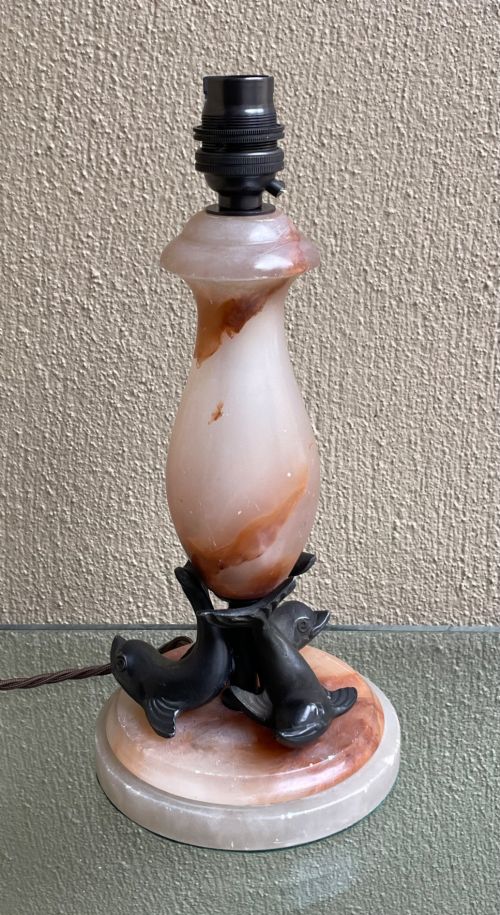
Several lamps feature carved stone dolphins, proving that even classical lighting sometimes requires a cheerful marine mammal.
Craftsmanship and detail
Quality separates through the crispness of the chasing on bronze and ormolu mounts, where superior pieces retain sharp relief in acanthus leaves, putti, and classical masks. Finer examples display meticulous assembly with tightly fitted stone joints and heavy gauge metal components rather than lightweight pressed sheet brass.
The integrity of the material selection dictates overall distinction, seen in dense unblemished marbles and finely grained alabaster. Pieces carrying specific foundry or maker signatures alongside refined patination sit naturally at the upper end of the scale.
G Amodio
The Classical Accent Lamp Glossary
- Ormolu
- Gilded bronze produced by applying a mercury and gold amalgam to a bronze base and heating it. This technique creates a durable golden finish seen on French neoclassical mounts.
- Gueridon
- A small circular table supported by a central column or figures, originating in seventeenth century France. These tables often feature marble tops and gilt bronze mounts.
- Patination
- The surface alteration of metal or wood caused by age, handling, and oxidation. Fine patination shows natural depth rather than uniform modern spray coatings.
- Alabaster
- A fine grained translucent stone used extensively for carved lamp bodies and vessels. Its natural opacity allows light to diffuse softly through the material.
- Putti
- Depictions of chubby male toddlers, often winged, derived from classical art. They appear frequently in relief on nineteenth century bronze bases.
Classical Accent Lamp: Frequently Asked Questions
What defines a classical accent lamp?
These lamps incorporate historical architectural motifs, figural casts, and traditional materials drawn from Regency, Empire, and Victorian design vocabularies.
They rely on heavy bronze, brass, and carved stone components to create a sculptural presence on side tables and desks.
How do I identify French pieces?
French examples often display finely chased ormolu mounts, putti reliefs, and refined patinated bronze figures reflecting nineteenth century revival styles.
Marble bases combined with classical mask details or urn forms further indicate continental manufacturing traditions.
Where should I place these lamps?
These pieces suit occasional tables, sideboards, and desk surfaces where their sculptural forms remain visible from multiple angles in a room.
Pairing them with matching side tables or gueridons creates a balanced decorative arrangement.
Are these lamps wired for modern use?
Most antique lamps have been adapted with contemporary electrical wiring and standard lamp holders to suit modern domestic standards.
Buyers should inspect the cord exit points and consult a qualified electrician to ensure safety compliance.