



Classic Woven Rug
When you choose a classic woven rug, you bring home a handcrafted floor covering shaped by centuries of regional weaving traditions.
Classic Woven Rug
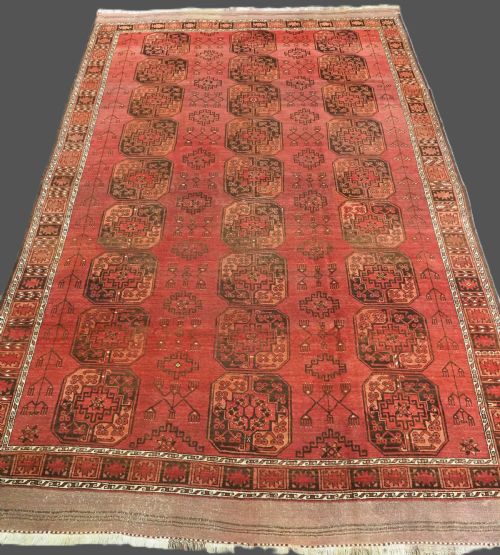
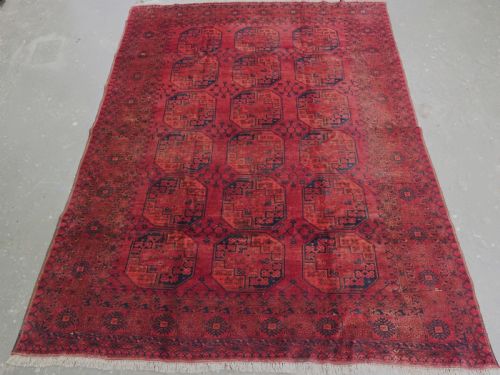
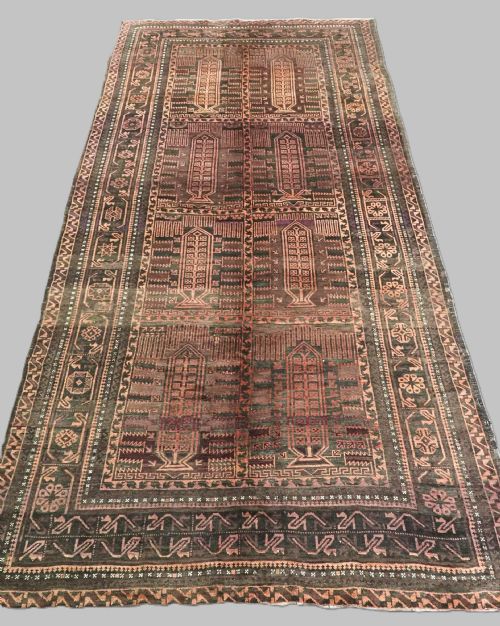
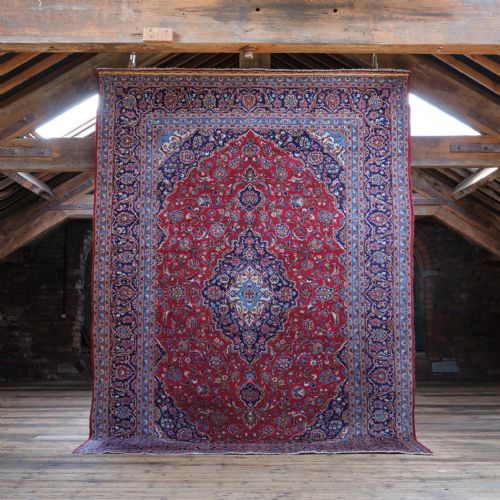
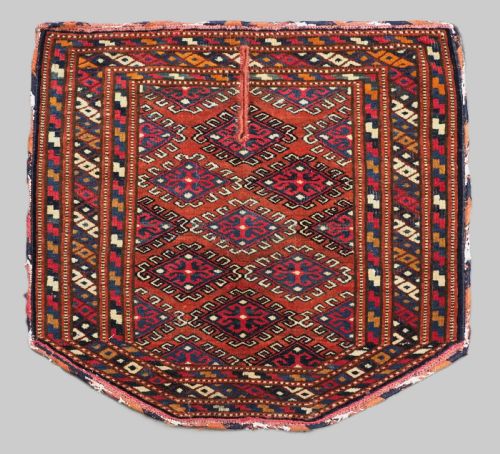
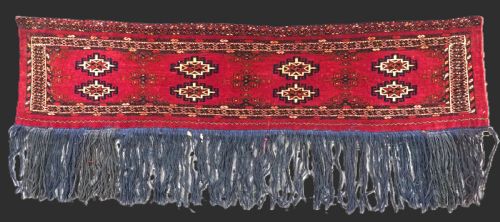
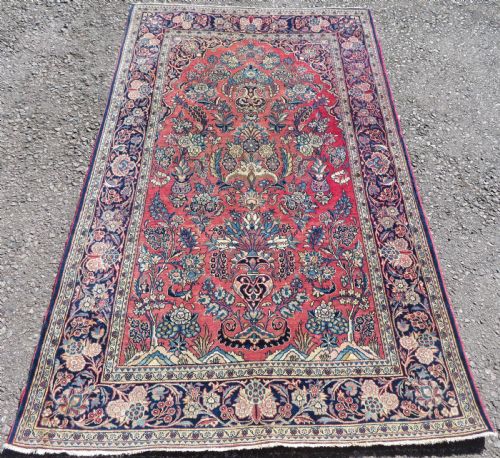
A classic woven rug spans major regional weaving traditions including Persian, Turkmen, Anatolian, and Caucasian origins. These textiles range from small storage bags and saddle covers to large room size carpets.
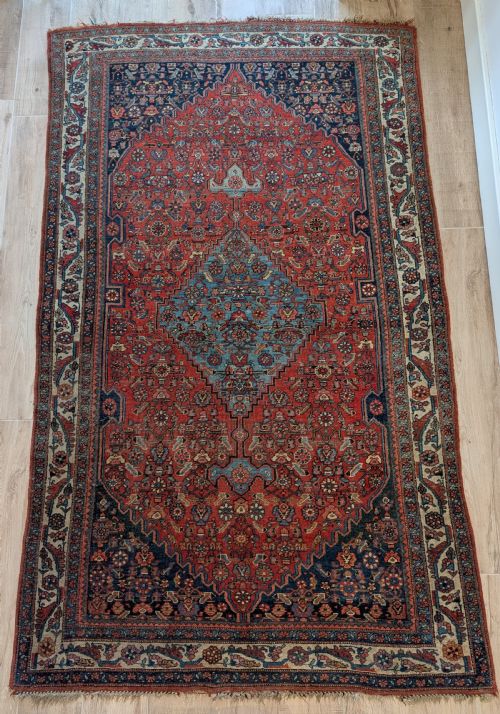
The most likely version to meet on this page is an antique room size or area carpet originating from Persian or Turkish workshops and tribal groups. Pieces span the nineteenth and early twentieth centuries, displaying traditional motifs and medallion layouts.
How They Were Made
These textiles are constructed primarily from wool and cotton, utilising hand-knotted techniques alongside flatweave methods. Natural fibres form the pile and foundation, creating durable structures designed for daily use.
Weavers employed traditional dyeing methods to achieve warm red colours, ivory grounds, and multi-coloured patterns. Detailed pile work and flatweave constructions define the diverse regional outputs seen across these listings.
Classic Woven Rug Retail Price Guide 2026
Typical asking prices for classic woven rug among the pieces listed under this phrase on Sellingantiques today, from the lower quarter to the upper quarter. They describe what is for sale here now, not the wider market.
Listings feature wool, cotton, and hand-knotted wool textiles spanning the 1860s through the 1940s.
What Varies in Quality
The density of the weave and the precision of the knotting separate fine examples from standard pieces. Tighter construction yields crisper pattern definition and greater resilience under foot.
Material selection and dye consistency influence the overall character of a carpet. Superior wool quality and harmonious colour saturation elevate the presence of traditional tribal and city designs.
The Classic Woven Rug Glossary
- Main carpet
- A large floor textile traditionally woven for domestic use within a tribal or village setting.
- Kilim
- A flatwoven carpet or textile produced without a pile by tightly interweaving warp and weft strands.
- Torba
- A small tribal storage bag traditionally hung against a yurt wall for household items.
- Ensi
- A tribal door hanging or tent rug featuring a characteristic cruciform layout.
- Medallion
- A central ornamental design motif placed in the field of a carpet.
Classic Woven Rug: Frequently Asked Questions
How do I clean a woven rug?
Regular gentle vacuuming without a beater bar removes loose dust and debris from the pile. Professional specialist cleaning is recommended for deeper maintenance.
Avoid soaking antique wool and cotton textiles in water or using harsh commercial detergents. Proper care preserves the natural lanolin in the wool fibres.
Where should I place a large carpet?
Large room size carpets anchor principal living spaces, dining rooms, or libraries. Placing furniture partially on the textile helps define conversation areas.
Ensure the floor receives even lighting to display the natural colours properly. Using an appropriate underlay prevents slipping and cushions the foundation.
How can I tell regional styles apart?
Regional styles reveal themselves through distinct colour palettes, border arrangements, and structural motifs. Persian pieces often showcase intricate floral fields, while tribal weaves favour geometric patterns.
Examining the knot type and edge finishing provides further clues to origin. Turkmen and Caucasian pieces display characteristic boteh, gul, and tribal symbols.
What is the difference between a pile rug and a kilim?
Pile rugs feature a raised surface formed by individual knots tied to the warp threads. This construction creates a soft, plush texture underfoot.
Kilims are flatwoven without any raised pile, resulting in a thin and lightweight textile. Both styles utilise traditional wool and cotton materials but offer entirely different tactile qualities.