

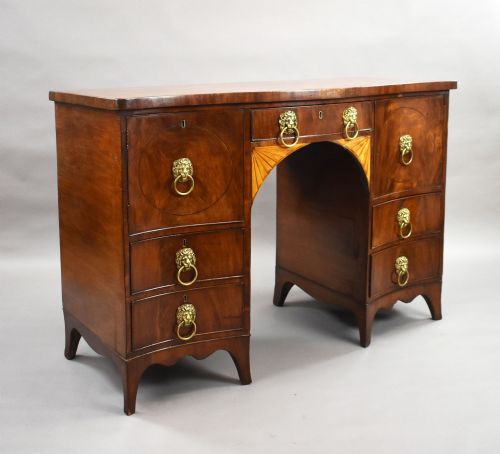


Classic Wooden Cabinet
A classic wooden cabinet brings lasting utility and period character to a room, spanning forms from bedside cupboards to large bookcases.
Classic Wooden Cabinet
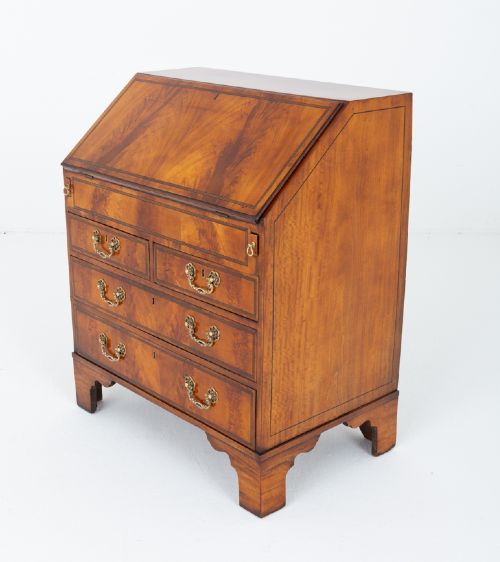
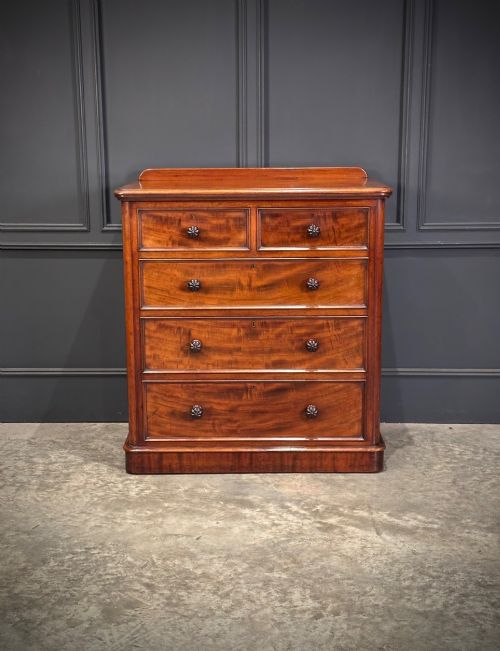
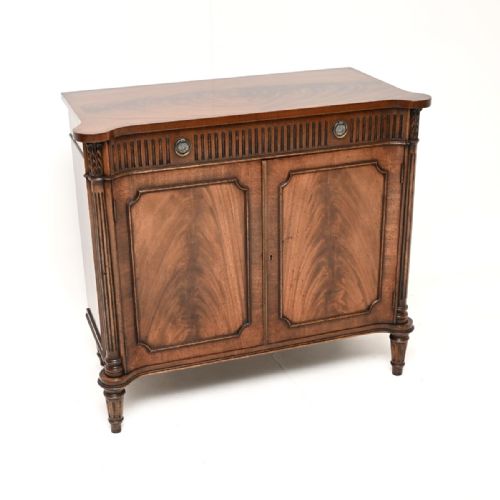
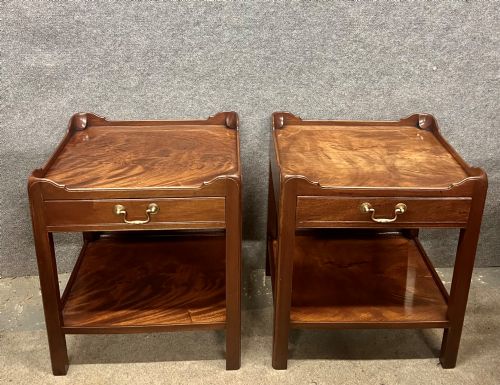
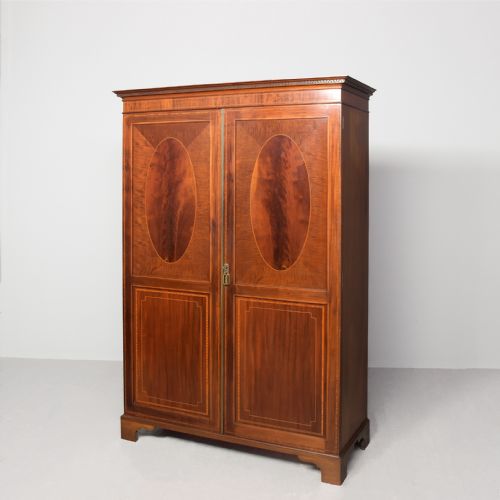
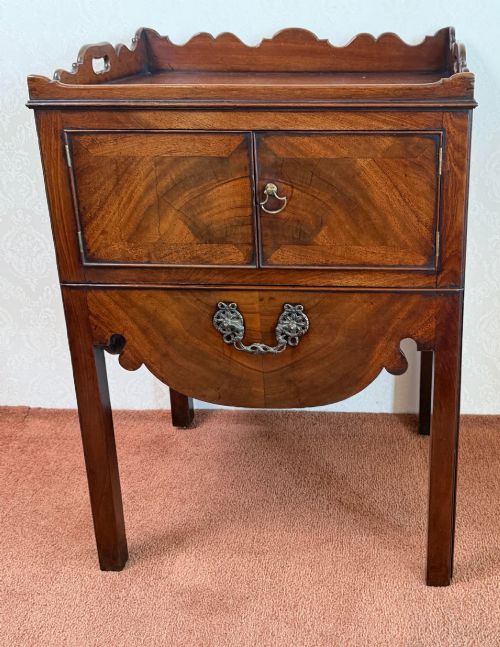
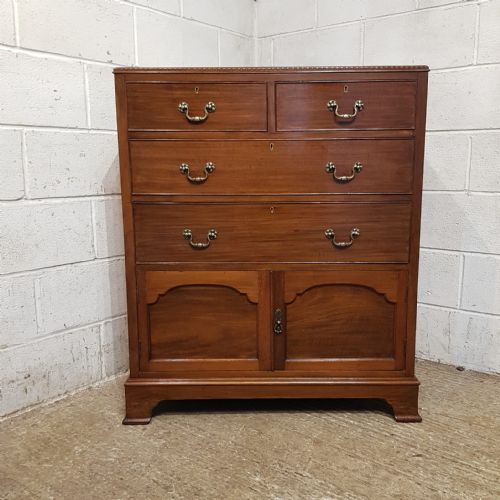
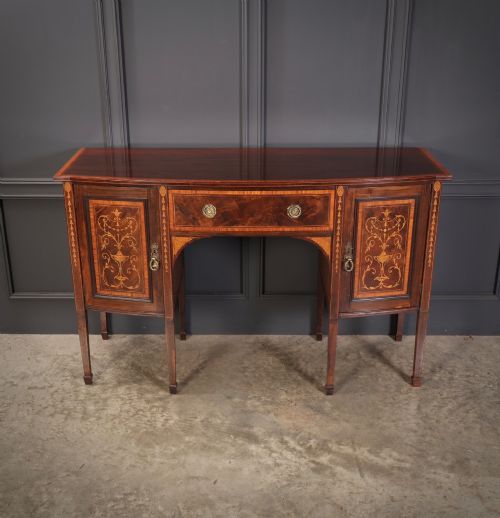
A classic wooden cabinet encompasses a diverse group of storage furniture produced across the eighteenth, nineteenth, and early twentieth centuries. These pieces range from compact bedside tables and pot cupboards to substantial chest of drawers, sideboards, wardrobes, and bureau bookcases.
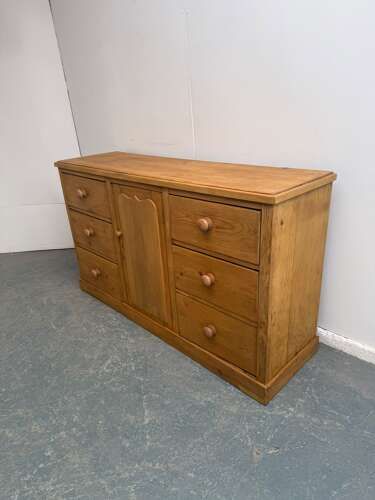
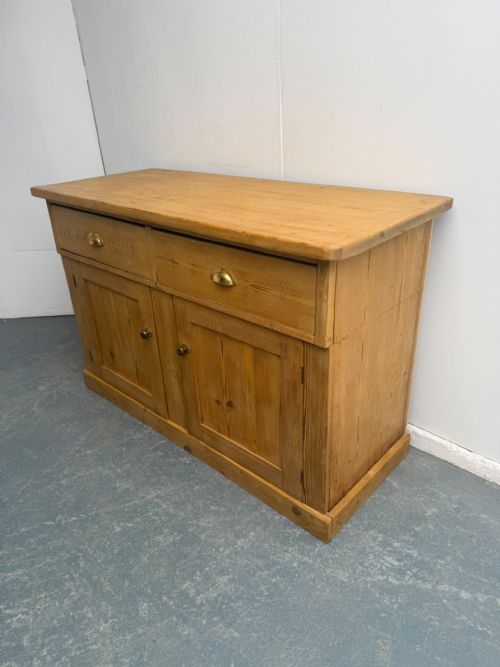
Buyers seeking a classic wooden cabinet will most frequently encounter mahogany pieces originating from the Georgian, Victorian, and Regency periods. Pine and satinwood alternatives also appear, alongside specialised forms like tallboys and collectors cabinets.
How they were made
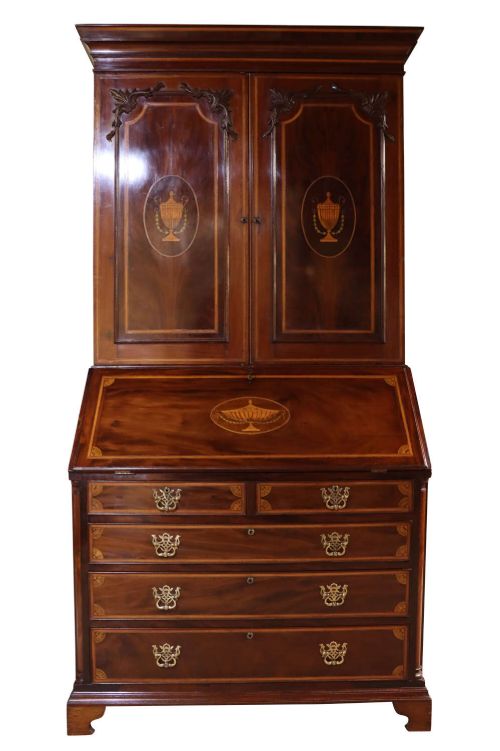
Cabinet makers relied primarily on solid mahogany and flame mahogany veneer, supported by secondary timbers such as pine. Decorative distinction came from boxwood inlay and marquetry work.
Hardware and functional details typically incorporated cast brass handles and glass door panels. Surfaces were finished with traditional waxing techniques that preserved the grain of the wood.
Classic Wooden Cabinet Retail Price Guide 2026
Typical asking prices for classic wooden cabinet among the pieces listed under this phrase on Sellingantiques today, from the lower quarter to the upper quarter. They describe what is for sale here now, not the wider market.
One exceptional specialist storage unit recorded here contains forty individual drawers, built precisely for an ardent Victorian collector.
What varies in quality
The standard of timber selection and veneer matching defines the upper tier of these pieces. Grain alignment across drawer fronts and the fineness of boxwood inlay reveal the skill of the original workshop.
Construction methods and timber integrity determine durability over centuries. Original brass handles and uncompromised internal drawer linings separate superior examples from heavily altered pieces.
The Classic Wooden Cabinet Glossary
- Bowfront
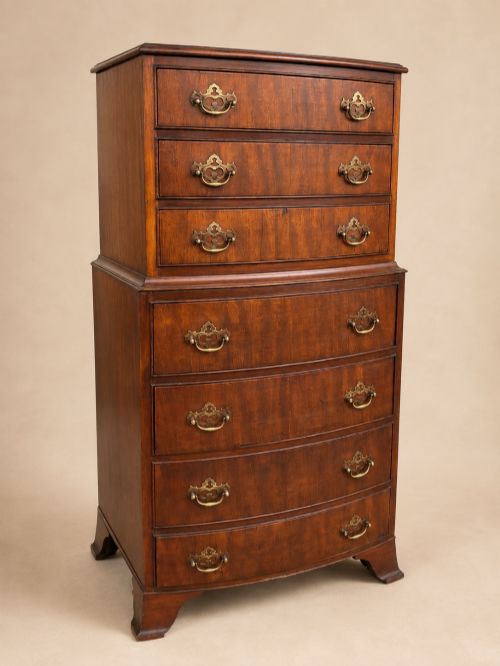
- A curved convex front typical of chests of drawers and sideboards from the Georgian and Regency eras. This profile requires precise woodworking to shape timber drawers accurately.
- Flame mahogany veneer
- A decorative wood slicing chosen for its fiery, swirling grain pattern. It was applied over a stable secondary timber carcass.
- Bureau bookcase
- A dual-purpose tall furniture form combining a sloping desk flap with upper shelving enclosed by doors. These pieces provided extensive storage and workspace in one unit.
- Pot cupboard
- A small bedside cabinet designed originally to house a chamber pot. They usually feature a single door enclosing a shelved interior.
- Tallboy
- A tall chest of drawers standing higher than a standard chest, often comprising a smaller chest stacked upon a larger base. They maximised vertical storage in period bedchambers.
Classic Wooden Cabinet: Frequently Asked Questions
Where should I place a bedside cabinet?
A bedside cabinet suits a bedroom flanking a bed, providing enclosed storage for nighttime items. Its compact footprint also allows it to function as a lamp table in a sitting room.
Matching pairs offer visual symmetry, while single cabinets work well as standalone accents beside an armchair.
How do I care for a mahogany sideboard?
Maintain mahogany surfaces by dusting with a dry, soft cloth and occasionally applying natural beeswax to nourish the timber. Keep the wood away from direct heat sources and strong sunlight to prevent warping and fading.
Avoid liquid polish containing silicone, which builds up over time and dulls the natural lustre of the antique finish.
What is the difference between a chest of drawers and a tallboy?
A standard chest of drawers stands at waist height with multiple horizontal drawers arranged vertically. A tallboy reaches significantly higher by incorporating additional drawer tiers in a stacked formation.
Both forms served to store clothing, but the tallboy was engineered to provide greater storage capacity within a minimal floor area.
How do I distinguish Regency style from Victorian furniture?
Regency furniture, produced in the early nineteenth century, tends to feature clean classical lines and understated brass mounts inspired by antiquity. Victorian pieces often display heavier proportions, richer carving, and darker timber tones.
Examining the construction joints and handles helps clarify the period of manufacture alongside stylistic cues.