
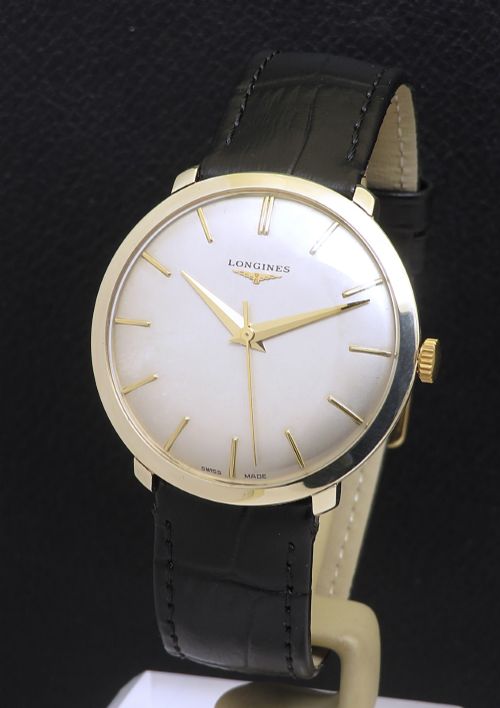
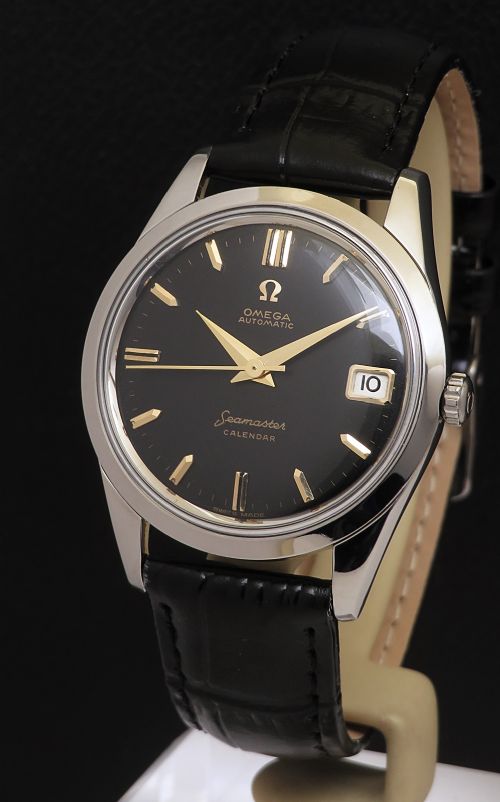
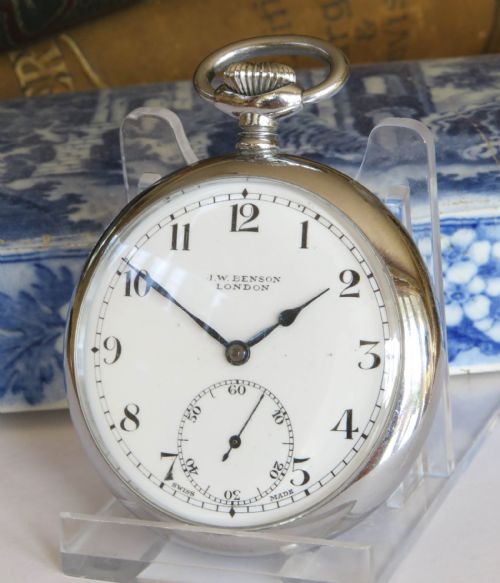
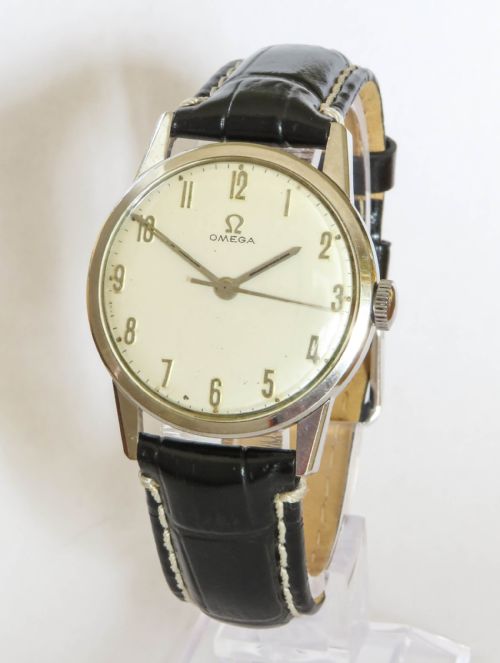
Classic Vintage Watch
When you handle a classic vintage watch, you hold a mechanical piece of mid-century design that tells time through gears and springs rather than digital screens.
Classic Vintage Watch
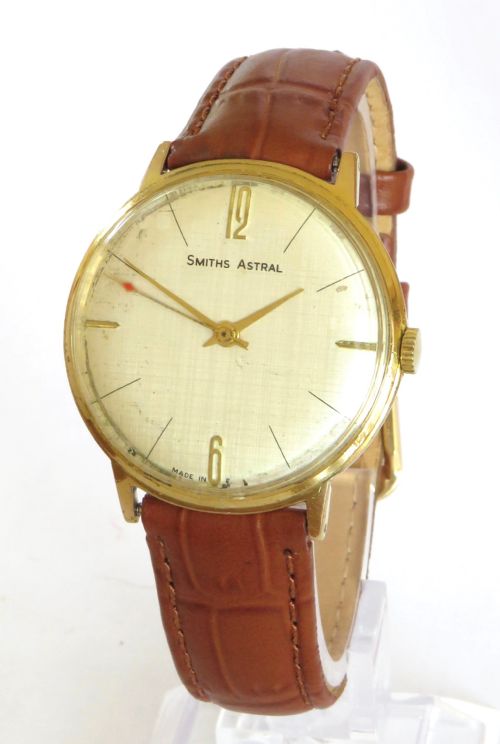
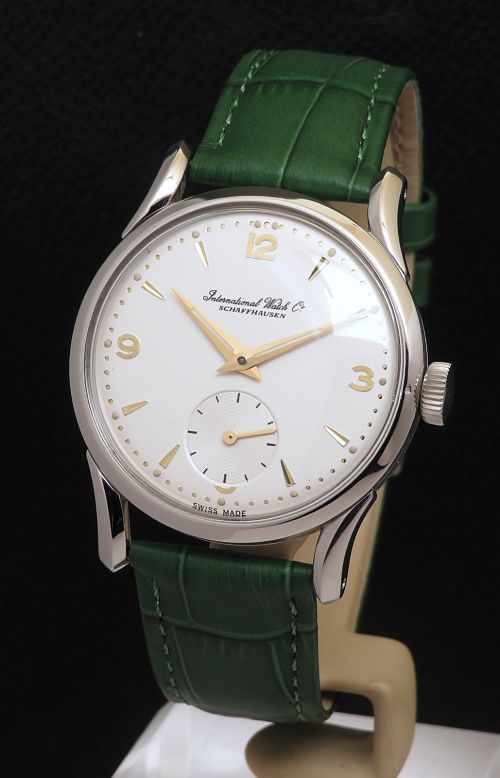
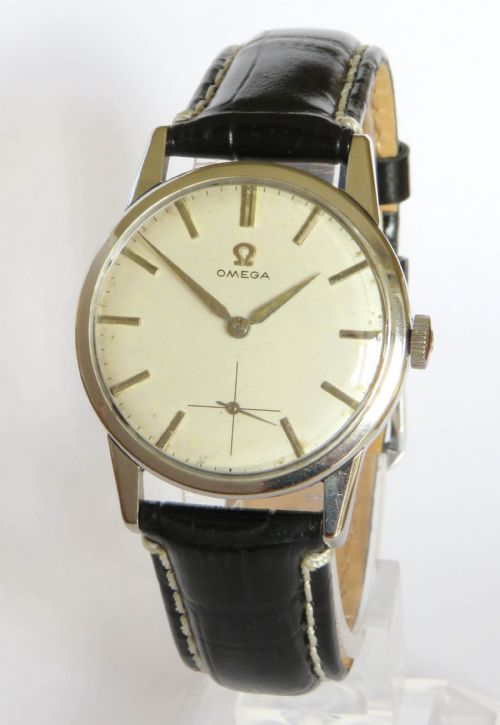
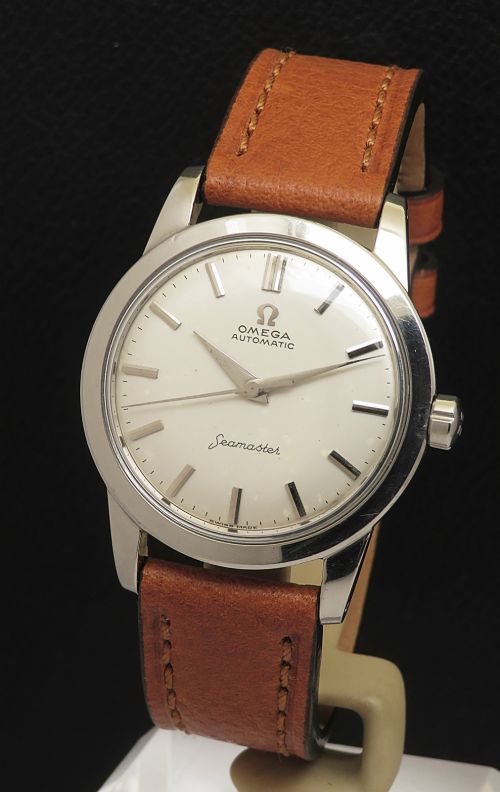
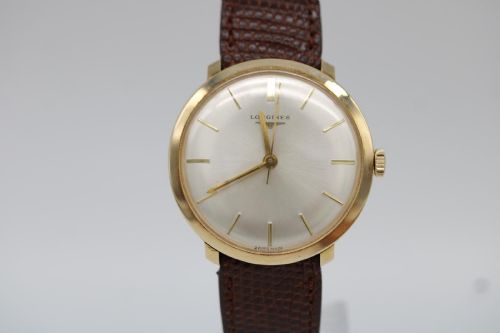
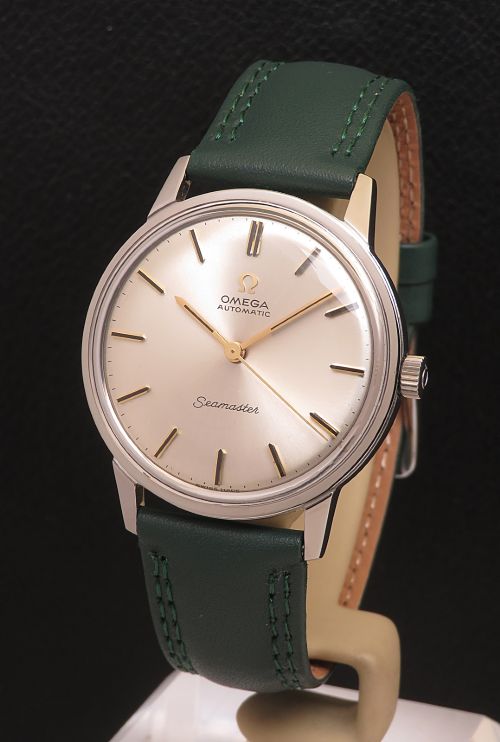
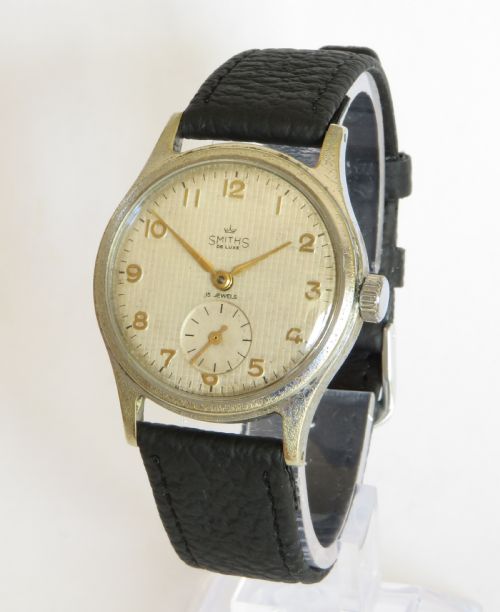
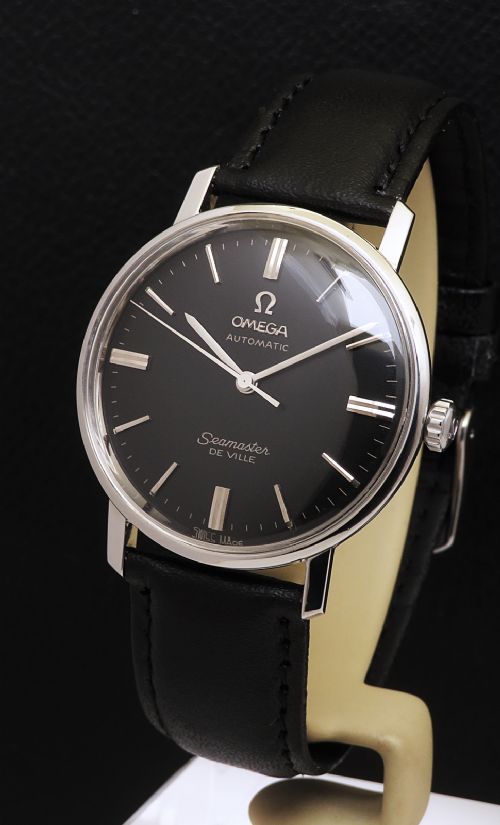
A classic vintage watch encompasses both wristwatches and pocket watches spanning from the Edwardian era through the nineteen-seventies, with a heavy concentration of pieces from the nineteen-fifties and nineteen-sixties. Buyers searching for a classic vintage watch typically encounter mechanical timepieces powered by manual wind or automatic movements rather than modern quartz mechanisms.
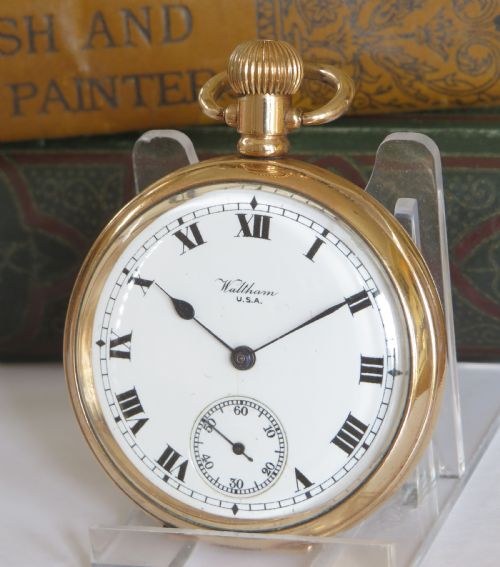
The wristwatches of this selection lean heavily towards mid-century designs produced by prominent Swiss houses alongside British manufacturers. Pocket watches appear from earlier decades such as the nineteen-tens and nineteen-twenties, offering alternative formats with hinged cases and protective covers.
How they were made
The construction of these timepieces relies on durable metals including stainless steel, solid nine-carat gold, and gold-plated brass housings enclosing intricate mechanical movements. Dials are protected by clear glass or acrylic glass crystals, while straps are commonly fashioned from leather.
Watchmakers utilised specialised manual wind and automatic mechanical calibres to drive the hands across dials that often featured applied markers and subsidiary seconds. Cases were engineered to house these delicate gears securely, sometimes incorporating water-resistant sealing systems like those found in automatic bumper models.
Some dials bear the name of local high street jewellers who retailed Swiss movements under their own respectable British names.
What varies in quality
The distinction between tiers rests upon the originality of the components and the preservation of the dial and case. Examples retaining their untouched factory dials and original signed crowns command greater interest from purists than those fitted with replacement parts.
Execution of the internal movement further separates ordinary examples from finer specimens, particularly when movements feature high-jewel counts, adjusted calibres, and complete restoration records by skilled watchmakers.
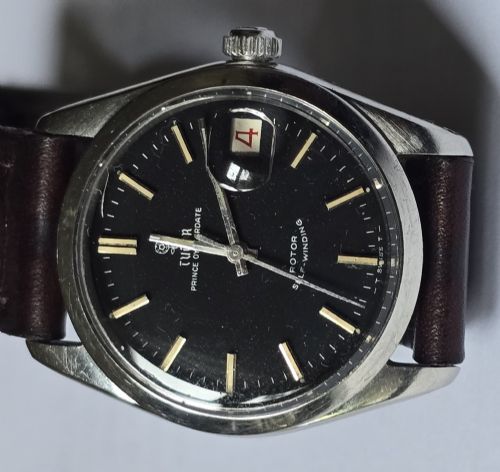
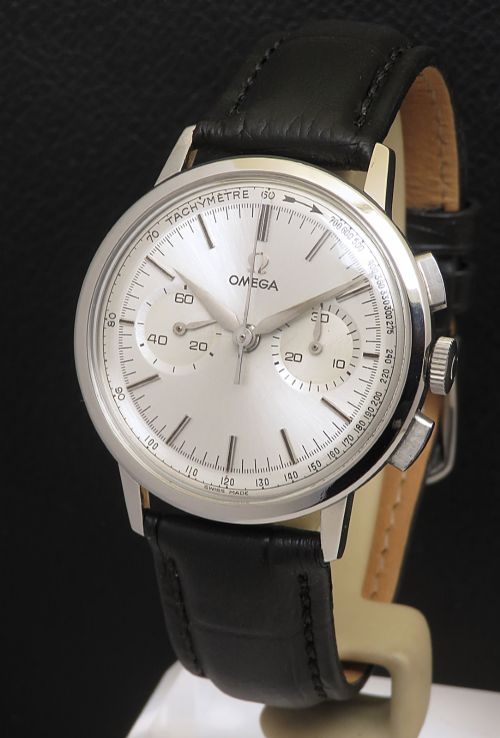
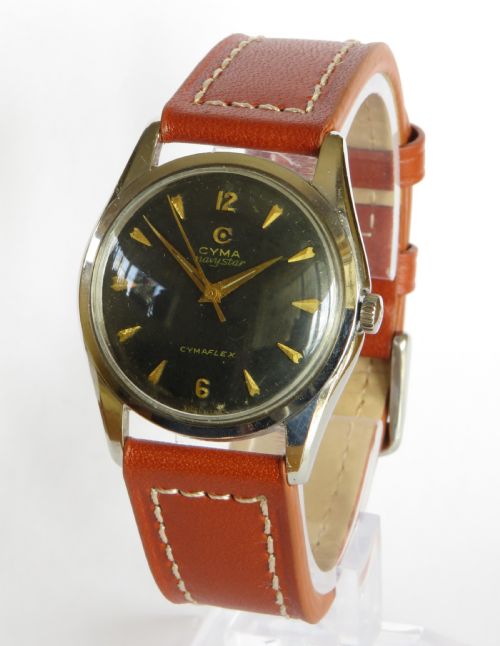
International Watch Company IWC·Omega·Longines·J W Benson·Montilier·Cyma·Waltham·Tudor·Bulova·Bucherer·Certina·Avia
The Classic Vintage Watch Glossary
- Calibre
- The specific internal movement or mechanism designed and numbered by a watch manufacturer. Different calibres denote distinct technological generations and functional capabilities within a brand's output.
- Manual wind
- A mechanical movement requiring the wearer to turn the crown by hand to tension the mainspring. This traditional method predates automatic self-winding rotors.
- Automatic
- A self-winding mechanical movement that uses a weighted internal rotor to tension the mainspring using the natural motion of the wearer's wrist. This innovation gained widespread popularity during the nineteen-fifties.
- Acrylic glass
- A lightweight, shatter-resistant plastic material utilised for watch crystals before synthetic sapphire became standard. It can be polished to remove surface scratches.
- Full hunter
- A pocket watch featuring a spring-loaded metal cover that snaps shut over the glass dial to protect it from damage. The cover is typically released via a push-piece on the crown.
Classic Vintage Watch: Frequently Asked Questions
How do I wind a manual watch?
Turn the crown gently between your thumb and forefinger in a clockwise direction until you feel firm resistance. Stop winding immediately once resistance increases to avoid snapping the internal mainspring.
Wind the watch at approximately the same time each day to maintain consistent tension and accurate timekeeping throughout wear.
Can I swim with a vintage watch?
Most vintage timepieces lack the modern rubber gaskets and screw-down crowns required to keep water out during submersion. Even models marked as water-resistant or waterproof should be kept away from water due to aged seals.
Condensation can ruin vintage dials and rust delicate steel components inside the movement within minutes of moisture entry.
How often need they be serviced?
Mechanical watches require professional cleaning and oiling every three to five years to prevent dried lubricants from grinding down the gears. A watchmaker disassembles the entire calibre, cleans the components, and applies fresh oil during this process.
Regular servicing ensures the tiny pivots and jewels maintain their precision across decades of continuous use.
What is an automatic bumper?
An early form of self-winding movement where the internal weighted rotor swings back and forth across a limited arc rather than spinning in a full circle. Springs at either end absorb the kinetic energy and bounce the weight back in the opposite direction.
Wearers can distinctly feel and hear the gentle thud of the weighted rotor hitting the internal springs as they move their wrist.