





Classic Vintage Timepiece
A classic vintage timepiece brings mechanical precision and mid-century design together on the wrist or mantel.
Classic Vintage Timepiece
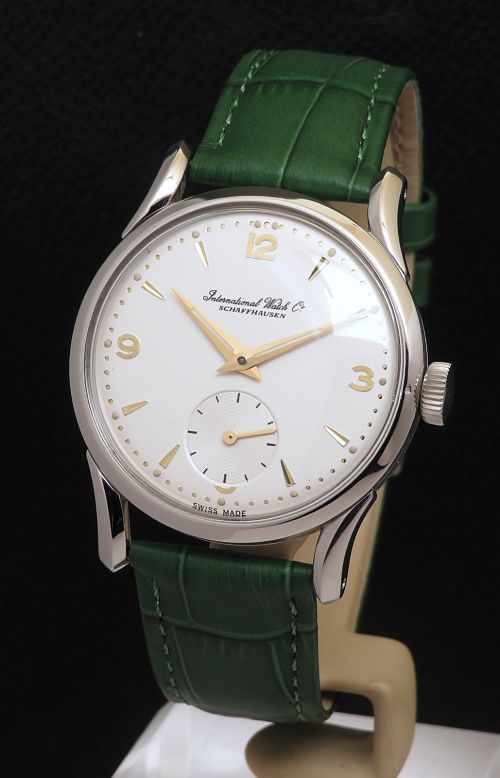
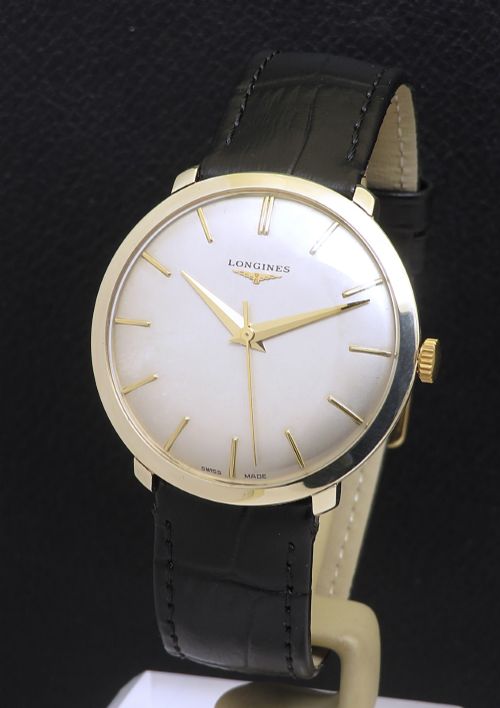
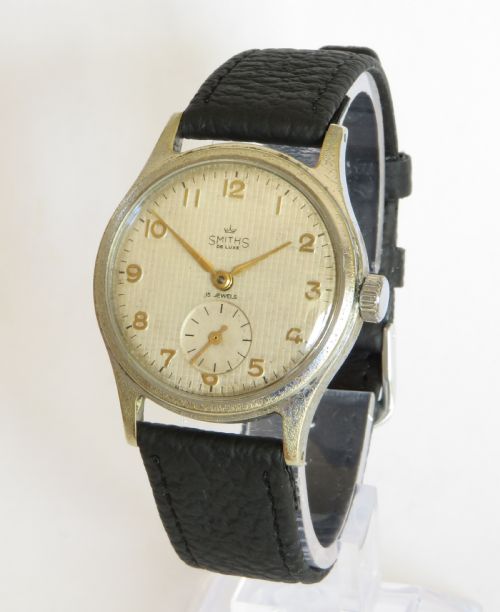
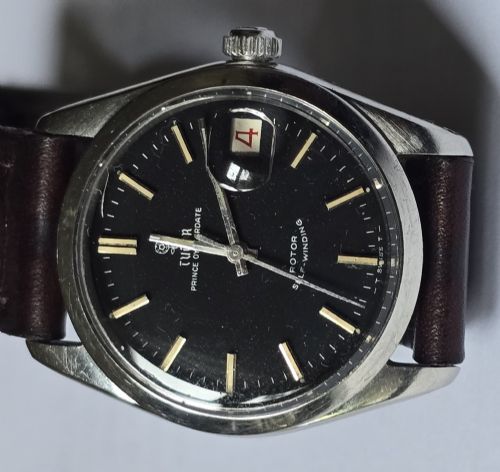
A classic vintage timepiece covers both portable watches and domestic clocks spanning the late nineteenth century through the nineteen-seventies. Buyers searching this phrase most frequently encounter wristwatches from the nineteen-fifties and sixties alongside Edwardian mantel clocks and carriage clocks.
The selection ranges from robust steel dive watches to solid gold dress pieces and wooden inlaid desk clocks. Formats include manual wind movements, automatic calibres, and early electronic tuning fork mechanisms housed in brass, steel, and precious metals.
How they were made
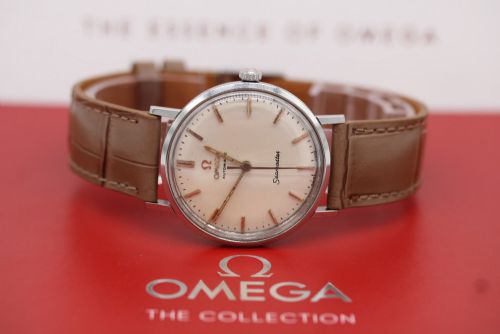
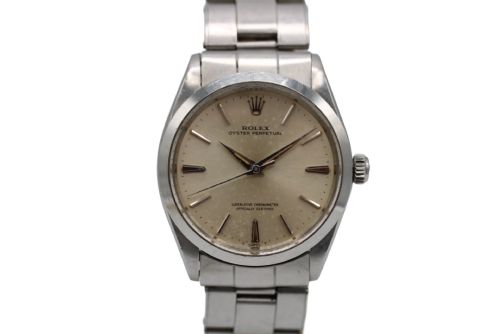
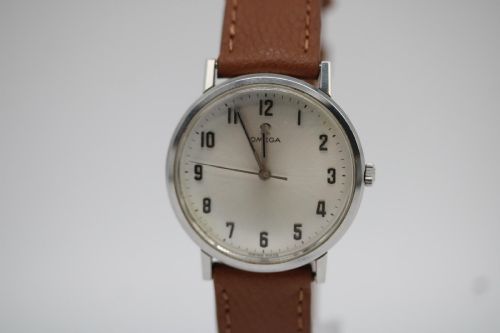
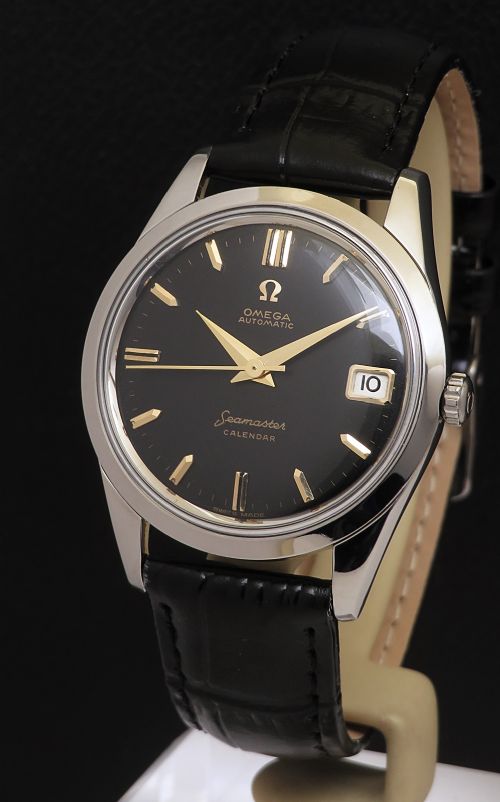
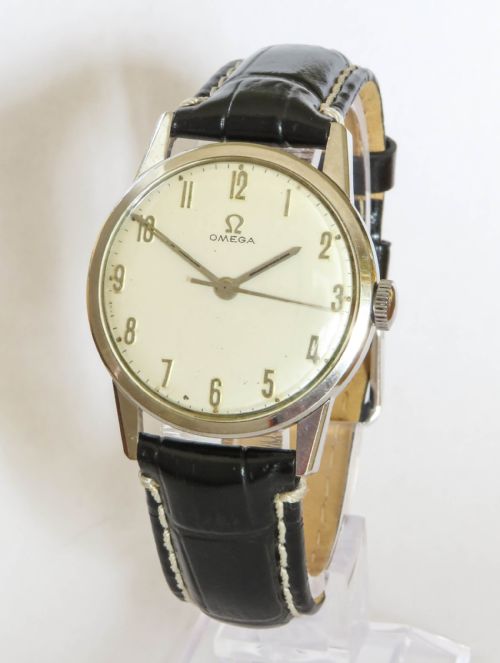
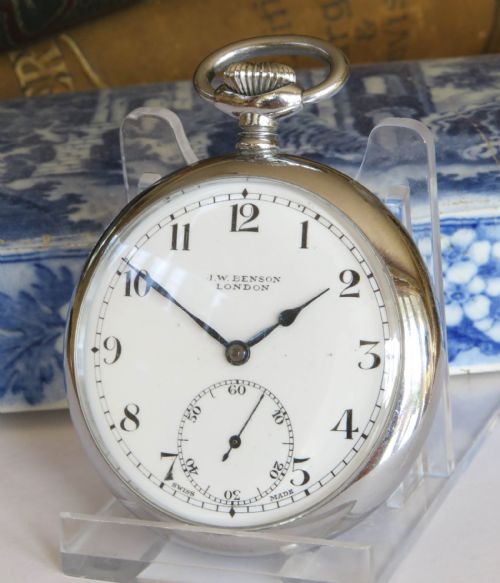
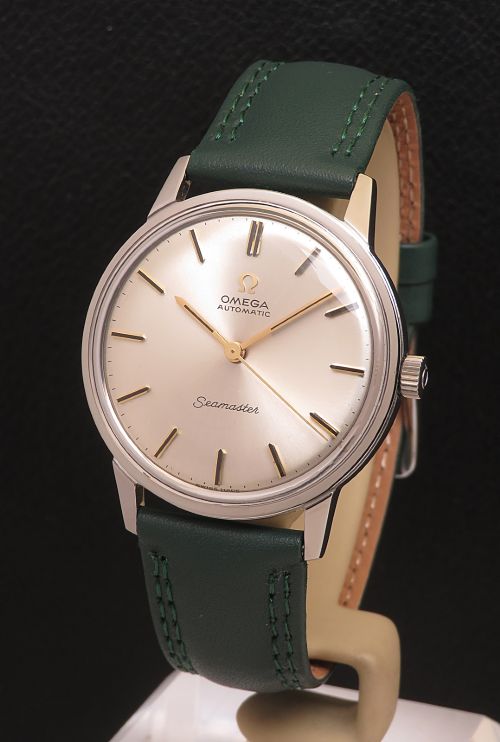
Cases combine metals such as stainless steel, solid nine-carat gold, gold plating, and polished brass with acrylic crystals protecting the dial. Dial faces frequently feature applied numerals, enamel chapter rings, and patinated finishes developed over decades.
Internal movements rely on intricate brass gear trains, jewelled bearings, and steel springs assembled by hand. Clock cases incorporate timber work like mahogany alongside glass panels and cast brass bezels.
Classic Vintage Timepiece Retail Price Guide 2026
Typical asking prices for classic vintage timepiece among the pieces listed under this phrase on Sellingantiques today, from the lower quarter to the upper quarter. They describe what is for sale here now, not the wider market.
Some mid-century electric wristwatches hum softly on the wrist instead of ticking, powered by tiny tuning forks that vibrate hundreds of times per second.
What varies in quality
Distinction across the range lies in the preservation of original components, from signed crowns and matching dials to untouched case geometry. Pieces retaining factory finishes and documented servicing histories demonstrate higher fidelity to their original manufacturing standard.
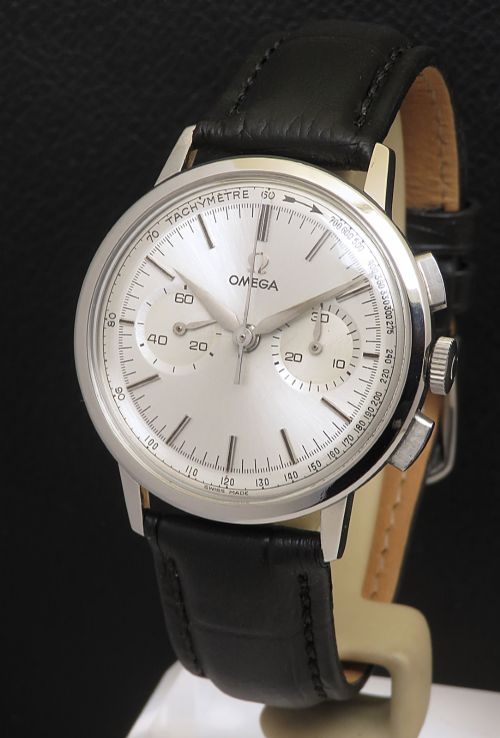
Movement complexity also sets examples apart, shifting from standard three-hand manual calibres to chronometer-grade mechanisms and chronograph complications. Case materials dictate quality tiers, separating base metal housings from solid gold iterations.
International Watch Company IWC·Omega·Longines·Vertex·J W Benson·Smiths·Montilier·Cyma·Rolex·Bulova Accutron·Bucherer·Certina·John Morley·Tudor
The Classic Vintage Timepiece Glossary
- Calibre
- The specific manufacturer's model designation for a watch movement. This code identifies the internal mechanical design and layout.
- Bumper automatic
- An early self-winding watch movement where the weighted rotor swings back and forth against springs rather than rotating fully. It creates a distinct physical tap on the wrist as it winds.
- Carriage clock
- A small, portable spring-driven clock with a glass-sided brass case and a carrying handle on top. Originally designed for travel during the nineteenth century.
- Chronograph
- A watch equipped with a complication for measuring elapsed time independently of the time-of-day mechanism. It operates via pushers on the side of the case.
- Patina
- The natural ageing, toning, and discoloration that occurs on watch dials, hands, and metal surfaces over many years. Collectors often prize undisturbed patination for its authenticity.
Classic Vintage Timepiece: Frequently Asked Questions
What is a bumper automatic movement?
A bumper automatic is an early self-winding mechanism where an internal weighted rotor swings through an arc of about one hundred and eighty degrees. Instead of spinning in a complete circle, springs bounce the weight back in the opposite direction.
Wearers feel a gentle tap on the wrist as the weight moves, which distinguishes these mid-century pieces from later fully rotating rotors.
How do I care for a vintage watch?
Vintage mechanical watches require careful handling to preserve their delicate internal gear trains and vintage lubricants. Keep them away from moisture and magnetic fields, and wind manual pieces gently at the same time each day.
Regular servicing by a professional watchmaker ensures the brass gears and steel springs continue to run accurately without excessive wear.
Are Edwardian clocks loud?
Edwardian carriage clocks and mantel clocks produce a distinct ticking sound generated by the escapement regulating the gear train. The acoustic volume depends on the wooden or brass case construction and the size of the internal movement.
Placing a clock on a heavy wooden surface can amplify the beat, while fabric mats beneath the feet help dampen the sound in quiet rooms.
What does a patinated dial mean?
A patinated dial shows natural ageing, such as subtle colour shifts or speckling across the surface caused by light and time. This organic transformation happens over decades of exposure.
Many collectors value original patinated dials because they prove the watch face has not been artificially repainted or restored.