

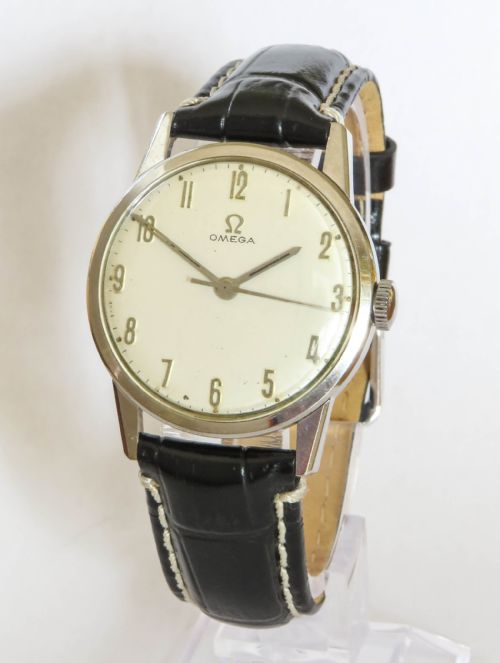
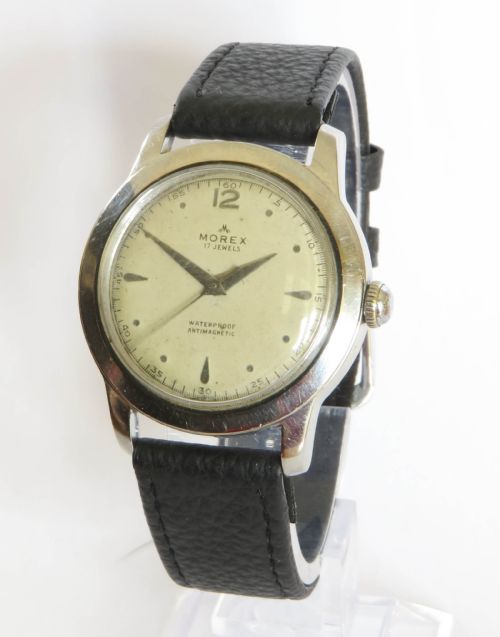
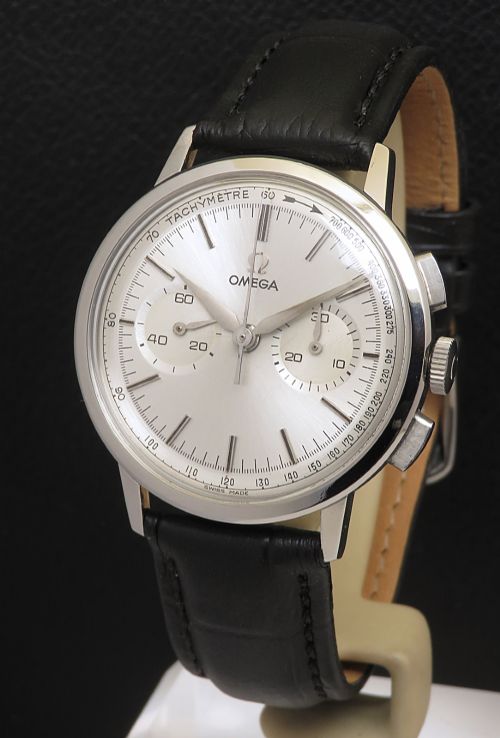
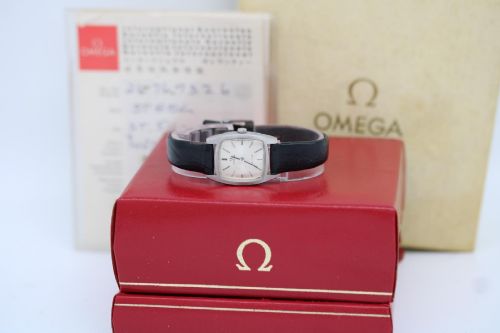
Classic Silver Watch
A classic silver watch brings mid-century horology to the wrist with enduring mechanical design from the 1940s to the 1960s.
Classic Silver Watch
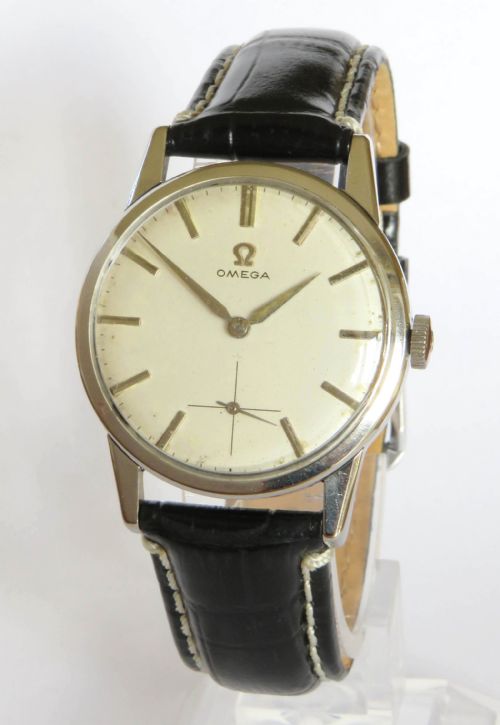
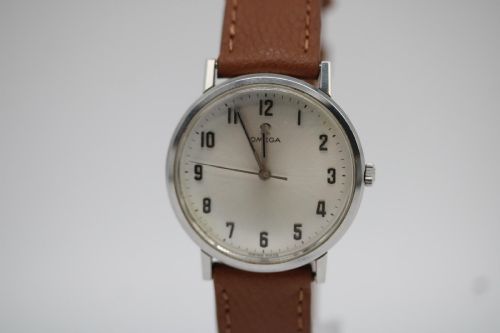
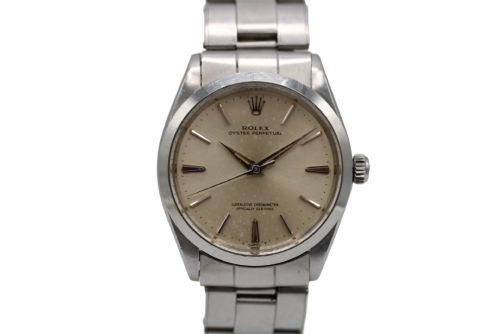
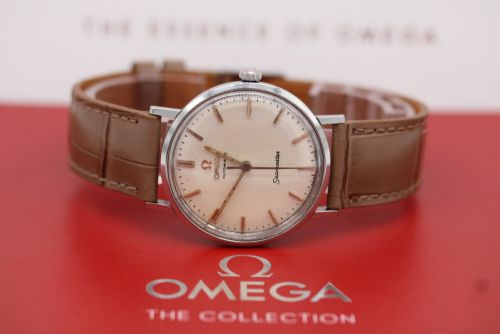
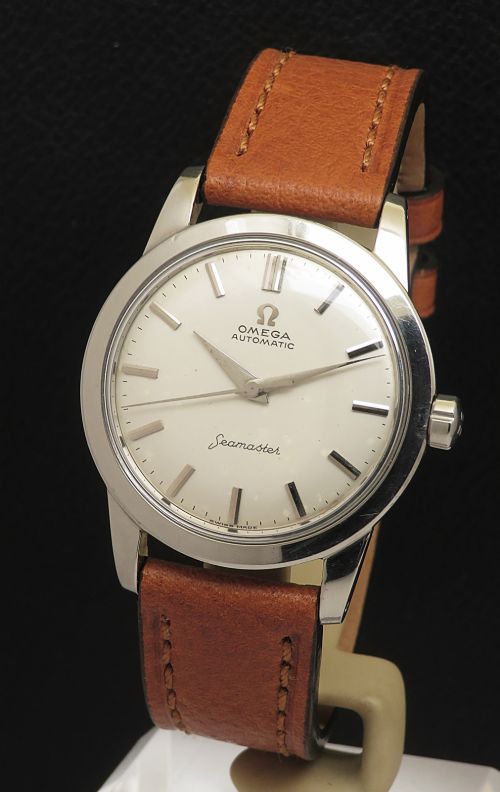
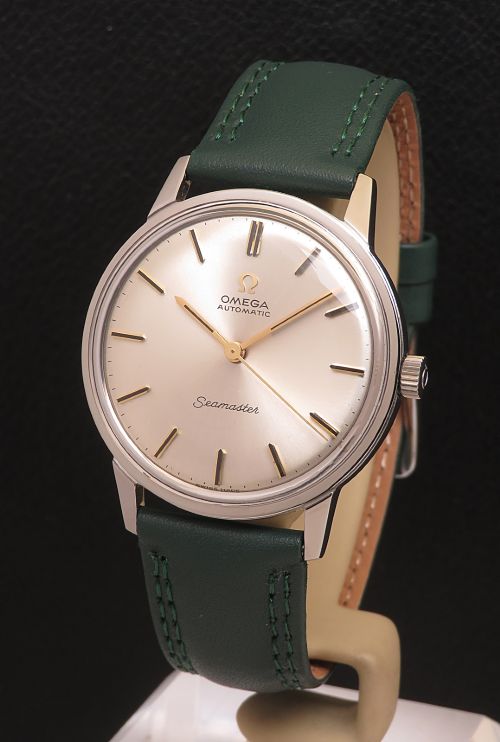
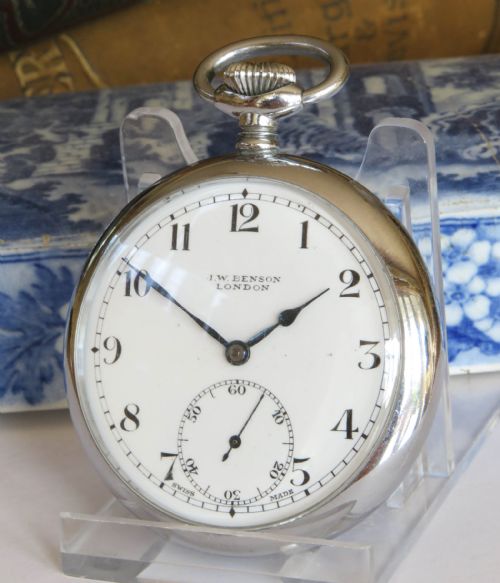
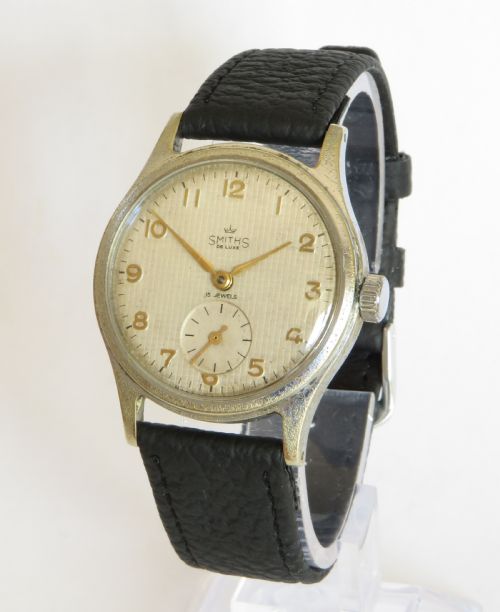
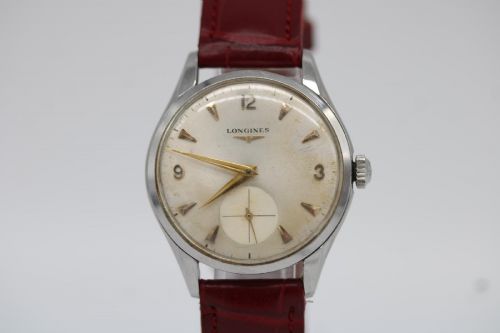
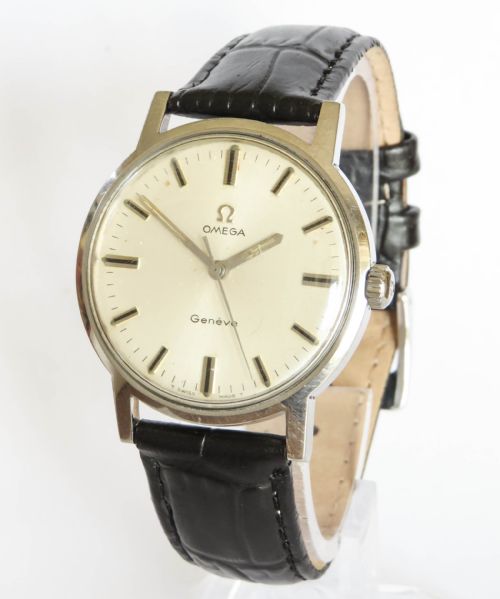
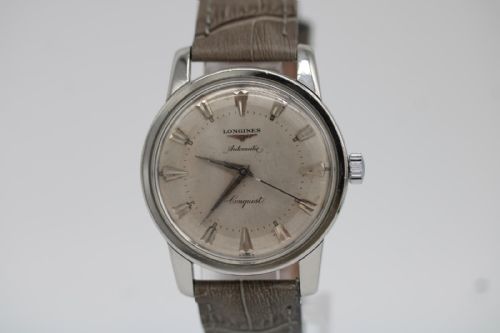
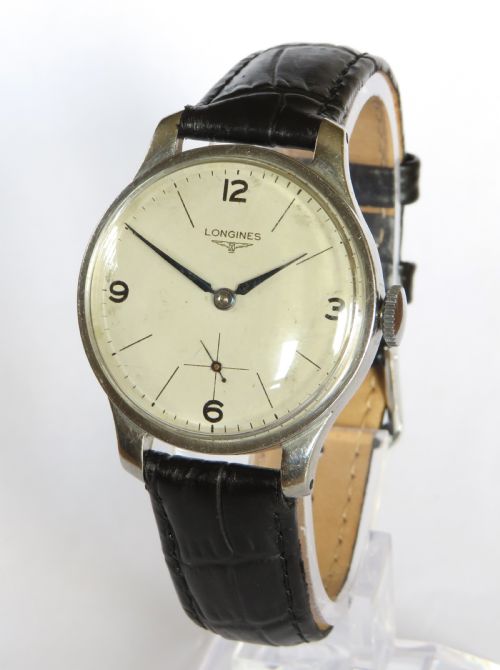
A classic silver watch on this page typically spans wristwatches and pocket watches issued across the 1940s, 1950s, and 1960s periods. These timepieces embody mid-century modern, Art Deco, and vintage styles created by established makers.
Buyers encounter mechanical movements, manual winds, and automatic calibres housed in steel, chrome, and white gold cases. Wristwatches dominate the selection, often featuring patinated dials and original straps.
How they were made
Cases utilise stainless steel, chrome plate, and 18ct white gold to protect delicate internal mechanisms. Acrylic and glass protect the dials, while leather straps secure the pieces to the wrist.
Watchmakers assembled manual wind and automatic mechanical movements inside these metal cases. Dials often feature enamel details and patinated finishes developed through decades of age.
Classic Silver Watch Retail Price Guide 2026
Typical asking prices for classic silver watch among the pieces listed under this phrase on Sellingantiques today, from the lower quarter to the upper quarter. They describe what is for sale here now, not the wider market.
The listings span the 1940s, 1950s, and 1960s periods, featuring stainless steel, white gold, leather, and glass materials.
What varies in quality
The degree of originality distinguishes one watch from another, particularly when components remain untouched and unrestored over time. Factory finishes on dials and cases retain their historical integrity better than altered examples.
The complexity of the internal calibre also sets pieces apart, moving from standard manual wind movements to advanced chronograph and chronometer complications.
Omega·J W Benson·Smiths·Morex·Montilier·Rolex·Longines·Rotary·Marvin·Eterna·Girard Perregaux·Tudor
The Classic Silver Watch Glossary
- Calibre
- The internal mechanical movement or mechanism of a watch. Makers stamp specific numbers onto these parts to denote the exact design.
- Manual wind
- A mechanical watch movement wound by hand via the crown rather than by wrist motion. This traditional method requires regular daily winding to keep time.
- Automatic
- A self-winding mechanical movement that uses a weighted rotor driven by the natural motion of the wearer's wrist. It removes the need for daily hand winding.
- Chronometer
- A high-precision watch movement that has passed rigorous accuracy tests conducted by an official certifying body. These pieces represent top-tier horological performance.
- Patinated dial
- A dial face showing natural ageing, discolouration, or spotting accumulated over decades. Collectors prize this authentic evidence of historical wear.
Classic Silver Watch: Frequently Asked Questions
How do I wind a manual watch?
Turn the crown gently clockwise between your thumb and forefinger until you feel resistance. Stop immediately to avoid damaging the mainspring.
Perform this action at the same time each day to maintain consistent tension and accurate timekeeping.
Are vintage watches waterproof?
Vintage timepieces lack modern rubber seals and gasket technology. Exposure to moisture can easily rust the delicate steel internal components.
Keep these watches away from swimming pools, showers, and heavy rain to protect the movement.
What is a bumper automatic movement?
An early automatic mechanism where a weighted rotor swings back and forth within a limited arc rather than spinning in a full circle. You can feel a gentle bump against the springs as the weight moves.
This distinct vintage design characterises mid-century automatic watches before full rotor systems became standard.
How often should I service my watch?
Mechanical watches require periodic cleaning and lubrication of their internal gears every few years. Professional watchmakers dismantle the calibre to remove old dried oils.
Regular servicing prevents wear on the metal pivots and keeps the movement running accurately.