




Classic Portraiture Art
Classic portraiture art brings centuries of individual likenesses onto canvas and board, offering an immediate connection to figures from the seventeenth century onward.
Classic Portraiture Art
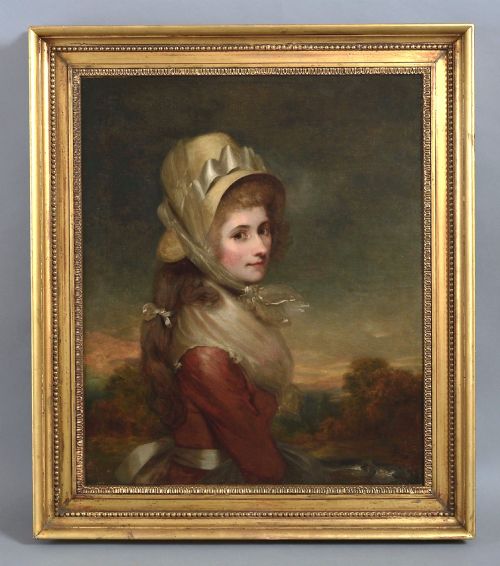
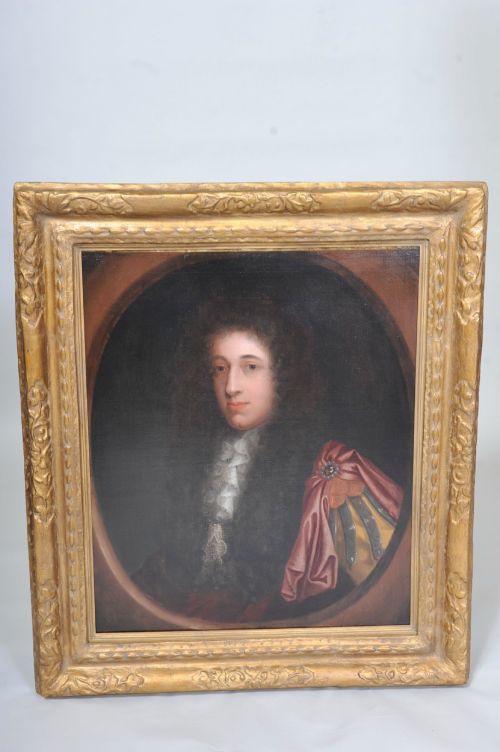
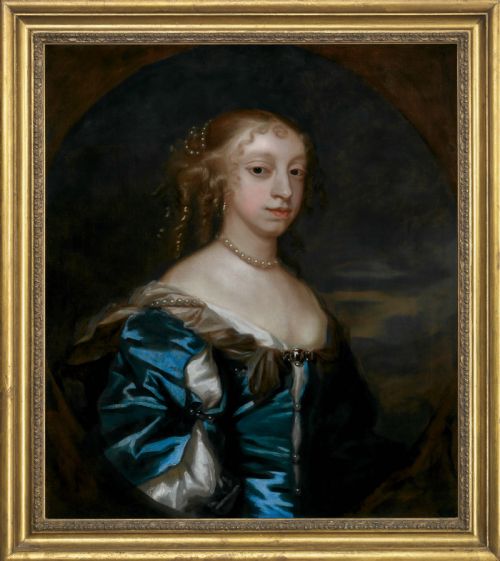
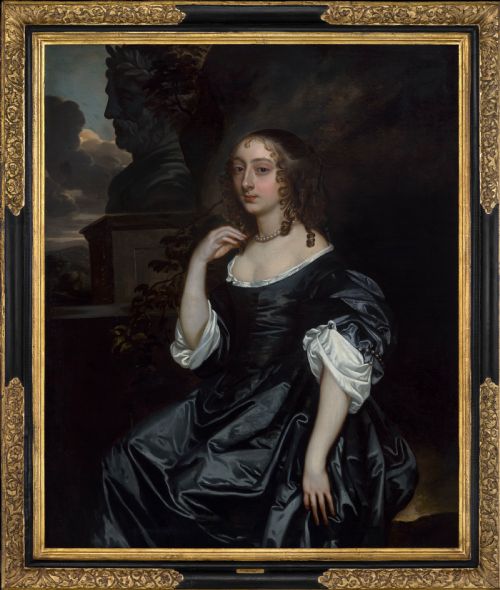
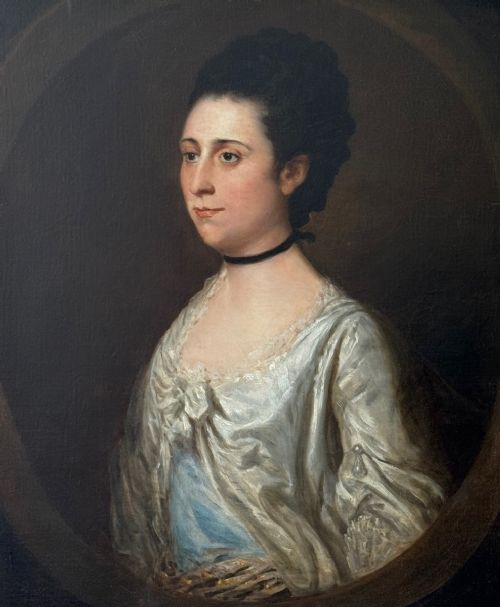
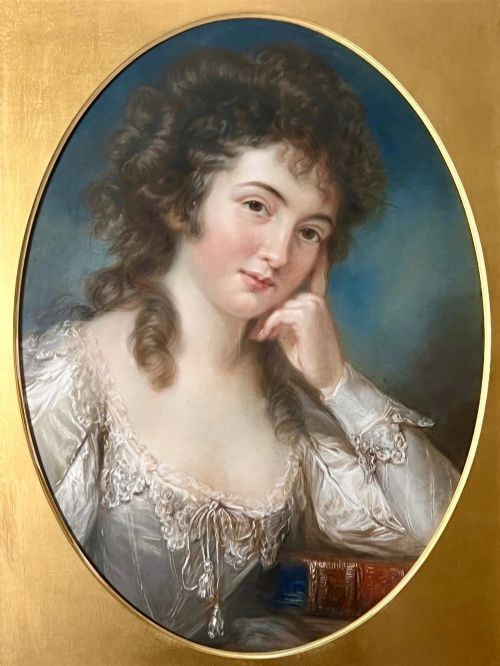
Classic portraiture art encompasses painted representations of subjects ranging from eighteenth-century gentlemen and titled ladies to mid-century figures and political leaders. Works span from the seventeenth century through to the nineteen-sixties, capturing changing social roles and personal status over generations.
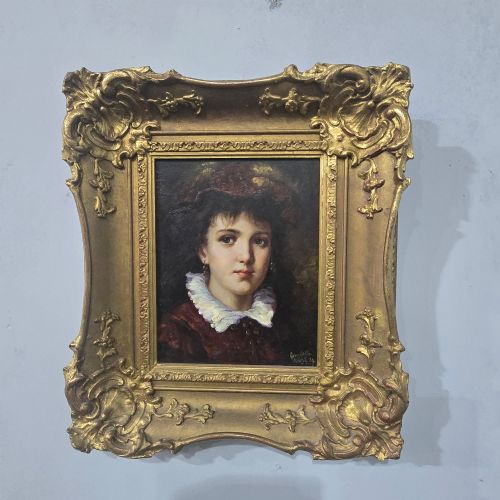
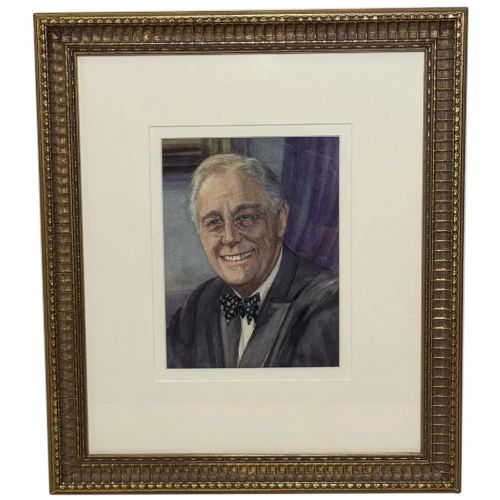
The selection centres on oil paintings and watercolours on canvas, wood and board, housed frequently in period giltwood frames. Pieces originate from diverse European schools, including English, Dutch and Italian hands, reflecting varied regional traditions in representation.
Buyers most frequently encounter nineteenth-century canvases and eighteenth-century oil works, alongside mid-century interpretations and studio copies after established masters. Each piece records a distinct human presence, documented through detailed costume, expression and setting.
How they were made
These works rely primarily on oil paint or watercolour applied to prepared canvas, wood panels or board. Artists built compositions using layered pigments to achieve depth in garments, skin tones and backgrounds.
Many historical examples retain their original gilt wood or gesso frames, which were carved and gilded to complement the status of the sitter and the decorative tastes of the period.
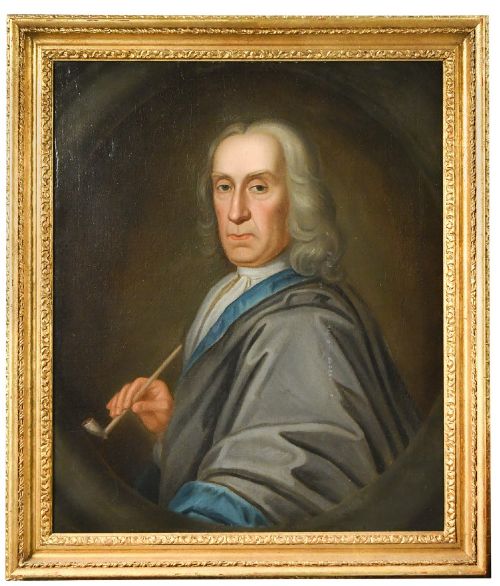
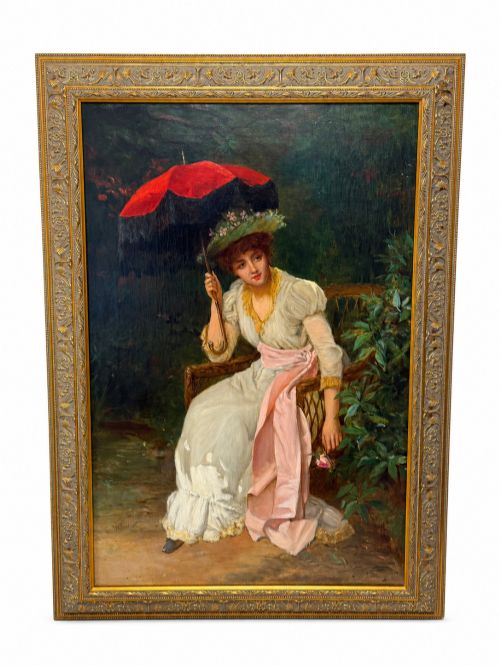
Subjects captured on canvas include a gentleman holding a pipe, a woman with a red parasol, and a cat named The Roaring Lion.
What varies in quality
Sir Martin Archer Shee·Sir Peter Lely·THOMAS BEACH·JOHN RUSSELL R.A.·Attilio Toro·John Robert Dicksee·Frank Moss Bennett·Jean Denis Maillart·Balthasar Denner·Tilly Kettle·John Gilroy·Sir Thomas Lawrence·Arthur Royce Bradbury·John Dalziel Kenworthy·William Jacob Baer·John Raphael Smith
The Classic Portraiture Art Glossary
- Oil on Canvas
- A traditional painting medium where coloured pigments are suspended in drying oils and applied to a stretched woven fabric support. This technique allows for subtle blending and rich texture.
- Gesso
- A white paint mixture consisting of a binder mixed with chalk, gypsum or pigment, used as a prepared surface on wood or canvas before painting. It provides a smooth ground for the application of oil layers.
- Giltwood
- Wood that has been coated with a thin layer of gold leaf or powder, commonly utilised for ornate antique picture frames. The finish adds warmth and a reflective border to the artwork.
- English School
- A term used to categorise paintings produced by artists working in England, often without a specific attributed master. It groups regional stylistic traditions across defined centuries.
- Watercolour
- A painting method in which the paints are made of pigments suspended in a water-soluble vehicle. These works are typically executed on paper supports.
Classic Portraiture Art: Frequently Asked Questions
What periods do these portraits cover?
The available works span from the seventeenth century through the Georgian and Victorian eras up to the mid-twentieth century. This wide chronological range captures shifting artistic techniques and fashions across multiple centuries.
Earlier pieces often reflect Baroque or Restoration styles, while later items embrace Edwardian and mid-century portraiture conventions.
How should I care for an oil portrait?
Display paintings away from direct sunlight and fluctuating humidity to protect the canvas and underlying wood supports. Gentle dusting with a soft, dry cloth is usually sufficient for maintenance.
Avoid using liquid cleaners on the paint surface or the surrounding giltwood frame to prevent accidental damage.
Are these works painted on canvas?
Many pieces utilise oil paint on stretched canvas or wooden panels, while others employ watercolour on paper. The choice of support often depends on the period and the specific preference of the artist.
Some listings also feature oil applied directly to board.
What is an English School painting?
An English School attribution denotes a work created by an artist working within England whose specific individual identity is either unrecorded or secondary to the regional style. These paintings reflect the prevailing portraiture trends of their era.
Such works offer insight into the broader artistic production of British studios.