
Classic Portrait Wall Art
Classic portrait wall art brings historical presence into a room, offering enduring character through painted and engraved likenesses.
Understanding Classic Portrait Wall Art
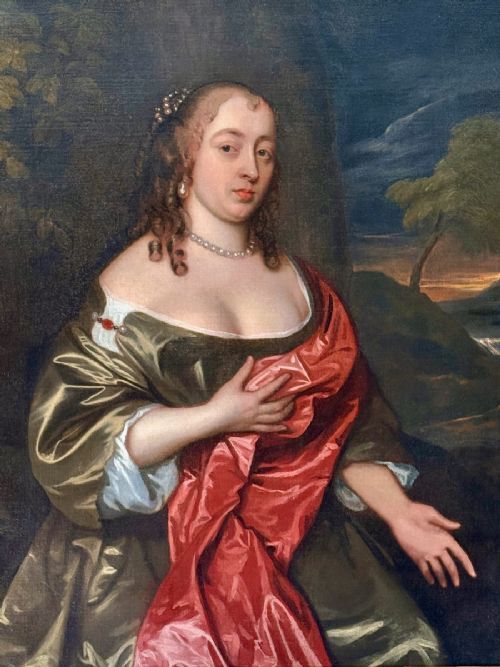
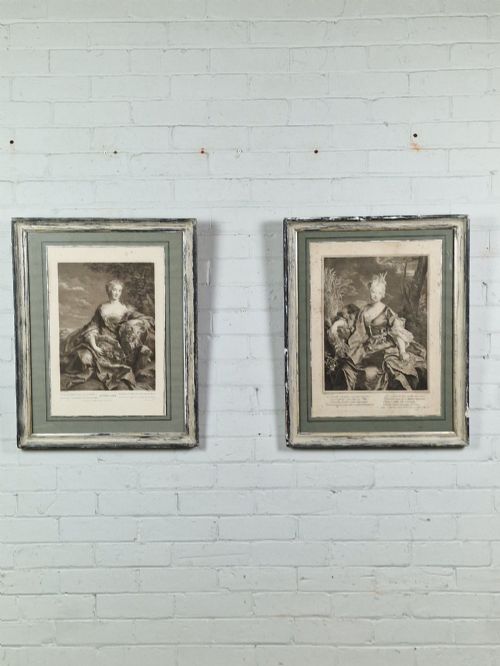
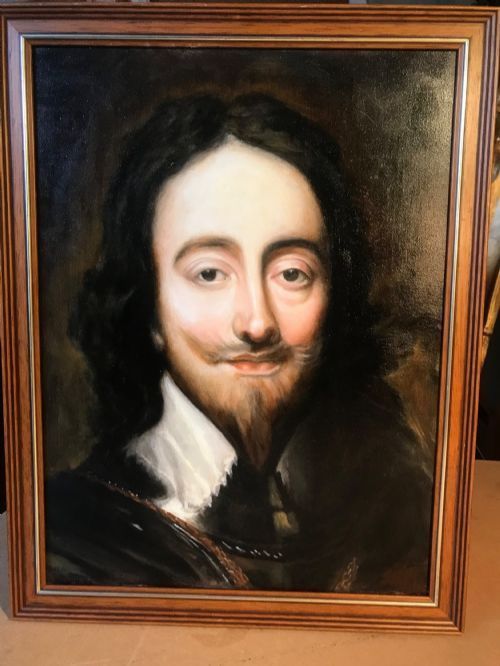
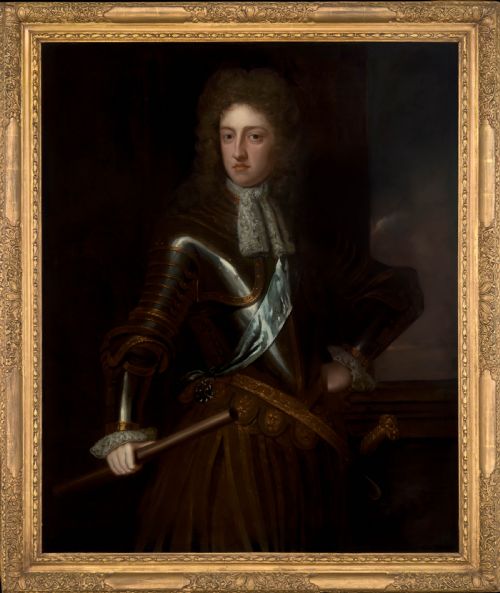
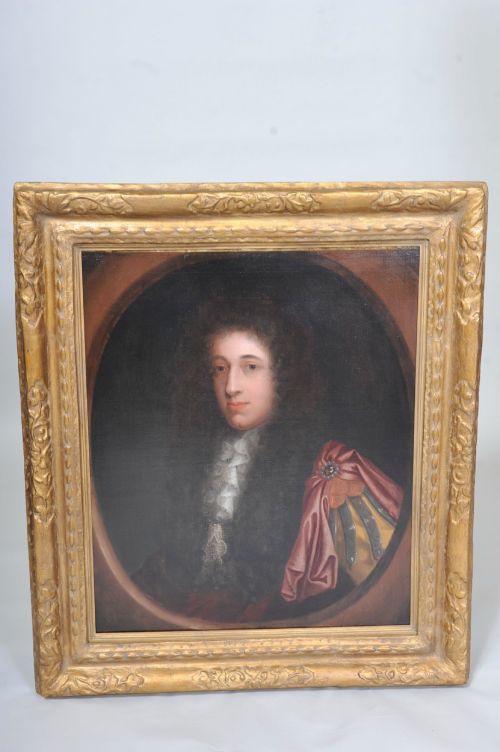
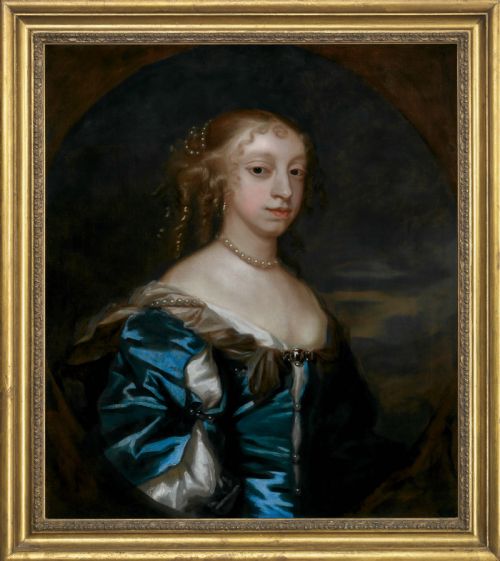
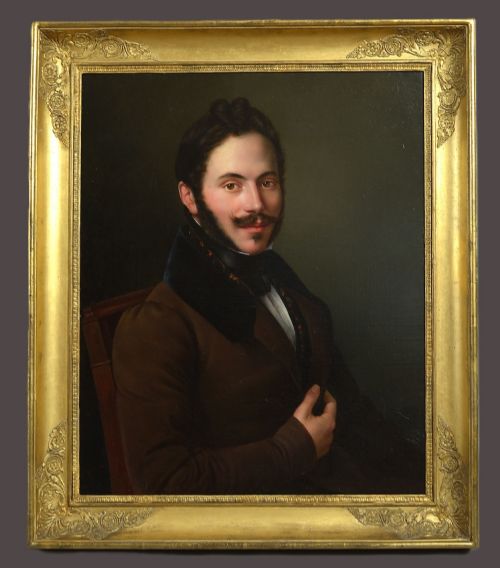
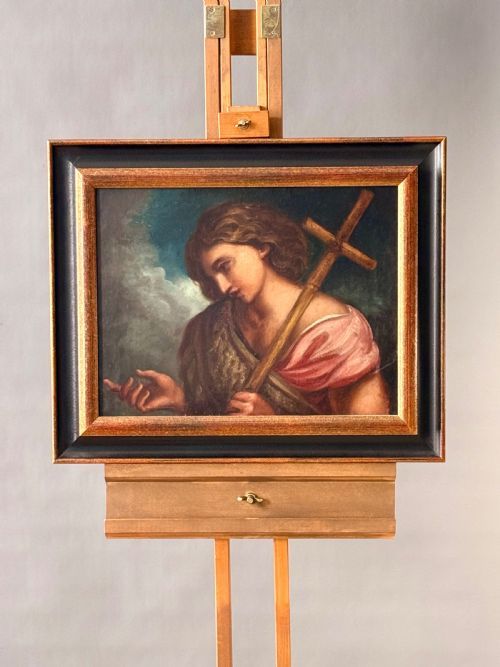
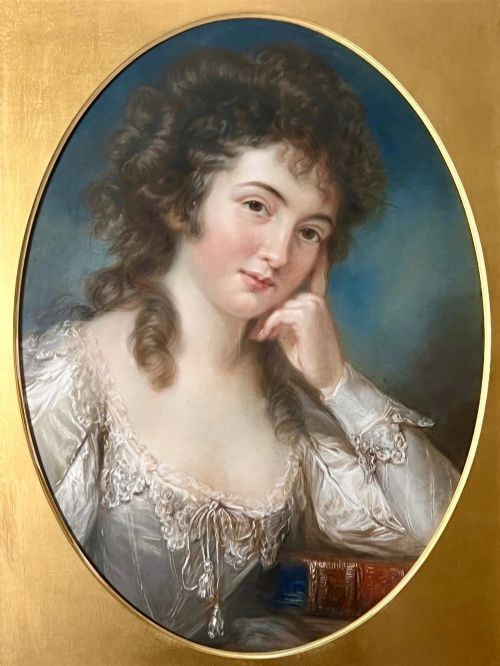
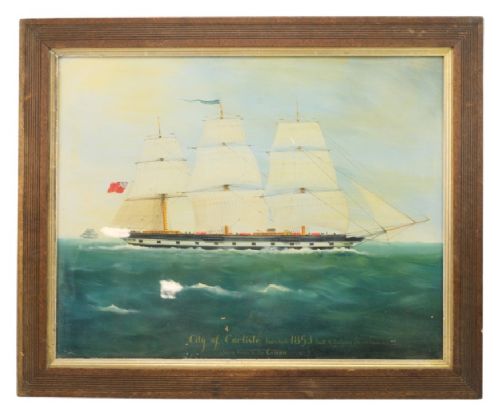
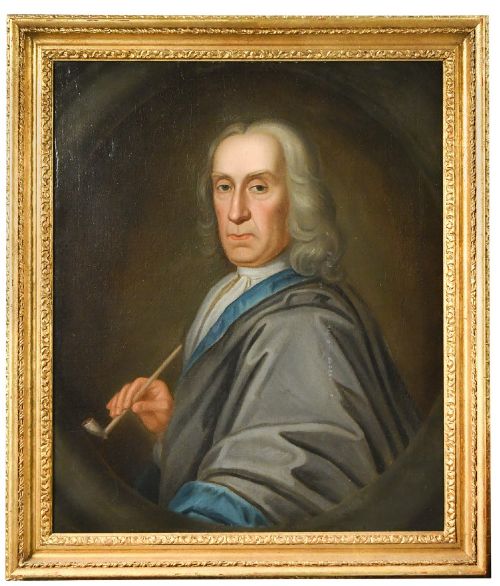
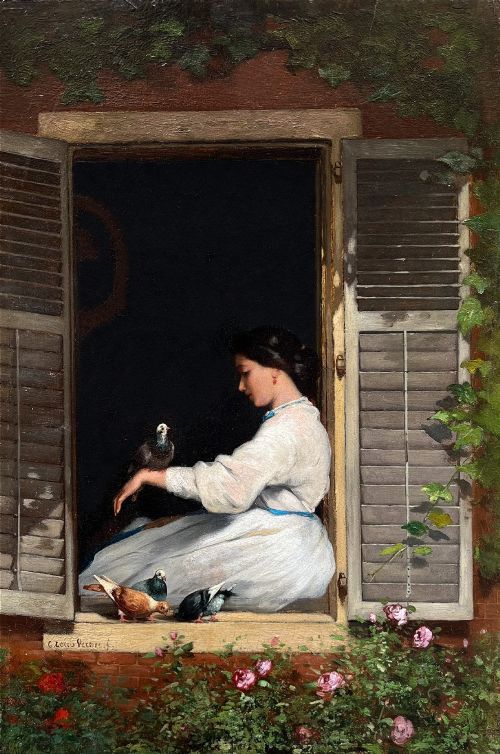
Classic portrait wall art encompasses framed paintings, prints, and engravings depicting individual subjects across various historical periods. These works capture human likenesses through oil on canvas, oil on board, and engraved paper, anchoring a space with tangible history.
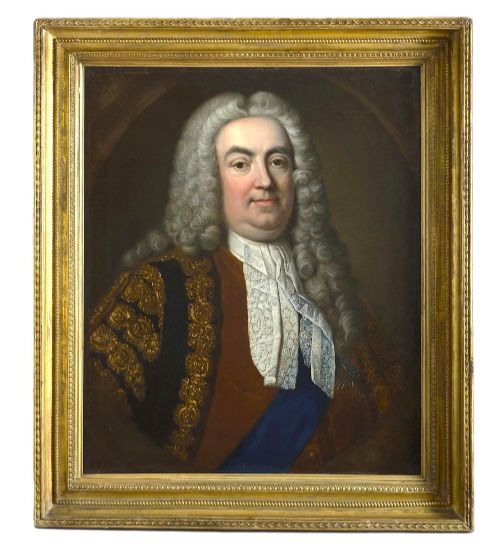
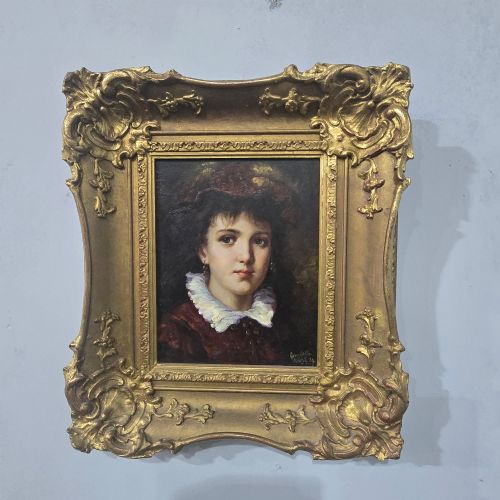
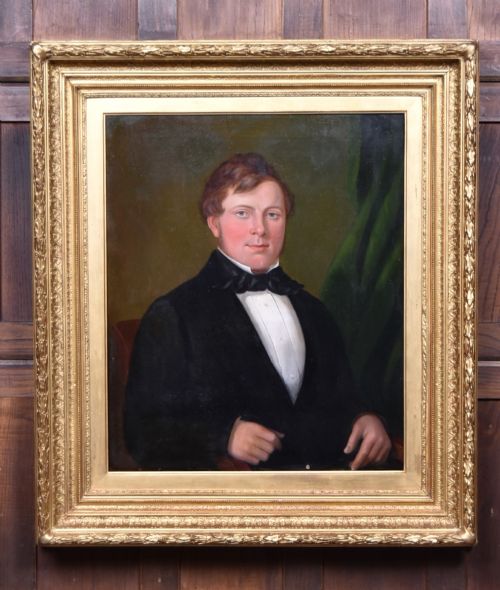
The selections available here range from seventeenth-century gentleman portraits to twentieth-century works by named artists. Buyers encounter distinct periods including Regency, Edwardian, and Baroque styles, each reflecting the portraiture conventions of its era.
Forms vary from fine art oil paintings to artist proof mezzotint engravings. A typical offering presents either an original painted study or a careful print reproduction after notable painters like Sir Thomas Lawrence.
Materials and Construction
Frames frequently incorporate wood, gesso, and gold leaf finishings. These decorative surrounds protect the artwork while contributing to the aesthetic weight of the piece.
Retail Price Guide 2026
Typical UK retail prices for classic portrait wall art, calculated from the Sellingantiques database of over a million retail prices indexed since 2003. This retail price guide relies exclusively on Sellingantiques data; no external sources or auction records are used, so the figures do not describe the wider market.
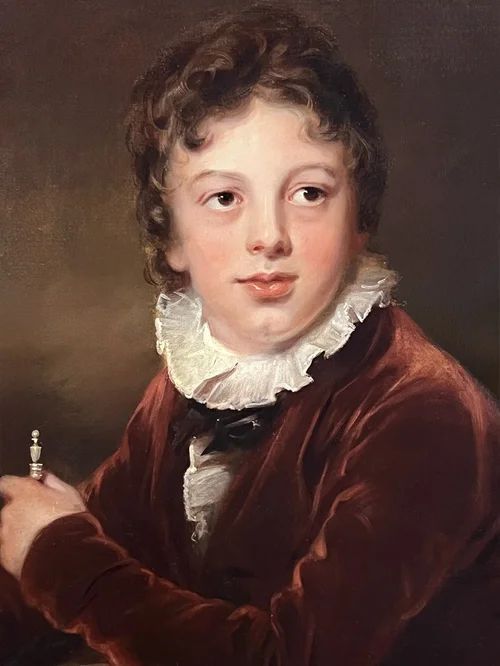
Master Charles William Lambton remains perpetually red-coated and youthful on his canvas.
Distinguishing Quality in Portraiture
Quality rests upon the skill of the artist in rendering the subject's expression and anatomy convincingly. Finer works demonstrate superior brushwork, subtle tonal transitions, and confident handling of light.
The preservation of the original medium heavily influences the standing of a piece. Well-maintained canvases and crisp, unblemished engravings represent the upper tier of available works.
Jonny Gaston·Margaret Sarah Carpenter·Sydney Wilson·Sir Thomas Lawrence·John Raphael Smith
The Classic Portrait Wall Art Glossary
- Oil on canvas
- A painting medium where pigments suspended in oil are applied to a woven fabric stretched across a wooden frame. This technique allows for rich blending and enduring colour depth.
- Mezzotint engraving
- A printmaking process where the copper plate is roughened to achieve rich dark tones and smooth gradations. It was widely used for reproducing famous painted portraits.
- Gesso
- A plaster-like mixture applied to wood frames before gilding. It provides a smooth surface for applying gold leaf.
- Artist proof
- An impression of a print taken before the final edition is produced, often retained by the artist or engraver for personal quality review.
Frequently Asked Questions
How do I date a portrait?
Dating relies on costume, hair styling, and the framing materials associated with the period of creation. Signatures and documented artist lifespans also provide exact temporal anchors.
Evidence from canvas types and stretcher construction further aids in establishing the correct historical decade or century.
What is the difference between an oil and an engraving?
An oil painting is a unique hand-painted artwork created directly on canvas or board using pigmented oils. Engravings are printed works produced from a marked metal plate.
While paintings offer singular brushwork textures, engravings provide precision and were often produced to widely distribute a popular portrait's likeness.
How should I hang classic portraits?
Portraits require stable wall space away from direct sunlight and excessive humidity to protect vulnerable canvases and paper. Proper picture wire and wall anchors suited to the weight of the gilded frame are essential.
Grouped arrangements work well when balancing frames of similar historical eras or complementary wood tones.
What does after an artist mean?
This attribution indicates that the work is a later copy or print produced after an original composition by a renowned master. It acknowledges the source design while attributing the physical execution to a different hand or engraver.
Such works made master portraiture accessible to a broader audience during the nineteenth and twentieth centuries.