

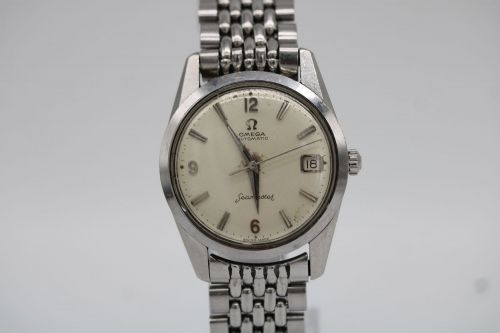


Classic Omega Wrist Watch
A classic omega wrist watch brings mid-century precision to the wrist, offering dependable mechanical horology spanning the 1930s to the 1970s.
Classic Omega Wrist Watch
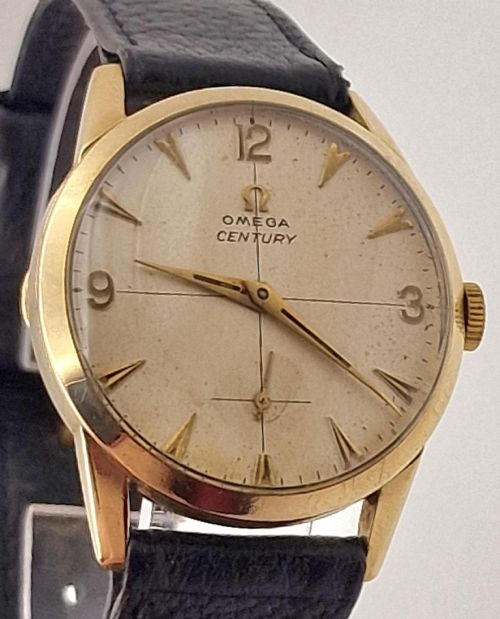
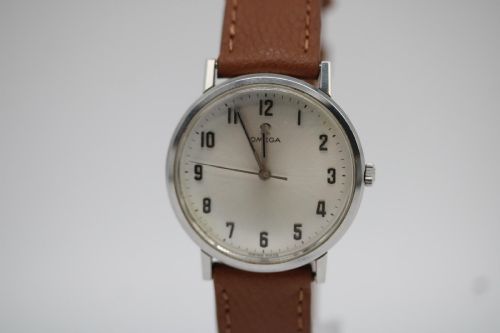
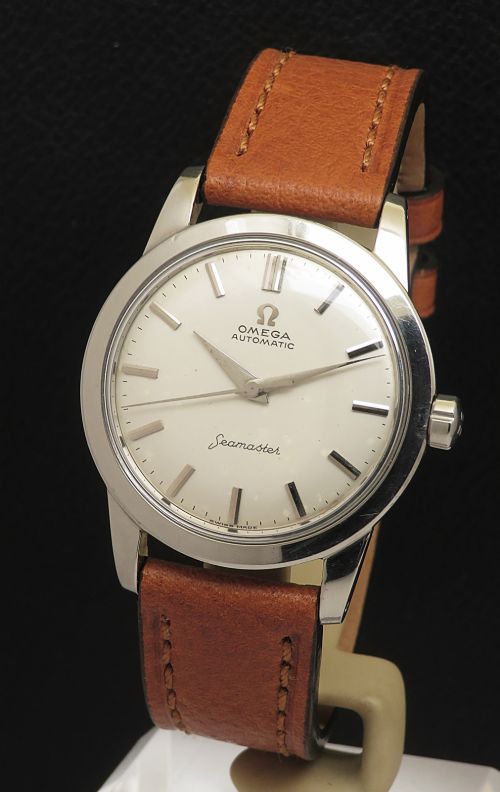
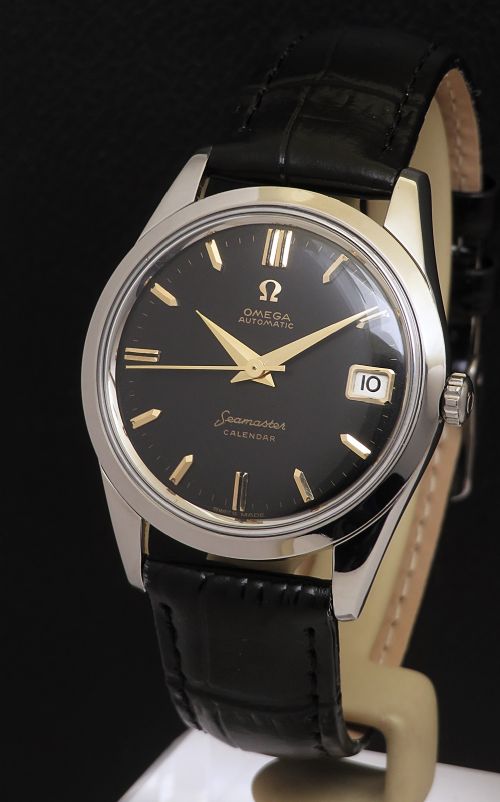
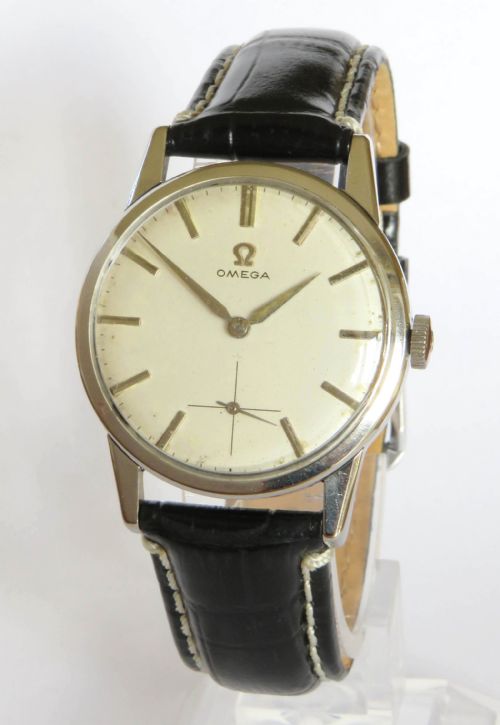
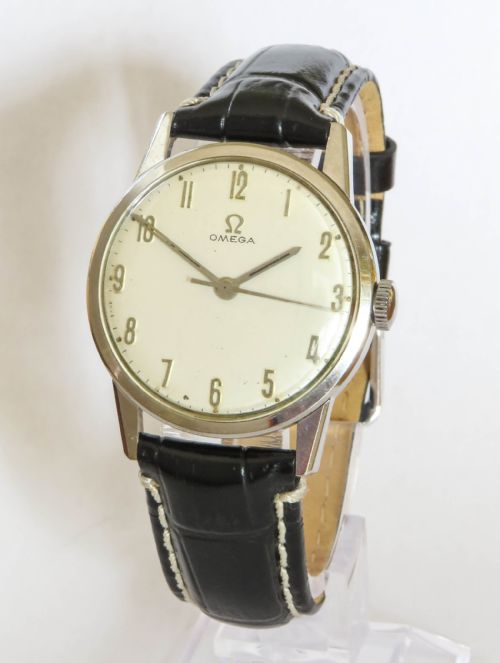
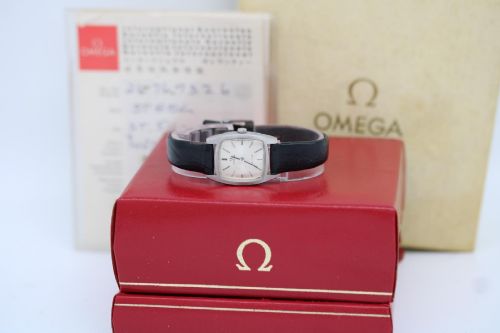
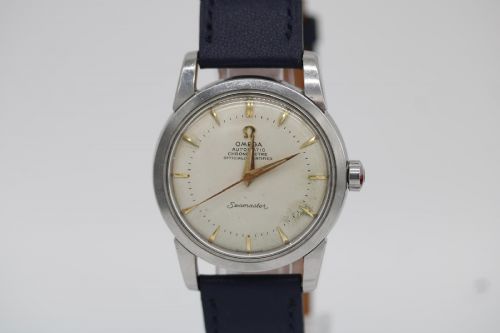
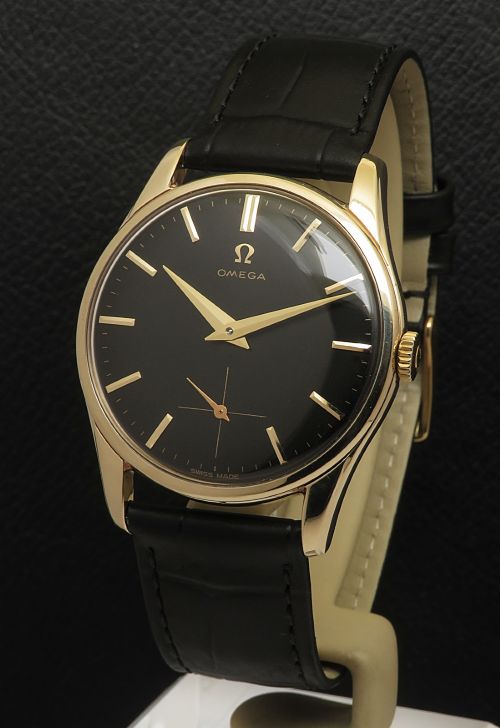
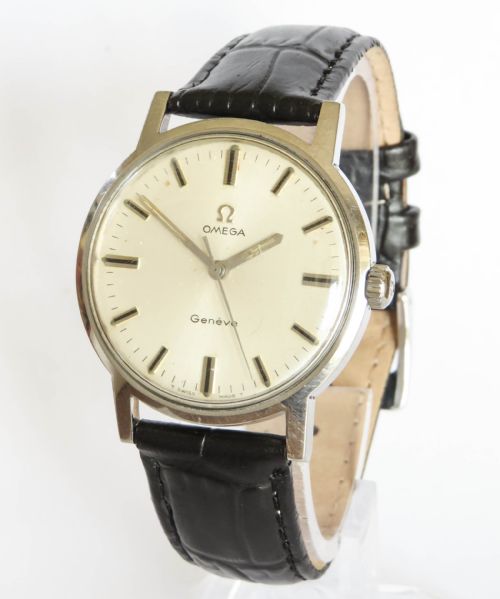
A classic omega wrist watch represents mechanical timepieces produced across the mid-twentieth century, encompassing iconic lines such as the Seamaster, Geneve, and De Ville. These wristwatches originate from periods spanning the 1930s, 1940s, 1950s, and 1960s, reflecting changing design sensibilities from early dress styles to robust automatic movements.
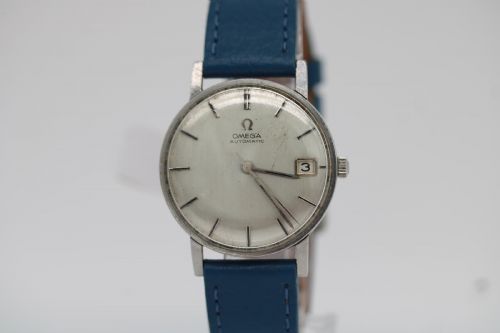
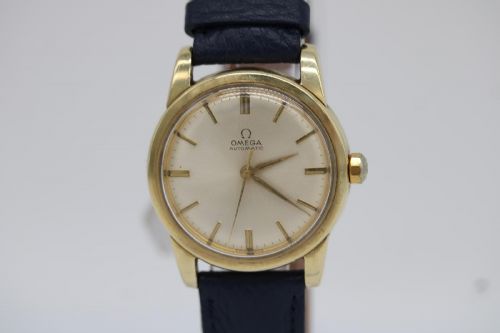
The most frequent examples encountered on this page belong to the 1960s, featuring manual wind and automatic calibres housed in stainless steel, gold plate, or solid 9ct gold. Forms range from traditional round cases to larger jumbo proportions, paired with leather straps and characteristic dials.
Collectors encounter distinct iterations including chronometers and date models, alongside simpler three-hand configurations. Each piece demonstrates the manufacturing output of a major Swiss house during decades of significant technical development.
Materials and construction methods
Cases utilise a variety of metals, primarily stainless steel and solid 9ct gold, alongside gold plate over base metal. These materials are paired with components such as acrylic glass and acrylic crystals to protect the dial.
Movements rely on mechanical ingenuity, utilising manual wind mechanisms and automatic calibres like the 265, 267, 552, and 562. Dials feature applied markers and finishes such as sunburst patterns and champagne tones, enclosed within fitted cases.
Classic Omega Wrist Watch Retail Price Guide 2026
Typical asking prices for classic omega wrist watch among the pieces listed under this phrase on Sellingantiques today, from the lower quarter to the upper quarter. They describe what is for sale here now, not the wider market.
Listings feature pieces spanning the 1930s to the 1970s, utilising stainless steel, gold plate, and solid 9ct gold alongside leather straps.
Assessing quality and preservation
Quality separates through the originality of components and the preservation of case geometries. Examples retaining factory finishes on the metalwork and undamaged dials demonstrate higher fidelity to their original production.
The integrity of the movement and the presence of documented calibres further distinguish pieces. Fully restored mechanical elements and clean internal components elevate the standard of a watch.
Omega
The Classic Omega Wrist Watch Glossary
- Calibre
- The specific internal movement designation used by the manufacturer to identify the mechanical mechanism driving the watch. Each calibre number denotes a distinct design of gear trains, escapements, and winding systems.
- Automatic
- A self-winding mechanical movement that uses a weighted rotor to tension the mainspring using the natural motion of the wearer's wrist. This system removes the need for daily manual winding.
- Chronometer
- A high-precision watch movement that has been tested and certified for accuracy over various temperatures and positions. These pieces represent top-tier mechanical performance.
- Acrylic Glass
- A lightweight, shatter-resistant plastic material utilised for watch crystals during the mid-century period. It can be polished to remove surface scuffs.
- Sunburst Dial
- A metallic dial finish featuring fine radial lines that catch light from multiple angles. This decorative technique creates a dynamic shifting reflection across the face.
Classic Omega Wrist Watch: Frequently Asked Questions
What defines a classic omega wrist watch?
A classic omega wrist watch is a mechanical timepiece produced by the Swiss manufacturer primarily during the middle decades of the twentieth century. These include renowned lines like the Seamaster and Geneve.
They utilise manual wind or automatic mechanical calibres housed in materials ranging from stainless steel to solid 9ct gold.
How do automatic and manual movements differ?
Manual wind movements require the wearer to turn the crown by hand to tension the mainspring and store power for the watch. They tend to allow for thinner case profiles.
Automatic movements incorporate an internal weighted rotor that spins with arm movement, automatically winding the mainspring as the watch is worn throughout the day.
What materials were used for the cases?
Cases were constructed from durable stainless steel for everyday utility, alongside gold plate for a formal appearance at a lower cost than solid metal. Solid 9ct gold was also utilised for luxury dress models.
Protective crystals over the dial were predominantly formed from acrylic glass rather than modern synthetic sapphire.
How can you tell the production period?
The production period is typically identified through movement serial numbers, case reference numbers, and stylistic cues such as dial typography and case geometry. Mid-century pieces often display distinct design shifts between the 1930s, 1950s, and 1960s.
Specific calibre designations introduced in certain decades also help narrow down the manufacturing timeframe.
How should these vintage watches be worn?
Vintage wristwatches require careful handling, avoiding exposure to moisture unless the case has been formally tested and sealed for water resistance. They are best paired with traditional leather straps matching the lug width.
Regular mechanical servicing by a qualified horologist ensures the internal gear trains and oils remain in optimal condition for daily wear.