

Classic Metal Lighting
Classic metal lighting brings lasting weight and proportion to a room through genuine period brass, bronze, and silver plate.
Classic Metal Lighting
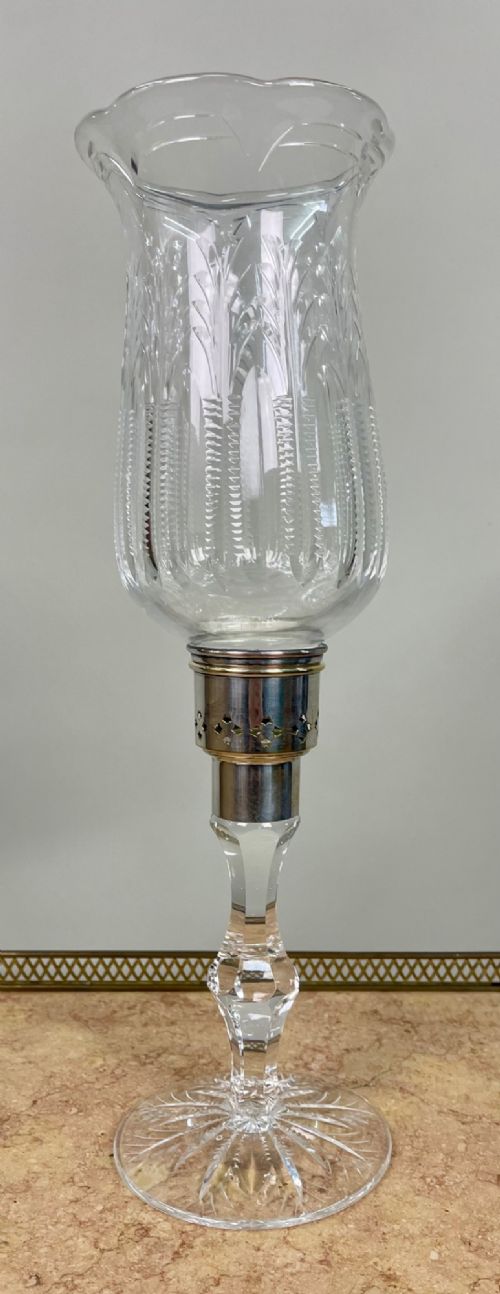
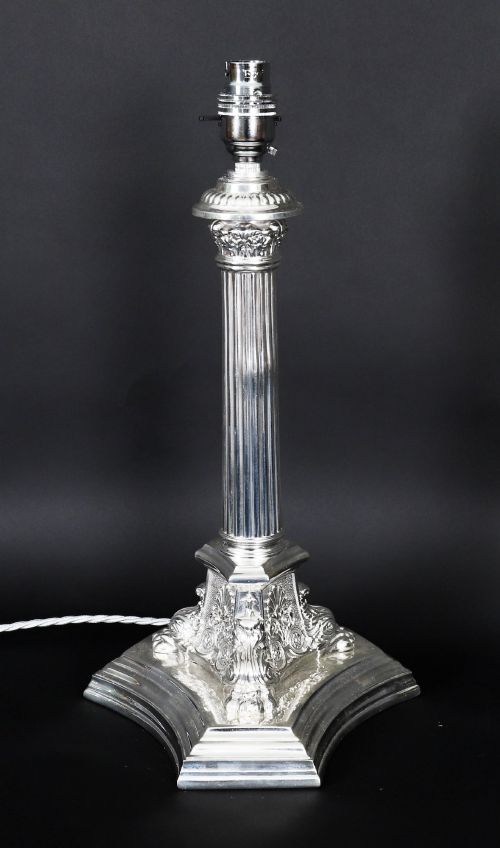
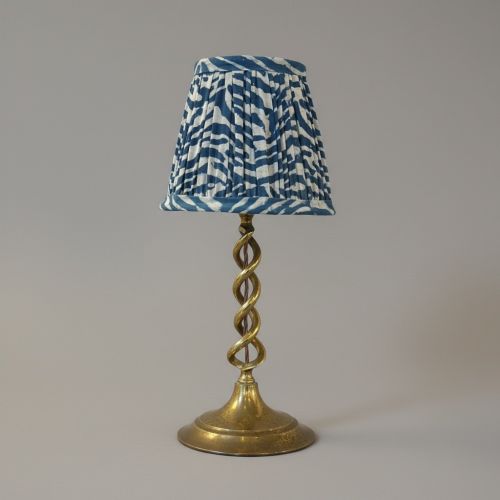
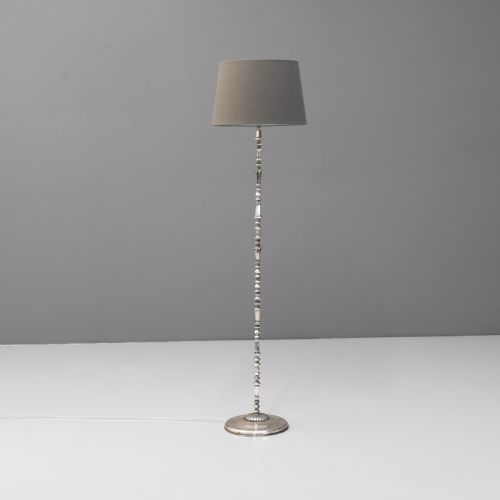
Classic metal lighting comprises structural metal pieces designed to illuminate interior spaces across several centuries of domestic life. When exploring classic metal lighting, buyers encounter domestic forms ranging from standard floor lamps and desk lamps to multi-armed chandeliers and wall sconces. The pieces span periods from the eighteenth century through the Edwardian era and into the 1930s.
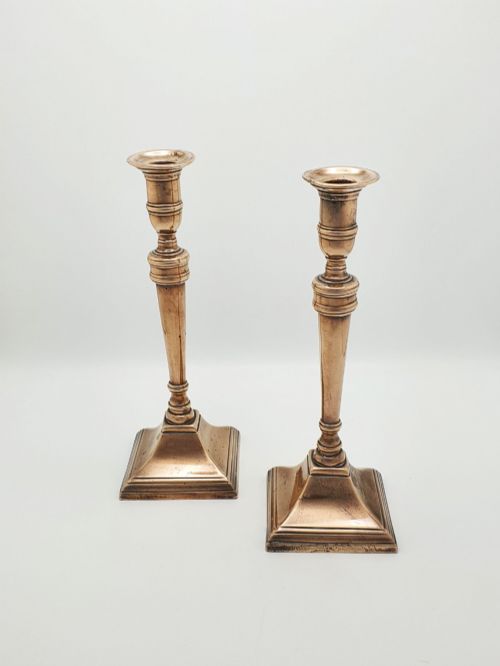
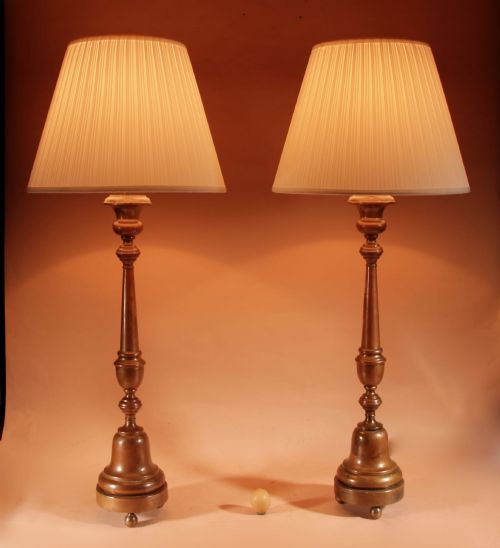
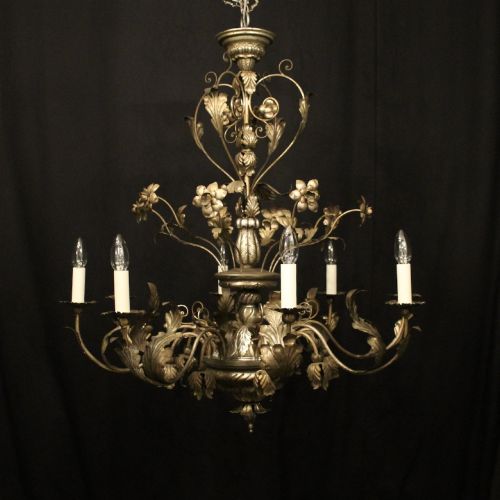
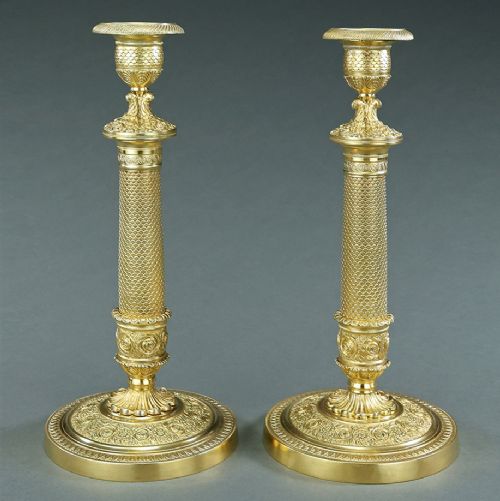
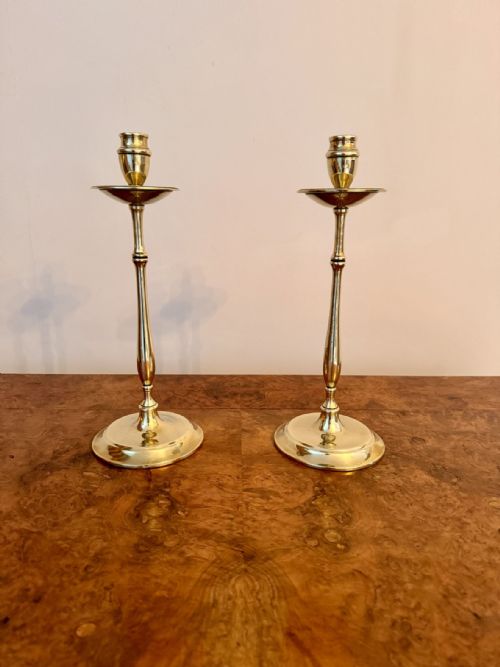
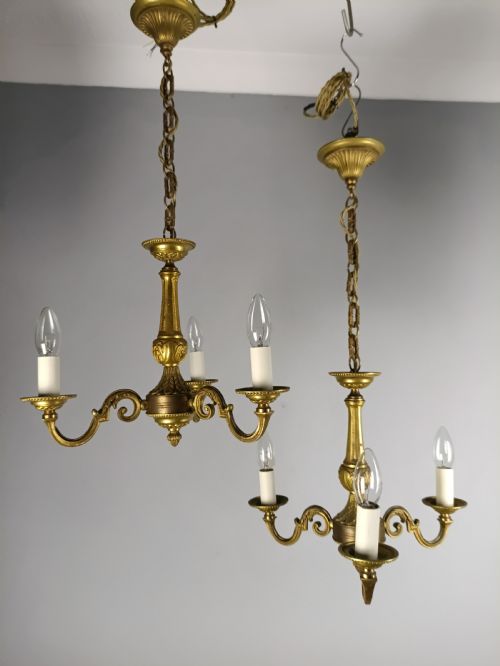
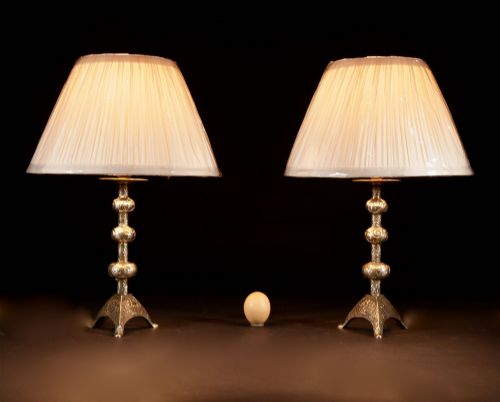
Candlesticks and candelabras form a significant portion of early offerings, alongside hanging lanterns and chandeliers styled in French and Italian motifs. Brass and silver-plated items dominate the domestic lighting fixtures, joined by bronze and gilt metal variations. Buyers will frequently find paired candlesticks alongside wired table lamps and ceiling fixtures.
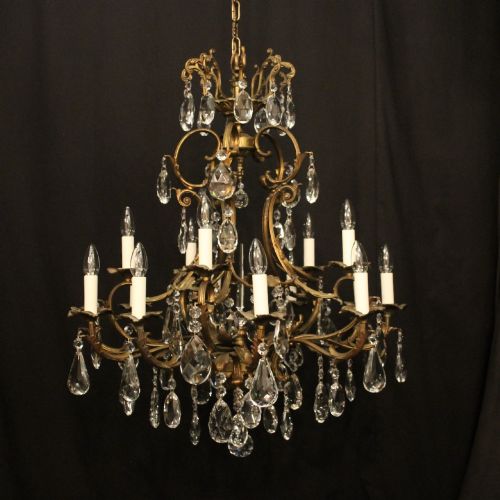
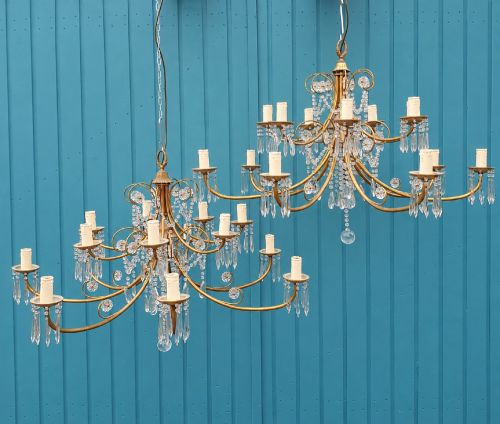
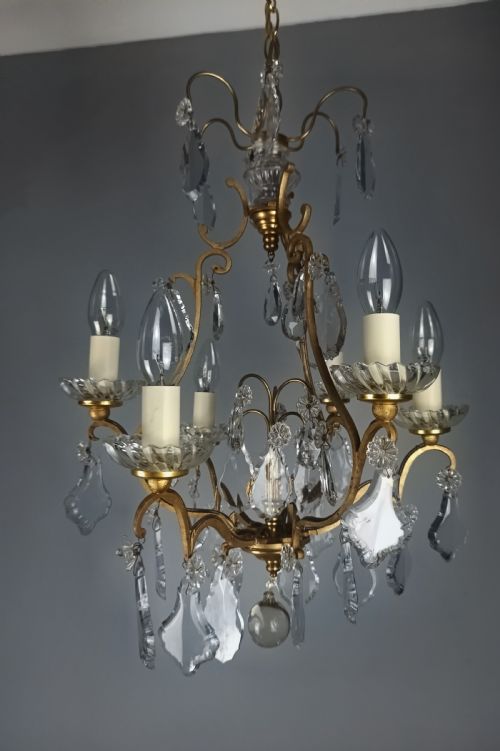
The aesthetic vocabulary draws heavily from French Empire, Neoclassical, and Victorian traditions, alongside regional Dutch or Flemish influences. Execution varies from restrained George V table lamps to ornate French Rococo revival chandeliers set with crystal drops. Each object reflects the prevailing interior taste of its decade of origin.
Materials and construction
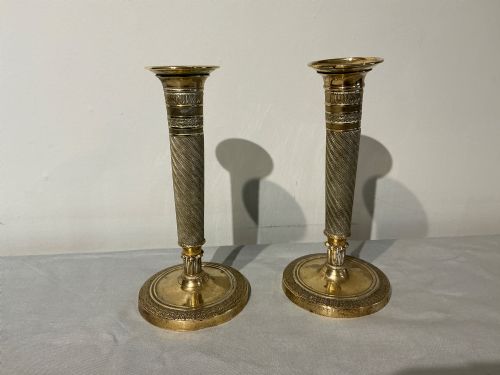
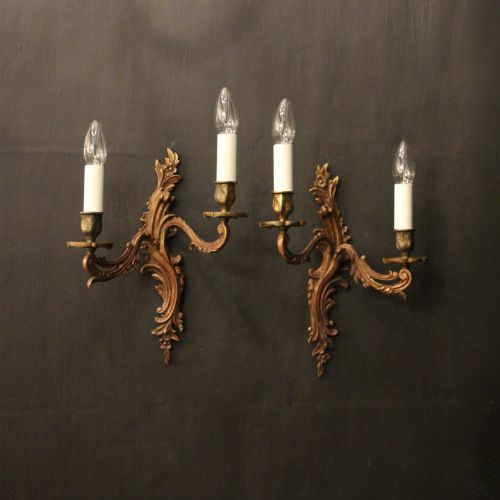
Cast and seamed brass provide the structural foundation for many early candlesticks and chandeliers, offering reliable weight and durability. Bronze and gilt bronze lend themselves to sculptural forms, particularly in French Empire wall lights and candelabras where crisp chasing defines the surface detail.
Silver plating on base metals introduces a brighter reflective finish suited to Edwardian table lamps and twentieth-century chandeliers. Forged iron and steel appear in utilitarian lanterns and specific regional bed frames, while crystal drops and alabaster mounts accent Italian and French fixtures.
Classic Metal Lighting Retail Price Guide 2026
Typical asking prices for classic metal lighting among the pieces listed under this phrase on Sellingantiques today, from the lower quarter to the upper quarter. They describe what is for sale here now, not the wider market.
Listings feature materials spanning simple brass and iron up to gilt bronze, silver plate, alabaster, and glass crystal.
Judging quality in metal fixtures
Quality rests in the crispness of the casting and the integrity of the original assembly, such as seamed construction on early brass sticks. Superior pieces display purposeful weight, balanced proportions, and clean chasing that preserves fine ornamental details without softening.
Surface treatments dictate visual success, whether through patinated bronze, original gilding, or even silver plate. Pieces retaining genuine surface patination and securely fitted mounts demonstrate superior manufacturing standards compared to later replacements.
The Classic Metal Lighting Glossary
- Chandelier
- A branched ceiling-mounted lighting fixture designed to hold multiple candles or bulbs. These fixtures often incorporate crystal drops and gilt metal arms.
- Candelabra
- A multi-branched candlestick holder used for tabletop or sideboard illumination. Many surviving examples from the nineteenth century have been converted to electrical table lamps.
- Gilt Bronze
- Bronze metal treated with a thin layer of gold or gold-coloured alloy to produce a bright decorative surface. This technique appears frequently on French chandeliers and wall lights.
- Paktong
- A copper-nickel-zinc alloy originating in China and utilised in eighteenth-century English candlesticks for its bright silver appearance. It mimics silver without the soft malleability of precious metal.
- Ejector Candlestick
- A candlestick featuring an internal mechanism to push out the remaining candle stump. Eighteenth-century examples often display seamed construction methods.
Classic Metal Lighting: Frequently Asked Questions
How do I clean antique brass?
Dust regularly with a dry cloth to prevent grime accumulation on the metal surface. Avoid abrasive cleaners that strip the historic patina.
Gentle application of specialised metal polish can be used sparingly if removal of tarnish is desired, though many collectors prefer undisturbed age.
Are old chandeliers safe to hang?
Most antique ceiling fixtures require professional rewiring to meet current electrical standards before installation. A qualified electrician should check the internal wiring and structural hanging points.
The weight of bronze and crystal fixtures demands secure ceiling joist attachment rather than simple plaster anchors.
Can converted candelabras be restored?
Candelabras converted to table lamps often retain their original socket components and weighted bases. Reversing the wiring process is sometimes possible if the original bobeches and candle nozzles remain intact.
Consulting a specialist helps determine whether original function can be safely restored without compromising the antique value.
How do I date an un-hallmarked candlestick?
Dating relies on manufacturing techniques such as seaming, casting methods, and base construction styles. Material choices like early brass alloys or nineteenth-century bronzing offer chronological clues.
Comparing the decorative motifs against documented styles like French Empire or Edwardian design narrows the production era.