

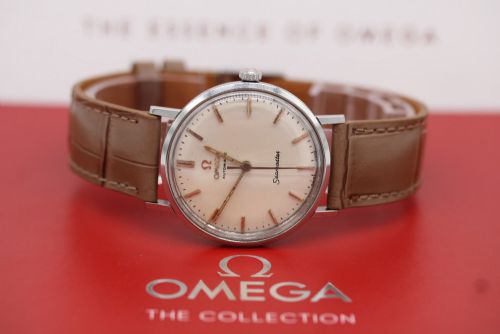
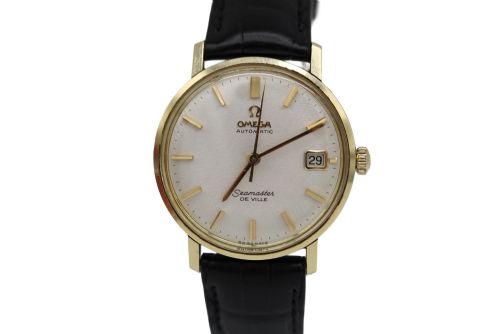
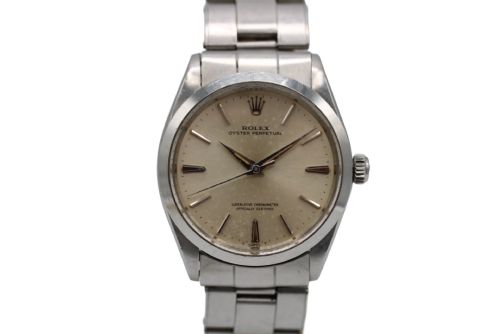
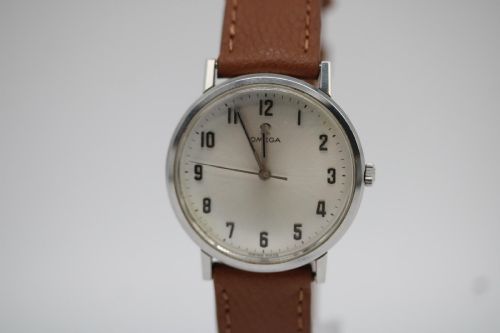




Classic Mens Timepiece
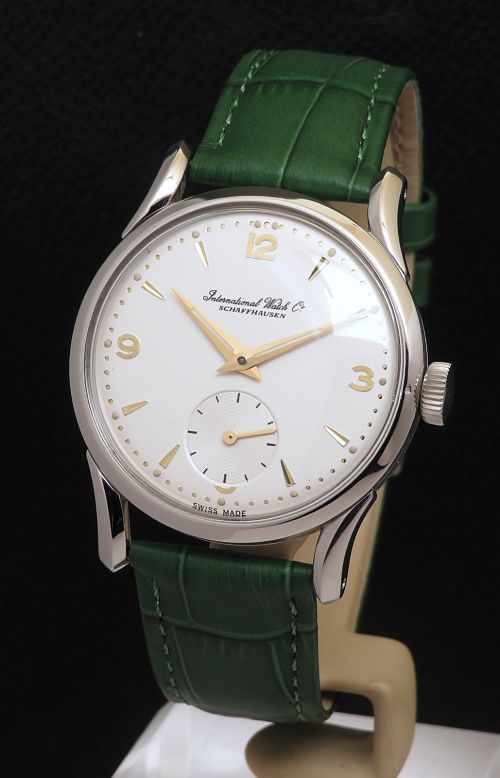
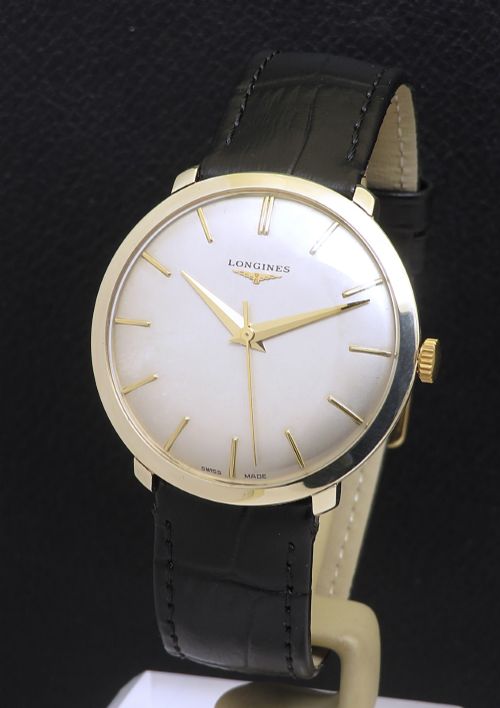
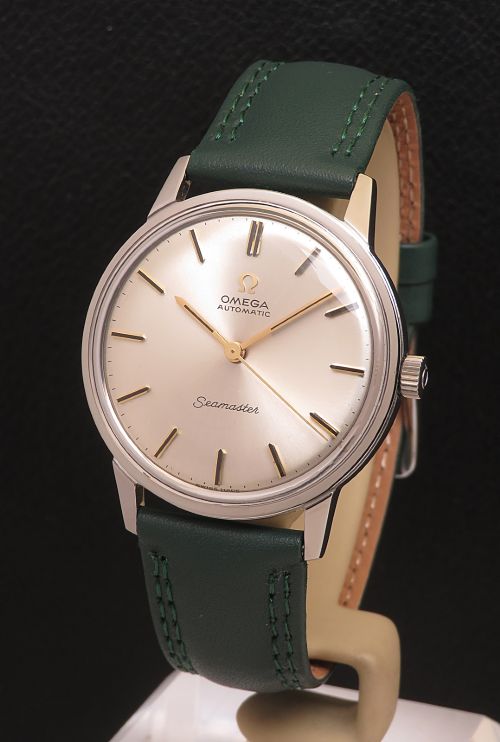
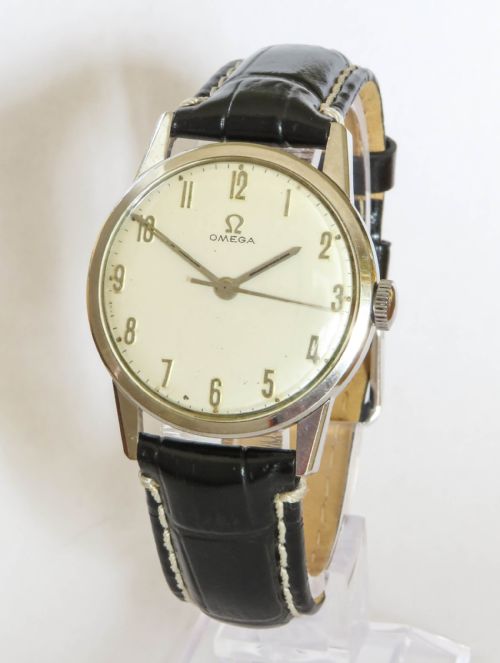
When you search for a classic mens timepiece, you are looking at wristwatches spanning the 1930s to the 1960s.
Classic Mens Timepiece
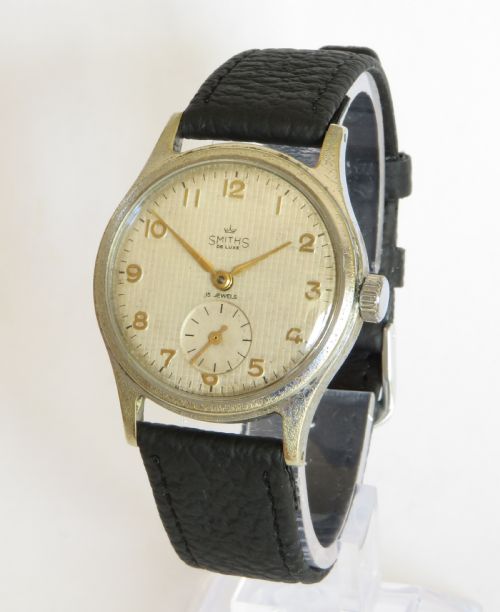
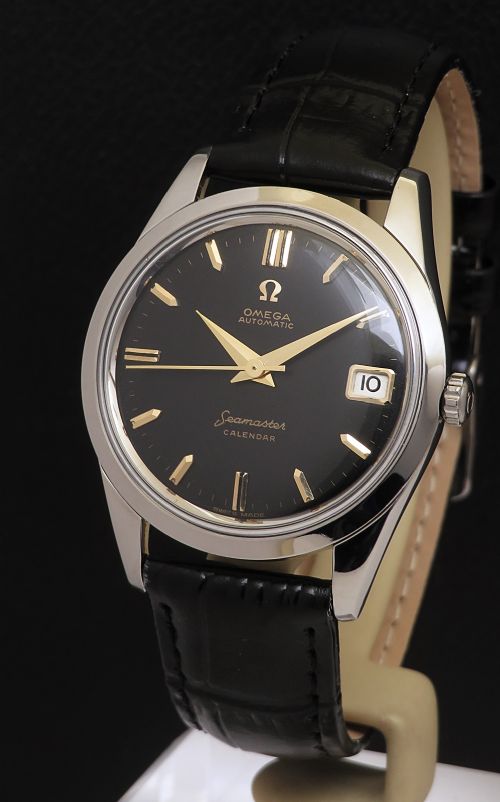
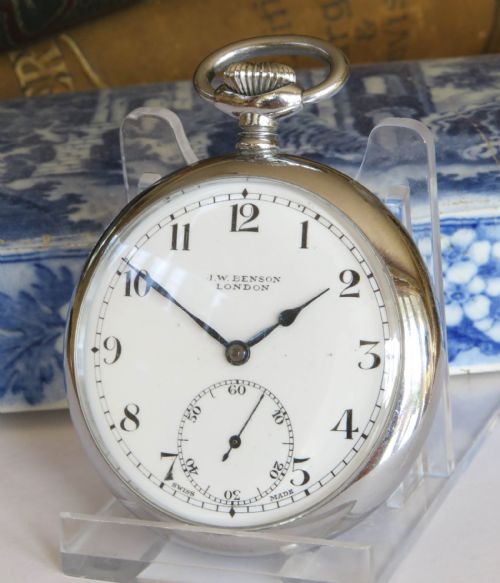
A classic mens timepiece represents wristwatches produced during the mid-twentieth century, predominantly featuring designs from the 1930s through to the 1960s. These items range from manual wind mechanisms to automatic movements housed in various metallic finishes.
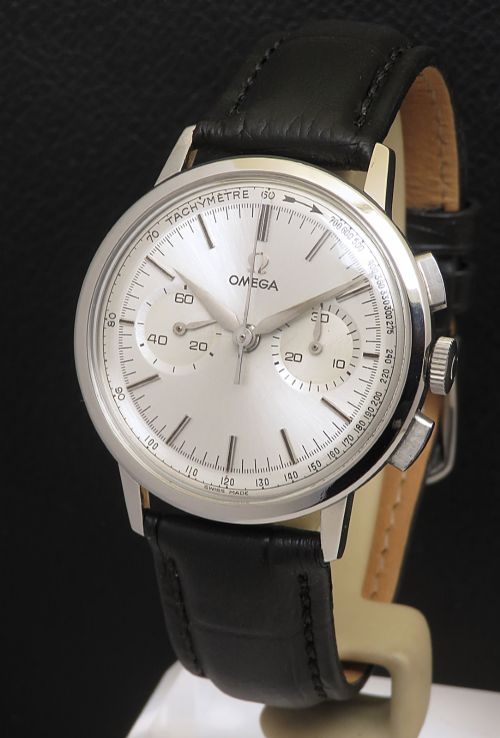
The selection on this page centres heavily on mid-century examples, with numerous pieces originating from the 1950s and 1960s. Buyers will encounter well-known horological forms designed for daily wear, encompassing both simple dress watches and chronograph complications.
How they were made
Manufacturers utilised metals such as stainless steel, chrome, gold plate, and solid 9ct or 18ct gold for the cases. Dials were protected by glass, acrylic, or acrylic glass, while straps commonly consisted of leather.
Internal movements relied on precision mechanical engineering, requiring manual winding or automatic self-winding rotors to drive the hands across the dial.
Classic Mens Timepiece Retail Price Guide 2026
Typical asking prices for classic mens timepiece among the pieces listed under this phrase on Sellingantiques today, from the lower quarter to the upper quarter. They describe what is for sale here now, not the wider market.
Listings feature periods spanning from the 1930s to the 1960s, with materials including stainless steel, gold plate, and solid 9ct gold.
What varies in quality
The grade of a classic mens timepiece depends upon the originality of its components, such as dials, crowns, and movements. Retaining factory-original parts significantly elevates the character of the watch.
The choice of casing material also dictates the tier, moving from plated base metals up to solid gold variants. Furthermore, the precision and complexity of the internal calibre, including chronograph functions, determine the calibre of the piece.
Omega·Tudor·Montilier·Cyma·J W Benson·Rolex·Bulova·Longines·Gloriosa·Smiths·Rotary·Ensign·Lanco·Eterna·Marvin·Girard Perregaux·Certina·Bucherer
The Classic Mens Timepiece Glossary
- Calibre
- The specific internal movement or mechanism designed and built by a watchmaker. This identifier helps classify the specific movement inside the case.
- Chronograph
- A watch equipped with a display function for measuring elapsed time independently of the time of day. It typically utilises additional subdials and pushers.
- Automatic
- A self-winding mechanical movement that uses the natural motion of the wearer's wrist to tension the mainspring. This removes the need for daily manual winding.
- Manual wind
- A mechanical movement powered by a mainspring that is hand-wound via the crown at regular intervals. It represents a traditional method of powering a timepiece.
- Dial
- The visible face of the watch that displays the hours, minutes, and sometimes secondary measurements. Dials can exhibit patination or specific layouts like explorer configurations.
Classic Mens Timepiece: Frequently Asked Questions
How do I wind a manual watch?
Rotate the crown clockwise between your thumb and forefinger until you feel gentle resistance. Stop turning immediately once the resistance increases to avoid damaging the internal spring.
Wind the piece at approximately the same time each day to maintain steady tension. Avoid overwinding older mechanisms, as this puts unnecessary strain on the mainspring.
What is an automatic movement?
An automatic movement contains an internal weighted rotor that spins as the wearer moves their arm. This kinetic action winds the mainspring automatically throughout the day.
Such watches remove the need for daily hand winding if worn regularly. However, they still require manual setting if left off the wrist long enough for the power reserve to empty.
Can I wear my vintage watch daily?
Many mid-century watches were built for everyday service and handle regular wear well. Proper care involves keeping them away from moisture unless they have verified modern seals.
Treating the mechanical movement with respect ensures longevity. Routine servicing by a qualified horologist keeps the gears functioning smoothly over decades of use.
How do I know the production decade?
The decade of manufacture is often identified through movement serial numbers, case designs, and dial typography. Different eras favoured distinct case diameters and lug shapes.
Reference tables maintained for specific makers help map serial numbers to exact production years. Consulting the movement calibre inside the case offers further chronological confirmation.