





Classic Mechanical Timepiece
When you search for a classic mechanical timepiece, you are looking at wristwatches and mantel clocks driven by springs and gears rather than batteries.
Classic Mechanical Timepiece
A classic mechanical timepiece brings together wristwatches and mantel clocks produced across the nineteenth and twentieth centuries. These objects rely on manual wind or automatic movements to measure time through physical components.
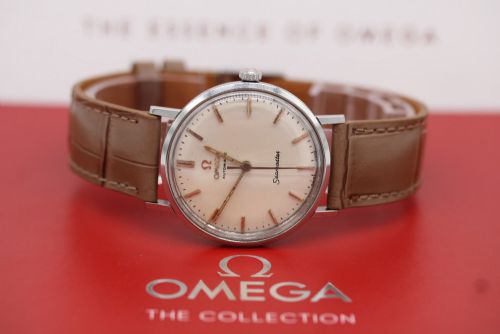
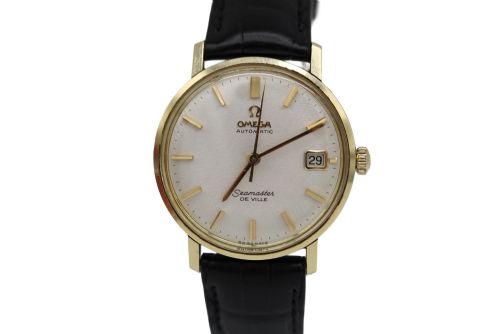
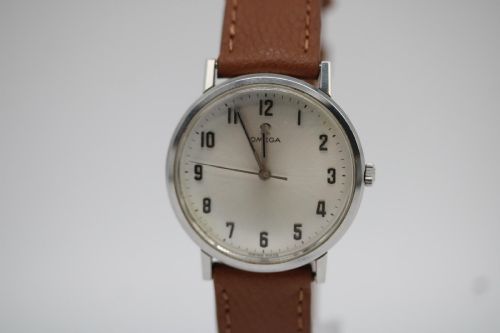
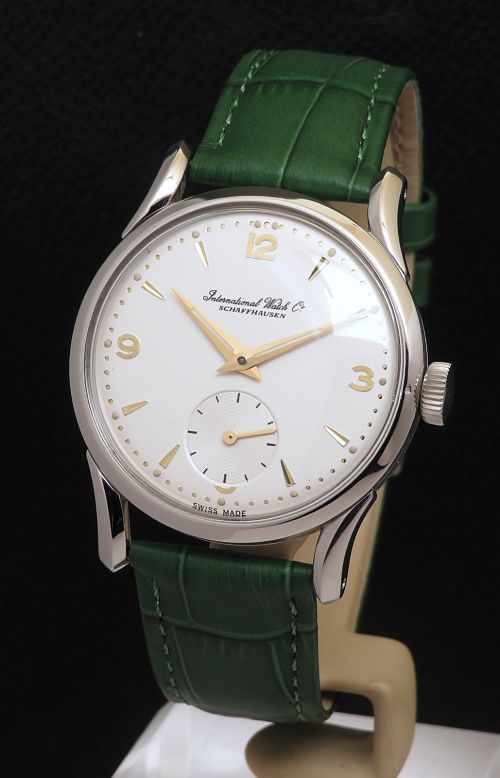
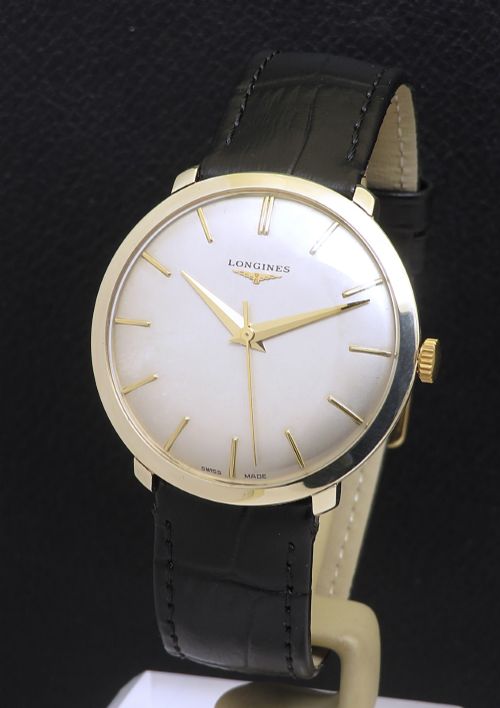
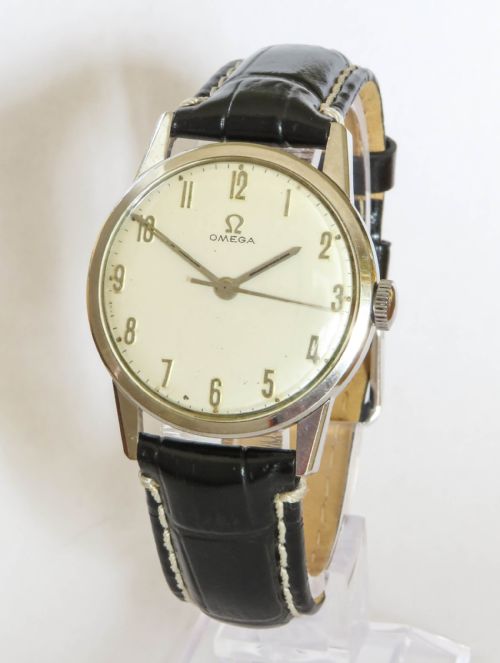
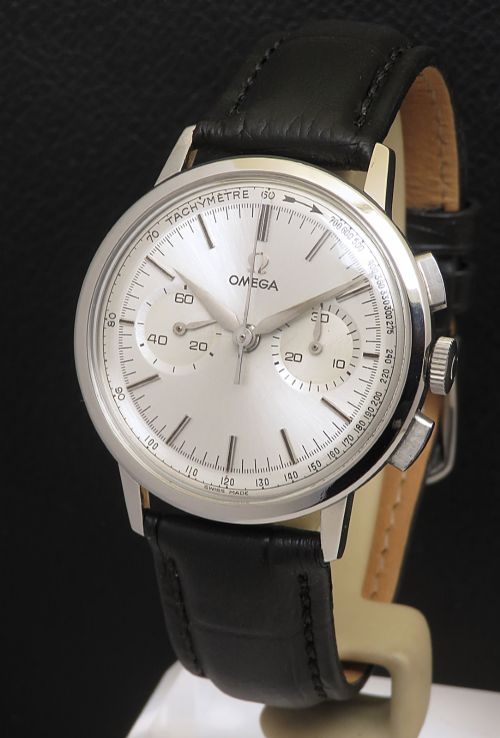
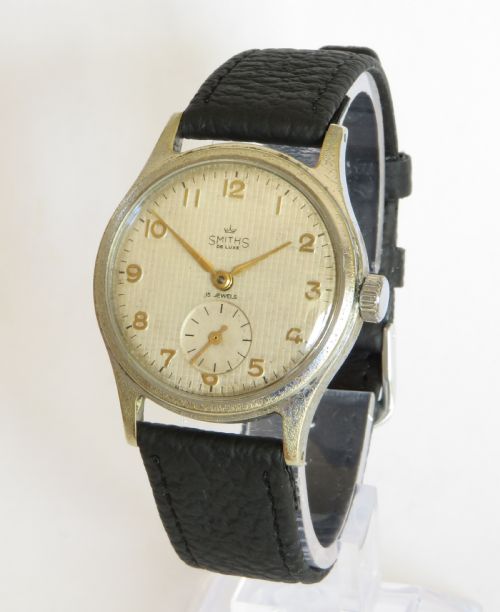
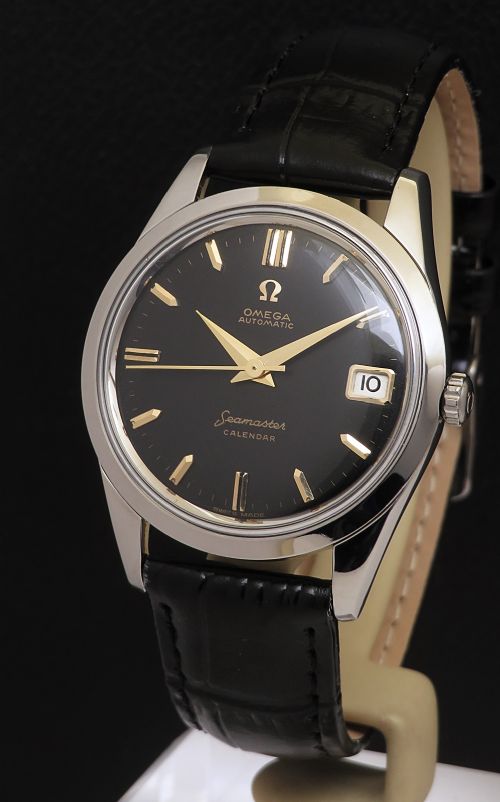
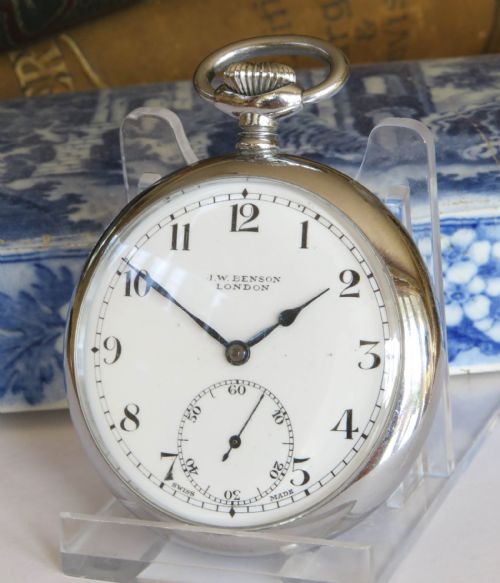
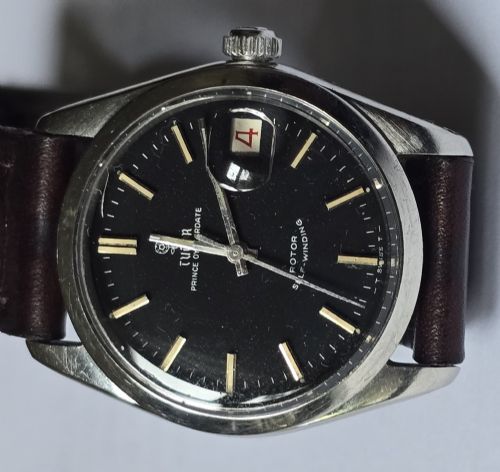
The selections on this page lean heavily towards mid-century wristwatches from makers such as Omega, Longines, and Tudor, alongside nineteenth and early twentieth-century wooden mantel clocks. Buyers encounter pieces spanning Victorian, Edwardian, Art Deco, and mid-century modern aesthetic movements.
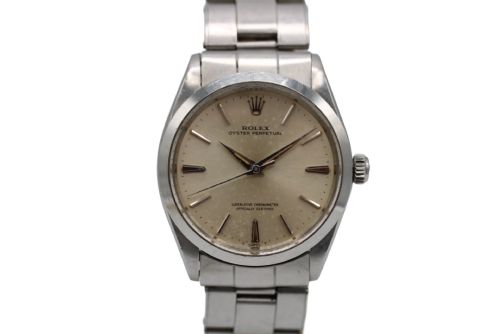
Wristwatches dominate the available range, often fashioned from stainless steel, gold plate, or solid nine carat gold, paired with leather straps. Mantel clocks appear less frequently, utilising inlaid mahogany and glass to house their movements.
How they were made
The construction of a classic mechanical timepiece relies on precision metalworking for internal gears and escapements. Cases utilise durable materials like stainless steel, solid nine carat gold, brass, and gold plating to protect the delicate inner mechanisms.
Exterior elements incorporate fitted acrylic or glass crystals above dials, while straps utilise leather. Mantel clocks employ cabinet-making techniques, featuring inlaid mahogany woodwork to house the clock face and movement.
Classic Mechanical Timepiece Retail Price Guide 2026
Typical asking prices for classic mechanical timepiece among the pieces listed under this phrase on Sellingantiques today, from the lower quarter to the upper quarter. They describe what is for sale here now, not the wider market.
Some dials bear a grinning smile inscription.
What varies in quality
The calibre of a classic mechanical timepiece rests upon the complexity and original grading of its movement. High-tier examples feature chronometer certification, specialised chronograph functions, or high-count jewel movements designed for superior timekeeping accuracy.
Material choice separates standard production models from luxury tiers, shifting from base metals and gold plating to solid precious metals like eighteen carat white gold or nine carat gold. The preservation of original dials, hands, and signed winding crowns also dictates the standing of an individual piece.
Omega·Tudor·Montilier·Cyma·Smiths·J W Benson·Longines·Certina·Rotary·Ensign·Lanco·Eterna·Prisma·Girard Perregaux·Bucherer·Marvin
The Classic Mechanical Timepiece Glossary
- Calibre
- The specific manufacturer's designation for a particular watch movement design. Collectors use this number to identify the exact internal mechanism housed within the case.
- Manual wind
- A movement that requires the wearer to turn the crown by hand to tension the mainspring. This traditional method predates automatic self-winding technology.
- Chronometer
- A high-precision watch that has passed rigorous accuracy tests conducted by an official testing body. These movements maintain precise time across various temperatures and positions.
- Mantel clock
- A domestic clock designed to sit on the shelf or mantel above a fireplace. These decorative pieces often feature wooden cases and striking mechanisms.
- Acrylic glass
- A lightweight, shatter-resistant plastic material utilised for watch crystals before the widespread adoption of synthetic sapphire. It can be polished to remove surface scratches.
Classic Mechanical Timepiece: Frequently Asked Questions
How do I wind a manual watch?
Gently rotate the crown clockwise between your thumb and forefinger until you feel increasing resistance. Stop turning immediately when resistance meets your fingers to avoid breaking the mainspring.
Wind the watch at roughly the same time each day to maintain consistent tension and accurate timekeeping. Avoid over-winding older movements, as excessive force damages internal components.
What is an automatic movement?
An automatic movement is a mechanical watch that winds itself using the natural motion of the wearer's wrist. An internal weighted rotor spins as you move, transferring energy to tension the mainspring.
These pieces do not require batteries or daily manual winding while worn regularly. If left stationary for days, the power reserve depletes and the watch stops until reworn or manually wound.
How do I read a mantel clock?
Read a mantel clock by observing the position of the hour and minute hands against the marked dial face. Traditional Roman or Arabic numerals guide the eye around the circular track.
Many mantel clocks also feature a smaller subsidiary dial for setting alarms or regulating the striking train. Count the acoustic chimes if the clock sounds the passing hours audibly.
How should I care for vintage leather straps?
Keep vintage leather straps away from water, excessive moisture, and prolonged direct sunlight to prevent drying and cracking. Remove the watch before swimming or showering.
Apply specialised leather conditioners sparingly to maintain suppleness over the years. Replace worn straps periodically to protect the fixed spring bars and secure the watch safely on your wrist.