
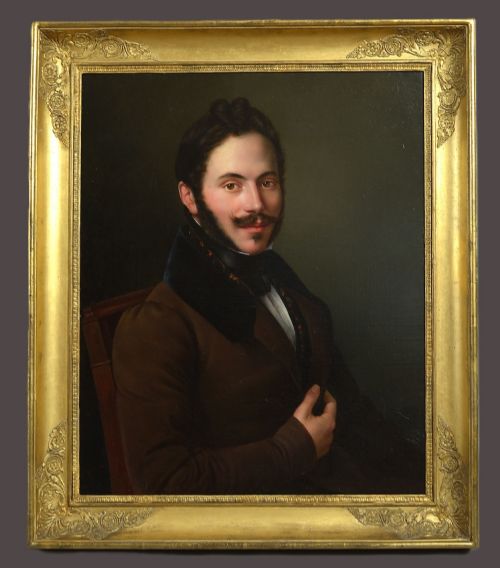
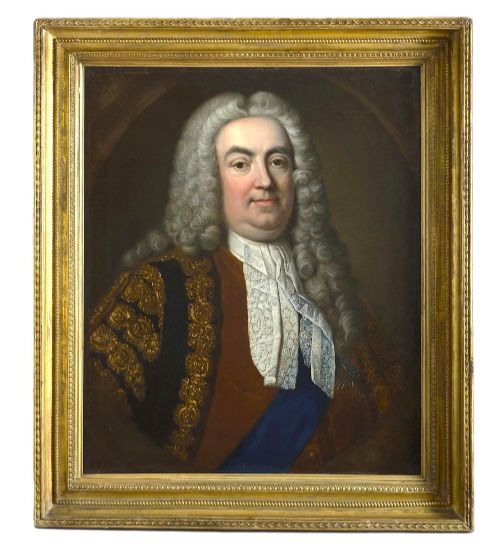
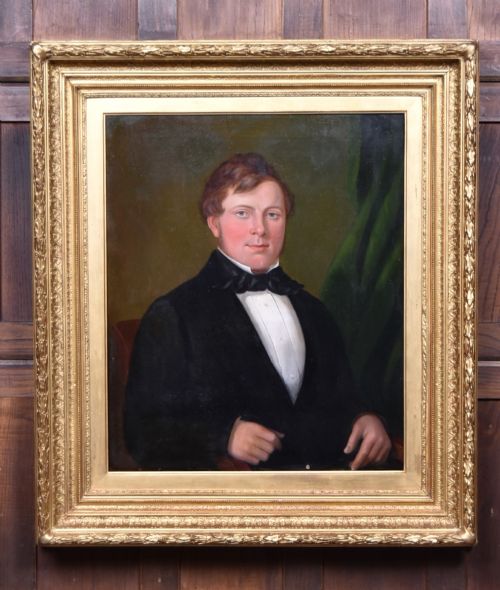
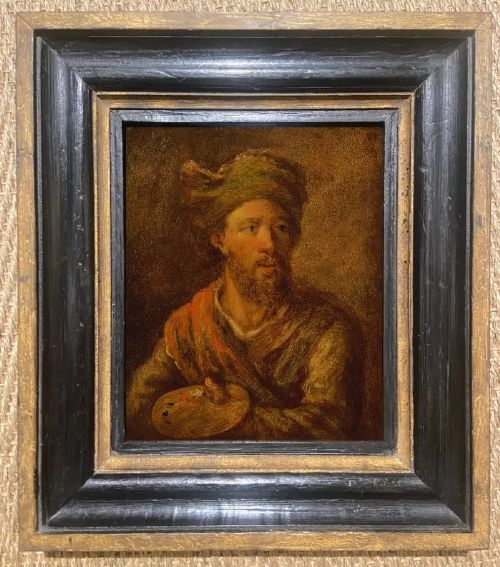


Classic Male Portrait
A classic male portrait captures the likeness of a notable gentleman, statesman, or artist, offering a direct window into past centuries through skilled brushwork or sculpted stone.
Classic Male Portrait
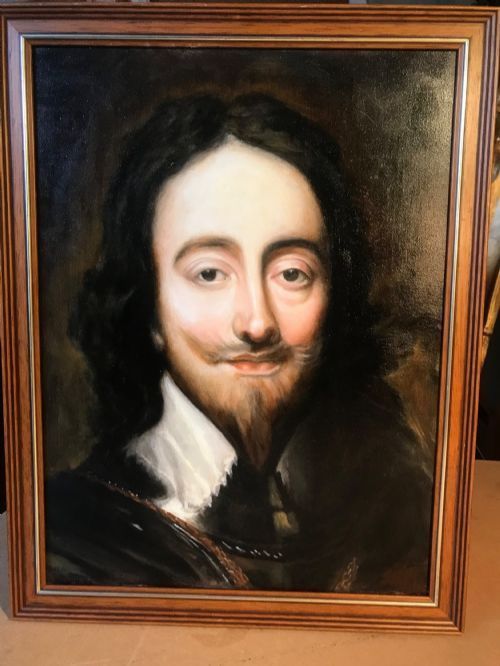
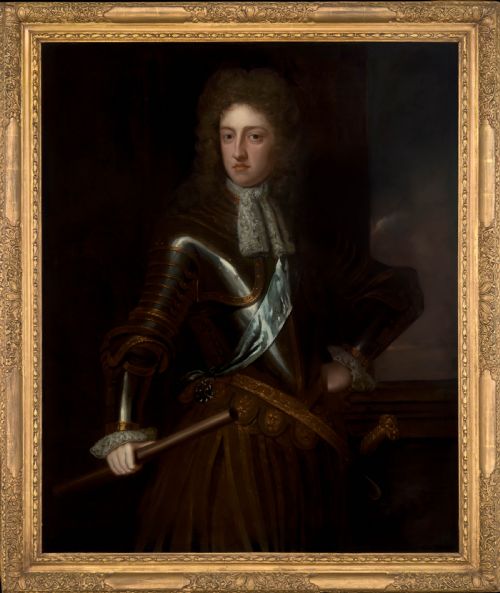
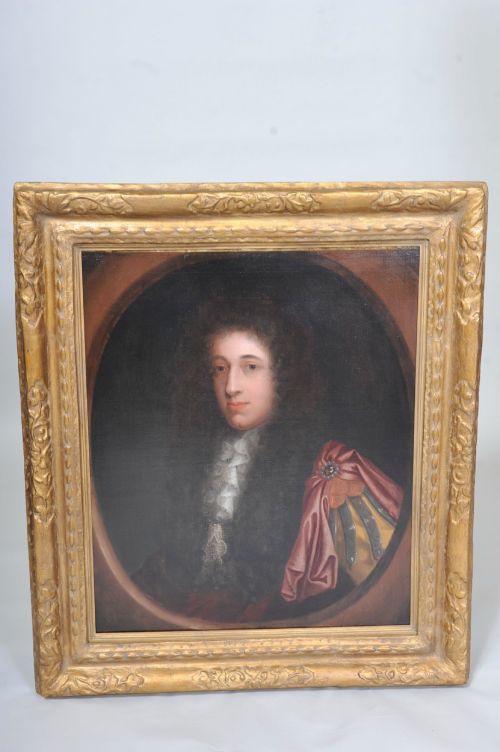
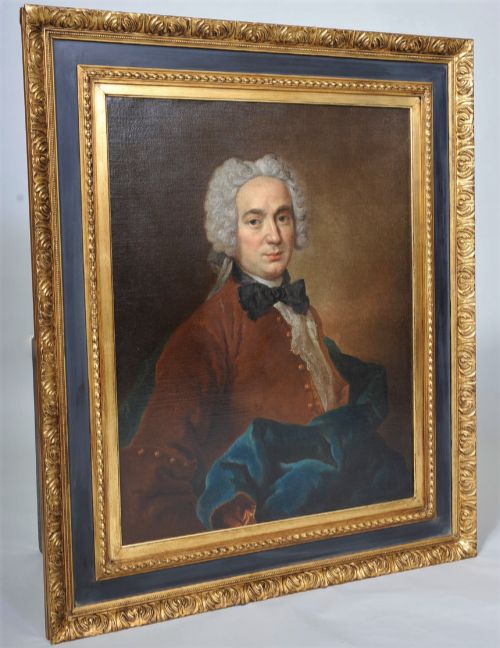
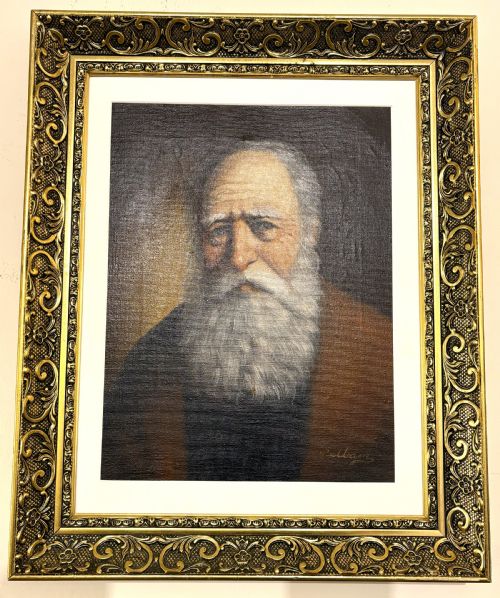
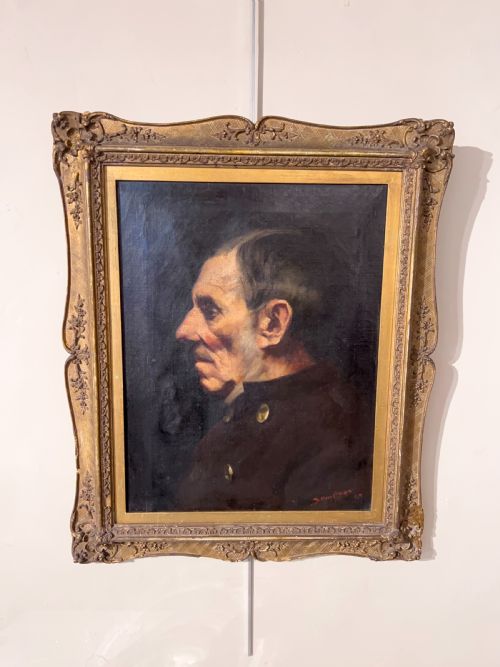
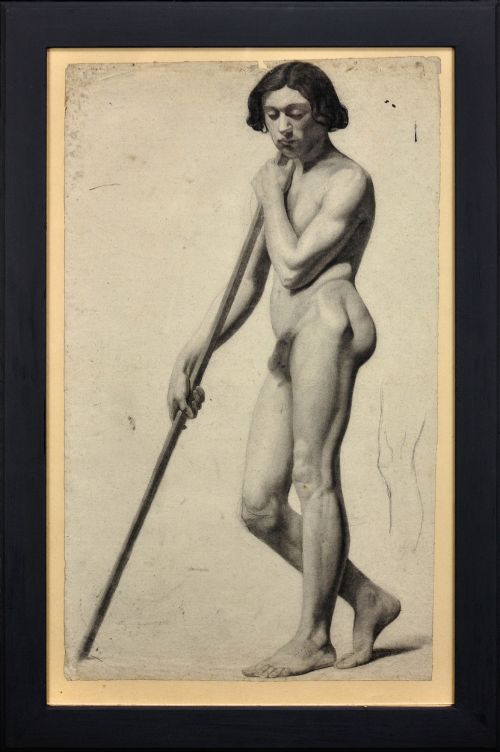
A classic male portrait on this page spans from the seventeenth century through to the mid-twentieth century, recording subjects ranging from monarchs and prime ministers to academic life studies. These works appear primarily as oil paintings on canvas alongside carved marble and simulated stone plaster portrait busts.
The selection includes pieces originating from British and French traditions, encompassing works by named studio circles as well as later interpretations after masters. Buyers encounter aristocratic figures alongside anonymous gentlemen and artists captured in oil paint, gold leaf frames, and sculpted media.
Assessing the standard
Quality rests upon the precision of the facial rendering and the fidelity of the sitter's expression, separating workshop copies from works produced by established hands. The depth of the oil pigment application and the finesse of the carved drapery or facial contours dictate the visual impact.
Railway kings, prime ministers, and medieval gentlemen share the gallery space, staring sternly down through centuries of varnish.
Sir Godfrey Kneller·Edouard Pingret·Jean Baptiste Van Loo·Bertram Priestman·Sir Joshua Reynolds·Sir William Charles Ross·Jean Denis Maillart
The Classic Male Portrait Glossary
- Studio of
- A term indicating a work produced by assistants or pupils working under the direct supervision or in the manner of a master artist.
- Portrait Bust
- A three-dimensional sculpture depicting a person's head, neck, and shoulders, typically executed in marble, plaster, or bronze.
- Giltwood
- Wood that has been coated with gold leaf or gold paint, frequently used for traditional picture frames housing oil paintings.
- Life Study
- An artwork created directly from a live human model rather than from memory or imagination, common in academic training.
- After
- A prefix indicating that a painting is a later copy or interpretation of a known original work by a named master.
Classic Male Portrait: Frequently Asked Questions
What periods do these portraits cover?
The works span from the seventeenth century through the Georgian and Victorian eras up to mid-century modern pieces.
This timeline encompasses seventeenth-century British portraiture, eighteenth-century aristocratic studies, and nineteenth-century academic drawings.
How were these portrait busts displayed?
Sculptural busts in marble and plaster were traditionally placed upon pedestals, libraries, or mantelpieces within grand domestic interiors.
Their heavy construction in stone or plaster provided a permanent presence in studies and reception rooms.
What is a passage portrait?
A passage portrait refers to a specific composition, often executed after an earlier master such as Anthony Van Dyck.
These works interpret historical likenesses using traditional oil paint on canvas methods suited to period interiors.
How do I care for an oil on canvas?
Paintings require stable indoor humidity away from direct sunlight to protect the canvas support and oil pigments.
Dusting the giltwood frame gently with a dry cloth helps preserve the surface without disturbing the finish.