





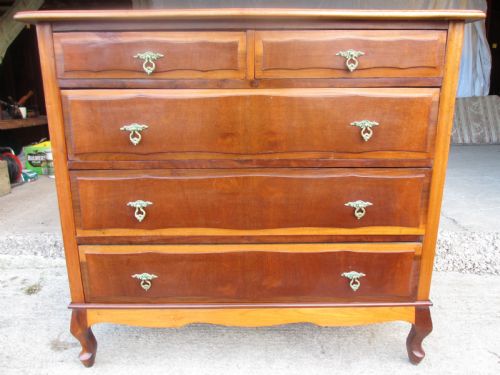
Classic Mahogany Dresser Cabinet
Classic mahogany dresser cabinet pieces are substantial storage furniture defined by rich timber surfaces and functional drawer layouts.
Classic Mahogany Dresser Cabinet
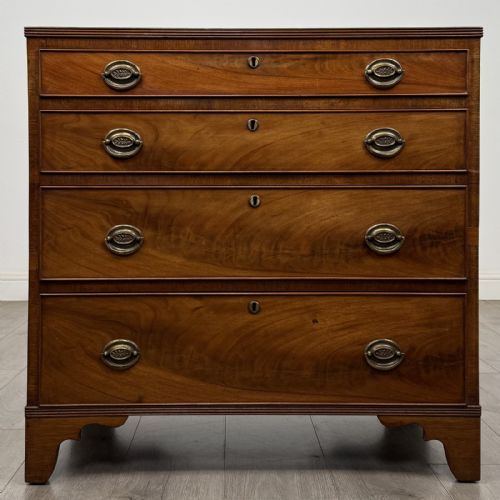
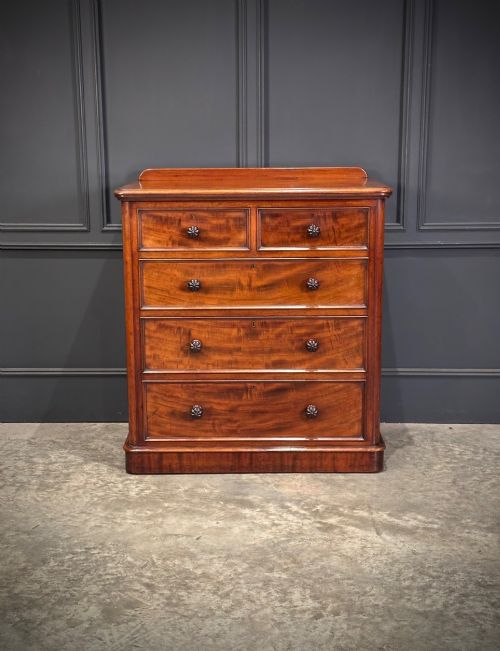
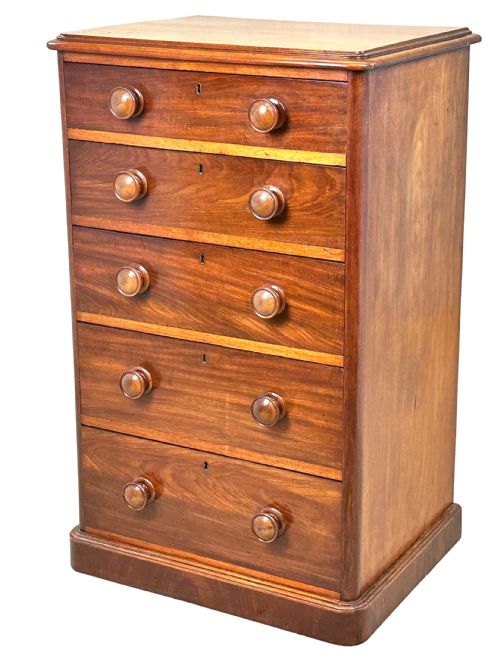
Classic mahogany dresser cabinet pieces span a variety of periods including Regency, Victorian, Edwardian, and the eighteenth century. They appear primarily as chests of drawers alongside twin pedestal sideboards.
The versions most commonly met on this page range from Georgian styles with bracket feet to bow fronted Regency forms and later Victorian iterations.
How they were made
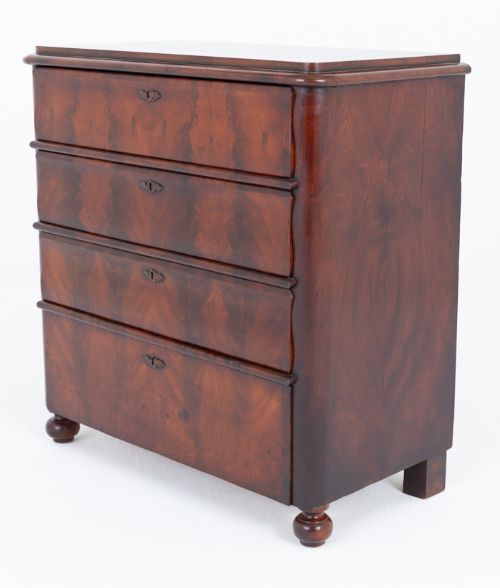
Carpenters utilised solid mahogany and flame mahogany veneer over secondary timbers like pine to construct these storage units. Flame mahogany veneer provides striking grain patterns across drawer fronts.
Detailing often incorporates contrasting boxwood stringing and functional brass handles. Bracket feet support many of the earlier chest forms.
Classic Mahogany Dresser Cabinet Retail Price Guide 2026
Typical asking prices for classic mahogany dresser cabinet among the pieces listed under this phrase on Sellingantiques today, from the lower quarter to the upper quarter. They describe what is for sale here now, not the wider market.
Flame mahogany grain patterns can occasionally resemble flickering campfires if you stare at the drawer fronts long enough.
What varies in quality
The standard of timber selection and veneer matching defines the visual appeal of each cabinet. Rich figuring in flame mahogany contrasts with plainer stock.
Hardware choice and secondary wood selection also mark the division between standard workshop production and finer furniture.
The Classic Mahogany Dresser Cabinet Glossary
- Flame mahogany veneer
- A thin slice of wood cut from a fork in the mahogany tree to create a flickering, flame-like pattern. It decorates primary surfaces.
- Bow fronted
- A curved cabinet front that bows outward in the centre. This shape requires precise woodworking skill.
- Bracket feet
- Simple, structural feet supporting the bottom corners of a chest. They lift the cabinet body off the floor.
- Boxwood stringing
- Thin lines of pale boxwood inlay set into darker mahogany surfaces. It provides subtle linear contrast.
- Twin pedestal sideboard
- A large dining room storage form with two supporting pedestals beneath a long top. It offers extensive internal capacity.
Classic Mahogany Dresser Cabinet: Frequently Asked Questions
What is a classic mahogany dresser cabinet?
These items are primarily chests of drawers and sideboards constructed from mahogany timber during periods ranging from the eighteenth century to the twentieth.
They serve as practical storage furniture for clothing or dining room items while displaying the grain and colour of the wood.
How do I date a mahogany chest?
Dating relies on observing stylistic markers such as bracket feet, bow fronts, and inlay techniques alongside the underlying timber construction.
Georgian and Regency pieces show different proportions and decorative details compared to later Victorian or Edwardian examples.
Where should I place a mahogany sideboard?
A twin pedestal sideboard works well in a dining room or large hallway where its length and storage capacity can be fully utilised.
Ensure the room has sufficient space to allow cabinet doors and drawers to open without obstruction.
How do I care for flame mahogany?
Protect veneered surfaces from direct sunlight and excessive heat fluctuations to prevent the wood from drying out or warping.
Dust regularly with a soft cloth and apply appropriate furniture wax sparingly to maintain the finish.