

Vintage Mahogany Drawer Unit
These pieces of vintage mahogany drawer unit furniture offer practical storage and rich timber grain, bringing dependable function and warmth to any room.
Vintage Mahogany Drawer Unit
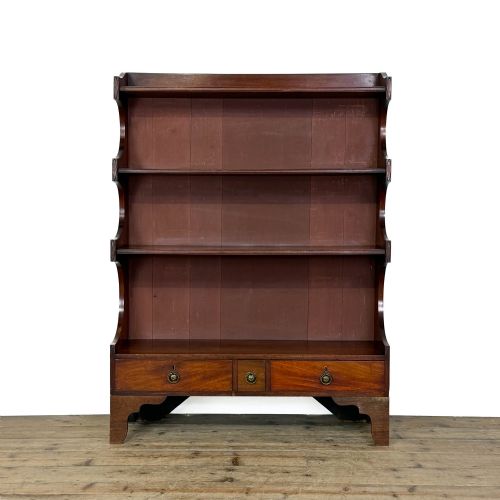
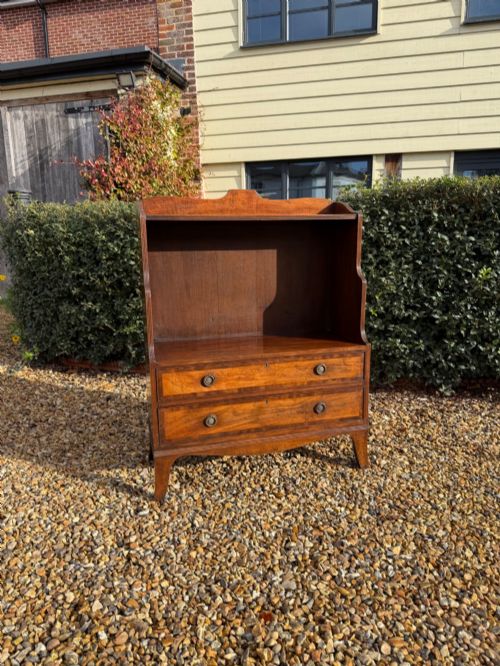
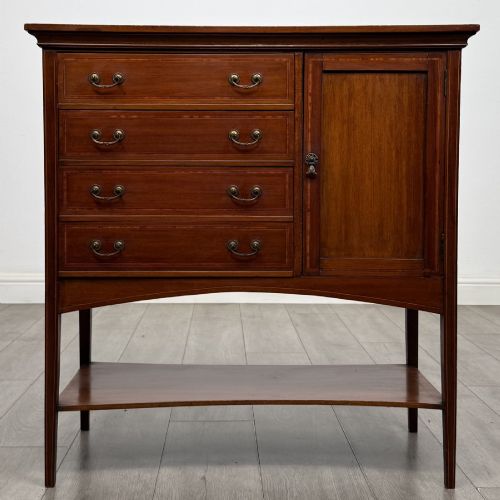
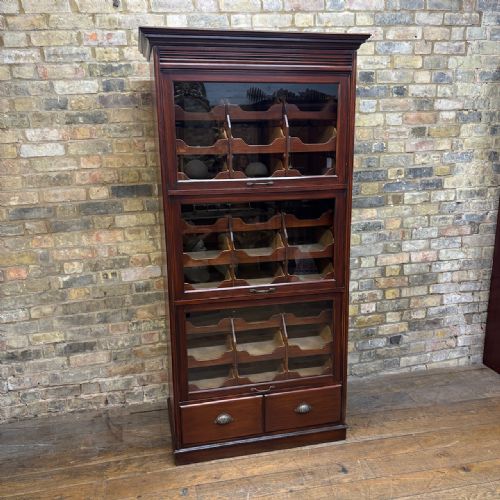
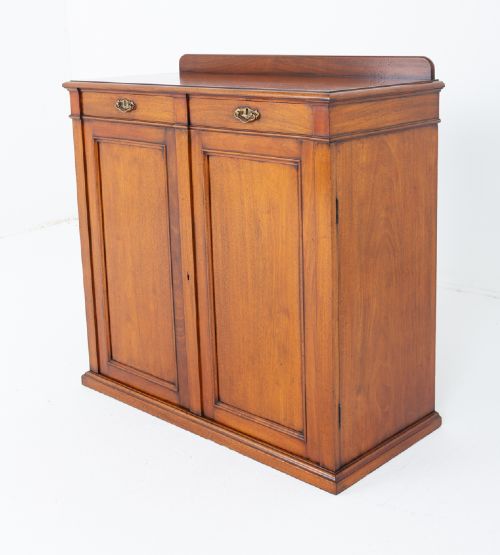
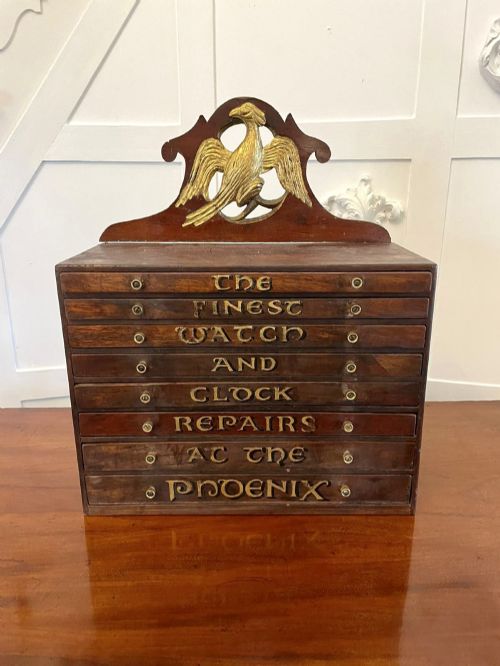
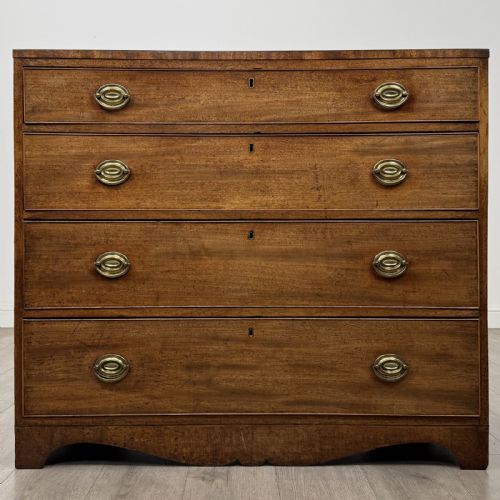
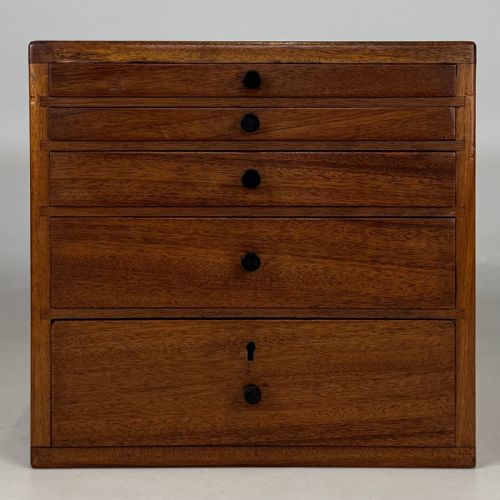
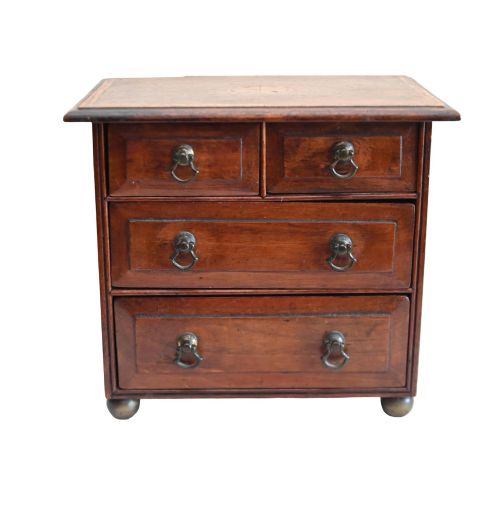
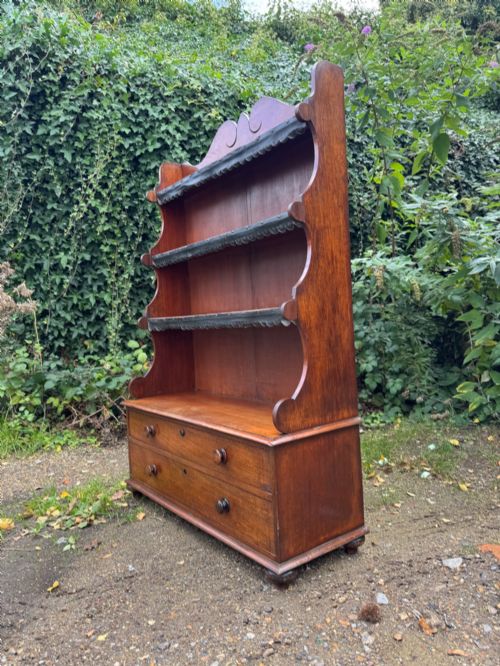
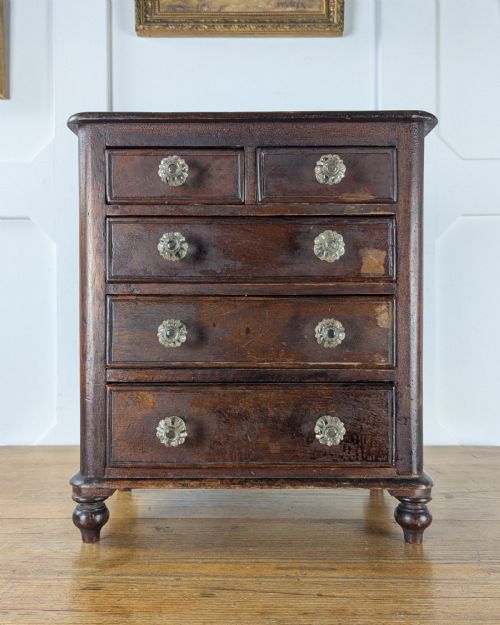
The most common version met on this page is the traditional chest of drawers, ranging from compact apprentice pieces to large multi-drawer storage units. Alongside these, buyers encounter specialised forms like apothecary shop fittings, filing cabinets, and inlaid bedroom chests.
Makers and designers working in these historical styles utilise solid timber and decorative veneers to create storage solutions suited for domestic or commercial use. The inventory spans straightforward utility furniture as well as refined items featuring line inlay, brass pulls, and tiered shelving.
How they were made
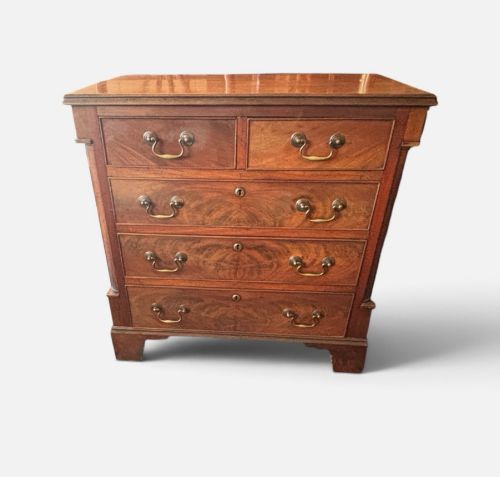
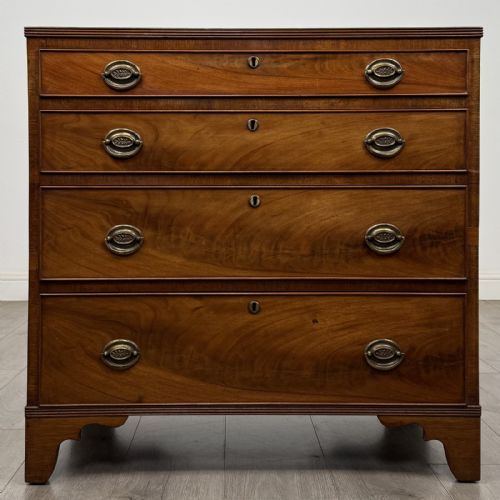
Cabinet makers constructed these drawer units primarily using solid mahogany, frequently applying flame mahogany veneer to primary surfaces for visual depth. Secondary timbers such as pine and oak appear in internal drawer framing and carcase backs.
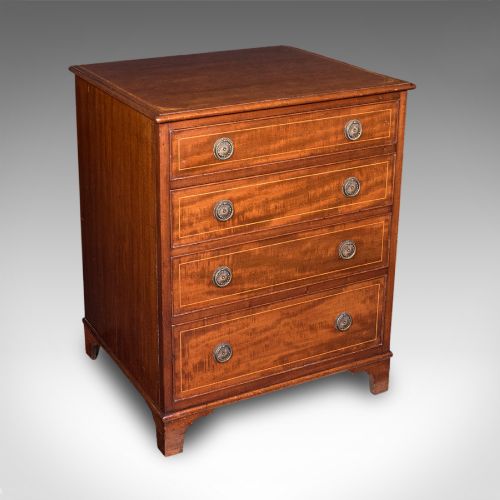
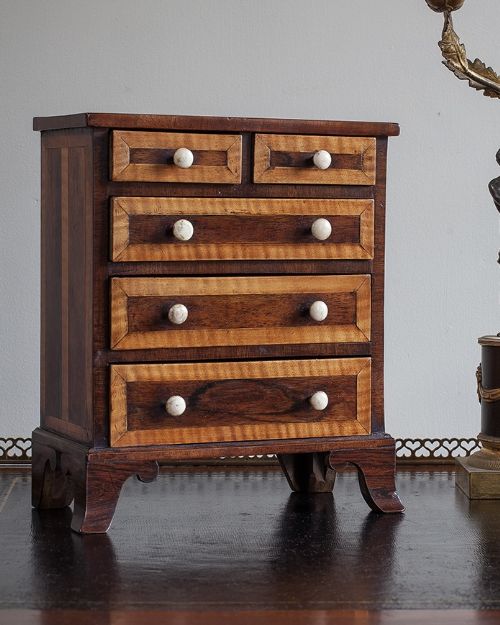
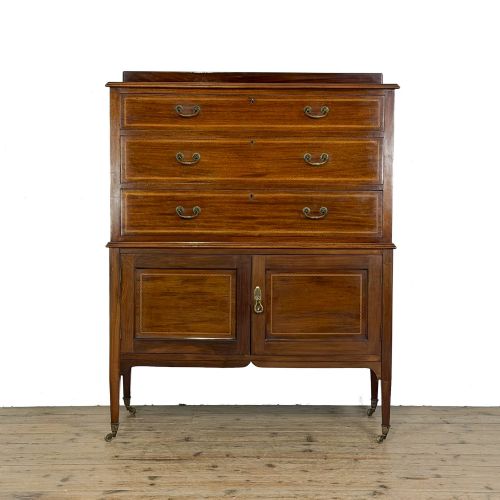
Metal and glass components complete the construction, with brass handles, shell pulls, and label holders fitted to drawer fronts. Inlaid details incorporate contrasting satinwood lines to define borders and panels on Edwardian and Victorian examples.
Vintage Mahogany Drawer Unit Retail Price Guide 2026
Typical asking prices for vintage mahogany drawer unit among the pieces listed under this phrase on Sellingantiques today, from the lower quarter to the upper quarter. They describe what is for sale here now, not the wider market.
Materials span solid mahogany, flame mahogany veneer, brass hardware, glass, satinwood, oak, and pine.
What varies in quality
The standard of a drawer unit rests upon the selection of timber figures, particularly the vibrancy of flame mahogany veneers and the precision of satinwood inlays. Superior examples display careful grain matching across drawer fronts and harmonious proportions.
Hardware integrity separates standard utility items from finer pieces, with original brass pulls, working locks, and designated label holders adding considerable character. The underlying joinery, such as hand-cut dovetails on drawer boxes, dictates the durability and structural resilience of the unit.
Lamb of Manchester
The Vintage Mahogany Drawer Unit Glossary
- Flame mahogany
- A figure in mahogany timber produced by cutting across the branch or fork of the tree, creating a distinctive rippled, flame-like pattern.
- Dovetail
- A traditional interlocking joint used in drawer construction, prized for its tensile strength and resistance to being pulled apart.
- Bank of drawers
- A multiple-drawer storage unit, often originating from commercial or apothecary settings, designed to hold small items or documents.
- Inlay
- A decorative technique where contrasting woods, such as satinwood, are set into recesses flush with the surrounding mahogany surface.
Vintage Mahogany Drawer Unit: Frequently Asked Questions
How do I date a mahogany chest?
Dating relies on examining construction methods, timber choices, and hardware styles across periods like the Georgian and Victorian eras. Dovetails cut by hand and secondary woods such as pine often point to earlier manufacturing dates.
Secondary decorative elements like satinwood inlay or brass shell pulls help narrow down the decade of production. Comparing the overall proportions and foot style against known period examples provides further clarity.
Were bank of drawers domestic furniture?
Banks of drawers and multi-drawer filing cabinets primarily served commercial, apothecary, or workshop environments rather than residential bedrooms. These robust units were built to organise paperwork, medical supplies, or small merchandise.
Today, these functional items find new life in domestic interiors as statement storage pieces in studies or kitchens. Their industrial origins explain the presence of original label holders and utilitarian pulls.
What is flame mahogany?
Flame mahogany is a specific wood figure derived from the branching parts of the mahogany tree. The grain swirls in a manner that resembles flickering flames, creating rich visual movement across the surface.
Cabinet makers reserved this striking veneer for the most prominent surfaces, such as primary drawer fronts. It adds depth and luxury to Victorian and Regency case pieces.
How do I style a music cabinet?
Music cabinets, originally designed to store sheet music during the Edwardian period, feature compact proportions and internal shelving. Their slender height makes them adaptable for placement in tight corners or beside seating areas.
These pieces function well as bedside tables or auxiliary storage units in living rooms. The addition of inlaid woodwork allows them to complement existing antique or vintage decor.